Self-custody gives cryptocurrency owners direct control over their assets by removing exchanges or banks from the key-management equation. Although this approach reduces counterparty risk, it also places full responsibility for security on the individual investor. Understanding how self-custody works—and where it can fail—is essential before moving funds off a centralized platform.
How Crypto Self-Custody Works
Cryptocurrency transactions are recorded on a blockchain, but the ability to authorize those transactions depends on cryptographic keys. On a custodial exchange, the platform controls the private keys. In a self-custody wallet, the user holds the keys and, by extension, full control over the assets.
Self-custody wallets typically generate a 12- or 24-word recovery phrase. This phrase is the backup that can restore access to the wallet if the original device is lost, damaged, or replaced. However, losing the recovery phrase can mean losing access to funds permanently, because there is no central company that can reset the wallet or recover the keys.
Hot Wallets vs. Hardware Wallets
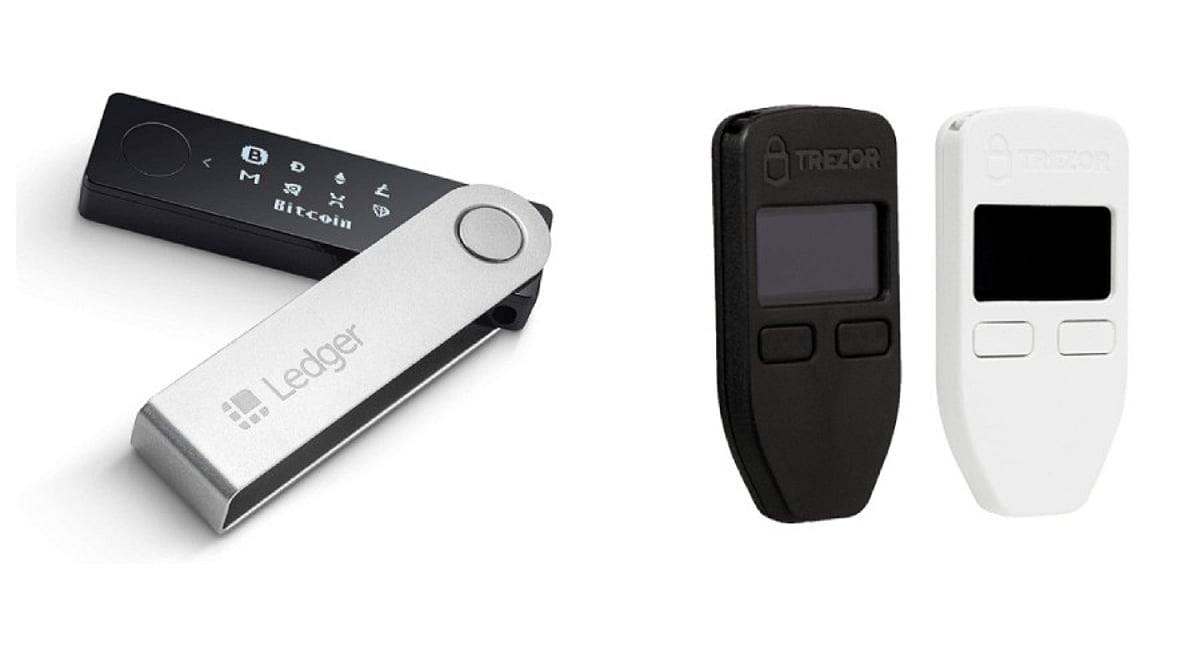
Self-custody comes in different forms. Hot wallets run on internet-connected devices such as smartphones and computers, making them convenient for frequent transactions. Hardware wallets, by contrast, keep private keys and signing information offline, making them a better option for long-term storage.
Hardware wallets are not completely risk-free. In July 2026, vulnerabilities in seed generation affected multiple Coldcard wallets. TRM Labs reported that attackers stole approximately 1,816 BTC—worth around USD 116 million—from more than 5,200 wallets.
Human Error Remains a Major Risk
Assets can be lost without any breach of the underlying blockchain. Phishing attacks, malicious apps, exposed recovery phrases, and signing fraudulent transactions can all compromise a self-custody wallet. Because blockchain transactions are typically irreversible, one mistaken action can be permanent.
Physical threats are also rising. Chainalysis estimates that attacks against cryptocurrency holders resulted in about USD 30 million stolen during the first half of 2026. Home invasions accounted for 37% of reported incidents, up from 26% in 2023.
Blockchain Infrastructure Can Still Fail
Self-custody does not eliminate risks in the infrastructure surrounding blockchains. On September 6, attackers withdrew roughly 4,000 BTC from the Bitcoin-based Liquid Network, initially worth about USD 319 million. TRM Labs reported that approximately 85%—USD 272 million—was returned after the vulnerability was patched, leaving about USD 47 million with the attackers.
How to Reduce Self-Custody Risks
- Keep recovery phrases offline and never share them with anyone.
- Verify wallet software and transaction addresses before sending funds.
- Keep device firmware and wallet applications updated.
- Avoid signing unknown or suspicious transactions.
- Separate long-term holdings from wallets used for DeFi or frequent transactions.
These precautions can help reduce the chance of losing funds, but they do not eliminate risk entirely. Users must remain vigilant about both online and physical threats.
Why This Matters
Crypto theft remains a serious concern. According to TRM Labs, the first half of 2026 saw 207 hacks and USD 972 million stolen. These figures highlight the importance of wallet protection and of strengthening the digital-asset infrastructure that supports self-custody.
Final Thoughts
Self-custody offers direct ownership, not guaranteed protection. Investors trade the counterparty risk of centralized custodians for personal responsibility over keys, backups, and transactions. For users who are prepared to manage that responsibility carefully, self-custody can be a powerful way to maintain financial control. For others, a single security mistake can be irreversible.
Frequently Asked Questions
What does self-custody mean in cryptocurrency?
Self-custody means the user controls the private keys required to access and transfer their crypto assets. Unlike custodial exchanges, no centralized platform holds the keys on the user’s behalf.
What happens if you lose a self-custody wallet recovery phrase?
A recovery phrase can restore access to a self-custody wallet if the original device is lost or damaged. If both wallet access and the recovery phrase are lost, the funds may be permanently inaccessible.
Are hardware wallets safer than hot wallets?
Hardware wallets can reduce exposure to online attacks by keeping signing information offline. However, vulnerabilities, phishing, compromised recovery phrases, and user errors can still cause losses.
What are the biggest risks of crypto self-custody?
Major risks include losing recovery phrases, phishing attacks, malicious wallet software, signing fraudulent transactions, and hardware vulnerabilities. Unlike traditional accounts, fraudulent or accidental blockchain transactions can often be irreversible.
How can investors make crypto self-custody safer?
Users should keep recovery phrases offline, verify wallet software and addresses, update firmware, and avoid unfamiliar transaction requests. Separating long-term holdings from frequently used wallets can also reduce exposure.
Disclaimer: This article is for informational purposes only and does not constitute financial or investment advice. Cryptocurrencies carry significant risk, and you should conduct your own research before making any investment decisions.