Tag: healthcare technology

  • Key AI Innovations Transforming Healthcare Today

    Key AI Innovations Transforming Healthcare Today

    Artificial intelligence is rapidly reshaping the healthcare landscape, offering unprecedented speed and accuracy in diagnostics, treatment planning, and administrative workflows. Below are the most impactful AI trends driving change across the industry.

    AI-Powered Diagnostics

    AI systems analyze medical images and clinical data far faster than traditional methods, helping healthcare professionals detect diseases, identify abnormalities, and support accurate diagnoses with greater confidence.

    Generative AI

    Generative AI tools create clinical summaries, draft documentation, organize patient information, and reduce repetitive administrative work, freeing up clinicians to focus on patient care.

    AI Healthcare Agents

    AI agents manage multi-step workflows, coordinate appointments, support follow-ups, and complete routine healthcare tasks with minimal human intervention, improving operational efficiency.

    Personalized Treatment

    By combining patient records, genetic information, and clinical data, AI helps doctors develop more individualized treatment strategies tailored to each patient’s unique profile.

    Predictive Analytics

    Predictive AI identifies potential health risks by analyzing large datasets, enabling earlier interventions and supporting better-informed clinical decisions that can save lives.

    AI Drug Discovery

    Pharmaceutical companies leverage AI to analyze molecules, identify promising compounds, and accelerate the research processes involved in developing new medicines.

    Remote Patient Monitoring

    AI analyzes data from wearable devices and connected medical equipment, helping clinicians detect concerning changes and monitor patients remotely, improving access to care.

    AI-Assisted Surgery

    AI-powered surgical technologies support planning, precision, and decision-making, helping surgeons perform complex procedures while maintaining essential human oversight throughout.

    Responsible AI Governance

    Healthcare organizations increasingly prioritize privacy, bias management, transparency, security, accuracy, and human oversight when implementing artificial intelligence systems, ensuring ethical and safe deployment.

  • VetRec’s AI Platform Automates Veterinary Documentation, Helping Clinics Focus on Patient Care

    VetRec’s AI Platform Automates Veterinary Documentation, Helping Clinics Focus on Patient Care

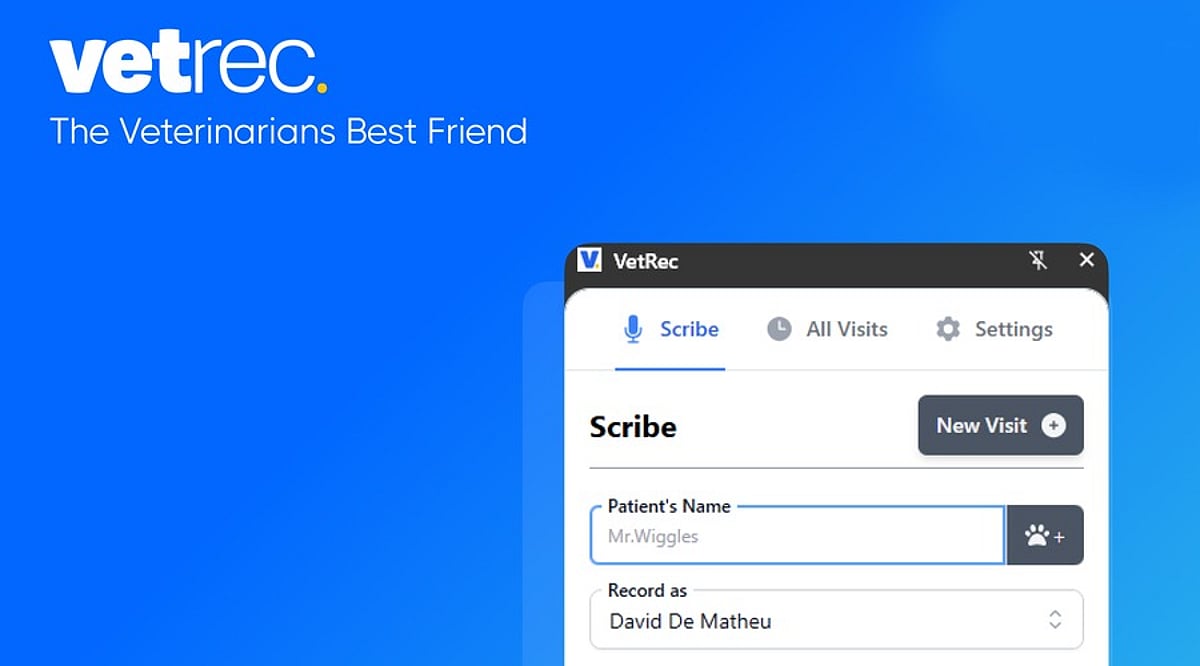
    Veterinary clinics face a constant challenge: doctors care for animals, speak with pet owners, examine patients, prepare treatment plans, and complete detailed medical records after every visit. This paperwork takes valuable time away from patient care. VetRec entered this space with a clear goal: build an artificial intelligence platform that removes much of the documentation work from veterinary professionals. Instead of replacing medical expertise, the platform supports veterinarians with faster and more accurate record keeping. Recent developments show that VetRec has moved far beyond a simple note-taking tool and now plays a larger role in modern veterinary practice.

    VetRec Brings AI Into Daily Veterinary Work

    VetRec focuses on one of the most labor-intensive segments in veterinary practices: medical records. Proper documentation is necessary for every consultation. The tool listens actively during visits, makes sense of what veterinarians are discussing, and within a few minutes generates a complete record. The records are then reviewed by the veterinarian before being appended to the medical file. This technique gives complete authority to physicians while removing a large portion of the tedious job of record maintenance. VetRec differs from other AI tools used in medical practices because it understands the special terminology used in animal medicine, rather than human medicine.

    AI Creates Accurate Medical Records

    The technology works through a simple process. During an appointment, the system captures the conversation between the veterinarian and the pet owner. Advanced speech recognition converts spoken words into text. Veterinary language models then identify the patient’s history, symptoms, examination findings, treatment plans, medications, and diagnostic details. After this analysis, the platform prepares structured SOAP notes along with discharge instructions, referral summaries, surgery reports, and complete medical records. The veterinarian checks the final document, makes any necessary changes, and approves the record. This approach saves valuable clinical time while maintaining professional oversight throughout the documentation process.

    Large Emergency Hospital Network Shows Confidence

    The strongest proof of VetRec’s success came through its partnership with VEG ER for Pets, one of North America’s largest emergency veterinary providers. The collaboration started with a six-month pilot program that tested the platform in real emergency hospitals. During this period, VetRec supported documentation for more than 100,000 emergency patient visits. The results encouraged VEG to expand the partnership across its organization. More than 70 percent of VEG hospitals now operate with the VetRec platform, while a full company-wide rollout continues. This large-scale adoption shows that the technology performs well even in busy emergency environments where speed, accuracy, and clear documentation remain essential.

    Expansion Beyond Clinical Documentation

    VetRec recently expanded its product portfolio with the launch of an AI Receptionist in July 2026. This new system handles routine front-desk tasks that often consume staff time throughout the day. The virtual assistant answers phone calls, schedules appointments, records messages, and supports clinics after regular business hours. This development marks an important step for the company. VetRec now addresses both clinical documentation and administrative work, which helps veterinary teams spend more time with patients instead of routine office tasks. The broader platform also creates a smoother experience for clinics that seek one technology partner for multiple operational needs.

    Regular Product Updates Improve Clinical Workflows

    VetRec continues to improve its software with frequent product updates. Recent releases introduced clinical alerts, evidence citations, ER Rounds workflow support, Body Maps, and stronger record recap features. These additions show that the company aims to support more than documentation alone. The platform now assists with clinical organization and information management across different stages of patient care. Each new feature strengthens the overall workflow inside veterinary hospitals. Doctors receive better access to organized clinical information, while staff members complete routine processes with greater consistency and speed.

    Benefits for Veterinary Teams

    Veterinary professionals often spend many hours each week on documentation. VetRec helps reduce this workload through automatic note creation that follows every consultation. Less time spent on paperwork allows doctors to focus more attention on examinations, treatment decisions, and conversations with pet owners. The software also creates standardized SOAP notes, which improve consistency across different clinicians. Structured documentation helps clinics maintain clear patient histories and supports smoother communication between team members. Faster documentation may also allow hospitals to manage higher patient volumes without adding extra administrative pressure.

    Strong Position in a Growing AI Market

    Artificial intelligence continues to reshape veterinary medicine across many areas, including diagnostic support, radiology, disease prediction, herd health management, and clinical documentation. VetRec stands among the leading companies that focus specifically on veterinary record automation. The company competes with several other AI scribe providers, yet its rapid enterprise adoption and specialized veterinary design have helped establish a strong market position. VetRec also offers enterprise-level security standards, including SOC 2 Type II compliance, along with support for practice management software integrations and GDPR requirements for clinics in the United Kingdom and Europe. Pricing in the UK starts at approximately £79 per veterinarian each month, accompanied by a 14-day free trial.

    Future of AI in Veterinary Care

    VetRec shows how artificial intelligence can strengthen veterinary medicine without replacing professional judgment. Every medical record still requires review and approval from a qualified veterinarian, which keeps clinical responsibility firmly in human hands. The technology simply removes repetitive documentation tasks and allows veterinary teams to devote more attention to patient care. The company’s rapid product expansion, large-scale deployment with VEG ER for Pets, and continued investment in workflow improvements demonstrate steady progress toward a broader AI platform for veterinary practices. As veterinary clinics search for better efficiency, higher documentation quality, and improved patient experiences, VetRec continues to play an important role in the digital transformation of animal healthcare.

    Frequently Asked Questions

    • What is VetRec? VetRec is an AI-powered platform that automates veterinary documentation by generating medical records, SOAP notes, and clinical summaries from consultations.
    • How does VetRec work? VetRec listens to veterinarian-pet owner conversations, transcribes them, and creates structured medical notes that veterinarians review before approval.
    • What are the benefits of VetRec for veterinary clinics? It reduces paperwork, saves time, improves documentation consistency, and allows veterinarians to spend more time on patient care.
    • Does VetRec only create medical records? No. VetRec also offers an AI Receptionist that can answer calls, schedule appointments, and handle routine administrative tasks.
    • Is VetRec used by large veterinary hospitals? Yes. VetRec has been adopted by a majority of hospitals within the VEG ER for Pets network following a successful pilot program.
  • 10 Smart Medical Devices Poised to Revolutionize the Future of Healthcare

    10 Smart Medical Devices Poised to Revolutionize the Future of Healthcare

    Smart medical devices are transforming healthcare through AI-assisted diagnostics, wearable monitoring, robotic surgery, and connected care. These innovations improve early detection, treatment accuracy, patient outcomes, and remote healthcare delivery, making quality medical services more accessible.

    Overview

    Smart devices enable faster diagnosis through connected sensors, advanced imaging, and intelligent medical monitoring technologies. Wearables and home monitoring systems improve chronic disease management while supporting preventive healthcare for millions. Robotics and digital health innovations enhance treatment precision, patient recovery, and healthcare accessibility across diverse settings.

    Healthcare is becoming increasingly connected, giving patients and doctors better access to health information than ever before. Smart medical devices now monitor vital signs, catch diseases earlier, and help guide care both inside hospitals and at home. Some of these tools are already benefiting patients today, while others are expected to become more common in the coming years.

    10 Smart Medical Devices Revolutionizing the Future of Healthcare

    AI-Assisted Diagnostic Imaging

    Modern imaging software helps radiologists review X-rays, CT scans, and MRI images more consistently. It allows them to spot suspicious areas and identify illnesses like cancer, fractures, and stroke faster than before, since the software handles much of the groundwork. However, the final call is always made by physicians, not machines.

    Continuous Glucose Monitors (CGMs)

    Continuous Glucose Monitors have transformed diabetes management by allowing people to track blood glucose in real time, all day long. Typically, the glucose monitor includes a tiny sensor placed under the skin that sends information to a smartphone or a separate receiver.

    Smart ECG Devices

    Wearable ECG devices enable ongoing observation of patients’ heart rhythms, beat by beat. They detect irregularities such as atrial fibrillation and other abnormal timing patterns. The collected data provides crucial insights into the patient’s rhythm behavior.

    Portable MRI Scanners

    Portable MRI scanners make advanced diagnostic equipment available in remote settings where stationary MRI machines cannot be installed. The portable design allows use in emergency rooms and rural clinics.

    Robotic Surgical Systems

    Robotic-assisted surgeries enable doctors to perform complex operations with increased accuracy. Smaller incisions lead to minimal bleeding, reduced infection risk, less pain, and faster recovery, making robotic-assisted surgeries beneficial for various procedures.

    Smart Inhalers

    Smart inhalers consist of two parts: they deliver medication to patients and monitor usage. They track inhaler use, notify patients about missed doses, and provide health information to healthcare providers.

    Wearable Biosensor Patches

    Biosensor patches are wearable devices that continuously monitor patients’ heartbeat, breathing rate, body temperature, blood oxygen level, and hydration. These devices are especially useful for post-surgery patients, older adults, and those with chronic diseases.

    Ingestible Smart Capsules

    The ingestible capsule includes a miniature camera and sensor that travel through the patient’s body to capture images and gather diagnostic information. Newer devices also allow targeted drug delivery to specific parts of the gastrointestinal tract.

    Smart Rehabilitation Exoskeletons

    Exoskeletons assist patients during rehabilitation after conditions such as stroke, spinal cord injuries, and neurodegenerative diseases. They aid movement, help patients regain mobility, and provide therapists with performance data.

    Connected Home Health Monitoring Devices

    Home monitoring devices allow patients to track parameters such as blood pressure, heart rate, oxygen saturation, sleep patterns, and more without leaving home. All collected information is securely transmitted to healthcare professionals.

    Smart Medical Devices at a Glance: Smarter Care, Better Outcomes

    Smart medical devices have significantly changed how healthcare is delivered, making diagnosis, treatment, and continuous monitoring much easier. This technology allows physicians to make well-informed decisions and helps patients take control of their health. Smart medical devices will enhance preventive medicine and improve access to high-quality healthcare in the future.

    FAQs

    1. What are smart medical devices? Smart medical devices use sensors, connectivity, and software to monitor health, assist diagnosis, support treatment, and improve patient care.
    2. How do wearable medical devices help patients? They continuously track vital signs, detect abnormalities early, and share health data with doctors for timely medical intervention.
    3. Are smart medical devices used only in hospitals? No. Many devices, including glucose monitors and health trackers, are designed for home use and remote patient monitoring.
    4. Can smart medical devices replace doctors? No. They support healthcare professionals by providing accurate data and insights, but diagnosis and treatment decisions remain with doctors.
    5. Which smart medical device is widely used today? Continuous Glucose Monitors, smartwatches with ECG features, and connected blood pressure monitors are among the most widely used devices today.

  • How Smart Wearables Are Revolutionizing Healthcare Monitoring

    How Smart Wearables Are Revolutionizing Healthcare Monitoring

    Smart wearables have evolved from simple fitness trackers into essential healthcare tools that provide continuous, real-time health monitoring. These devices are transforming how individuals and healthcare professionals manage wellness and detect potential health issues early.

    Key Health Monitoring Features

    Heart Rate Monitoring

    Smart wearables track cardiovascular activity continuously, helping users identify abnormal patterns and maintain healthier lifestyles through real-time health insights.

    Blood Oxygen Monitoring

    These devices measure oxygen saturation levels, providing valuable information for respiratory health, sleep quality, and overall wellness monitoring.

    ECG Monitoring

    Wearables detect irregular heart rhythms, enabling early identification of potential cardiac conditions and supporting timely medical intervention when required.

    Sleep Tracking

    Advanced sleep analysis examines sleep cycles, duration, and quality to help users improve rest, recovery, and long-term physical and mental well-being.

    Fitness Activity Tracking

    From steps and workouts to calories burned and movement patterns, wearables encourage healthier habits through measurable daily fitness goals.

    Stress Monitoring

    Using physiological indicators, these devices estimate stress levels, helping users practice relaxation techniques and maintain emotional wellness throughout the day.

    Remote Patient Monitoring

    Healthcare professionals can monitor patients outside hospitals, improving treatment efficiency and reducing unnecessary medical visits.

    Fall Detection

    Automatic detection of serious falls triggers emergency alerts, providing additional safety for elderly individuals and people with medical conditions.

    AI Health Insights

    Artificial intelligence analyzes health data, identifies trends, and delivers personalized recommendations for preventive healthcare decisions.

    As technology advances, smart wearables are becoming indispensable tools for proactive health management, empowering users with actionable insights and enabling better outcomes through continuous monitoring.

  • Understanding Ambient Intelligence: How It Works and Why It Matters

    Understanding Ambient Intelligence: How It Works and Why It Matters

    What Is Ambient Intelligence?

    Ambient Intelligence (AmI) refers to environments embedded with artificial intelligence, sensors, connected devices, and automation that can understand people’s needs and respond proactively. Instead of requiring constant manual input, these systems quietly adapt lighting, temperature, security, entertainment, and digital services, creating seamless, personalized experiences in homes, offices, hospitals, and public spaces.

    The Technologies Behind Ambient Intelligence

    Ambient Intelligence combines AI, the Internet of Things (IoT), edge computing, cloud services, computer vision, and voice recognition. Smart sensors continuously collect environmental data, while AI analyzes patterns to make real-time decisions. Together, these technologies allow devices to communicate with one another, automate routine tasks, and provide intelligent assistance with minimal human intervention.

    How Smart Homes Use Ambient Intelligence

    Modern smart homes showcase Ambient Intelligence through connected lighting, climate control, appliances, and security systems. AI can learn daily routines, automatically adjust room temperatures, optimize energy consumption, recognize household members, and even detect unusual activity. The goal is to improve comfort, convenience, safety, and efficiency without requiring users to constantly manage individual devices.

    Ambient Intelligence in Healthcare

    Healthcare is rapidly adopting Ambient Intelligence to improve patient care and operational efficiency. AI-powered monitoring systems can track vital signs, detect falls, remind patients to take medications, and alert caregivers during emergencies. Hospitals also use intelligent environments to optimize workflows, reduce response times, and support healthcare professionals with real-time insights and predictive analytics.

    Transforming Workplaces and Cities

    Businesses and smart cities are integrating Ambient Intelligence to enhance productivity and sustainability. Intelligent offices automatically manage lighting, meeting rooms, and air quality based on occupancy. In urban environments, AI-powered traffic systems, connected infrastructure, and smart public services help reduce congestion, improve energy efficiency, and deliver more responsive experiences for residents and visitors alike.

    Privacy and Security Challenges

    As Ambient Intelligence relies heavily on continuous data collection, privacy and cybersecurity remain major concerns. Organizations must protect sensitive personal information, secure connected devices from cyberattacks, and ensure transparent data practices. Responsible AI development, strong encryption, user consent, and regulatory compliance will be essential for building public trust in intelligent environments.

    The Future of Ambient Intelligence

    With advances in generative AI, edge AI, and increasingly capable sensors, Ambient Intelligence is expected to become even more intuitive over the coming years. Future systems will better anticipate user needs, reduce energy consumption, support aging populations, and create highly personalized experiences, making intelligent environments an increasingly important part of everyday life.

  • How Carbon Nanotubes Are Poised to Transform AI Chips, EV Batteries, Healthcare, and Future Tech

    How Carbon Nanotubes Are Poised to Transform AI Chips, EV Batteries, Healthcare, and Future Tech

    Carbon nanotubes are one of the most extraordinary materials ever discovered. Despite being invisible to the naked eye, these tiny carbon structures possess remarkable strength and electrical properties that could reshape entire industries. As production techniques advance, carbon nanotubes are set to enhance AI chips, electric vehicle (EV) batteries, healthcare, and a wide array of future technologies.

    What Makes Carbon Nanotubes Special?

    A carbon nanotube is formed when a thin sheet of carbon atoms rolls into a hollow tube. Some nanotubes consist of a single layer, while others have multiple concentric layers. They are just a few nanometers wide but can grow to several centimeters in length. These structures are incredibly lightweight yet about 100 times stronger than steel on a weight-for-weight basis. They also conduct electricity exceptionally well—some behave like metals, others like semiconductors—and efficiently transfer heat, helping electronic devices stay cool during operation.

    Revolutionizing AI Chip Performance

    Artificial intelligence demands powerful computer chips, and traditional silicon is nearing its physical limits. Smaller silicon chips generate more heat and consume more electricity. Carbon nanotubes offer a solution through transistors that move electricity with minimal resistance, enabling AI chips to operate faster and more efficiently. Their superior heat dissipation also helps chips run cooler, extending lifespan and reducing energy consumption in large data centers. While commercial adoption is still in development, carbon nanotubes are emerging as a leading candidate for next-generation computing.

    Advancing Electric Vehicle Batteries

    In EV batteries, carbon nanotubes don’t replace lithium but significantly improve battery performance. They facilitate better electrical flow, leading to faster charging, increased capacity, and longer cycle life. Because only tiny amounts are needed, more space remains for energy storage, potentially allowing larger batteries without added weight. Carbon nanotubes also stabilize silicon anodes, which can store more energy than traditional graphite anodes, further boosting battery efficiency and durability.

    Transformative Healthcare Applications

    Medicine stands to benefit greatly from carbon nanotubes. They can serve as targeted drug delivery vehicles, carrying medicine directly to diseased cells while sparing healthy tissue and reducing side effects. In cancer treatment, nanotubes absorb near-infrared light and convert it to heat, which can destroy tumors with minimal collateral damage. Additionally, carbon nanotube-based sensors are highly sensitive, enabling early disease detection through tiny changes in the body. Flexible health monitors made from these materials could track heart rate, blood sugar, and other vital signs continuously.

    Remaining Challenges

    Despite their promise, several hurdles must be overcome. High-quality carbon nanotubes remain expensive to produce, and manufacturing methods need to scale while ensuring uniformity. Long-term safety studies are essential before medical applications become routine, and industry-wide quality standards are still being developed.

    The Road Ahead

    Carbon nanotubes are already used in some batteries, electronics, and composite materials. As production improves, their adoption will accelerate. Experts project the global carbon nanotube market will grow from approximately $8.8 billion in 2026 to nearly $24.5 billion by 2034, driven by AI, EVs, healthcare, electronics, and energy storage. Though tiny, carbon nanotubes hold immense potential to power faster AI, smarter medical devices, and more efficient energy systems.

    Frequently Asked Questions

    1. What are carbon nanotubes?

    Carbon nanotubes are minuscule hollow tubes made of carbon atoms. They are extraordinarily strong, lightweight, and excellent conductors of electricity and heat.

    2. Why are carbon nanotubes important for AI chips?

    They enable transistors that switch faster and generate less heat, leading to AI chips that are more powerful and energy-efficient than current silicon-based designs.

    3. How do carbon nanotubes improve EV batteries?

    They enhance electrical conductivity inside the battery, supporting faster charging, higher energy density, and longer lifespan, and also help stabilize advanced anode materials.

    4. Can carbon nanotubes be used in healthcare?

    Yes, research is exploring them for targeted drug delivery, thermal cancer ablation, ultra-sensitive disease detection, and wearable health monitors.

    5. What are the main challenges?

    High production costs, scalability issues, quality control, and rigorous safety testing are the primary barriers to widespread adoption.

  • AI in Hypertension Management: Promising Tool, Not Yet a Standalone Solution

    AI in Hypertension Management: Promising Tool, Not Yet a Standalone Solution

    Overview

    Artificial intelligence is transforming hypertension care through predictive analytics, remote monitoring, and personalized treatment plans. While AI enhances risk detection and clinical decision support, significant challenges around data quality, transparency, regulation, and patient trust mean that human oversight remains indispensable.

    Key Insights

    • AI enhances detection and monitoring: Wearables and digital health systems generate vast data that machine learning algorithms analyze to predict hypertension risk, complications, and optimal treatment adjustments.
    • Data quality and transparency are major barriers: Incomplete, biased, or fragmented health data undermines algorithm performance, and lack of explainability makes clinicians hesitant to trust AI recommendations.
    • Human oversight remains essential: AI currently functions best as an assistive decision-support tool, not an autonomous doctor. Medical judgment is still required to interpret AI outputs and make final care decisions.

    The Growing Burden of Hypertension

    Hypertension, often called the ‘silent killer,’ affects millions worldwide without their knowledge. It is a leading cause of heart attacks, strokes, kidney failure, and premature death. Traditional healthcare systems struggle to provide the continuous monitoring, lifestyle coaching, medication management, and frequent consultations needed for effective blood pressure control.

    How AI Is Reshaping Hypertension Care

    AI-powered systems—including wearable blood pressure monitors, digital health platforms, and predictive algorithms—are increasingly used to manage hypertension. Machine learning models can identify individuals at high risk of developing hypertension, predict complications, and suggest personalized interventions based on historical data. Some tools even send medication reminders and track adherence. The goal is to shift from reactive to proactive care, catching problems before they escalate.

    The Promise of Personalization

    One of AI’s greatest strengths is its ability to tailor treatment. Hypertensive patients respond differently to therapies based on age, genetics, lifestyle, comorbidities, and medication history. AI algorithms can integrate these factors to recommend personalized regimens, potentially improving blood pressure control, reducing medication switches, and cutting down on clinic visits. However, translating research findings into real-world success remains challenging.

    Challenges Holding AI Back

    Despite rapid progress, several obstacles prevent AI from fully managing hypertension. Data accuracy is a primary concern—incomplete, inaccurate, or biased data can lead to flawed recommendations. Many healthcare organizations also face fragmented patient data across different systems. Transparency, or explainability, is another hurdle: clinicians are skeptical when they cannot understand how an algorithm reached a decision. Privacy and cybersecurity risks are also significant, given the sensitivity of health data.

    Where AI Delivers Value Today

    AI is proving its worth not as a replacement for clinicians but as an assistive technology. Hospitals use AI to identify high-risk patients, monitor blood pressure trends, and prioritize follow-ups. Remote patient monitoring programs benefit from AI’s ability to analyze data from large patient populations efficiently. Current AI systems are most effective as decision-support tools, helping clinicians make informed choices rather than making independent treatment decisions.

    AI in Hypertension Management: Opportunities and Limitations

    A Powerful Assistant, Not Yet an Autonomous Doctor

    The debate around AI readiness often misses the point. AI has already demonstrated value in monitoring, risk prediction, improving patient adherence, and supporting clinical decisions. However, it cannot yet manage hypertension without physician supervision. Medicine relies on trust and judgment; algorithms can spot patterns quickly, but doctors must interpret those patterns and decide on next steps. AI is not a substitute for hypertension specialists—it is a powerful aid. The future of AI in this field remains to be fully defined.

    Frequently Asked Questions

    1. What role does AI play in hypertension management? AI helps detect risks, monitor blood pressure trends, support treatment decisions, and improve patient engagement through data-driven insights.
    2. Can AI diagnose hypertension on its own? No. AI supports clinicians with analysis and recommendations, but diagnosis and treatment decisions still require medical expertise.
    3. How does AI improve medication adherence? AI-powered apps send reminders, track medication schedules, and encourage healthy habits, helping patients follow prescribed treatments.
    4. What are the biggest challenges facing AI in hypertension care? Data quality issues, privacy concerns, regulatory requirements, and limited transparency in some AI models remain challenges.
    5. Is AI the future of hypertension treatment? AI will likely significantly enhance hypertension management, but human oversight remains essential for safe, effective patient care.
  • MIT Media Lab: Cutting-Edge Research at the Intersection of Technology, Innovation, and Society

    MIT Media Lab: Cutting-Edge Research at the Intersection of Technology, Innovation, and Society

    The MIT Media Lab stands as one of the world’s premier research institutions, where technology, media, science, and art converge to drive innovation. With a diverse portfolio spanning from augmented reality in healthcare to the ethics of AI, the Lab continuously pushes boundaries to solve real-world challenges.

    Augmented Reality System Could Make Medical Ultrasounds Easier to Interpret

    MIT researchers have designed an ultrasound system that creates a real-time 3D representation of the object being imaged, offering clearer visualization for medical professionals. This breakthrough could transform diagnostic procedures and improve patient outcomes.

    The Consequences of Relying on AI for Accurate News

    A Media Lab study reveals that, much like how GPS has weakened our navigation skills, AI can make us worse at detecting fake news. The research underscores the critical need for human oversight in information consumption.

    The Crucial Human Component in Computing and AI

    The MIT Ethics of Computing Research Symposium brought together experts and researchers working at the heart of ethical and social impact in technology. Discussions emphasized the importance of embedding human values into technological development.

    Startup Helps Retailers Track Their Products in Real-Time

    Using technology invented at MIT, Cartesian’s system for locating objects could also find uses in manufacturing, logistics, and robotics. This innovation enables real-time inventory management and operational efficiency.

    PATH to Boost AI Training and Career Opportunities for Industry-Aligned Jobs

    MIT RAISE and Georgia State University announce an initiative to connect universities, community colleges, industry, and government to expand industry-aligned AI training and career pathways, addressing the growing demand for skilled AI professionals.

    Tod Machover Receives George Peabody Medal for Contributions to Music and Technology

    The George Peabody Medal is the highest honor bestowed by the Peabody Institute of the Johns Hopkins University, recognizing Machover’s pioneering work at the intersection of music and technology.

    Alejandro Aravena Urges School of Architecture and Planning Graduates to Lead with Kindness, Honor the Truth

    “All of us need to feel we are valuable,” says the SA+P Commencement speaker, a Chilean architect and Pritzker Prize winner. His address inspired graduates to prioritize humanity in their professional endeavors.

    Eleven from MIT Accept 2026 Fulbright Awards

    This year, over half of MIT’s Fulbright applicants won awards. The current students and alumni will embark on research projects and teaching abroad in 2026-27, fostering global collaboration.

    Bridging Real Human Movement with Digital Technology

    MIT.nano Immersion Lab collaborates with Emerson College students to advance the art of virtual production, combining human motion capture with digital environments for creative applications.

    Mapping the Ocean with Autonomous Sensors

    Founded by Ravi Pappu SM ’95, PhD ’01, Apeiron Labs is deploying low-cost ocean sensors to improve storm forecasts, detect endangered species, and more, demonstrating how technology can aid environmental monitoring.

    Celebrating Dorm-to-Market Social Entrepreneurship at MIT

    At the 25th IDEAS Social Innovation Incubator Showcase and Awards, 21 student-led ventures joined 1,200 alumni-led ventures tackling the world’s most pressing problems through social entrepreneurship, highlighting MIT’s commitment to impact-driven innovation.

    A New Type of Electrically Driven Artificial Muscle Fiber

    Electrofluidic fibers mimic how natural muscle fibers bundle, and could enable compact, silent robotic and prosthetic systems, opening new possibilities in assistive technology.

    Turning Muscles into Motors Gives Static Organs New Life

    A new biohybrid system developed at MIT is the first living implant that uses rewired nerves to revive paralyzed organs, offering hope for patients with organ failure.

    Lasers, Robots, Action: MIT Workshop Explores Raman Spectroscopy

    Participants learn how laser “fingerprinting” can help identify materials in fields ranging from law enforcement to art restoration, showcasing the versatility of spectroscopic techniques.

    Generative AI Improves a Wireless Vision System That Sees Through Obstructions

    With this new technique, a robot could more accurately detect hidden objects or understand an indoor scene using reflected Wi-Fi signals, advancing capabilities in autonomous navigation and security.