Tag: home appliances

  • Top Coffee Machines for Every Home Budget in 2026: From Affordable Drip to Premium Espresso

    Top Coffee Machines for Every Home Budget in 2026: From Affordable Drip to Premium Espresso

    Whether you’re saving or splurging, there’s a perfect coffee maker for every home in 2026. From budget-friendly drip machines to high-end automatic espresso systems, the right brew is within reach.

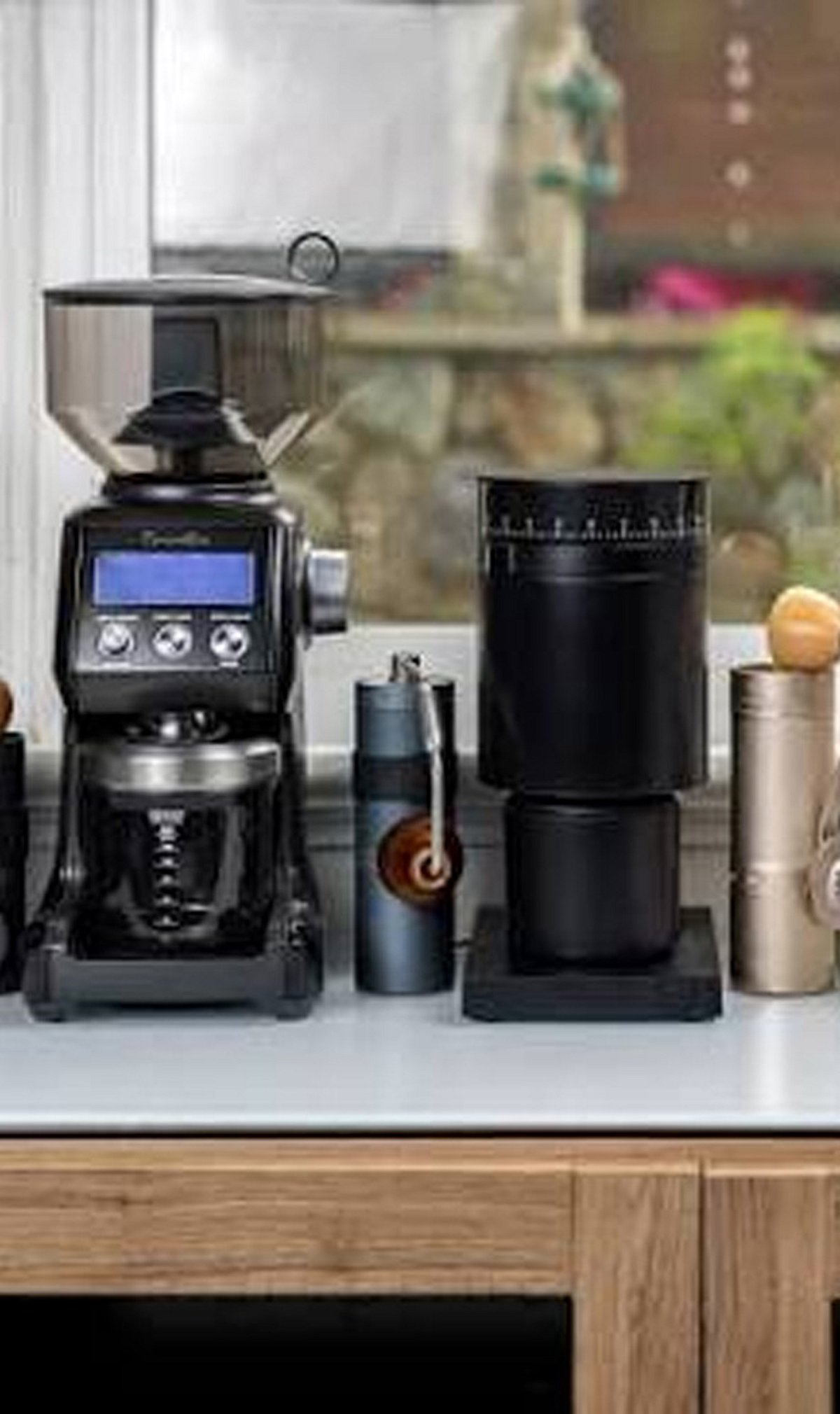
    • Black+Decker 12-Cup Coffee Maker: A reliable and affordable choice for everyday drip coffee lovers.
    • Keurig K-Express: Perfect for quick single-serve coffee with minimal effort.
    • Nespresso Vertuo Plus: Enjoy café-style coffee and espresso with convenient capsule brewing.
    • Breville Bambino Plus: A compact espresso machine offering impressive performance for home baristas.
    • De’Longhi Magnifica Evo: A fully automatic machine that delivers fresh espresso at the touch of a button.
    • Philips 3200 LatteGo: Known for easy milk frothing and simple maintenance.
    • Breville Barista Express Impress: Ideal for coffee enthusiasts who want grinder, espresso, and precision in one machine.
    • Jura E8: A premium automatic coffee machine offering exceptional coffee quality and customization.
  • Amazon Prime Day 2026: 72 Hours of Massive Deals on Electronics, Fashion, and Home Appliances

    Amazon Prime Day 2026: 72 Hours of Massive Deals on Electronics, Fashion, and Home Appliances

    Amazon Prime Day 2026 is set to run from July 4 to July 6, offering Prime members a full 72 hours of discounts across smartphones, electronics, fashion, home appliances, and everyday essentials. This year also marks ten years of Prime in India, and Amazon is celebrating with a dedicated set of 10th Anniversary Deals covering over 15,000 products and 300 brands.

    New members can join Prime at Rs. 999 per year—a flat Rs. 500 off the standard annual plan. Existing members get instant bank discounts of up to 10% on SBI and Axis Bank cards, while Amazon Pay ICICI Bank credit card holders earn unlimited 5% cashback.

    Smartphones and New Launches

    Smartphones are a major focus this year. The Samsung Galaxy S25 Ultra is available at Rs. 84,999—a Rs. 15,000 discount with 9-month No Cost EMI—and the OnePlus 13 starts at Rs. 49,999. New launches include the Samsung Galaxy M47 and the OnePlus N6, both designed for Indian consumers. Buyers can also avail exchange offers worth up to Rs. 66,000 and up to 12 months of No Cost EMI across the smartphone category.

    Electronics, TVs, and Laptops

    Discounts go up to 80% on accessories, wearables, and headphones, and up to 75% on cameras. Laptops and tablets are available at up to 40% off, with deals on Dell and other leading brands. Smart TVs from Samsung, Sony, and LG carry discounts up to 65%, while projectors go up to 70% off.

    Fashion, Beauty, and Home

    Fashion deals include a minimum 65% off on tops, T-shirts, and jeans, and at least 50% off on sports shoes and sneakers. Beauty and skincare essentials from L’Oreal, Lakmé, and Korean brands see discounts of 30% to 60%. Home appliances are available at up to 65% off, covering washing machines, refrigerators, air conditioners, and dishwashers from brands like LG, Samsung, and Bosch. Air conditioners start at Rs. 20,490 and microwaves from leading brands start at Rs. 4,990.

    AI-Powered Shopping and Fast Delivery

    Amazon’s AI tools, including Rufus and Lens AI, are integrated into the shopping experience to help users compare products, read reviews, and search visually. Amazon Now will also deliver groceries and essentials within minutes to eligible pin codes during the sale.

  • Top Kitchen Chimneys with Touch Control Panels for Indian Homes in 2026

    Top Kitchen Chimneys with Touch Control Panels for Indian Homes in 2026

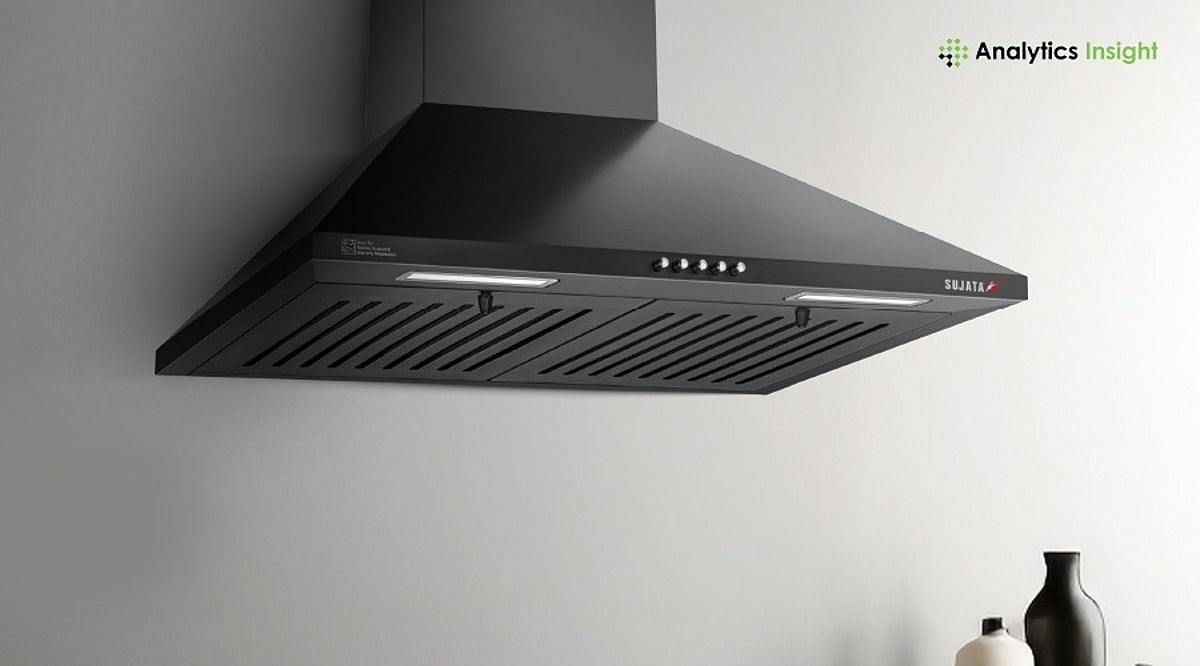
    A kitchen chimney quietly earns its worth every day by handling smoke, oil vapor, and cooking odors. Touch control panels have transformed how we interact with these appliances, replacing grease-prone mechanical buttons with clean, responsive surfaces. Most quality chimneys in India now come with touch panels as standard. The real question is which model delivers the best performance for your cooking habits and budget.

    What Indian Kitchens Actually Need

    Suction capacity between 1200 and 1500 m³/hr handles the heavy oil, whole spices, and high heat typical in Indian cooking. Higher suction rarely improves performance unless the kitchen is very large or the cooktop unusually wide. Auto-clean technology is worth prioritizing—it routes grease into a separate collector, keeping suction consistent and reducing manual maintenance. Filterless designs take this further by eliminating cassette filters entirely, leaving only occasional oil collector cleaning.

    Noise levels, LED lighting quality, warranty terms, and local service availability complete the decision. A chimney that performs well but has no nearby service support creates problems no spec sheet can solve.

    Best Kitchen Chimneys with Touch Control Panels

    Faber Hood Orient TC BK

    Faber remains a trusted brand in India. The curved glass design suits modern modular kitchens, the touch panel responds quickly, the auto-clean system manages grease efficiently, and suction handles daily Indian cooking without strain. Faber’s extensive after-sales network adds long-term peace of mind.

    Elica WDFL Touch Control Chimney

    Elica offers well-designed chimneys at competitive prices. The WDFL series uses a filterless system for simple maintenance, and the touch controls are clean and intuitive. The compact form fits standard modular kitchens. Noise increases at maximum speed, but for everyday cooking it performs reliably and quietly.

    Hindware Nadia Auto Clean Chimney

    Built for households that cook multiple heavy meals daily, the Hindware Nadia handles sustained smoke and grease loads without performance degradation. The auto-clean mechanism works consistently, the touch interface is simple, and build quality is solid. Professional installation is recommended for best results.

    Glen Auto Clean Touch Control Chimney

    Glen delivers dependable everyday performance at an accessible price. Touch controls are straightforward, the auto-clean system works reliably with regular use, and LED lighting keeps the cooktop well lit. It suits kitchens where a mix of vegetarian and non-vegetarian cooking happens daily. Buyers wanting quieter operation should explore Glen’s premium range.

    Whirlpool Curved Glass Touch Control Chimney

    Whirlpool combines a premium finish with reliable performance. The curved glass looks genuinely good in contemporary kitchens, and the touch panel responds well during cooking. Suction handles regular household cooking comfortably, and Whirlpool’s service infrastructure is well established across India. It sits at a higher price point, but build quality justifies the investment for full kitchen upgrades.

    Choosing the Right Model

    Match the chimney to your household’s cooking needs. Heavy daily cooking calls for stronger suction and a reliable auto-clean system. Compact kitchens benefit from sleeker curved glass models that perform without dominating the space. Wide cooktops need a chimney wide enough to cover the full surface to prevent smoke escape.

    Faber and Hindware suit demanding cooking needs. Elica offers the strongest value for low-maintenance buyers. Glen works well as a dependable mid-range choice. Whirlpool suits those who want performance and a premium finish in equal measure. Always verify installation dimensions, check warranty terms, and confirm service availability in your area before purchasing.

    Final Thoughts

    Choosing the best kitchen chimney with a touch control panel comes down to matching performance with your cooking habits. Prioritize reliable suction, auto-clean technology, and dependable after-sales support to ensure cleaner air, easier maintenance, and long-term value for your kitchen.

  • Bottom Freezer vs Top Freezer Refrigerators: Which Layout Suits Your Kitchen Best?

    Bottom Freezer vs Top Freezer Refrigerators: Which Layout Suits Your Kitchen Best?

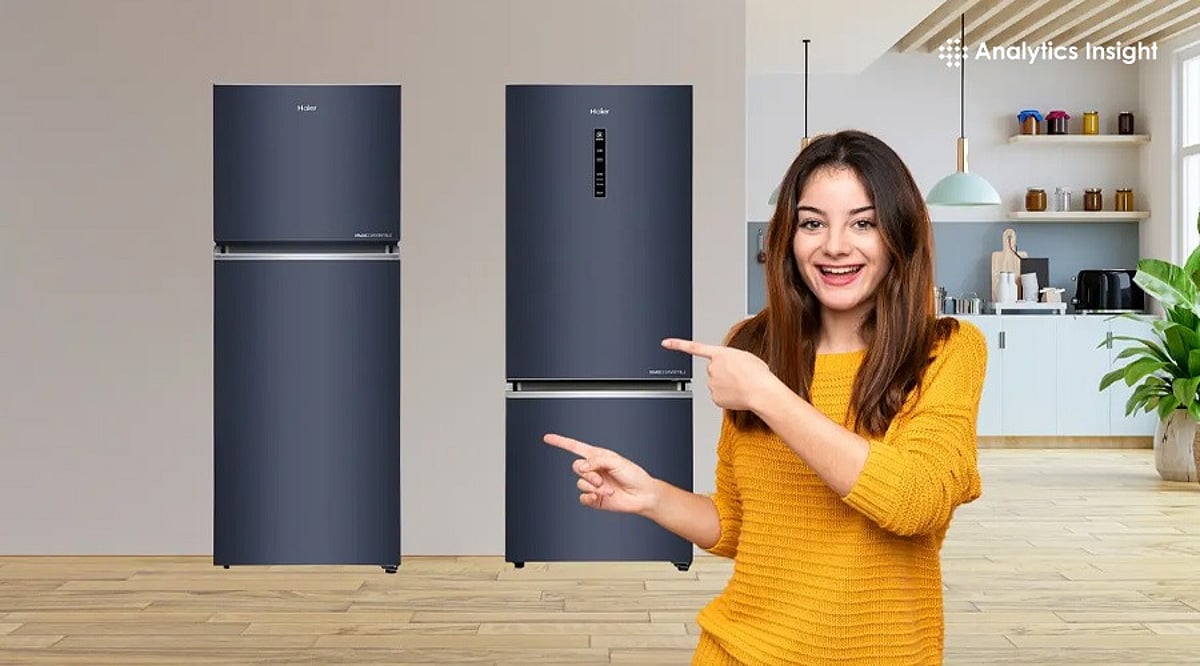
    Choosing between a bottom freezer and a top freezer refrigerator is about more than appearance. Freezer placement affects daily convenience and food organization, and the right layout depends on how your household shops, cooks, and stores groceries.

    Two Layouts, Two Different Priorities

    Top freezer refrigerators put frozen food at eye level and fresh food below. This arrangement is familiar to most households and works well for those who rely on frozen meals, stock up on bulk frozen goods, or prefer a straightforward design. The shelving is open, and large frozen packages fit without much effort.

    Bottom freezer refrigerators reverse that layout. Fresh food sits at eye level, making fruits, vegetables, dairy, leftovers, and drinks easily accessible without bending. For households that cook regularly and access the refrigerator section constantly throughout the day, that single ergonomic shift matters more than any feature on the product label.

    The choice is not about which design is superior, but which one fits how your household actually uses food.

    Storage That Matches How You Cook

    Neither layout organizes food better in an absolute sense. They organize it differently, and the right system depends on your habits.

    Top freezer models use open shelves in the freezer compartment, making it easy to see everything at once and stack large packages without rearranging. The refrigerator section follows a shelf arrangement that most people can navigate without thinking.

    Bottom freezer refrigerators typically use pull-out drawers with divided sections. This works well for separating proteins, vegetables, prepared meals, and frozen desserts without creating a cluttered pile. Large frozen items can occasionally be harder to fit in drawer-based systems than on open shelves, which is worth considering for households that buy in bulk.

    The Energy Efficiency Question

    Freezer location plays a smaller role in energy consumption than most buyers assume. Compressor quality, insulation thickness, and temperature management systems matter far more. Top freezer refrigerators have historically performed well on energy consumption, partly because of their simpler construction and airflow design.

    Today, that efficiency gap is much smaller. Modern bottom freezer models with inverter compressors and improved insulation now perform comparably in most real-world conditions. When evaluating running costs, Energy Star certifications and published energy ratings give a more accurate picture than freezer placement alone.

    What the Price Difference Actually Reflects

    Top freezer refrigerators cost less, and the gap is real. Their simpler engineering and fewer specialized components keep purchase prices down. For buyers who want reliable, no-fuss performance without a high upfront investment, they remain one of the strongest value options available.

    Bottom freezer refrigerators carry a higher price, and most of that premium reflects the pull-out drawer system and ergonomic layout rather than better cooling technology. The additional cost buys convenience, not superior refrigeration.

    Matching the Refrigerator to Your Life

    Households that cook frequently and access fresh food throughout the day are likely to appreciate a bottom freezer layout. Households that prioritize frozen food storage, prefer a familiar design, or are working within a tighter budget often find top freezer models more practical and comfortable over the long term.

    Which Refrigerator Fits You?

    The debate between bottom-freezer and top-freezer refrigerators is not about one design replacing the other. Both have earned their place in kitchens for sound reasons. Bottom freezer models reduce the physical effort of daily cooking. Top freezer models offer simplicity, reliability, and honest value. Understanding how your household shops, stores, and prepares food is a more reliable guide than comparing specifications alone.

    There is no universally better refrigerator layout. Bottom freezer and top freezer designs solve different problems. The right choice depends on your everyday habits, accessibility needs, and budget.

  • Top IFB Washing Machines Under Rs. 30,000: Best Picks for Every Household

    Top IFB Washing Machines Under Rs. 30,000: Best Picks for Every Household

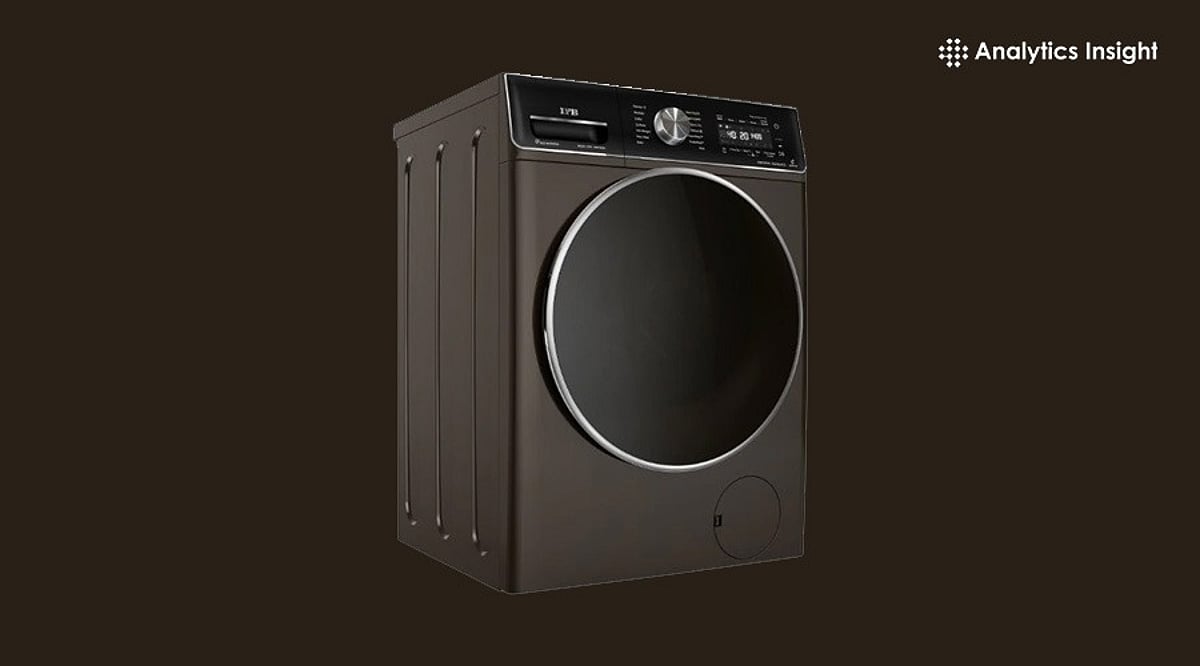
    IFB offers several washing machines under Rs. 30,000 with features designed for different types of users. From compact households to larger families, there is a model for every requirement. Comparing them carefully helps you find the best value.

    Why Rs. 30,000 is a Sweet Spot for IFB Washing Machines

    Buyers at this price point do not have to give up the features that make a genuine difference. IFB washing machines under Rs. 30,000 regularly include inverter motors, multiple wash programs, hard water treatment, and energy-efficient operation as standard rather than as upgrades. The goal of this budget is straightforward: find a model that handles your actual laundry load consistently without paying for features your household will never use.

    Quick Comparison

    Best Overall: TL801MG1ID

    TL801MG1ID earns the top spot by doing the things that matter most, consistently and without fuss. At 8 kg, it handles a typical family’s weekly laundry without requiring repeat cycles. Wash performance stays reliable across fabric types, from everyday cotton to heavier loads. IFB’s service network adds confidence that most brands at this price cannot match, and the warranty terms hold up well in this segment.

    Best Front Load Option: IFB Diva GXN 6010

    Front-loaders ask for more patience per cycle and return better fabric care over time. The IFB Diva GXN 6010 suits couples and smaller households that prioritise gentle washing, lower water consumption, and reduced running costs over speed and simplicity. For households where fabric longevity and energy costs matter more than quick turnaround, the Diva GXN 6010 makes a strong case at its price.

    Best Top Load for Families: IFB TL900NB2S

    Large households need a machine that keeps pace without constant reruns. The IFB TL900NB2S handles 9 kg per cycle, cutting the number of loads needed each week and reducing the time spent managing laundry across busy days. For households regularly washing for four or more people, getting the capacity right from the start saves more frustration than any individual feature ever could.

    Best Budget Pick: IFB TL701AG1

    Value for money is not the same as the lowest price. The IFB TL701AG1 costs less than most models in this comparison and earns its place here by delivering dependable everyday performance rather than simply undercutting the competition. At 7 kg, it suits small families and households that wash regularly without dealing with heavy or oversized loads.

    Which Capacity Should You Choose?

    Capacity shapes your daily laundry routine more than any other single decision. Getting it wrong costs time every week for as long as you own the machine. A 6 kg machine suits singles and couples with manageable weekly loads. A 7 kg machine works well for small families of three. An 8 kg machine handles the needs of most households. A 9 kg machine is built for large families that wash regularly and in volume. Choose the load your household actually generates.

    What Actually Matters More Than Specifications

    Specification sheets can send buyers in the wrong direction. The factors that hold up over time are less exciting and more important: capacity, machine type (front load vs. top load), hard water compatibility, energy ratings, service network, and warranty terms. Settle these questions first before comparing spin speeds or program counts.

    Final Thoughts

    The best IFB washing machine under Rs. 30,000 is not the one with the most programs or the highest spin speed. It is the one that fits how your household actually does laundry. Getting that match right from the start delivers better value over five years than buying the most expensive model in the range and hoping the extra specifications justify themselves over time.

    Frequently Asked Questions

    1. Which is the best IFB washing machine under Rs. 30,000? The best model depends on your household size and laundry habits. Compare capacity, wash programs, energy efficiency, and machine type.
    2. Is a front-load IFB washing machine worth buying under Rs. 30,000? Yes. IFB offers front-load models in this price range with better fabric care and water efficiency.
    3. What capacity IFB washing machine should I choose? A 6–7 kg model for singles or couples, 8 kg for most families, and 9 kg for large households.
    4. Are IFB washing machines energy efficient? Most include inverter technology and efficient designs. Check the energy rating before purchase.
    5. Which features matter most? Capacity, machine type, inverter motor, wash programs, hard water compatibility, warranty, and after-sales service are most important.
  • Best Garment Steamers Under Rs 5000 in India for 2026: Top Picks and Buying Guide

    Best Garment Steamers Under Rs 5000 in India for 2026: Top Picks and Buying Guide

    Overview

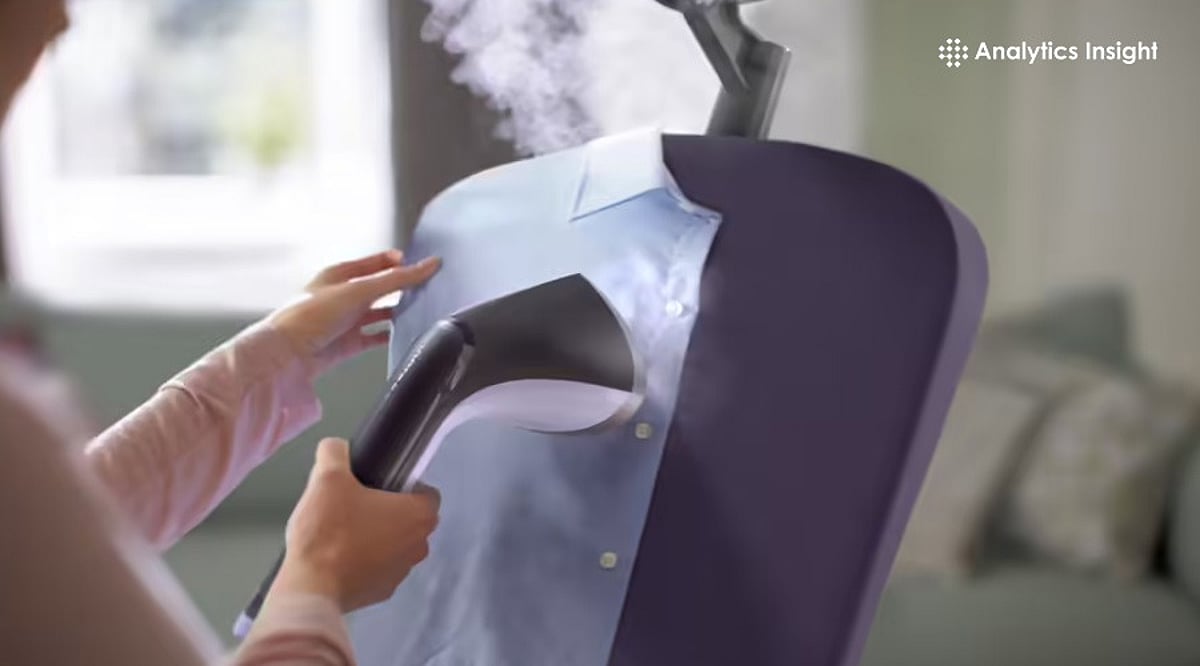
    India’s sub-Rs. 5000 garment steamer segment has shifted from brand loyalty to genuine spec competition, with Inalsa, Agaro, and USHA now matching or beating Philips on tank size and steam output. Six current models, each compared on wattage, tank capacity, and street price rather than printed MRP, cover nearly every household routine in this price band. A simple framework ties steamer type to routine: compact handhelds for quick touch-ups, larger tanks for full wardrobe sessions, and gentler settings for silk and embroidered fabric.

    What Rs. 5000 Actually Buys

    Three numbers separate a steamer worth buying from one that only looks good on a shelf. A wattage between 1200W and 1700W handles cotton and linen cleanly, while anything under 1000W struggles with heavier weaves. Tank size sets how long a session lasts: 100ml gives 5 to 8 minutes of steam, enough for two shirts, while 300ml to 340ml stretches past 12 minutes and covers five or six garments. Heat-up time matters most on rushed mornings, and the better models in this range warm up in 20 to 45 seconds. Auto shut-off and boil-dry protection round out the list, separating appliances built for daily use from ones built only to hit a price point.

    Top Picks Compared

    Philips STH3000/20

    Philips’ compact handheld remains the most recognised name in the segment, backed by wide service support across Indian cities. Its 1000W motor and 100ml tank are suited to one or two garments at a time, with a 30-second heat-up that favors speed over capacity. Price: Rs. 2,800 to Rs. 3,500.

    Agaro Signify

    Agaro’s Signify pairs a 1500W motor with a 260ml tank and a ceramic steam nozzle, giving it more raw capacity than the Philips entry model at a lower street price. Vertical and horizontal steaming cover hanging garments and flat touch-ups alike. Price: Rs. 2,100 to Rs. 2,200 on current offers.

    Inalsa Cosicosy

    The Cosicosy carries the largest tank of any handheld in this group at 340 ml, enough for five to six garments before a refill. Its 1600W motor and 25g/min steam output handle cotton and linen comfortably, and dry boiling protection adds a safety margin for daily use. Price: around Rs. 2,300 on Amazon.

    USHA Techne Direct 2000

    USHA’s Techne Direct 2000 matches the Inalsa on power, with 1600W and 28 g/min output, and a 320 ml tank that lands just below it. Auto shut-off after 20 minutes adds peace of mind for households that tend to forget appliances running. Price: Rs. 3,100 to Rs. 4,990, depending on ongoing offers.

    Hamilton Beach Professional

    This is the most powerful handheld on the list at 1740W, with a turbo mode built for stubborn creases and a 300ml tank that covers a full session. The printed MRP of Rs. 6,999 is misleading on its own, since the steamer typically sells for Rs. 2,500 to Rs. 3,500 online. Buying at the discounted price, not the sticker price, is what makes this one a budget pick.

    Morphy Richards Steam Elite

    Morphy Richards’ handheld model runs at 1200W with an 18g/min output and a 25-second heat-up, among the fastest in this group. Its 110 ml tank is the smallest here relative to price, so it suits quick single-garment sessions better than a full wardrobe routine. Price: Rs. 3,400 to Rs. 4,500.

    What a Budget Steamer Won’t Do

    A budget steamer has limits worth knowing before checkout. Thick denim, heavy upholstery fabric, and multi-layered formal suits still come out sharper with a flat iron. Tanks under 150ml run dry after two or three garments, so a full wardrobe session often needs a midway refill. None of these models replaces a standing steamer for households running through ten or more garments a day; that job calls for a higher tier with a built-in hanger and a tank above 800ml. Inside those boundaries, a budget steamer still covers the bulk of everyday wear: shirts, kurtas, sarees, dresses, and curtains.

    Matching the Steamer to the Wardrobe

    The right pick depends less on brand and more on routine. Someone steaming one or two garments before heading out gets more value from a compact, fast-heating model like the Philips STH3000/20 than from raw tank capacity. A household working through five or more garments most days benefits from the Inalsa Cosicosy or USHA Techne Direct 2000, where the larger tank means fewer refills. Silk sarees and embroidered fabric respond better to a steamer with an adjustable head and a gentler default setting than to the highest wattage on the shelf. Frequent travelers tend to favor the lightest, most foldable option, even if that means trading down on tank size.

    Where the Segment is Headed

    This shift toward feature parity at lower prices looks set to continue. As more Indian brands manufacture locally and compete directly with imported names, the gap between a Rs. 2,000 steamer and a Rs. 5,000 one keeps narrowing on paper specifications, even as service support and build longevity remain the real differentiators. For buyers, the smartest move is comparing actual numbers rather than assuming that a premium price guarantees premium performance.

    The Buying Framework

    Three simple questions settle most purchases in this category. Quick daily touch-ups for one or two garments call for a compact, fast-heating handheld such as the Philips STH3000/20. A fuller wardrobe routine calls for the largest tank on offer, currently the Inalsa Cosicosy at 340ml. Stubborn creases and heavier cotton call for a high-wattage pick like the Hamilton Beach Professional, bought at its street price rather than its printed MRP. Matching the steamer to the routine, not the name on the box, is what turns a sub-Rs. 5000 purchase into a good one.

    Final Thought

    Budget garment steamers have become far more capable with improving technology. The best choice is the one that matches your wardrobe and routine. Focus on real performance, tank capacity, and steam output instead of relying on brand names or inflated MRPs.

    FAQ’s

    1. Which is the best garment steamer under Rs. 5000 in India in 2026? The best garment steamer depends on your needs. Brands such as Philips, Agaro, Hamilton Beach, and Morphy Richards offer reliable handheld and compact models with fast heat-up times, good steam output, and practical safety features within this budget.
    2. Are handheld garment steamers better than traditional irons? Handheld garment steamers are ideal for quick wrinkle removal, delicate fabrics, and vertical steaming. However, traditional irons are better for creating sharp creases and handling heavy fabrics like denim or thick cotton.
    3. What features should I look for in a budget garment steamer? Prioritize fast heat-up time, adequate water tank capacity, consistent steam output, vertical steaming support, automatic shut-off, boil-dry protection, and a lightweight design for comfortable everyday use.
    4. Can a garment steamer be used on all types of fabrics? Most garment steamers are safe for fabrics such as cotton, linen, silk, polyester, rayon, and wool when used according to the manufacturer’s instructions. Always check the garment care label before steaming delicate materials.
    5. Is a garment steamer under Rs. 5000 suitable for everyday home use? Yes. Most garment steamers in this price range are designed for daily touch-ups, office wear, dresses, sarees, and light household use. They offer a practical balance of affordability, convenience, and performance for regular clothing care.

  • IFB vs LG Washing Machines: A Comprehensive 2026 Comparison for Indian Homes

    IFB vs LG Washing Machines: A Comprehensive 2026 Comparison for Indian Homes

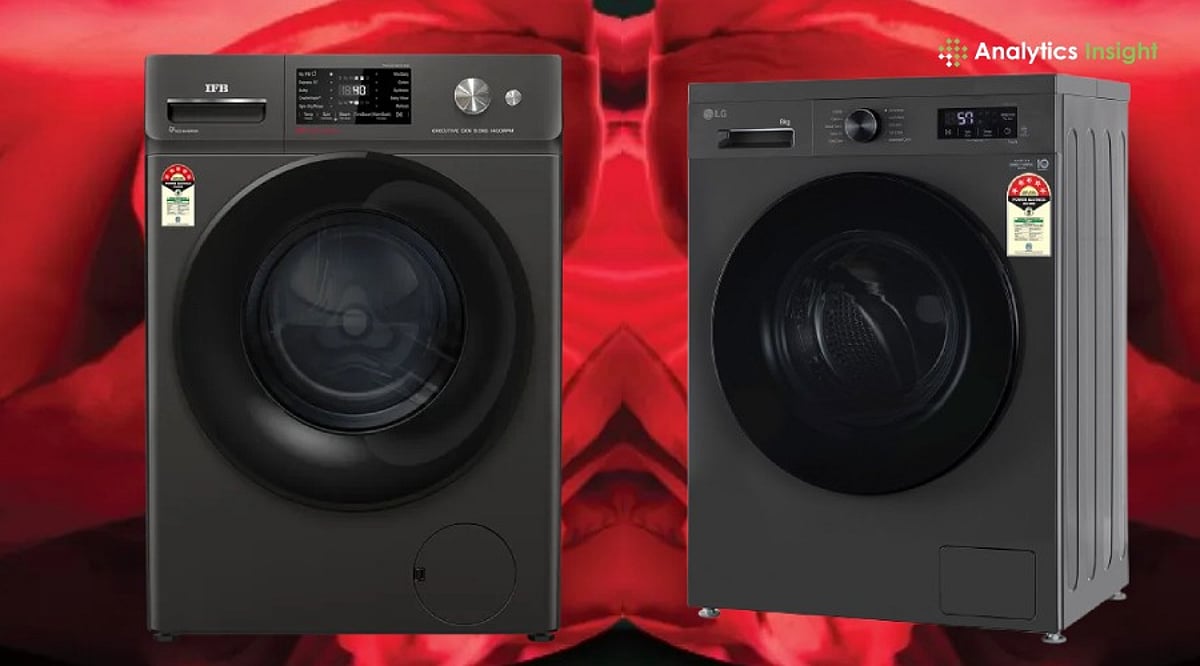
    Choosing between IFB and LG washing machines depends on your priorities. LG offers smart connectivity, AI-driven features, and low-noise operation, while IFB stands out with superior fabric care, hard-water compatibility, and deep-cleaning performance.

    Purchasing a washing machine can be intimidating, with several models delivering impressive performances and similar specifications. IFB and LG are two leading brands in the home electronics market that offer the best washing machines. Although they serve rather distinct purposes, both companies are renowned for their dependability, effectiveness, and top-notch technology.

    While LG prioritizes silent operation and smart technology, IFB specializes in hard water and intensive usage. To help you make the best choice for your needs, here is a detailed analysis of the two models.

    IFB vs LG Washing Machines

    IFB and LG washing machines provide cutting-edge technology, strong build, and reliable performance for Indian homes. Their advantages, however, vary slightly in terms of features and cost. Here’s a quick overview of how these two brands compare.

    Which One Should You Buy: LG or IFB?

    LG machines are the right choice if you want:

    • Long-lasting motor efficiency with low vibration and noise.
    • Smart controls that can help in monitoring and instant troubleshooting via the ThinQ application.
    • Reliable washing with after-sales service.

    You can depend on IFB machines if you prioritize:

    • High-quality wash with advanced features such as EcoBubble or Hygiene Steam.
    • Fast washes, simple design, and economical water usage.
    • Smart control through AI-based apps.

    Best Picks

    LG Washing Machines

    LG Smart Choice 9 Kg Front-Load Washing Machine: Rs. 41,999. LG Smart Choice is a 9 kg washing machine with AI Direct Drive Technology, Steam Wash, and 6 Motion DD. It is a great option for large families. The washing machine is easy to control with built-in Wi-Fi technology. It is designed for efficient operation and has a 5-star energy rating.

    LG 8 Kg Front-Load Washing Machine: Rs. 37,490. The LG 8 kg washing machine offers automatic features and latest technologies such as Direct Drive Technology, Steam Wash, and 6 Motion DD to provide effective cleaning. This washing machine ensures ease of use and efficiency with Wi-Fi access, a built-in heater, Allergy Care technology, and a touch panel.

    IFB Washing Machines

    IFB 7 Kg 5-Star Front-Load Washing Machine: Rs. 30,990. IFB’s front-load washing machine offers a fully automatic experience with DeepClean Technology and a 7 kg capacity. This washing machine has a 5-star rating, is certified for best-in-class energy efficiency, and comes with a 4-year comprehensive warranty. It runs at a 1200 RPM spin speed and provides 22 wash programs in the IFB app.

    IFB 6 Kg 5-Star Front-Load Washing Machine: Rs. 25,490. IFB Diva is a fully-automatic washing machine with DeepClean Technology and a capacity of 6 Kg. It offers a high spin speed of 1000 RPM, 11 wash programs in the IFB app, and a unique crescent-moon drum design that creates a protective water cushion to prevent damage.

    Final Takeaway

    LG and IFB have been ranked among the top brands of front-load washing machines in India because they are reliable and unique. LG is known for its AI integration, connectivity, quiet operation, and ease of use. This brand suits people looking for contemporary products for their homes. IFB is more suitable for people who want a high-quality wash, fabric care, and durability. Buying the best product comes down to the users’ needs.

    FAQs

    Q1. Which is better, LG or IFB washing machines in 2026?
    Both brands offer excellent performance. LG is better for smart features and quiet operation, while IFB stands out for superior wash quality, fabric care, and hard-water compatibility.

    Q2. Are LG washing machines more energy-efficient than IFB models?
    LG’s Inverter Direct Drive technology helps reduce electricity consumption and noise. However, many IFB models also carry 5-star ratings and are designed for efficient power usage.

    Q3. Which brand offers better smart features, LG or IFB?
    LG has an edge with its ThinQ app, enabling remote control, diagnostics, and cycle customization. IFB also offers app-based features, but on fewer models.

    Q4. Is IFB a good choice for homes with hard water?
    Yes, IFB washing machines feature technologies such as Aqua Energie and DeepClean that enhance washing performance and help protect clothes in hard-water environments.

    Q5. Which brand provides better after-sales service in India?
    Both brands have strong service networks. LG is often praised for quicker spare-part availability, while IFB is recognized for reliable customer support and maintenance services.

  • Top Steam Irons for 2026: Expert-Approved Models for Fast, Wrinkle-Free Results

    Top Steam Irons for 2026: Expert-Approved Models for Fast, Wrinkle-Free Results

    A quality steam iron transforms a tedious household chore into a quick, effortless task. Whether you’re preparing for work, ironing school uniforms, or sprucing up clothes for a special event, the right iron eliminates wrinkles faster and leaves fabrics looking crisp and neat.

    Overview

    • Steam irons remove wrinkles quickly for a polished appearance.
    • Wattage, steam output, and soleplate quality are key performance factors.
    • The best model depends on your budget, ironing frequency, and fabric preferences.

    Ironing might not be the most exciting chore, but it’s unavoidable for most households. A well-pressed shirt creates a strong impression, while a sluggish iron that takes ages to heat up makes the job frustrating. The right steam iron glides smoothly, removes creases in fewer strokes, and turns ironing into a less daunting task.

    With popular brands like Philips, Havells, Bajaj, Usha, Hamilton Beach, and Morphy Richards on the market, choosing the right one can be overwhelming. Some models focus on affordability, while others prioritize strong steam output and rapid heating for frequent use. To simplify your decision, our team tested multiple best-selling models. Below are the top picks worth your investment.

    Best Steam Irons in 2026 Compared

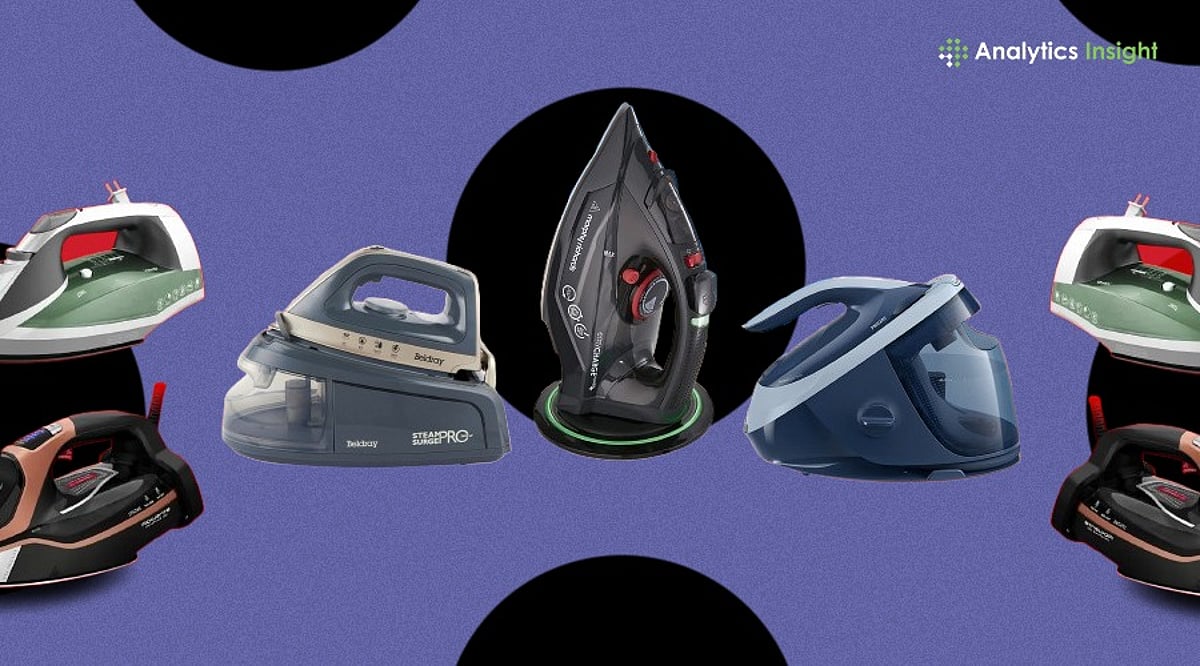
    Modern steam irons use heat and moisture to remove wrinkles while treating fabrics with care. Here are our top recommendations:

    Modern steam irons typically range from 1250W to 2200W. Higher wattage means faster heat-up, which is especially useful for thick fabrics like denim, cotton shirts, or curtains. However, if you iron only once or twice a week, a 1250W or 1300W model is sufficient. For daily ironing, a more powerful iron is a better investment.

    Price is also a major factor. Budget-conscious shoppers will find solid options from Bajaj, Havells, and Usha that deliver reliable performance without breaking the bank.

    Top Model Recommendations

    Philips Speed Pro DST3020/30 – Our Top Pick

    This model stands out with 2200W power that heats up quickly, saving time. The ceramic soleplate glides smoothly over fabrics without scorching, and the impressive steam output eliminates deep wrinkles from shirts, trousers, and heavy garments. Ideal for regular home use.

    Morphy Richards Super Glide 2000W – Best Value

    An excellent performer at an affordable price. It heats up quickly and handles stubborn creases in fewer strokes. The comfortable grip makes long ironing sessions less tiring.

    For budget-conscious buyers, the Havells Glaze and Bajaj MX 3 Neo are also great options. They offer dependable performance for light to moderate use, though they lack the raw power of premium models.

    Final Thoughts

    A steam iron may seem like a simple appliance, but the right one makes a noticeable difference. Faster heating, better steam output, and smooth gliding turn a time-consuming chore into an easy task. Consider how often you iron, your most-used fabrics, and your budget before buying. A well-chosen steam iron keeps your wardrobe looking sharp every day.

    Frequently Asked Questions

    Which steam iron is best for everyday home use?

    The Philips Speed Pro DST3020/30 is an excellent choice, offering strong steam output, fast heating, and smooth ironing across various fabrics.

    Does higher wattage make a steam iron better?

    Higher wattage heats up faster and produces stronger steam, which improves ironing speed, especially for thick or heavily wrinkled fabrics.

    Which steam iron is best for budget buyers?

    The Bajaj MX 3 Neo and Havells Glaze offer good value with dependable performance, useful steam functions, and enough power for regular use.

    How often should a steam iron be cleaned?

    Clean your steam iron every few weeks to prevent mineral buildup and maintain consistent steam performance. Frequency depends on water quality and usage.

    Which steam iron works best for thick fabrics?

    The Philips Speed Pro DST3020/30 and Morphy Richards Super Glide 2000W perform exceptionally well on thick fabrics due to their powerful steam output and higher wattage.