Tag: home audio

  • Lumio Aura 5 Bookshelf Speakers Launch in India: Price, Specs, and Availability

    Lumio Aura 5 Bookshelf Speakers Launch in India: Price, Specs, and Availability

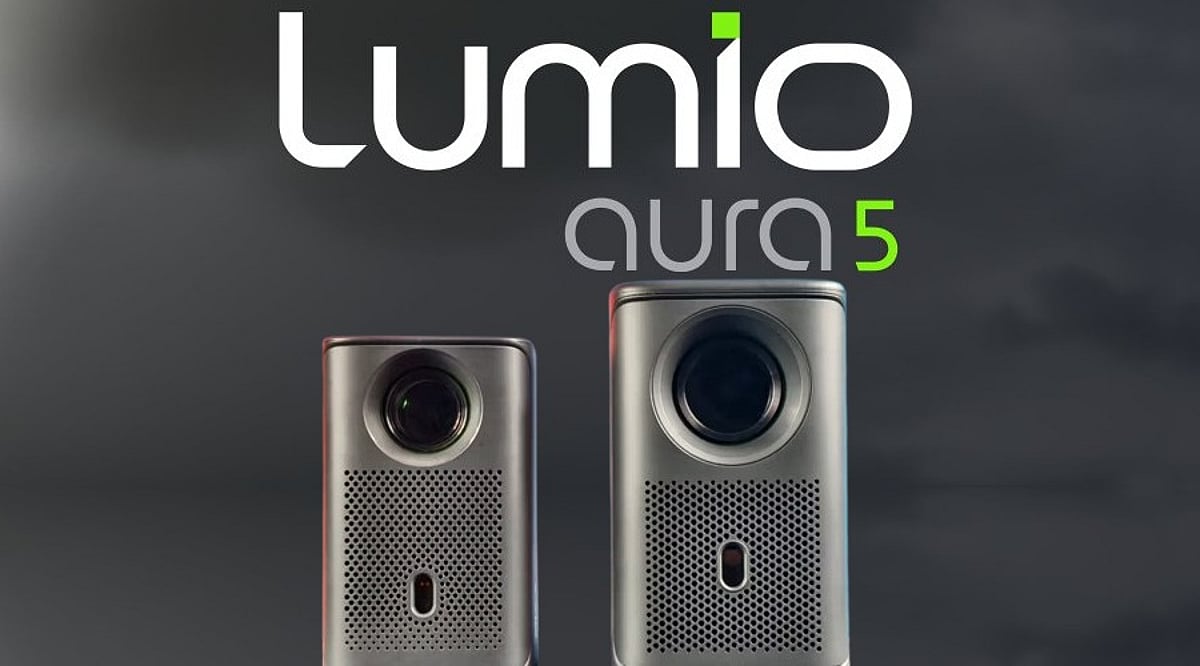
    Lumio has officially launched the Aura 5 active bookshelf speakers in India, priced at Rs. 24,999. The company is targeting home entertainment and desktop audio enthusiasts with this stereo speaker pair. During the introductory period, customers can purchase the Aura 5 at a special price of Rs. 19,999. The speakers will be available on Amazon starting October 15 during the Great Indian Festival.

    Build and Audio Performance

    The Lumio Aura 5 features dual 4.5-inch aluminum woofers and dual 1-inch silk dome tweeters. Its internal amplifier delivers 100W RMS power and 200W peak output, capable of producing a sustained 105dB SPL at one meter. The frequency response ranges from 35Hz to 20kHz with less than 1% total harmonic distortion (THD).

    Sound Modes and Connectivity

    Lumio has integrated three DGS Audio Tuning modes for different listening preferences:

    • Studio – Neutral presentation for music and vocals
    • Cinema – Enhanced dialogue and spatial effects for movies
    • Groove – Emphasized low frequencies for rhythm-heavy content

    Connectivity options are extensive, including HDMI ARC with HDMI-CEC, optical, coaxial, AUX, and USB inputs. Bluetooth 5.4 enables wireless playback, and USB playback supports PC audio and select music files.

    Included Accessories and App

    The package includes the Lumio Minion OLED Bluetooth remote with a built-in display. Physical bass, treble, and volume controls are located on the primary speaker. Lumio also plans to release an Aura companion app for Android and iOS devices.

    Warranty and Service

    The Aura 5 comes with a one-year comprehensive warranty, while the remote is covered for six months. Lumio will provide home service through its authorized service network.

    Market Positioning

    Raghu Reddy, CEO of Circuit House Technologies, stated: “With Aura 5, we wanted to bring back what soundbars and Bluetooth speakers gave up in the name of convenience: real fidelity.” The Rs. 19,999 introductory price places the Lumio Aura 5 in a competitive home audio segment, offering physical left-right stereo separation for both music and television use.

  • AI vs Smart Speakers: How Generative AI Is Revolutionizing Home Audio

    AI vs Smart Speakers: How Generative AI Is Revolutionizing Home Audio

    Introduction

    Smart speakers have long served as convenient voice-controlled home assistants. They play music, answer questions, set alarms, and control connected devices. But the latest generation is moving beyond those basic commands. Generative AI is transforming how speakers understand conversations and follow instructions. Google’s Gemini for Home and Amazon’s Alexa+ represent this shift, making interactions more natural and capable.

    What Makes an AI Speaker Different

    Traditional smart speakers typically depend on predefined commands. Users often need to phrase requests in specific ways. AI-powered speakers are designed to understand more natural conversations. Google’s Gemini for Home supports follow-up questions and multi-step requests, allowing users to combine several actions within one conversation. The system maintains context, making the speaker feel less like a remote control and more like a conversational partner. However, not every AI-enabled speaker offers the same capabilities, so buyers should check specific features.

    From Voice Commands to Natural Conversations

    The biggest change is conversational interaction. Traditional assistants work best with short, direct instructions. Newer AI assistants handle longer requests and follow-up questions. According to Google, Gemini for Home can understand complex, multi-step commands and combine media controls with smart-home actions. Amazon’s Alexa+ takes a similar direction, described as a more conversational assistant powered by generative AI. It helps with shopping, smart-home control, recommendations, and other activities. For users, the practical benefit is simpler interaction—focus on the task instead of remembering exact commands.

    Smart Home Control Is Becoming More Intelligent

    Smart speakers are increasingly control centers for connected homes. Lights, thermostats, cameras, locks, and entertainment systems can be managed through voice. AI adds another layer to these controls. Gemini for Home can handle multiple smart-home actions within a single request and search camera history using natural language. Google also started rolling out Home MCP in early access, allowing selected external AI agents to interact with Google Home devices. This points toward more flexible AI-powered home automation, but security remains important—users should understand which services can access home devices.

    Audio Quality Still Matters

    Smarter software does not automatically produce better sound. A speaker remains an audio product first. Buyers should consider room size, speaker placement, bass response, clarity, and multi-room support. Music listeners may care more about acoustic performance than advanced assistant features. The latest Google Home Speaker combines Gemini features with 360-degree audio, while Amazon’s ecosystem includes models for different room sizes and audio needs. The best choice depends on both sound quality and assistant capabilities.

    Privacy and Subscription Costs Need Attention

    AI-powered speakers process more complex requests, raising questions about recordings, personalization, and data access. Users should review microphone controls and privacy settings before enabling advanced features. They should also check whether important AI functions require a subscription. Google’s Gemini for Home offers additional capabilities through Google Home Premium, and Alexa+ has different access arrangements depending on market and subscription status. These costs can change the value of an otherwise attractive speaker.

    Which Speaker Should You Choose?

    A traditional smart speaker can still handle basic tasks like music playback, timers, weather updates, and simple home controls. An AI speaker makes more sense for users who want richer conversations, multi-step commands, and contextual responses. The decision should also consider your existing ecosystem: Android users may prefer Google Home integration, while Alexa users may already have compatible devices. The smart speaker is not disappearing—it is becoming more capable. The real upgrade is the intelligence behind the microphone, not simply the speaker itself.

    Frequently Asked Questions

    What is the difference between a smart speaker and an AI speaker?

    A traditional smart speaker handles predefined voice commands and basic home tasks. An AI speaker uses more advanced generative AI to understand conversational requests, handle follow-up questions, and process more complex instructions. Exact capabilities vary between products and services.

    What is Gemini for Home?

    Gemini for Home is Google’s AI-powered assistant experience for compatible Google Home devices. It supports follow-up questions, multi-step requests, and certain smart-home actions through natural language.

    What is Alexa+?

    Alexa+ is Amazon’s conversational AI assistant experience using generative AI. It expands what Alexa can understand and accomplish, including smart-home control, shopping, recommendations, and other everyday tasks. Availability varies by market.

    Can AI speakers control multiple smart-home devices?

    Yes, AI-powered speakers can support more complex smart-home requests. Gemini for Home can handle multiple actions within a single request, but compatibility still depends on the devices and ecosystem involved.

    Does an AI speaker provide better sound quality?

    Not necessarily. AI capabilities and audio performance are separate considerations. Buyers should examine room size, speaker placement, bass response, clarity, and multi-room support. Music listeners may prioritize acoustic performance over advanced AI features.

  • Bose Lifestyle Ultra Soundbar Review: Premium Home Audio with Dolby Atmos and Smart Connectivity

    Bose Lifestyle Ultra Soundbar Review: Premium Home Audio with Dolby Atmos and Smart Connectivity

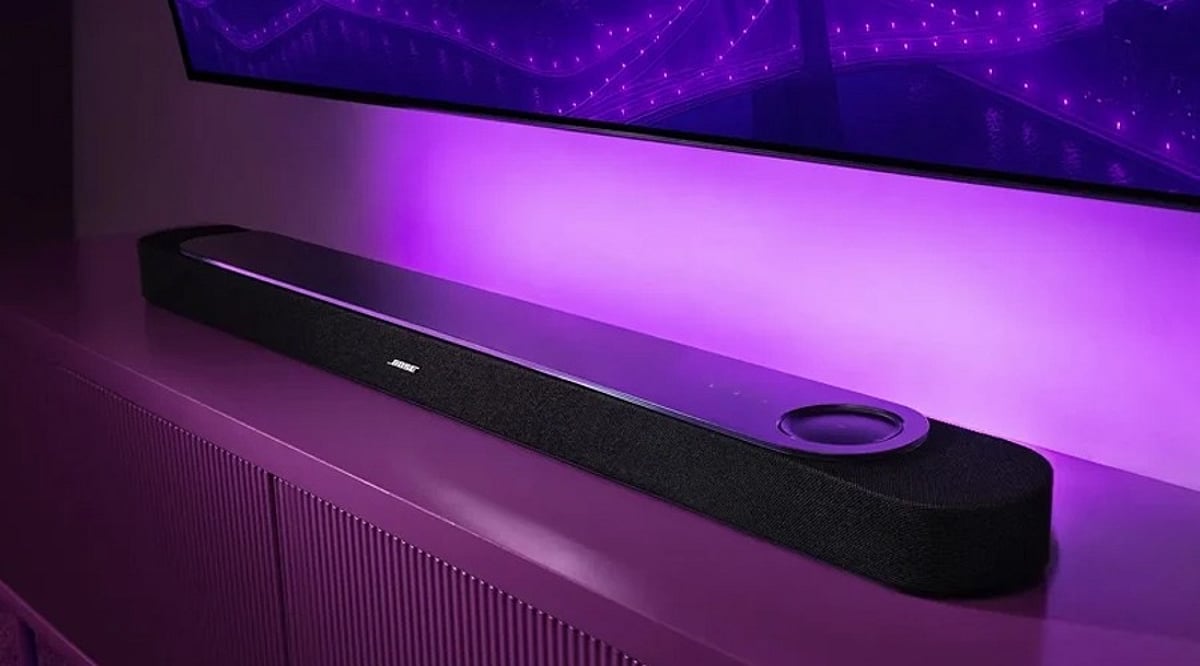
    The Bose Lifestyle Ultra Soundbar is a high-end home audio system designed for users who prioritize clear dialogue, immersive movie soundtracks, and musical performances in an elegant form factor. It features a 5.1.2-channel speaker configuration, Dolby Atmos support, Bose SpeechClarity and TrueSpace technologies, and CustomTune room calibration. Connectivity options include Apple AirPlay 2, Google Cast, Spotify Connect, Bluetooth 5.3, and Wi-Fi. The glass top and touch controls offer a more refined experience than the earlier Smart Ultra. While priced at a premium, its outstanding speech clarity and versatile connectivity make it a strong contender for a single-unit soundbar.

    General Specifications

    • Speaker System: 5.1.2 channels
    • Audio Technologies: Dolby Atmos, SpeechClarity, TrueSpace by Bose, CustomTune room calibration
    • Connectivity: Apple AirPlay 2, Google Cast, Spotify Connect, Bluetooth 5.3, Wi-Fi
    • Design: Glass top with touch controls

    Pros and Cons

    Pros

    • Exceptional dialogue clarity with SpeechClarity
    • Immersive Dolby Atmos with height channels
    • Easy room calibration via CustomTune
    • Wide connectivity options (AirPlay 2, Google Cast, Spotify Connect, Bluetooth, Wi-Fi)
    • Elegant glass-top design with convenient touch controls

    Cons

    • High price point
    • Mobile app and multi-room ecosystem lag behind competitors
    • Subwoofer sold separately, adding to cost

    Final Verdict

    The Bose Lifestyle Ultra Soundbar is an excellent choice for those seeking premium audio with crystal-clear dialogue and rich music playback. Its Dolby Atmos and height channels create an immersive experience, and CustomTune simplifies room calibration. Connectivity is top-notch with AirPlay 2, Google Cast, Spotify Connect, Bluetooth, and Wi-Fi. However, the Bose mobile app and multi-room capabilities are weaker compared to rivals, and the lack of an included subwoofer means additional expense. Overall, it is a superb single-unit soundbar for discerning listeners.

  • Sonos 27 Update Integrates ChatGPT and Claude AI for Smarter Home Audio Control

    Sonos 27 Update Integrates ChatGPT and Claude AI for Smarter Home Audio Control

    Sonos has begun rolling out Sonos 27, a major system update that brings artificial intelligence tools and enhanced flexibility to its speaker lineup. Available now on iPhone, Android, and compatible Sonos speakers, the update introduces Model Context Protocol (MCP) support, enabling AI services like ChatGPT and Claude to interact directly with the audio system.

    With Sonos 27, users can control playback, group speakers, adjust volume, move audio between rooms, and activate features like Night Sound and Speech Enhancement—all through natural language commands via ChatGPT or Claude. This eliminates the need to open the Sonos app for routine tasks.

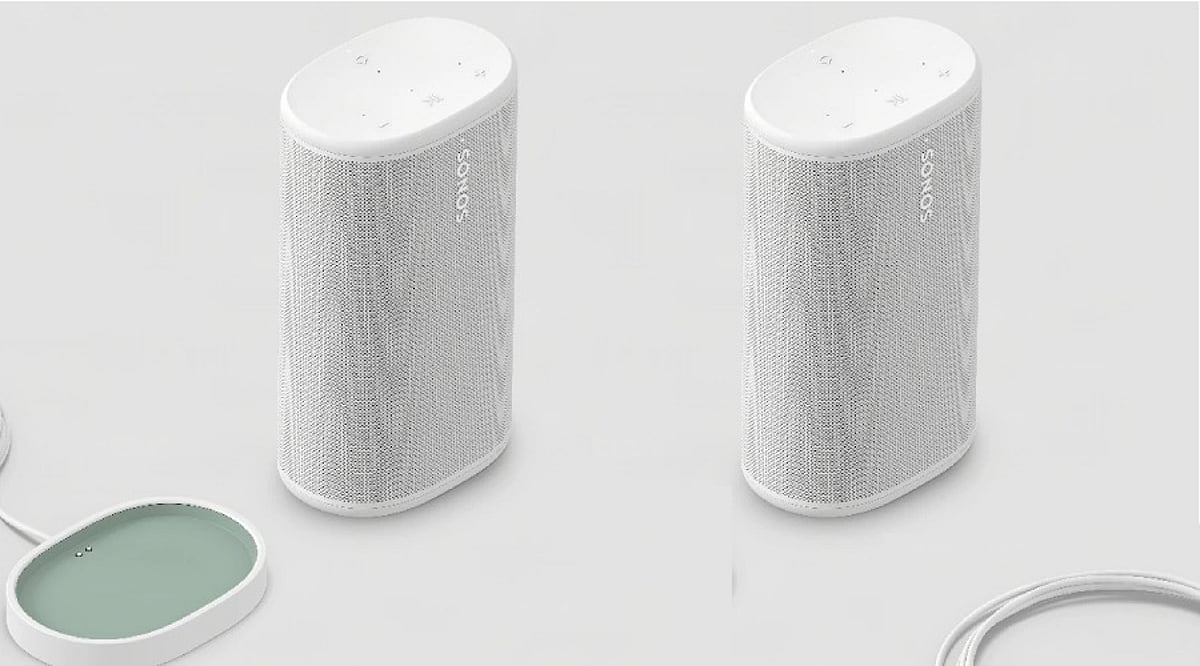
    Beyond AI, the update adds significant new hardware functionality. Portable Sonos speakers can now serve as rear surround speakers when paired with the Arc Ultra soundbar. The Sonos Ace Ultra headphones also gain the ability to seamlessly transfer audio between the headphones and compatible speakers.

    Sonos is also developing Sonos Voice, a forthcoming voice assistant. Looking ahead to 2027, the company plans to introduce Custom Agents, which would let users build personalized AI agents using their preferred model and voice.

    One of the standout features is the dynamic role adjustment for portable speakers. For instance, two portable Play speakers can act as rear channels for a home theater setup during a movie, then revert to standard portable mode when moved. Sonos’ positioning technology automatically detects their placement and adjusts their function accordingly.

    The overarching theme of Sonos 27 is flexibility. A single speaker can now serve multiple roles throughout the day—supporting a home theater at night and functioning as a regular portable speaker later. Combined with AI-driven voice control, the update streamlines the user experience and adapts to how people actually use their homes.

  • Complete Bookshelf Speakers Buying Guide: Size, Type, and Placement Tips

    Complete Bookshelf Speakers Buying Guide: Size, Type, and Placement Tips

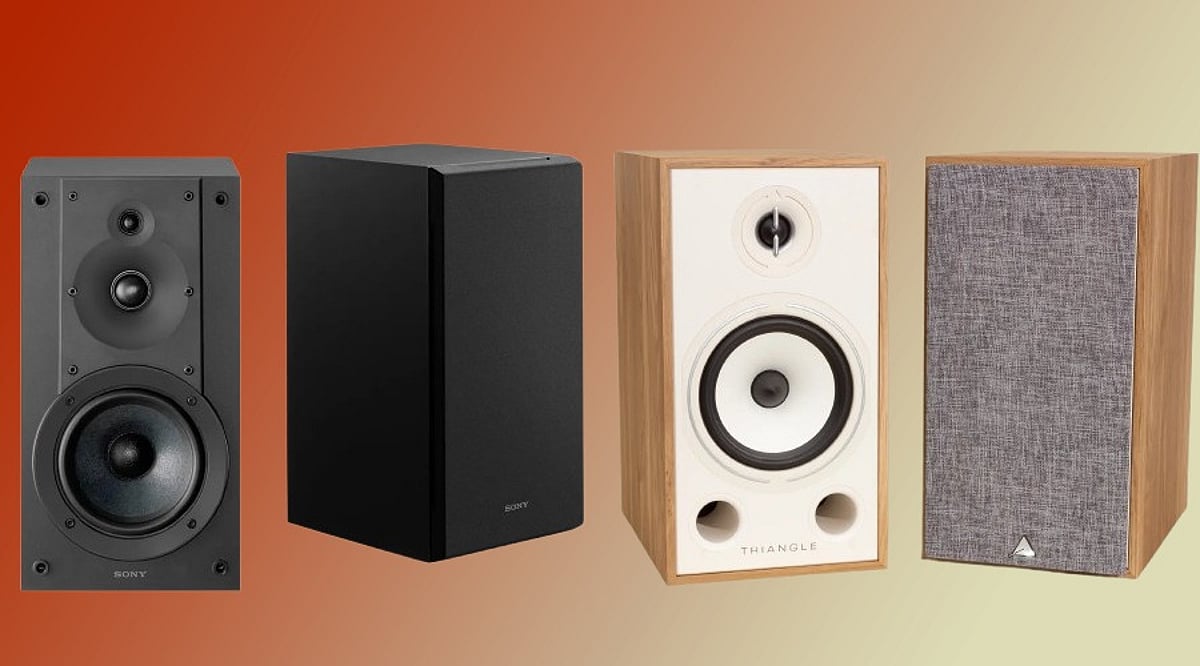
    Bookshelf speakers deliver high-quality sound in a compact form, making them a popular choice for music lovers who lack space for floor-standing systems. Selecting the right pair depends on several factors, including room dimensions, speaker type, amplifier compatibility, and listening habits. This guide covers everything you need to know before making a purchase.

    Choose Speaker Size Based on Your Room

    Larger speakers typically produce deeper bass and fill bigger rooms with sound, while smaller models excel in tighter spaces by delivering clear vocals and crisp highs without overwhelming the area. For rooms under 150 square feet, speakers with 4–5 inch drivers work well. Larger rooms of 200 square feet or more benefit from 6–8 inch drivers or the addition of a subwoofer.

    Active vs. Passive Speakers: Which Is Right for You?

    Active bookshelf speakers have a built-in amplifier, making setup quick and simple with minimal wiring. They are ideal for users who want convenience and an all-in-one solution. Passive speakers require an external amplifier or receiver, offering more flexibility for customization and future upgrades. Audiophiles often prefer passive setups, while casual listeners may favor active models for ease of use.

    Key Amplifier Features to Consider

    Modern amplifiers often include Bluetooth or Wi-Fi for wireless streaming from smartphones and computers. Bass boost, app control for volume and EQ adjustments, and compatibility with streaming services such as Spotify, Apple Music, and Tidal are valuable features that enhance the listening experience. Ensure the amplifier matches the power handling and impedance of your speakers for optimal performance.

    Top Bookshelf Speaker Brands

    Reliable brands known for high-performing bookshelf speakers include ELAC, KEF, Bowers & Wilkins, DALI, Polk Audio, and Definitive Technology. Each offers models suited to different budgets and room sizes, with consistent sound quality and durable build.

    Placement Tips for Best Sound

    Position speakers at ear level, equidistant from your listening spot, and angle them slightly inward (toe-in). Avoid placing them flush against walls to reduce unwanted reflections. Soft furnishings like carpets and curtains help tame echoes, while hard surfaces can brighten the sound. Use lossless or high-resolution audio sources to get the most from your speakers.

    Frequently Asked Questions

    1. How do I choose the right bookshelf speaker size for my room?
    Smaller rooms perform well with 4–5 inch speakers; larger spaces benefit from 6–8 inch models or a subwoofer. Matching driver size to room dimensions improves clarity and bass response.

    2. Are active or passive bookshelf speakers better?
    Active models simplify setup and reduce equipment needs. Passive speakers offer greater customization and upgrade potential, making them popular among audio enthusiasts.

    3. Do bookshelf speakers need an amplifier?
    Passive speakers always require an external amplifier. Active speakers have a built-in amplifier and can connect directly to audio sources.

    4. Where should bookshelf speakers be placed for the best sound?
    Place them at ear level, angled slightly inward, and away from walls. Keep equal distance from the listening position for a balanced soundstage.

    5. Which bookshelf speaker brands are worth considering?
    ELAC, KEF, Bowers & Wilkins, DALI, Polk Audio, and Definitive Technology are consistently recommended for their quality and performance across various budgets.

  • Top Home Audio Innovations Transforming Entertainment in 2026

    Top Home Audio Innovations Transforming Entertainment in 2026

    The home audio landscape is evolving rapidly, with cutting-edge technologies poised to redefine how we experience movies, music, gaming, and more in 2026. From AI-powered personalization to eco-conscious design, these trends promise to elevate every listening moment.

    AI-Powered Speakers

    Smart speakers are becoming more intuitive, using artificial intelligence to tailor sound profiles to individual preferences and room acoustics. Voice-assisted audio optimization automates controls, making it easier than ever to enjoy a customized entertainment experience.

    Dolby Atmos Systems

    Immersive three-dimensional surround sound continues to gain traction, bringing cinema-quality audio into living rooms. Whether for movies, gaming, music, or live sports, Dolby Atmos delivers a lifelike, enveloping soundstage that heightens emotional impact.

    Wireless Multi-Room Audio

    Connected speaker ecosystems enable seamless music playback across multiple rooms, with synchronized audio and effortless smartphone-based control. This trend allows users to fill their entire home with sound, adapting to different moods and activities.

    High-Resolution Streaming

    Lossless and high-resolution music streaming is becoming mainstream, offering audiophiles superior listening quality. Compatible premium home audio systems now support these formats, ensuring every note and nuance is faithfully reproduced.

    Compact Soundbars

    Slim soundbars with powerful virtual surround capabilities remain a top choice for enhancing TV audio without the need for bulky speaker setups. Their minimalist design and impressive performance make them a staple in modern home theaters.

    Voice-Control Integration

    Home audio systems are increasingly incorporating voice assistants, allowing users to control playback, manage smart home devices, and personalize entertainment through simple voice commands. This hands-free convenience is becoming a standard feature.

    Gaming Audio Enhancement

    Advanced spatial audio technologies are transforming gaming, creating immersive environments where players can pinpoint directional sounds for a competitive edge. Realistic audio cues enhance gameplay and deepen engagement.

    Eco-Friendly Designs

    Manufacturers are prioritizing sustainability by using recycled materials, energy-efficient components, and recyclable packaging—all while maintaining premium sound quality and durability. Eco-conscious consumers can now enjoy high-performance audio without compromising on environmental values.

    Personalized Audio Profiles

    AI-driven calibration automatically adjusts sound settings based on room acoustics, user preferences, and content type. This ensures optimal listening experiences for every scenario, from a quiet podcast to an action-packed blockbuster.