
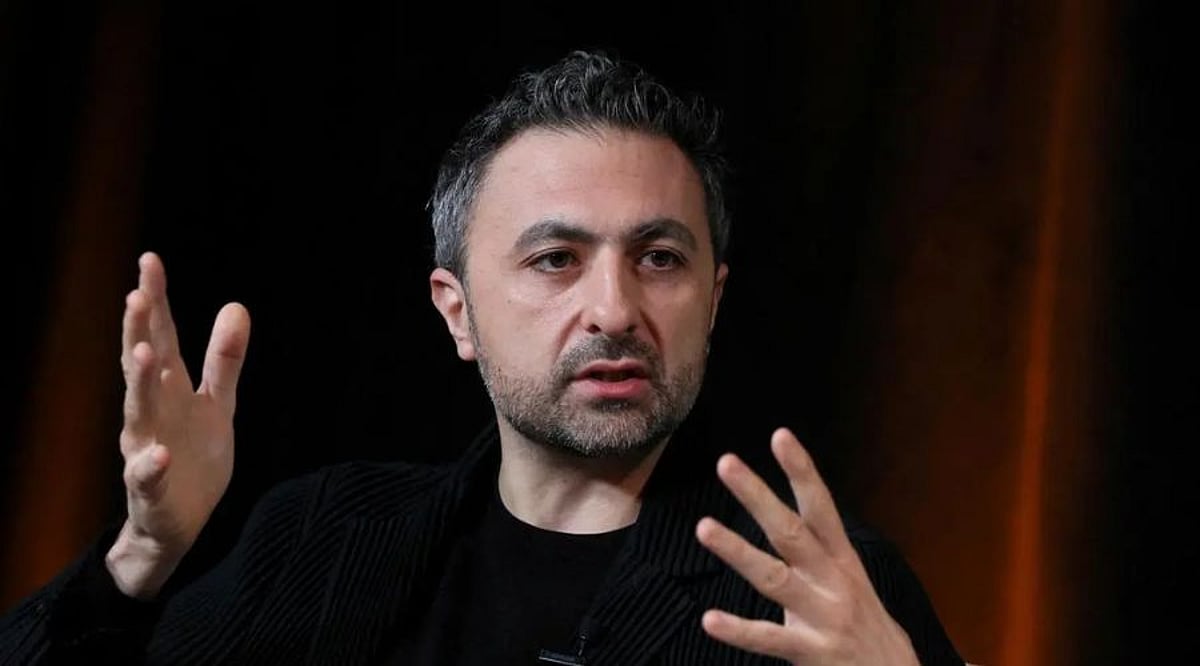
Microsoft AI Chief Mustafa Suleyman has issued a stark warning: the global race to advance artificial intelligence must not come at the cost of essential safety measures. In a September 20 interview with CNN, Suleyman emphasized that competition with China should not be used as a reason to delay safeguards for increasingly capable AI systems.
Suleyman Calls for AI Safety Agreements
Suleyman argued that US developers can continue pushing the boundaries of AI while ensuring humans remain in control. He supported the creation of international safety agreements and noted that the industry could benefit from practices already developed in China. His remarks come as Washington debates the role of federal oversight in advanced AI development, with former President Donald Trump advocating for maintaining the US lead over China, while many tech leaders call for additional protections.
According to Reuters, AI safety and competition with China remain intertwined issues that are likely to surface in upcoming US-China discussions.
Microsoft Pushes Human Control
Microsoft’s approach to AI safety includes a proposed code of conduct that keeps AI systems responsive to human direction. The framework requires AI models to accept correction and shutdown commands, reinforcing the company’s commitment to human control. Published on September 15, the code states that people should remain more important than AI. The proposal is open for public feedback and focuses on safety and human control as top priorities for Microsoft’s AI models.
Broader AI regulations could also affect development and compliance costs across the technology industry, with companies like Alphabet and Meta Platforms facing similar considerations as they expand their AI products.
AI Race Fuels Safety Debate
Suleyman’s comments add to a wider debate over how governments and tech companies should balance rapid AI development with safeguards. His position centers on continuing technological progress without sacrificing human oversight. This debate becomes increasingly important as AI systems become more capable and companies explore how much autonomy their models should have.
He also raised concerns about training AI systems around concepts such as consciousness and welfare, arguing that such approaches could make future systems more difficult for humans to control or shut down. The discussion highlights a central challenge for the AI industry: advancing powerful systems while ensuring humans retain meaningful control over their development and use.