

Tag: human resources

  • IIM Indore 2026 Admission: Full List of Management Programmes and Key CAT Deadlines

    IIM Indore 2026 Admission: Full List of Management Programmes and Key CAT Deadlines

    IIM Indore offers a wide range of management programmes at postgraduate, undergraduate, executive, and doctoral levels, providing students and working professionals with multiple academic pathways in management and related disciplines.

    Flagship MBA: Post Graduate Programme in Management (PGP)

    The two-year, full-time PGP is IIM Indore’s flagship MBA programme. It combines core management subjects with electives in finance, marketing, strategy, and analytics, preparing students for leadership roles.

    PGP in Human Resource Management (PGP-HRM)

    This two-year residential programme focuses on human resource management, equipping students for careers in people management, organisational behaviour, and talent development.

    Integrated Programme in Management (IPM)

    The five-year IPM is designed for students after Class 12. It combines undergraduate study with management education and leads to dual degrees upon successful completion.

    Master of Science in Data Science and Management (MSDSM)

    This programme blends data-focused learning with management education, making it ideal for students interested in analytics and technology-driven decision-making.

    PGPMX for Working Executives

    The PGPMX is a two-year alternate-weekend management programme offered in Mumbai, allowing working executives and entrepreneurs to earn an MBA without leaving their jobs.

    Doctoral Programme in Management (Ph.D.)

    Designed for advanced research, this programme provides intensive training in research methods for scholars aiming to contribute to management knowledge.

    2026 Admission Key Dates and Requirements

    For the 2026 admission cycle, CAT 2026 is scheduled for November 29, with the registration window closing at 5 PM on September 15, 2026. Executive programmes have separate eligibility criteria. For the EPGP 2027-28 cycle, applicants need at least five years of work experience and must submit GMAT, GRE, or CAT scores.

  • How a Process-Oriented Approach Links Recruitment and Retention for Sustainable Manpower Development

    How a Process-Oriented Approach Links Recruitment and Retention for Sustainable Manpower Development

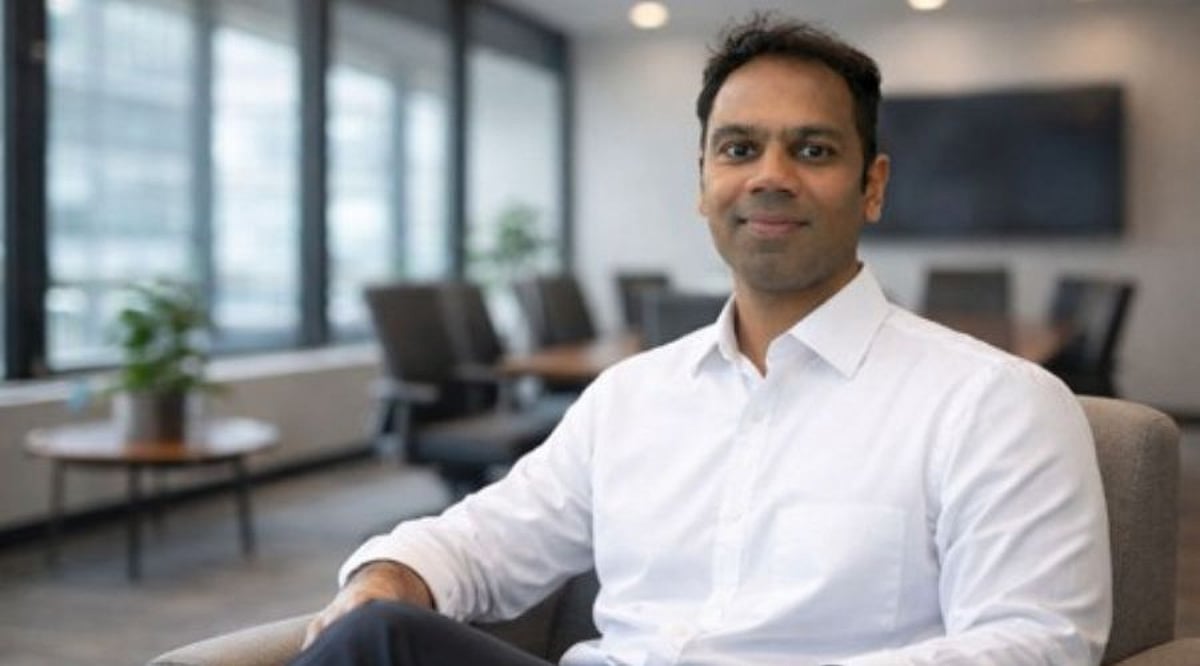
    In today’s competitive talent landscape, organizations often treat recruitment and retention as separate functions. But according to Lakshmikanth Subramaniam, an experienced people-management professional, the two are deeply interconnected. His career has focused on creating work environments where employees feel valued, responsible, and connected, leading to long-term contribution and stability.

    The Philosophy Behind Low Attrition

    Subramaniam’s approach is rooted in the belief that employees are an organization’s greatest strength. Over the years, he has maintained an employee retention ratio of less than 8% within his teams — a remarkable figure in a fluid job market. He attributes this to a culture where individuals feel personally and professionally tied to the organization. Rather than seeing recruitment as a one-time event, he treats it as a retention tool, ensuring continuity and alignment with organizational goals.

    Measurable Impact on Team Performance

    His human-centric methods have directly improved team stability and productivity. In many roles, his teams grew 15–20% larger than comparable teams, and achieved nearly 30% higher output. These results stem from genuine relationship-building, motivation, and thoughtful engagement — not just processes.

    Adapting to a Changing Workforce

    Subramaniam acknowledges the challenges of today’s job market, especially with Gen-Z employees who prioritize flexibility, recognition, and meaningful work. To address this, he introduced self-centric evaluation processes that help employees see how their productivity links to team outcomes. Personal accountability, combined with careful observation and timely guidance, has been key to overcoming retention challenges.

    The Future of Human Resource Development

    Looking ahead, Subramaniam emphasizes balancing technological advancement with human connection. While AI can streamline processes and reduce costs, it cannot replace the authenticity of human interactions. Organizations that treat recruitment and retention with equal seriousness will be better positioned for long-term success, creating workplaces that are both productive and humane.

    Through his steady track record and people-first approach, Lakshmikanth Subramaniam provides a template for connecting recruitment with retention. His work shows that when employees are treated as essential contributors rather than replaceable inputs, organizations gain stability, trust, and loyalty — essential ingredients for achieving strategic objectives.

  • How AI Is Reshaping Key Careers: From Customer Support to Healthcare

    How AI Is Reshaping Key Careers: From Customer Support to Healthcare

    As artificial intelligence continues to evolve, its impact on the workforce is undeniable. While some fear job displacement, AI is actually transforming roles rather than eliminating them entirely. Here’s a look at ten careers experiencing the most significant changes as AI becomes a workplace collaborator.

    Customer Support

    AI chatbots now handle routine inquiries, freeing up human agents to tackle complex, high-emotion issues that require empathy and nuanced judgment.

    Content Writing

    AI accelerates content creation by generating drafts and data-driven pieces, but human creativity, storytelling, and brand voice remain irreplaceable.

    Software Development

    Developers leverage AI-powered coding assistants (like GitHub Copilot) to write code faster, debug efficiently, and automate repetitive tasks, boosting overall productivity.

    Graphic Design

    AI tools can generate visuals in seconds, allowing designers to focus on strategy, concept development, and creative direction rather than manual execution.

    Accounting

    Automation handles data entry, invoicing, and reconciliation, shifting accountants’ work toward analysis, advisory, and strategic financial planning.

    Marketing

    AI enhances targeting by analyzing consumer behavior, yet human marketers still drive campaigns with creative intuition and ethical decision-making.

    Healthcare

    AI assists in diagnosing diseases, analyzing medical images, and managing patient data, while physicians retain final authority and patient interaction.

    Human Resources

    Recruiters use AI screening tools to filter resumes and identify candidates, but human evaluation ensures cultural fit and fair assessment.

    AI isn’t replacing humans—it’s augmenting our abilities. The careers that adapt will see workers focus on higher-value tasks that demand emotional intelligence, creativity, and strategic thinking.