
Tag: Hybrid Cars

  • Five Cars Worth Waiting for Before Diwali 2026: Key Updates and Launch Timelines

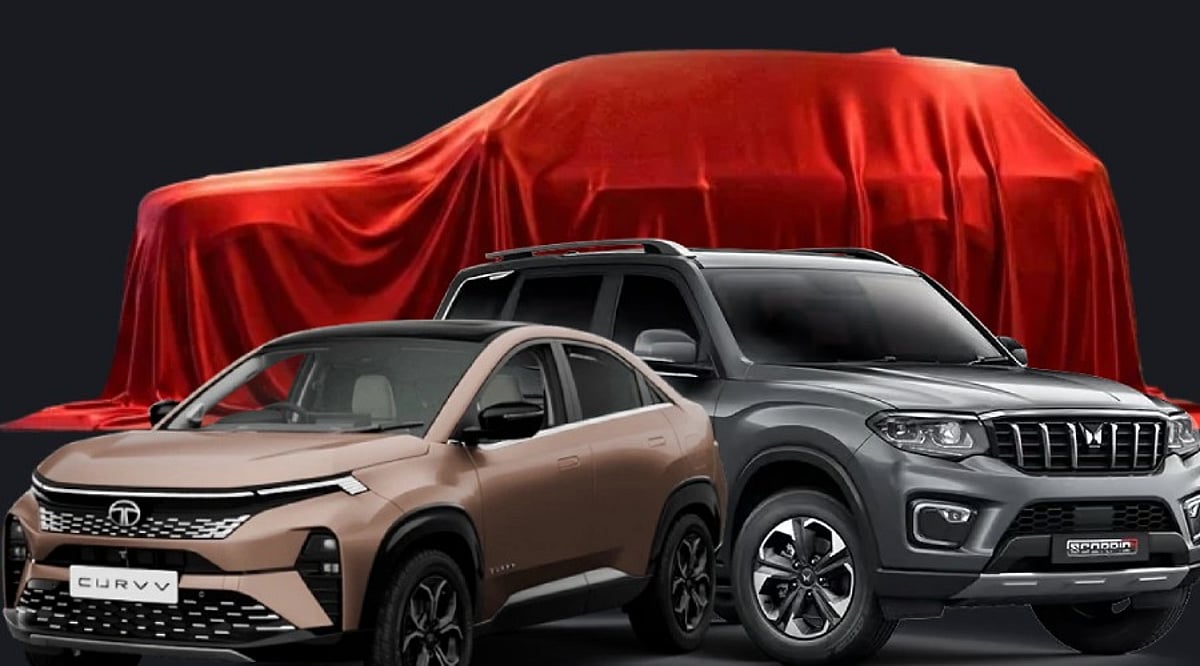
    Five Cars Worth Waiting for Before Diwali 2026: Key Updates and Launch Timelines

    Buying a car during the festive season can be a costly mistake if a better model arrives just weeks later. In 2026, there are more reasons than usual to hold off on a purchase. From refreshed designs to new electric and hybrid powertrains, several noteworthy launches are expected—but their timing and real impact vary. The smart approach is to evaluate which updates genuinely transform the ownership experience rather than simply add a new badge.

    Mahindra Thar Facelift

    The Thar’s update focuses more on style than mechanical changes. Expect Roxx-inspired exterior cues and a more spacious, modern cabin with a larger touchscreen. The engine and gearbox lineup is likely to remain unchanged, making this facelift ideal for buyers who already want a Thar but prefer the refreshed look. Mahindra hasn’t officially confirmed a date, but reports suggest a late-September launch ahead of the festive season.

    Volkswagen Virtus Facelift

    Sedans continue to lose ground to SUVs, which makes the Virtus update noteworthy for a different reason. Test mules have shown a revised front end along with minor cabin and equipment tweaks. What stands out is Volkswagen’s continued investment in a sedan while most rivals redirect funds toward SUVs. If you’re already leaning toward a Virtus, waiting for the October 2026 arrival makes sense rather than booking the outgoing version now.

    Tata Safari EV

    Tata is introducing a fully electric powertrain to the Safari, extending the nameplate beyond its current petrol and diesel options. This will be the brand’s first three-row electric vehicle, offering large families an SUV with zero emissions. Final pricing and specs haven’t been announced, so it’s wise to wait for official numbers rather than rely on early estimates.

    Maruti Fronx Facelift

    This is the least confirmed update on the list. Spy shots hint at styling changes and a possible equipment boost, but Maruti has yet to release official details. What makes it worth tracking is the competitive price segment it occupies—one of the most crowded in the market. Even a modest refresh could shift its standing against rivals. If you don’t have a deadline, keep it on a watchlist rather than a shortlist.

    Renault Duster Hybrid

    Renault’s strong-hybrid system pairs a 1.8-liter petrol engine with two electric motors and a 1.4 kWh battery. The company claims it can run in EV mode for up to 80% of city driving, potentially delivering substantial fuel savings for urban commuters. Hybrid deliveries are expected around Diwali. Unlike cosmetic updates, this one changes daily driving dynamics, making it the strongest case for waiting among high-mileage city buyers.

    Before Booking Anything

    Not every model on this list justifies the same wait. The Thar and Virtus updates suit buyers already set on those nameplates. The Safari EV introduces a new option for families seeking a three-row electric SUV. The Duster Hybrid offers a genuine change in running costs. The Fronx remains uncertain and should stay on a watchlist until Maruti provides more information.

    Final Thought

    A new badge on the trunk is never the real reason to wait. The stronger reason is whether the update affects something that truly matters—running cost, cabin space, or the powertrain itself. As these launches get confirmed through September and October, comparing final prices and delivery timelines will be far more important than comparing launch dates.

    FAQs

    1. Which cars are worth waiting for before Diwali 2026?
    Key upcoming models include the Mahindra Thar facelift, Volkswagen Virtus facelift, Tata Safari EV, Maruti Fronx facelift, and Renault Duster Hybrid.

    2. When is the Mahindra Thar facelift expected to launch?
    Reports point to a late-September 2026 launch, though Mahindra hasn’t officially confirmed the date.

    3. Is the Tata Safari EV launching before Diwali 2026?
    Tata has planned the Safari EV around the 2026 festive season, but final pricing, specs, and exact date are yet to be announced.

    4. Which upcoming car is best for fuel-conscious city drivers?
    The Renault Duster Hybrid is the strongest option for high-mileage city drivers, thanks to its hybrid system designed to maximize EV-mode driving in urban conditions.

    5. Should buyers wait for the Maruti Fronx facelift?
    Only those with flexible timelines should wait. The facelift has been spotted in testing, but Maruti hasn’t officially confirmed specs or timing.
  • India’s Alternative-Fuel Vehicle Sales Overtake Petrol Cars for First Time in August 2026

    India’s Alternative-Fuel Vehicle Sales Overtake Petrol Cars for First Time in August 2026

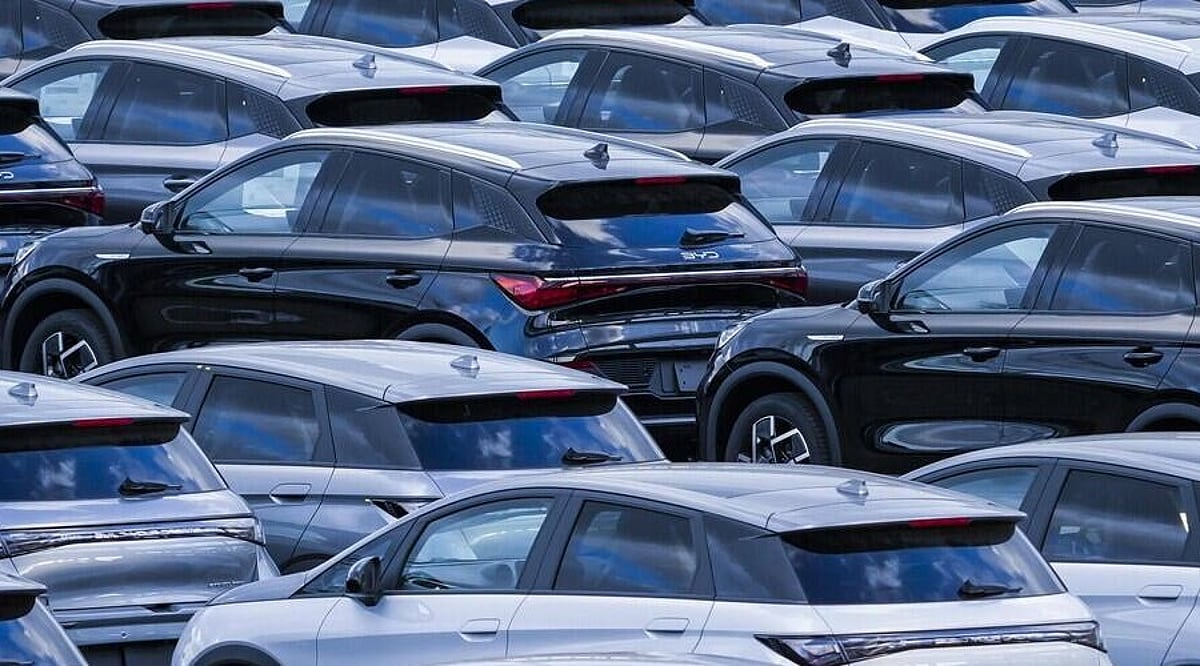
    For the first time in India, sales of alternative-fuel passenger vehicles—CNG, hybrid, and electric—surpassed those of petrol-powered cars in August 2026, according to the Federation of Automobile Dealers Associations (FADA). The milestone reflects shifting consumer preferences driven by rising fuel costs, concerns over E20 petrol, and a widening selection of alternative-fuel models.

    Alternative-fuel vehicles captured 41.95% of passenger vehicle retail sales during the month, while petrol vehicles accounted for 40.85%. This marks a dramatic reversal from just over a year earlier, when petrol vehicles led alternative-fuel models by nearly 11 percentage points.

    FADA Vice President Sai Giridhar attributed the change to several factors. “This shift was bound to happen,” he said. “Concerns about E20 petrol may have pushed some buyers to consider other fuel options earlier than expected.” He noted that better electric vehicle driving ranges, expanding charging infrastructure, and a broader array of alternative-fuel models now support the trend.

    E20 Petrol and Fuel Costs Drive Buyers

    India is transitioning from E10 to E20 petrol, which contains 20% ethanol, as part of efforts to reduce dependence on imported crude oil. However, some owners of older vehicles have raised concerns about fuel economy and compatibility, fearing that E20 could reduce mileage or harm engines not designed for the higher blend. The government has dismissed these as “wild claims,” but the debate continues as E20 becomes more widely available.

    Higher crude oil prices, exacerbated by the ongoing Middle East conflict, have also heightened attention to running costs for petrol vehicles, accelerating the shift toward alternatives.

    Record August Sales, but Monthly Dip

    India’s total automobile retail sales rose 17.51% year-on-year to 24,23,201 units in August, marking the strongest August performance on record. However, sales fell 6.48% from July, which FADA linked to monsoon conditions and the shifting festive calendar—Ganesh Chaturthi and part of Onam moved into September this year.

    Rural markets outperformed urban areas, with rural vehicle sales climbing 19.79% year-on-year versus 15.17% in cities. Rural passenger vehicle sales surged 24.99%, compared to 10.93% in urban markets.

    Festive Season Outlook and Price Hikes

    Although dealers remain optimistic about the upcoming festive season, vehicle price increases and inflation are key concerns. Maruti Suzuki India announced it will raise prices on selected models by up to Rs 20,000 starting September, its third hike since May. Giridhar warned that further price increases could dampen the demand boosted by recent tax reforms.

    Passenger vehicle inventory rose to 38–40 days by end of July, up by about five days. FADA said demand from September through November will provide crucial insight into festive-season buying behavior, as buyers weigh prices, fuel costs, and their growing array of vehicle choices.

  • Why Major Automakers Are Splitting Investments Between EVs and Hybrids in 2026

    Why Major Automakers Are Splitting Investments Between EVs and Hybrids in 2026

    Automakers are now taking a more balanced approach to powertrain investments, splitting billions between fully electric vehicles (EVs) and hybrids. Rather than retreating from electrification, companies like Toyota, Ford, GM, Honda, and Stellantis are using hybrids to manage risk and support long-term EV goals.

    Why EV Demand Has Cooled

    Between 2021 and 2024, automakers set ambitious timelines for an all-electric future. But by 2025, EV demand slowed as several markets cut incentives and consumer interest plateaued. Toyota reduced its 2026 global EV production target to 1 million units and delayed its US EV production start. Yet Toyota remained the top-selling automaker in the US in 2025, largely thanks to strong hybrid sales. This shift signals that many buyers still prefer hybrids as a practical, affordable choice.

    Why Hybrids Are Making a Comeback

    Hybrids appeal to buyers who want better fuel economy without worrying about charging infrastructure or the higher upfront cost of many EVs. Ford is adding hybrid options across nearly its entire lineup. Honda is developing a new hybrid platform from the ground up. Stellantis, meanwhile, is moving away from plug-in hybrids in North America toward mild hybrids and range-extended models.

    Why Automakers Need Both Powertrains

    Hybrid production uses existing engine and transmission lines, existing supplier deals, and much smaller battery packs than full EVs. This reduces exposure to volatile lithium and nickel prices and helps factories stay busy while EV demand catches up. Ford expects its EV division, Model e, to turn a profit by 2029, with hybrid profits helping bridge the gap. GM took a $6 billion writedown on its EV business and is rethinking an all-electric Cadillac lineup. Stellantis is building the STLA One platform, designed to handle EV, hybrid, and gas models on the same production lines. This approach doesn’t sideline EVs—it uses hybrid profits to buy time for the industry to get electric mobility right.

    Regional Strategies Shape Powertrain Choices

    No single global strategy works for every market. Easing US emissions rules have reduced the compliance value of plug-in hybrids in some segments, leading Stellantis to retire them in North America. Europe, on the other hand, continues to push for tighter emissions standards and stronger EV incentives. North America’s uneven charging infrastructure keeps hybrids ahead in mainstream segments, while regions with robust charging networks and policy support favor EVs. Executives now describe this as running several regional strategies in parallel, rather than one transition plan with a fixed end date.

    What It Means for Buyers and Investors

    Buyers can expect more hybrid choices in mainstream segments through 2026, alongside EVs positioned carefully where charging infrastructure is mature. For investors, key metrics to watch are hybrid margins, capital committed to shared platforms like STLA One, and how fast EV divisions close their profitability gap.

    Final Thoughts

    Instead of betting solely on EVs or hybrids, automakers are competing on operational flexibility—running both powertrains on shared factories and platforms without overcommitting to either. That flexibility, more than any single technology, is shaping up as the industry’s real competitive advantage for the rest of the decade.

  • Top Hybrid Cars to Watch for in 2026: Toyota, Honda, Hyundai and More

    Top Hybrid Cars to Watch for in 2026: Toyota, Honda, Hyundai and More

    Hybrid vehicles continue to gain popularity in 2026 as drivers seek better fuel efficiency without relying entirely on charging infrastructure. Automakers are expanding their hybrid lineups with improved performance, lower emissions, and smarter technology. As fuel prices and sustainability remain key concerns, hybrids are expected to play a significant role in the global automotive market throughout the year.

    Toyota Expands Its Hybrid Leadership

    Toyota continues to strengthen its hybrid portfolio with new and updated models featuring fifth-generation hybrid technology. The latest systems offer smoother acceleration, improved fuel economy, and enhanced battery performance. Popular models like the Camry Hybrid, Corolla Hybrid, Prius, and RAV4 Hybrid continue to set benchmarks for reliability and efficiency.

    Honda Brings More Efficient e:HEV Models

    Honda is expanding its e:HEV hybrid lineup with refined powertrains that combine responsive performance and excellent mileage. New hybrid models feature regenerative braking, quieter operation, and advanced driver-assistance technologies. The company’s focus on practical efficiency makes its hybrids attractive for both city commuters and long-distance travelers.

    Hyundai and Kia Expand Their Electrified Range

    Hyundai and Kia are introducing more hybrid SUVs and sedans equipped with modern infotainment systems, connected-car technology, and improved fuel efficiency. Their latest hybrid platforms combine turbocharged engines with electric motors to deliver better performance while reducing fuel consumption and emissions.

    Plug-in Hybrid Models Offer Greater Flexibility

    Plug-in hybrid electric vehicles (PHEVs) continue to gain traction in 2026 by allowing drivers to complete short daily trips using electric power alone while retaining the convenience of a gasoline engine for longer journeys. Improved battery capacity and faster charging have made PHEVs a practical bridge toward full electrification.

    Safety and Smart Technology Take Center Stage

    The newest hybrid cars are equipped with advanced driver assistance systems, including adaptive cruise control, automatic emergency braking, lane-keeping assistance, blind-spot monitoring, and AI-powered infotainment features. These technologies improve both safety and overall driving comfort.

    Hybrid Vehicles Offer a Practical Path to Lower Emissions

    For buyers seeking lower running costs and reduced environmental impact without the limitations of full EV charging, hybrid cars remain an attractive option. With continuous improvements in efficiency, technology, and performance, the latest hybrid launches in 2026 provide practical solutions for a wide range of drivers.