Tag: hybrid cloud

  • Essential Cloud Technologies Every Modern Business Must Know

    Essential Cloud Technologies Every Modern Business Must Know

    Cloud computing has become a cornerstone of modern business operations, offering scalable, cost-effective, and flexible solutions. Understanding the key cloud technologies can help organizations optimize their IT strategies and drive growth. Below are ten essential cloud technologies that every business should be aware of.

    1. Hybrid Cloud

    Hybrid cloud combines private and public cloud environments, providing businesses with flexibility, stronger security, better compliance, and cost-efficient workload management.

    2. Multi-Cloud Strategy

    Using multiple cloud providers improves reliability, reduces vendor dependency, optimizes costs, and enhances business continuity across operations.

    3. Infrastructure as a Service (IaaS)

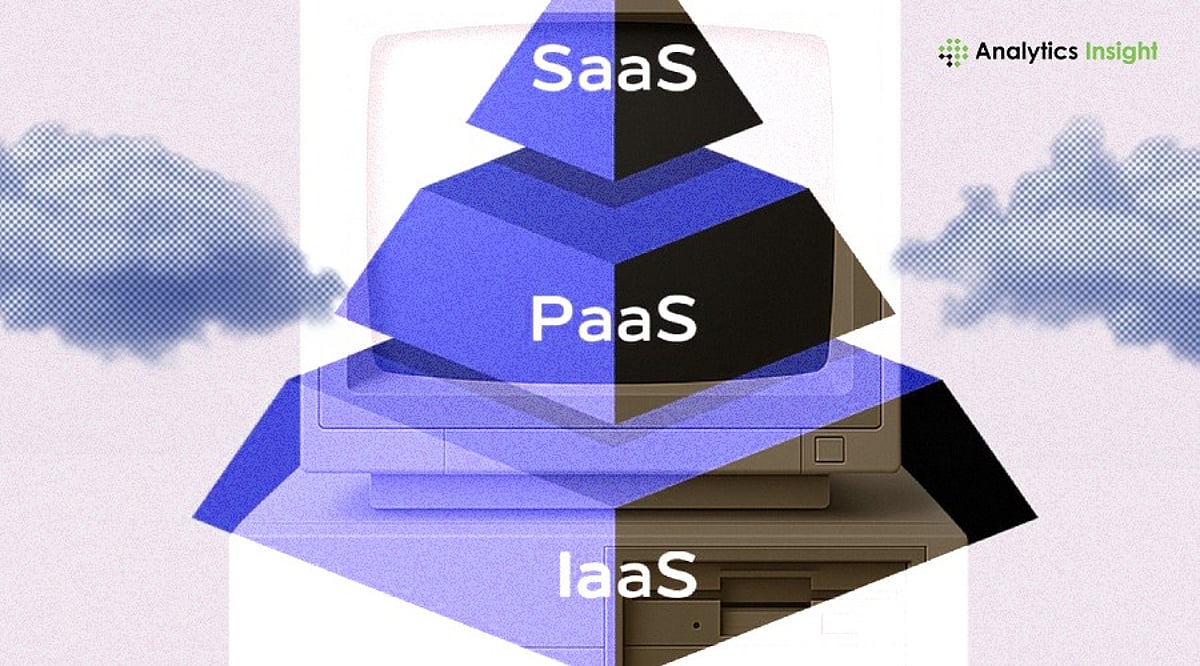
    IaaS delivers virtual computing resources, enabling businesses to scale servers, storage, and networking without investing in physical infrastructure.

    4. Platform as a Service (PaaS)

    PaaS provides development environments that simplify application creation, deployment, testing, and maintenance while reducing infrastructure management complexity.

    5. Software as a Service (SaaS)

    SaaS offers cloud-hosted applications accessible through browsers, improving collaboration, reducing maintenance, and minimizing software installation requirements.

    6. Cloud Security

    Cloud security protects cloud environments through encryption, identity management, threat detection, compliance monitoring, and continuous security updates against evolving cyber risks.

    7. Cloud Backup and Disaster Recovery

    This technology ensures business continuity by securely storing data and enabling rapid recovery after outages, cyberattacks, or accidental information loss.

    8. Serverless Computing

    Serverless computing allows developers to run applications without managing servers, automatically scaling resources while reducing operational costs and administrative overhead.

    9. Cloud AI and Machine Learning

    Cloud-based AI and ML integrate intelligent analytics, predictive insights, automation, and personalized customer experiences directly into business applications.

    These cloud technologies empower businesses to innovate faster, reduce costs, and stay competitive in a rapidly evolving digital landscape.

  • How AI-Driven Intelligence Is Transforming Enterprise Compliance and Configuration Risk Detection

    How AI-Driven Intelligence Is Transforming Enterprise Compliance and Configuration Risk Detection

    In today’s hyperconnected enterprise environment, compliance and configuration management have become mission-critical functions. With hybrid infrastructures spanning cloud and on-premise systems, traditional audit-based approaches—periodic, manual, and retrospective—are no longer sufficient to manage risk. Organizations are turning to artificial intelligence to shift from reactive compliance validation to continuous, predictive risk intelligence. This transformation is redefining governance models, enabling real-time anomaly detection, automated remediation, and scalable compliance visibility across increasingly complex digital ecosystems.

    Nadeem Siddiqui, a Senior Software Engineer, leads this technological transition with his expertise in automation and configuration management. Siddiqui has dedicated his career to developing enterprise-scale systems, designing and enhancing a compliance intelligence platform that operates between 15,000 and 20,000 hybrid endpoints and implements AI-powered risk detection for enterprise governance. “Compliance is no longer just about passing audits,” Siddiqui explains. “It’s about continuously understanding your infrastructure, identifying risk in real time, and acting on it before it becomes a violation.”

    Over the past four years, Siddiqui has contributed to transforming traditional compliance workflows into intelligent, automated systems. By integrating AI-driven risk visibility into configuration management processes, he has helped organizations move away from manual data collection and static validation cycles toward continuous monitoring models that provide ongoing insight into system health and compliance posture.

    A key aspect of his work has been centralizing configuration telemetry across hybrid environments and enabling intelligent drift detection, allowing organizations to quickly identify deviations from compliance baselines. This approach has significantly reduced the need for manual audit evidence gathering while improving the speed and accuracy of anomaly detection. “Drift is inevitable in dynamic systems,” he notes. “The real value lies in detecting it early and understanding its impact across the environment.”

    Siddiqui’s contributions extend to co-architecting an in-house compliance and configuration intelligence platform that integrates AI-powered analytics with automation pipelines. The system continuously monitors infrastructure, translating regulatory requirements into machine-enforceable policies that are embedded directly into DevOps workflows. This ensures that compliance is not an afterthought, but an integral part of system design and deployment.

    The measurable impact of this work is reflected in the platform’s scale and efficiency. Supporting governance across up to 20,000 endpoints, with approximately 75–80% in the cloud, the system has replaced periodic compliance validation with continuous monitoring capabilities. Automated reporting has significantly reduced manual operational overhead, while AI-assisted visibility has improved remediation response times and strengthened collaboration between cybersecurity, DevOps, and audit teams.

    However, implementing such a transformation has required overcoming significant challenges. Siddiqui highlights the complexity of standardizing configuration data across diverse environments, ensuring consistency in AI models, and aligning cross-functional teams around a unified compliance strategy. Additionally, translating regulatory controls into machine-interpretable policies, without slowing down deployment velocity, has been a critical engineering and governance challenge. “Balancing compliance rigor with engineering agility is one of the hardest problems in modern enterprises,” he says. “You need systems that are both strict and flexible at the same time.”

    Beyond his engineering contributions, Siddiqui has also advanced thought leadership through peer-reviewed research on AI-enabled infrastructure intelligence and governance models. His work bridges the gap between academic frameworks and real-world enterprise applications, offering insights into how intelligent systems can be leveraged to enhance compliance and risk management at scale.

    Looking ahead, Siddiqui sees the future of enterprise compliance being driven by predictive analytics, explainable AI, and deeper integration with operational systems. As organizations continue their journey toward DevOps and cloud-native architectures, compliance will morph into an intelligent control layer baked into the infrastructure, rather than a standalone audit function. “We are moving toward a model where compliance systems don’t just detect issues, they anticipate them,” he observes. “Predictive risk intelligence will become a cornerstone of how enterprises manage security and governance.”

    As the scale and complexity of technology increase, coupled with an increasingly challenging regulatory environment, thought leaders such as Nadeem Siddiqui are helping change the way enterprises think about compliance—transforming it from a reactive burden to a strategic asset powered by intelligent systems.

  • Cloud Computing for Beginners: A Guide to IaaS, PaaS, SaaS, and Deployment Models

    Cloud Computing for Beginners: A Guide to IaaS, PaaS, SaaS, and Deployment Models

    Cloud computing has revolutionized how businesses and individuals access and manage IT resources. Instead of investing in expensive hardware, you can now rent computing power, storage, and applications over the internet. This guide breaks down the core service models—IaaS, PaaS, and SaaS—and the four main deployment models: public, private, hybrid, and community cloud. Whether you’re a small business owner or a tech enthusiast, understanding these concepts will help you choose the right cloud solution for your needs.

    What Is Cloud Computing?

    Cloud computing delivers on-demand computing services—including servers, storage, databases, networking, software, and analytics—over the internet. It eliminates the need for local hardware and offers flexibility, scalability, and cost-efficiency. Services are typically billed on a pay-as-you-go basis, making them accessible to organizations of all sizes.

    Cloud Service Models: IaaS, PaaS, and SaaS

    Infrastructure as a Service (IaaS)

    IaaS provides virtualized computing infrastructure—servers, storage, and networking—over the internet. Users have full control over the operating system, applications, and middleware. This model is ideal for organizations that need complete control but lack the budget for physical hardware. Examples: Amazon Web Services (AWS) EC2, Google Compute Engine, Microsoft Azure.

    Platform as a Service (PaaS)

    PaaS offers a managed platform for developing, testing, and deploying applications. It includes the runtime environment, development tools, and database management. Developers can focus on coding without worrying about server maintenance. Examples: Google App Engine, Heroku, Microsoft Azure App Services.

    Software as a Service (SaaS)

    SaaS delivers ready-to-use software over the internet. Users subscribe to applications like email, CRM, or collaboration tools without installing or maintaining anything. It’s the easiest model for beginners. Examples: Google Workspace, Salesforce, Microsoft 365.

    Cloud Deployment Models

    Public Cloud

    Public cloud services are delivered over the internet by third-party providers. They are cost-effective, scalable, and require minimal management. The infrastructure is shared among multiple tenants, offering less control but high convenience.

    Private Cloud

    A private cloud is dedicated to a single organization. It can be hosted on-premises or by a third-party provider. It offers higher security, customization, and control, making it suitable for large enterprises with strict compliance requirements.

    Hybrid Cloud

    Hybrid cloud combines public and private clouds, allowing data and applications to move between them. This model provides flexibility, cost optimization, and scalability. However, it requires careful integration and skilled management.

    Community Cloud

    Community cloud is shared by several organizations with common interests—such as government agencies or healthcare providers. It enables cost sharing and collaboration but may have limited scalability compared to public cloud.

    How to Choose the Right Cloud Model

    • For simple tools like email and storage, choose SaaS.
    • For building and deploying applications without managing servers, choose PaaS.
    • For full control over infrastructure and software, choose IaaS.
    • For sensitive data and compliance, consider private or hybrid cloud.

    Risks and Challenges

    Cloud computing has drawbacks: cost overruns due to unpredictable usage, vendor lock-in, security concerns in public environments, and a need for skilled IT staff for IaaS and PaaS. Planning and monitoring are essential to mitigate these risks.

    Why Cloud Computing Matters

    Cloud computing has become a backbone of modern digital transformation. It enables businesses to scale rapidly, reduce capital expenditure, and innovate faster. Understanding the service and deployment models is the first step toward leveraging cloud technology effectively.

    Final Thoughts

    There is no one-size-fits-all cloud solution. The right choice depends on your budget, technical expertise, security requirements, and growth plans. Cloud computing eliminates the hassle of physical hardware and offers a flexible path to digital success.

    Frequently Asked Questions

    What is cloud computing in simple terms?

    It’s the delivery of computing services over the internet, allowing users to access resources like servers, storage, and software on demand without owning physical hardware.

    What’s the difference between IaaS, PaaS, and SaaS?

    IaaS provides virtual infrastructure; PaaS offers a managed platform for development; SaaS delivers ready-to-use software.

    Which model is best for beginners?

    SaaS is the easiest—no installation or maintenance required. Just subscribe and use.

    What are the main deployment models?

    Public, Private, Hybrid, and Community clouds. They differ in security, control, scalability, and cost.

    What are the biggest challenges of cloud computing?

    Cost management, data security, vendor lock-in, and the need for technical expertise.

  • Hybrid Cloud in Banking: A Strategic Move for Survival and Control

    Hybrid Cloud in Banking: A Strategic Move for Survival and Control

    The banking industry is undergoing one of its most significant technology transitions in decades. Faced with rising customer expectations, increasing regulatory scrutiny, cybersecurity threats, and pressure from fintech challengers, banks are rethinking how they manage data and digital services. At the center of this transformation is hybrid cloud—a model that combines private infrastructure with public cloud services.

    While banks typically consider hybrid cloud an innovation and resilience strategy, the real issue is whether the financial sector is implementing hybrid cloud to survive in a fast-changing environment or to gain better control over its processes.

    Pressure to Modernize

    Historical banking architecture has been designed for stability and not agility. Most financial organizations continue to rely on legacy architectures that are expensive to operate and hard to scale. Providing services to customers through digital banking requires upgrading the existing legacy systems.

    Furthermore, increased pressure from fintech companies that provide fast service and rely on relatively cheaper infrastructure has forced most banks to modernize their operations to remain competitive in the new digital banking environment.

    Hybrid cloud offers a good middle ground for banks. The traditional method of migrating all activities to a public cloud may not be necessary. Banks should be able to maintain some of their important activities in a private environment and innovate on cloud platforms.

    Why Public Cloud Alone Is Not Enough

    While most businesses can operate without such constraints, the banking industry is subject to stringent rules governing data protection, privacy, and resilience.

    The move towards public cloud poses serious issues, including data sovereignty concerns, dependence on third-party vendors, and operational risk. Many regulatory bodies in different countries still mandate that financial institutions be able to oversee their systems.

    In this regard, hybrid cloud provides banks with an opportunity to run mission-critical applications and sensitive data on the controlled side while utilizing the public cloud for data analysis, customer engagement tools, artificial intelligence, and software development.

    Control Has Become a Strategic Asset

    Control becomes the crux of the hybrid cloud argument. Financial institutions have recognized the importance of controlling data, application deployment, and security policies to gain an edge. Financial companies should have the opportunity to change their applications, be free from vendor lock-in, and adapt their approaches in response to regulations.

    A hybrid cloud approach allows for that. Rather than entrusting their applications to a single provider, banks will be able to distribute them across their private infrastructure and cloud solutions. Cloud strategy is no longer an IT decision, but a business one.

    AI Factor Speeds Up Adoption

    The increasing popularity of AI technology obliges banks to invest more in cloud infrastructure, as they need it to detect fraud, assess risk, deliver customer services, ensure compliance, and provide financial counseling.

    A lot of computing power and massive amounts of data are needed for that. The public cloud will allow scaling of necessary capabilities, while keeping financial information protected in the private cloud.

    Hybrid cloud offers a solution to these two needs at once. The need to find such a balance will only grow as banks start using AI more widely.

    Survival and Control Are No Longer Separate Goals

    The outdated idea of a trade-off between survival and control in banks no longer fits reality. In fact, these two things are strongly correlated. Survival in modern banking presupposes being fast, innovative, and resilient. Control is important for risk management, building up customer trust, and fulfilling regulatory requirements. The concept of hybrid cloud can address both needs.

    Public cloud or a purely private ecosystem would most likely not be the future of banking. Instead, the future will be associated with balanced ecosystems.

    For banks, hybrid cloud is not just a technical solution. This is the way to respond to a competitive environment in which innovation is necessary while maintaining control over the systems underpinning the financial sector.