
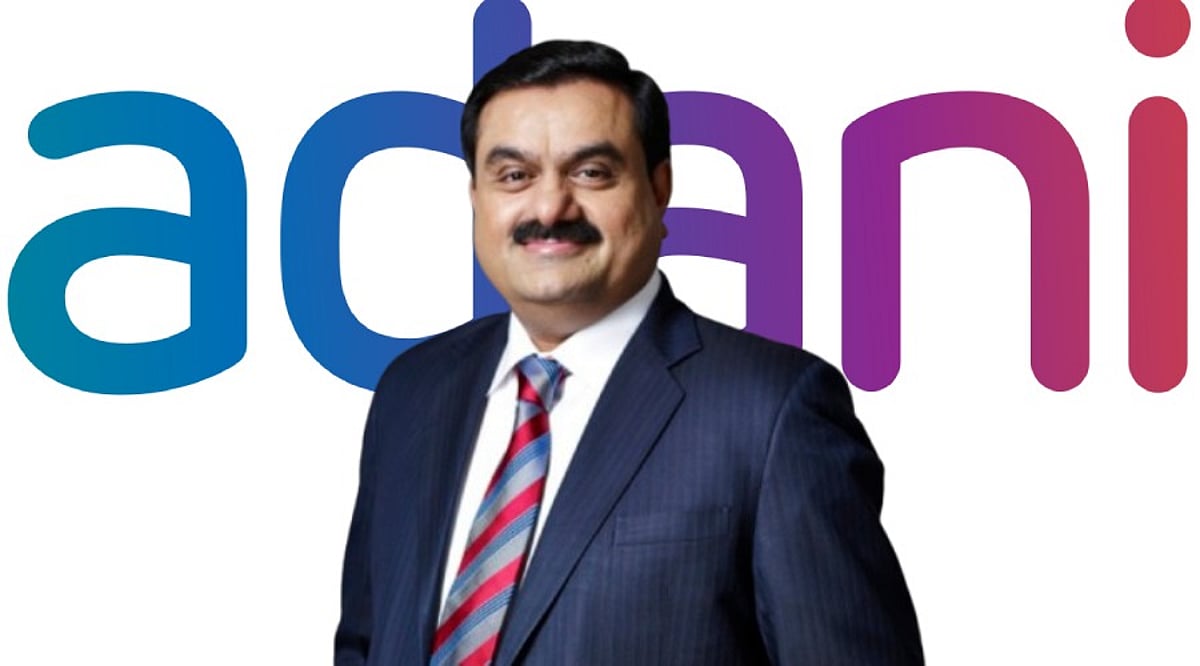
Gautam Adani is rapidly expanding the Adani Group into data centers and artificial intelligence infrastructure, positioning the conglomerate to capture the surging demand for computing power, energy, and connectivity driven by AI. Through its data center platform AdaniConneX, the group is building hyperscale facilities across India and has secured a landmark partnership with Google to develop a major AI hub in Visakhapatnam. The strategy extends beyond operating data centers to include AI hardware manufacturing via a proposed alliance with Jabil, as well as enhanced connectivity through partnerships like DE-CIX India.
AdaniConneX: The Core of the Digital Push
Established in 2021 as a joint venture with EdgeConneX, AdaniConneX combines the group’s infrastructure capabilities with global data center expertise. The platform targets a 2 GW renewable-powered data center footprint by 2030, with over 55 MW already live and a cumulative order book exceeding 560 MW. Its facilities serve enterprises, technology companies, and hyperscale customers, marking a shift from development to large-scale infrastructure delivery.
Why Data Centers Fit Adani’s Ecosystem
Data centers are becoming strategic infrastructure assets, especially for AI workloads that require high-density computing, reliable power, and sophisticated cooling. Adani’s existing interests in renewable energy, transmission, logistics, and construction create vertical integration opportunities. AdaniConneX offers Build-to-Suit and Energy-as-a-Solution models, linking digital growth with the group’s energy ambitions.
Google Partnership Raises the Scale
In October 2025, AdaniConneX and Google announced a major partnership to develop an AI-focused data center campus in Visakhapatnam. The broader Google AI hub involves approximately USD 15 billion in planned investment across data centers, clean energy, transmission, energy storage, and subsea connectivity. The project is planned for 2026–2030 and aims to support demanding AI workloads while expanding India’s computing capacity.
Moving into AI Hardware Manufacturing
In June 2026, Adani Enterprises announced an intended alliance with Jabil to develop an AI and data center infrastructure manufacturing platform. The proposed platform targets gigawatt-scale AI rack manufacturing and could support advanced infrastructure production for global data centers. This move aligns with India’s ambition to become an AI hardware hub and reduce dependence on imported components.
Connectivity Becomes Another Priority
AdaniConneX recently partnered with DE-CIX India to establish an interconnection hub at Chennai 1, providing access to cloud connectivity, enterprise networking, and more than 600 networks. Chennai’s subsea cable infrastructure makes it a key digital gateway, enhancing the appeal of data center campuses and highlighting Adani’s focus on connected digital ecosystems.
What the Strategy Means for Adani’s Future
Adani’s data center strategy reflects a larger shift in global infrastructure. AI is driving demand for computing, power, connectivity, and specialized hardware, and India is becoming an important destination for digital infrastructure investment. The group has committed to developing 5 GW of green-energy-powered, hyperscale AI-ready data centers by 2035. If execution remains strong, this could transform Adani’s role from infrastructure owner to digital infrastructure integrator, offering a model that global technology companies may find increasingly valuable.
Frequently Asked Questions
- Who is Gautam Adani?
- Gautam Adani is the Chairman of the Adani Group, a conglomerate operating across infrastructure, energy, logistics, airports, and other sectors. Under his leadership, the group has increasingly focused on data centers and AI infrastructure.
- What is AdaniConneX?
- AdaniConneX is Adani Group’s data center joint venture with EdgeConneX, developing hyperscale and enterprise facilities across India with a focus on renewable-energy integration.
- How much data center capacity does AdaniConneX have?
- AdaniConneX had more than 55 MW of operational capacity by the end of FY26, later securing a 400 MW hyperscale order in Visakhapatnam, bringing cumulative tied-up capacity above 960 MW as of June 2026.
- What is Adani’s partnership with Google?
- AdaniConneX and Google are developing a large AI data center campus in Visakhapatnam as part of Google’s approximately USD 15 billion AI hub investment planned for 2026–2030, including clean energy, storage, transmission, and subsea connectivity.
- Why is Visakhapatnam important?
- Visakhapatnam offers access to power infrastructure, connectivity, and subsea cable networks, making it a strategic location for international digital connections and India’s emerging data center ecosystem.
