Tag: Hyundai

  • Top 9 Automakers Dominating Global Vehicle Sales in 2026

    Top 9 Automakers Dominating Global Vehicle Sales in 2026

    The global automotive landscape is shifting rapidly, with established giants and emerging EV leaders vying for dominance. Based on current sales trajectories and market trends, these nine car brands are expected to lead worldwide vehicle sales in 2026.

    Toyota – Continues to dominate global vehicle sales with its dependable models, hybrid leadership, and an unmatched worldwide manufacturing network.

    Volkswagen – Maintains strong demand across markets thanks to a broad portfolio of passenger cars, SUVs, and a growing lineup of electric vehicles.

    BYD – Has emerged as one of the fastest-growing automakers by offering affordable EVs, leveraging battery innovation, and rapidly expanding internationally.

    Honda – Attracts millions of buyers with reliable cars, efficient engines, and strong hybrid offerings across major global markets.

    Hyundai – Expands market share through stylish SUVs, advanced technology, and competitive EV options tailored for modern consumers.

    Ford – Remains a global leader thanks to its bestselling pickup trucks, commercial vehicles, and continued investments in electric vehicles.

    Tesla – Sustains strong global EV demand with software-driven innovation, long-range batteries, and advanced autonomous driving technologies.

    Nissan – Retains customer confidence through practical vehicles, affordable pricing, and an expanding lineup of electrified models.

    Chevrolet – Continues delivering strong sales with versatile SUVs, pickup trucks, and growing electric vehicle options worldwide.

  • Top 7 Affordable Automatic Cars Under ₹10 Lakh for First-Time Buyers in 2026

    Top 7 Affordable Automatic Cars Under ₹10 Lakh for First-Time Buyers in 2026

    Buying your first car is exciting, but navigating the options under ₹10 lakh can be overwhelming, especially when you want an automatic transmission for easy city driving. We’ve rounded up the best automatic cars available in 2026 that combine affordability, reliability, and modern features — perfect for newcomers behind the wheel.

    Maruti Suzuki Celerio AMT: Effortless Urban Commuting

    The Maruti Suzuki Celerio AMT remains one of the most budget-friendly automatic cars for first-time buyers. Its compact size, light steering, and fuel-efficient petrol engine make daily commuting stress-free. The Auto Gear Shift transmission delivers smooth operation in city traffic, while low maintenance costs and an extensive service network keep ownership convenient and affordable.

    Hyundai Grand i10 Nios AMT: Premium Comfort Meets Style

    The Hyundai Grand i10 Nios AMT blends stylish design with a refined automatic driving experience. It offers a feature-rich cabin, touchscreen infotainment, wireless smartphone connectivity, rear AC vents, and multiple safety features. Its smooth AMT gearbox and comfortable ride quality make it an excellent choice for beginners seeking convenience without exceeding the ₹10 lakh budget.

    Maruti Suzuki WagonR AMT: Practical Value and Space

    The WagonR AMT continues to attract buyers with its spacious cabin, tall seating position, and excellent fuel economy. The automatic transmission reduces driver fatigue during heavy traffic, while generous headroom and boot space improve practicality. Reliable performance, affordable servicing, and strong resale value make it a dependable first automatic car.

    Tata Tiago AMT: Safety and Features First

    The Tata Tiago AMT stands out with its solid build quality, modern styling, and impressive safety credentials. Equipped with multiple airbags, electronic stability features, and a responsive automatic transmission, it offers confidence to new drivers. Its balanced ride, premium interiors, and competitive pricing make it one of the strongest value-for-money automatic hatchbacks.

    Renault Kwid AMT: SUV-Inspired Design for Young Buyers

    The Renault Kwid AMT offers high ground clearance, compact dimensions, and an easy-to-use automatic transmission suited for urban driving. Its modern digital instrument cluster, touchscreen infotainment system, and efficient petrol engine provide a pleasant ownership experience. Affordable pricing and stylish SUV-inspired looks make it appealing to young first-time buyers.

    Maruti Suzuki S-Presso AMT: Simplicity and Visibility

    The Maruti Suzuki S-Presso AMT features a high driving position that provides excellent road visibility for beginners. Its lightweight controls, efficient petrol engine, and compact footprint help drivers confidently navigate crowded city streets. The automatic gearbox minimizes effort in stop-and-go traffic, while low running costs enhance its appeal as a practical entry-level car.

    Choosing the Right Automatic Car in 2026

    When selecting an automatic car under ₹10 lakh, consider safety ratings, after-sales service, fuel efficiency, features, and long-term ownership costs — not just the price tag. With several reliable automatic hatchbacks available in 2026, first-time buyers can enjoy a comfortable, stress-free driving experience while staying within a practical budget and meeting everyday mobility needs.

  • 7 Major Manufacturers Deploying Humanoid Robots on Factory Floors in 2026

    7 Major Manufacturers Deploying Humanoid Robots on Factory Floors in 2026

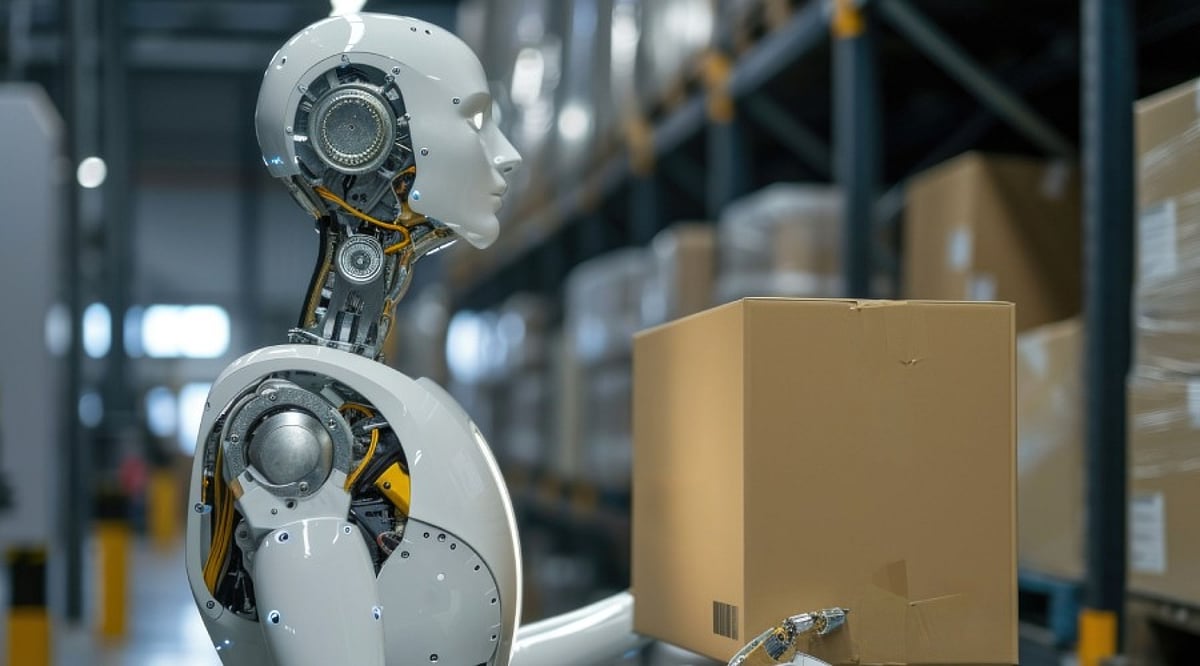
    Humanoid robots are no longer confined to research labs—they are now working alongside human employees in real manufacturing environments. Seven leading global manufacturers have already deployed or are actively testing humanoid robots for factory operations, material transport, and production support. Rapid investment and expanding robot production signal a major shift in industrial automation.

    Humanoid Robots in Manufacturing: A New Era

    Factories have relied on machines for decades, but humanoid robots mark a significant evolution. Unlike traditional robotic arms fixed in place, humanoid robots can walk, carry objects, pick up parts, and operate in spaces designed for human workers. Their human-like shape allows them to integrate into existing production lines without requiring major factory redesigns.

    Many global manufacturers have already moved from trials to commercial deployments. These robots handle repetitive, physically demanding, and time-consuming tasks, complementing human workers rather than replacing them. As artificial intelligence improves, humanoid robots are expected to become a regular part of factory operations.

    BMW Uses Figure Humanoid Robots on Production Floor

    BMW Group became one of the first major car manufacturers to place humanoid robots inside an active factory. Partnering with Figure AI, BMW tested Figure robots at its Spartanburg manufacturing plant in South Carolina. The initial deployment focused on repetitive tasks such as moving components between workstations and handling parts before assembly. After successful trials, BMW expanded the partnership with the latest Figure 03 humanoid robot. The deployment supported the production of more than 30,000 BMW X3 vehicles, proving that humanoid robots can operate safely alongside factory employees.

    Mercedes-Benz Expands Factory Automation with Apollo

    Mercedes-Benz has partnered with Apptronik, the company behind the Apollo humanoid robot, to enhance factory logistics. Apollo robots transport components, move materials across production areas, and complete repetitive internal tasks. Mercedes-Benz also invested in Apptronik to accelerate commercial development. The company now uses Apollo robots at its Berlin Digital Factory Campus, where engineers continue testing new manufacturing applications before wider deployment across additional factories.

    Tesla Develops Optimus for Its Own Factories

    Tesla follows a unique strategy by designing and building its own humanoid robot, Optimus. Instead of purchasing robots from another company, Tesla develops both the hardware and the artificial intelligence system. Optimus handles material transport and repetitive manufacturing jobs inside Tesla facilities. The company continues to expand robot production as development progresses. Tesla views its factories as the first large-scale workplace for Optimus before the robot enters other industries.

    Hyundai Prepares Atlas for Future Vehicle Production

    Hyundai Motor Group plans to introduce Boston Dynamics’ Atlas humanoid robot into manufacturing over the next few years. The first major deployment is expected at Hyundai’s Georgia Metaplant by 2028. Atlas will support tasks requiring movement across factory floors, component transport, and production assistance. Industry estimates place the cost of each Atlas robot at around $130,000, with an expected return on investment of roughly two years through improved productivity and lower operating costs.

    Jabil Tests Apollo Inside Electronics Manufacturing

    Electronics manufacturer Jabil is working with Apptronik to evaluate Apollo humanoid robots inside production facilities. Unlike automotive factories, electronics manufacturing often requires frequent movement of materials between different production stations. Apollo helps with repetitive logistics tasks that normally consume valuable employee time. These real-world tests allow both companies to collect operational data before larger commercial deployment. Jabil’s role as one of Apptronik’s primary manufacturing partners provides valuable feedback to improve robot performance for future customers.

    Magna International Evaluates Phoenix for Industrial Work

    Automotive supplier Magna International has partnered with Sanctuary AI to explore the use of the Phoenix humanoid robot in manufacturing. The partnership focuses on industrial production support across automotive operations. Phoenix performs repetitive factory duties, including moving materials and assisting with production activities. Magna’s evaluation reflects a growing trend among global suppliers seeking practical automation solutions without major factory redesign.

    Schaeffler Adopts Digit for Factory Logistics

    Industrial manufacturer Schaeffler has introduced Agility Robotics’ Digit humanoid robot to support factory logistics. Digit transports materials between work areas and completes repetitive movement tasks inside industrial facilities. Agility Robotics reports more than 65,000 operational hours for Digit across manufacturing and logistics environments. The company has also secured over $300 million in conditional multi-year orders for the next-generation Digit V5 robot, demonstrating strong commercial demand. To support future growth, Agility Robotics opened a 60,000-square-foot research and training center in California.

    Humanoid Robots Gain Momentum in Factories

    The rapid increase in humanoid robot utilization means manufacturing has emerged as the largest market for this innovative technology. Factory environments are highly structured, allowing robots to perform tasks accurately and efficiently. Companies like BMW Group, Mercedes-Benz, Tesla, Hyundai Motor Group, Jabil, Magna International, and Schaeffler have already started factory trials, commercial deployments, and long-term production programs.

    The market is developing rapidly. Apptronik recently opened a 90,000-square-foot Robot Park to prepare Apollo for large-scale manufacturing deployment. At the same time, XPeng, a Chinese car manufacturer, plans to produce over 1,000 humanoid robots per month by 2026, indicating that production capabilities are increasing.

    Humanoid robots have not yet reached full maturity, but effective factory applications already exist. If artificial intelligence progresses further and production costs decrease, the role of humanoid robots will significantly rise in the years to come.

    Frequently Asked Questions

    1. Which company first deployed Figure humanoid robots in manufacturing? BMW Group deployed Figure humanoid robots at its Spartanburg plant to support material handling and production tasks.
    2. What factory tasks do humanoid robots usually perform? Most humanoid robots transport materials, move components, handle repetitive jobs, and assist with production logistics.
    3. Why do manufacturers prefer humanoid robots? Their human-like design allows them to work inside existing factories without major changes to production layouts.
    4. Which industries currently use humanoid robots the most? The automotive and electronics manufacturing industries lead commercial adoption due to their structured factory environments.
    5. Are humanoid robots replacing factory workers? Current deployments mainly support repetitive and physically demanding tasks, while human workers continue to manage skilled, complex, and decision-based operations.

  • Top Electric Vehicle Makers to Track in 2026

    Top Electric Vehicle Makers to Track in 2026

    The electric vehicle (EV) landscape is evolving rapidly, with several manufacturers poised to make significant strides by 2026. From established giants to ambitious newcomers, these companies are driving innovation in battery technology, autonomous driving, and global market expansion. Here are the key EV manufacturers to watch.

    • Tesla – Continues advancing autonomous driving, battery innovation, and global manufacturing while expanding affordable electric vehicle options across major international markets.
    • BYD – Dominates electric vehicle production through vertically integrated manufacturing, advanced battery technology, and rapidly growing exports across Europe and emerging regions.
    • Rivian – Focuses on premium electric trucks and SUVs while expanding commercial delivery partnerships and improving manufacturing efficiency for sustainable long-term growth.
    • Hyundai – Strengthens its EV lineup with dedicated electric platforms, competitive pricing, longer driving ranges, and advanced connectivity features for global customers.
    • Kia – Expands affordable electric mobility through stylish models featuring fast charging, practical interiors, improved software integration, and strong worldwide consumer demand.
    • BMW – Combines luxury engineering with electrification by introducing premium electric sedans, SUVs, and high-performance models featuring innovative digital technologies consistently.
    • Mercedes-Benz – Accelerates premium electric mobility through advanced battery platforms, intelligent software ecosystems, and luxury-focused design for discerning global buyers everywhere.
    • Lucid Motors – Impresses with long-range luxury electric sedans featuring high efficiency, premium interiors, and innovative engineering targeting premium automotive markets worldwide.
    • VinFast – Expands internationally with competitively priced electric vehicles, aggressive manufacturing investments, and customer-focused strategies supporting rapid global brand recognition successfully.

    These manufacturers represent the forefront of EV innovation and are set to shape the industry in 2026 and beyond.

  • Hyundai Leverages World Cup Stage to Demonstrate Humanoid Robotics Ambitions

    Hyundai Leverages World Cup Stage to Demonstrate Humanoid Robotics Ambitions

    Hyundai turned football’s biggest global stage into a robotics showcase over the weekend. During halftime of Sunday’s FIFA World Cup Round of 16 match at MetLife Stadium, where Norway edged Brazil 2-1 in front of 80,633 fans, Boston Dynamics’ humanoid robot Atlas took the field, ran through a series of soccer moves, and handed the ball back to the referee. It marked the first time a humanoid robot had appeared during a live World Cup match and the public debut of Atlas’s production version following its unveiling at CES 2026.

    Why Hyundai Put a Robot on the Pitch

    Hyundai holds the title of FIFA’s Official Robotics Partner, and Sungwon Jee, the company’s global chief marketing officer, framed the appearance as a statement of intent rather than a gimmick, saying Atlas’s performance was meant to show that robotics is already arriving rather than remaining a distant idea. The stunt fits into Hyundai’s broader ‘Next Starts Now’ World Cup campaign, which has followed Atlas learning football skills through a five-part social film series called School of Football, with a longer documentary produced alongside BBC StoryWorks still to come.

    The Technology Behind Atlas’s Moves

    Notably, Atlas wasn’t hard-coded to perform specific choreography. Boston Dynamics trained the robot using a mix of motion retargeting, reinforcement learning, and whole-body control, letting it learn celebratory moves, including ones modeled on Erling Haaland and Harry Kane, through thousands of simulated training runs before executing them live. Boston Dynamics’ director of robotics behavior, Alberto Rodriguez, noted that the same training approach used for the halftime routine mirrors how the company prepares Atlas for industrial tasks. Standing roughly 6-foot-2 and weighing close to 200 pounds, the current-generation Atlas can lift about 66 pounds and was engineered specifically for the unpredictability of factory floors, unlike its predecessor, which functioned mainly as a research platform.

    A Bigger Bet on Robotics Beyond Cars

    It draws from Hyundai’s recent takeover of Boston Dynamics and represents a new direction for the company in terms of thinking about its future. Robotic technology has been identified by Hyundai as one of their main focuses, alongside the production of electric cars, software-defined mobility, and autonomous driving technology, and they have made it clear that they intend to produce 30,000 Atlas robots per year. It shows just how seriously Hyundai is taking the idea of perception as a factor in its introduction of robotic technology that they chose to do it at a global sporting event.

    What Comes Next

    It is yet to be seen whether a memorable viral moment during the halftime show leads to faster adoption of the product by the commercial market, but it must be noted that the message conveyed by the brand itself is not necessarily a direct one. Regardless, it can be observed that there is a tendency on behalf of the technology firms to use publicly visible venues to showcase the ability of humanoid robots to function safely in a non-controlled environment.