
China’s Trade Performance Exceeds Expectations
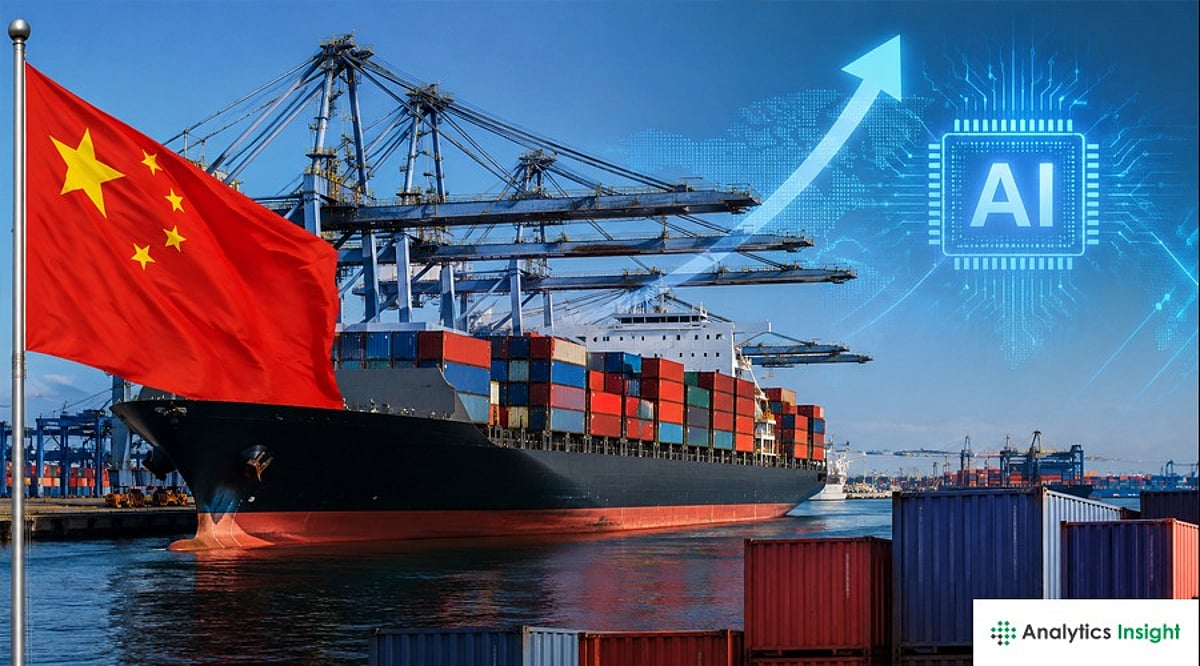
China’s exports and imports in June significantly surpassed market forecasts, driven by robust global demand for artificial intelligence (AI) hardware and strategic tariff front-loading by exporters. According to data released by the General Administration of Customs, exports rose 27% year-on-year—the strongest pace since October 2021 and well above the consensus forecast of 18.2%. Imports surged 36%, marking the largest single-month jump since 2021 and beating the 24% economists had anticipated.
AI Hardware and Tariff Front-Loading as Key Drivers
Two primary forces combined to produce the outsized June numbers. The first, more structural driver, is booming global demand for semiconductors, electronic components, and AI-related technology products, which are heavily concentrated in China’s manufacturing base. Wang Jun, China’s vice minister of customs, stated at a press briefing that imports and exports in the AI field are “robust,” directly linking the trade acceleration to the global buildout of data center infrastructure.
The second driver was tactical: Chinese exporters front-loaded shipments to the United States ahead of anticipated new tariffs, compressing several months of expected shipping activity into a narrower window. Aggressive pricing by manufacturers helped sustain order volumes even as factory-gate prices continued to fall.
“Rising global demand for AI infrastructure, advanced electronics, and capital equipment remains a key support for Chinese manufacturing exports,” said Hao Zhou, chief economist at Guotai Junan International Holdings. “With external demand holding up better than expected, policymakers face less urgency to launch aggressive stimulus,” he added.
Import Growth Hits a Five-Year High
The 36% import surge in June built on May’s already-strong 27.4% gain. Analysts attributed part of the acceleration to higher energy costs tied to the ongoing Middle East conflict, which pushed up commodity prices. However, high-tech product categories remained the core engine of volume growth.
China’s trade surplus widened to $125.6 billion in June, up from $105.4 billion the previous month—a record figure that is drawing scrutiny from trading partners. For the first half of 2026, exports climbed 17.6% year-on-year while imports rose 26.6%.
Diverging Trade Routes and Growing Scrutiny
The export gains are spreading unevenly across regions. Shipments to Southeast Asia jumped nearly 35% in June, while exports to the European Union and Latin America grew more than 18% and 28% respectively. China has been actively diversifying its export routes partly in response to rising tariff barriers, with businesses moving factories into Europe and ramping up shipments through Southeast Asian intermediaries.
“The global AI supercycle will continue to support the overall regional and Chinese trade performance,” said Samuel Tse, senior economist at DBS Bank Hong Kong Ltd. “Easing trade tension with the US also helps with the export momentum,” he added.
Outlook for China’s Export-Driven Economy
The widening surpluses are prompting pushback from US and European policymakers alarmed by growing trade deficits. A proposed US Senate bill threatening secondary tariffs of up to 500% on countries buying Russian oil—a category that includes China—could become a significant headwind. BNP Paribas analyst Wei Li cautioned that while robust shipments in autos and AI-related items should persist, export growth is becoming increasingly fragile and dependent on regulatory conditions that can shift quickly.
China’s stronger-than-expected trade figures highlight the resilience of its export sector despite global uncertainty. As AI infrastructure, advanced manufacturing, and technology demand continue to expand, the country’s trade momentum could remain a key driver of global supply chains and broader economic growth in the coming months.