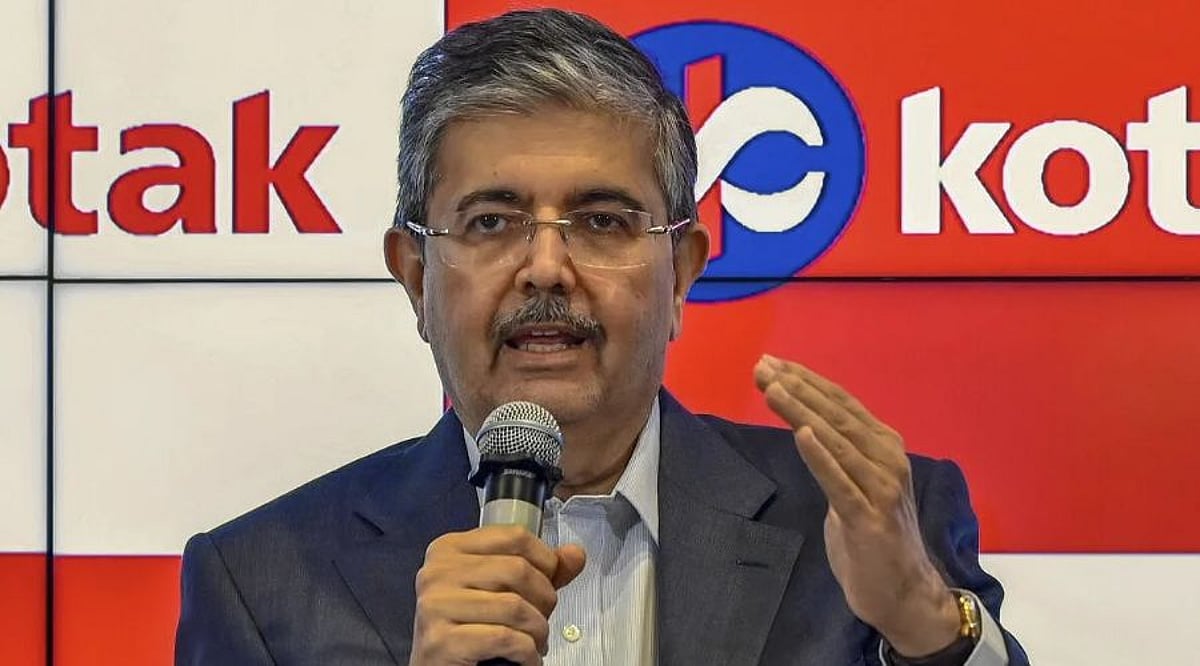
Veteran banker and Kotak Mahindra Bank founder Uday Kotak has urged the Indian government to rethink its approach to rising gold imports, warning that the country’s gross gold import bill could surge to $88–90 billion in the next fiscal year.
Speaking at the Conference on Financing India’s Journey Towards Viksit Bharat in New Delhi, Kotak said India must find a way to balance household demand for gold with the pressure that soaring imports place on the nation’s external finances. He suggested the government consider setting up a committee to examine the issue in depth.
Growing Current Account Deficit Concerns
Kotak projected that India’s current account deficit could widen to around $60 billion in FY27 if crude oil prices average nearly $90 a barrel. Against this backdrop, he expects gold imports to climb to as much as $90 billion.
The warning comes amid geopolitical tensions that have pushed energy prices higher and added strain to India’s import bill. According to Reuters, India’s crude oil imports rose 25.8% year-on-year to $16.69 billion in August, while the country’s crude basket averaged $90.19 a barrel during the month.
Gold imports, meanwhile, fell sharply to $2.3 billion in August. Data from the World Gold Council showed a 58% year-on-year drop, although the council anticipates that festive and wedding-related demand will support the market in the months ahead.
Household Gold and Fiscal Discipline
Kotak noted that Indian households hold substantial wealth in gold, but much of that wealth remains outside productive economic activity. Any policy response, he argued, should respect people’s demand for gold while addressing the pressure it creates on the capital and current accounts.
He also called for tighter fiscal consolidation, pointing out that India’s consolidated fiscal deficit remains above 7%. Experts say the government must maintain fiscal discipline even as it supports economic growth.
Kotak’s remarks highlight a long-standing policy challenge for India: how to accommodate strong household demand for gold without letting rising import values significantly worsen external-sector pressures.
Also Read: China’s New AI Side Hustle: People Earn By Licensing Their Faces
Join our WhatsApp Channel to get the latest news, exclusives and videos on WhatsApp.