
Tag: India stock market

  • How Nithin Kamath Leveraged Tech to Make Investing Accessible for Millions of Indians

    How Nithin Kamath Leveraged Tech to Make Investing Accessible for Millions of Indians

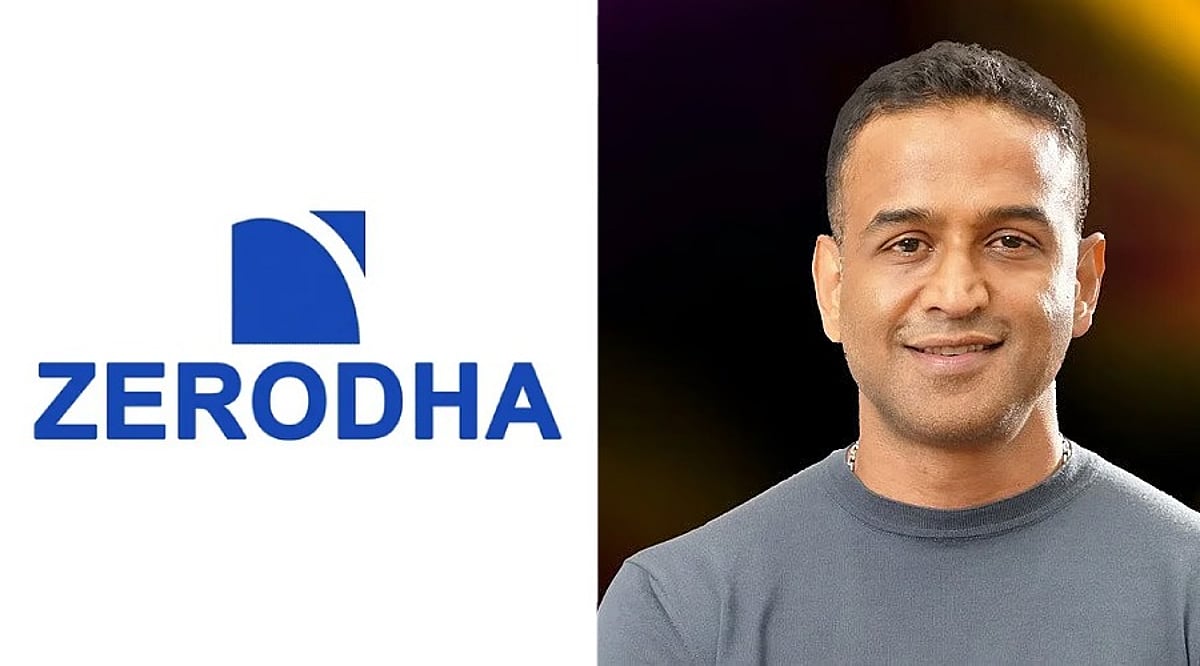
    Investing in stocks was once a complex, intimidating process reserved for the wealthy. High broker fees, mountains of paperwork, and a general fear of the unknown kept most middle-class families away from equities for decades. That picture has changed dramatically over the last fifteen years, and much of the credit goes to Nithin Kamath, co-founder and CEO of Zerodha. He built India’s largest stock brokerage on a simple idea: technology should remove barriers to investing, not create new ones.

    Today, Zerodha serves more than 1.6 crore customers and accounts for close to 15 percent of daily retail trading volumes in the country. This article explores how Kamath used technology to reshape investing for ordinary Indians and why his approach continues to matter.

    A Discount Broker Built on Technology, Not Middlemen

    Kamath started as a self-taught trader, buying his first penny stocks at age 17. Working through the early 2000s, he saw how traditional brokers charged hefty commissions and often had little incentive to help small investors succeed. In 2010, along with his brother Nikhil, he launched Zerodha. The name combines “zero” with “rodha,” the Sanskrit word for barrier. Instead of charging a percentage of every trade, Zerodha introduced a flat-fee model—a move almost unheard of in Indian broking at the time. Building the entire back-end in-house gave the company control over speed, reliability, and cost, three things that mattered enormously to retail traders tired of clunky platforms and hidden charges.

    Kite: Simplifying the Trading Experience for Millions

    Zerodha’s trading platform, Kite, became one of the clearest examples of Kamath’s technology-first thinking. Built to be lightweight and fast, Kite stripped away the clutter that made older trading terminals intimidating for first-time users. A student or shopkeeper with no finance background could open the app, place an order, and track a portfolio without needing a broker on the phone. This ease of use drove Zerodha’s rapid customer growth, especially during the pandemic when lakhs of young Indians opened their first demat account from home. Data from the past year shows demat account additions rose by over 20 percent, taking the industry total past 4.9 crore accounts, and platforms like Kite played a direct role in that surge.

    Varsity and Rainmatter: Investing in Financial Literacy

    Technology alone does not make confident investors. Kamath understood this early and built Varsity, a free educational platform that breaks down everything from stock market basics to advanced options strategies. Millions of users have gone through its modules, many stepping into the market for the first time with a clearer understanding of risk. Alongside Varsity, Zerodha runs Rainmatter, a fintech incubator and fund that backs startups working on financial inclusion, wealth management tools, and sustainability projects. Rainmatter has supported more than 50 startups, extending Kamath’s mission of democratizing finance well beyond Zerodha’s own platform.

    A Bootstrapped Model That Puts Users First

    One thing that sets Kamath apart from most tech founders is his refusal to raise external funding. Zerodha has remained completely bootstrapped since day one, funding its own growth through profits rather than venture capital. This decision keeps the company answerable to its customers rather than to investors chasing quick returns. Kamath has spoken openly about staying cautious on an IPO too, preferring independence over the pressure of public markets. This model has not been without bumps—regulatory changes around derivatives trading led to a sharp drop in brokerage revenue—yet Zerodha continues to expand into asset management and lending to diversify its income.

    Why This Approach Matters for India’s Financial Future

    India’s investing culture is still young compared to more developed markets, and a large part of the population remains outside formal financial systems. Kamath’s work tackles two problems at once: cost and confidence. Lower fees bring more people to the table, and better education keeps them there without falling into risky bets they don’t understand. As a member of a SEBI advisory committee, Kamath has also shaped market policy, pushing for reforms that protect smaller investors. His influence extends into how an entire generation of Indians thinks about money, savings, and long-term wealth creation.

    Final Thoughts

    Nithin Kamath’s journey from a self-taught trader to the head of India’s biggest brokerage reflects a larger shift in how the country approaches investing. Through low-cost trading, an accessible platform in Kite, free education through Varsity, and continued investment in fintech innovation via Rainmatter, he has helped bring capital markets within reach of everyday Indians. As more people in smaller towns and cities come online, Kamath’s technology-driven model looks set to keep shaping the next chapter of India’s investing story.

    Frequently Asked Questions

    1. What is Zerodha known for?

    Zerodha is India’s largest stock brokerage, known for pioneering the flat-fee discount brokerage model and building its own technology in-house rather than relying on third-party platforms.

    2. What is Kite in Zerodha?

    Kite is Zerodha’s trading platform, designed to be simple and fast so that even first-time investors with no finance background can trade and track their portfolios easily.

    3. What is Varsity by Zerodha?

    Varsity is a free educational platform by Zerodha that teaches users about the stock market, from basic concepts to advanced options strategies.

    4. Why has Zerodha never raised external funding?

    Nithin Kamath chose to keep Zerodha bootstrapped so the company stays accountable to its customers rather than to investors seeking quick returns.

    5. What is Rainmatter?

    Rainmatter is Zerodha’s fintech incubator and fund, which has backed over 50 startups working on financial inclusion, wealth management, and sustainability.

  • Top Brokers by Active Investors in India: August 2026 Rankings

    Top Brokers by Active Investors in India: August 2026 Rankings

    India’s brokerage landscape continues to evolve, with digital-first platforms leading the charge in attracting active investors. As of August 2026, the latest data reveals which brokers command the largest active investor bases, highlighting the shift toward low-cost, user-friendly trading solutions.

    Groww: The Market Leader

    Groww has emerged as India’s largest broker with over 1.3 crore (13 million) active investors. The platform’s success is driven by its easy onboarding process, low-cost investing options, and a highly intuitive trading interface that appeals to both new and experienced investors.

    Zerodha: Strong Loyalty and Education

    Zerodha, India’s pioneering discount broker, retains nearly 69 lakh (6.9 million) active investors. Its powerful trading tools and extensive educational resources continue to foster strong user loyalty and engagement.

    Angel One: Digital-First Expansion

    Angel One has rapidly grown to over 32 lakh (3.2 million) active investors. The broker’s digital-first approach, combined with robust research support and diversified investment offerings, has fueled nationwide expansion.

    Upstox: Competitive and Growing

    Upstox maintains more than 29 lakh (2.9 million) active investors by offering competitive pricing, advanced charting tools, and a seamless investing experience. Its fast-growing retail participation reflects increasing trust in digital brokerage.

    ICICI Direct: Trusted Full-Service Broker

    ICICI Direct serves around 20 lakh (2 million) active investors. As a full-service broker, it provides integrated banking, wealth management, comprehensive research, and a wide range of investment solutions.

    HDFC Securities: Banking Integration

    HDFC Securities holds approximately 16 lakh (1.6 million) active investors. Its strong integration with HDFC Bank, advisory services, and reliable customer support make it a preferred choice for many.

    Kotak Securities: Comprehensive Offerings

    Kotak Securities has around 15 lakh (1.5 million) active investors. The broker offers comprehensive trading platforms, research-backed recommendations, and seamless banking integration, backed by long-standing market credibility.

    Motilal Oswal and SBI Securities

    Motilal Oswal serves nearly 11 lakh (1.1 million) active investors, combining quality research with wealth management expertise and portfolio advisory. SBI Securities, backed by India’s largest public sector bank, also supports around 11 lakh active investors with trusted trading and investment services.

    This data underscores the growing preference for digital brokers that prioritize ease of use, low costs, and educational support, while traditional full-service brokers maintain a significant presence through integrated banking and advisory services.

  • Best IPO Index Funds in India to Watch in 2026

    Best IPO Index Funds in India to Watch in 2026

    India’s fast-growing IPO market has sparked strong interest in funds that offer exposure to newly listed companies. While pure IPO index funds are still limited in the country, several mutual fund and index fund options provide compelling access to recent public offerings and emerging market leaders. This guide explores the top choices for investors in 2026.

    Why IPO-Related Funds Are Gaining Traction

    India is experiencing one of its strongest IPO cycles, with major companies preparing for public listings. Upcoming issues like Jio Platforms (expected over Rs. 30,000 crore) and the National Stock Exchange (also around Rs. 30,000 crore) have fueled retail and institutional enthusiasm. SBI Funds Management has also received regulatory approval for its IPO. These large listings could attract global investment and broaden retail participation, making IPO-focused funds a key wealth creation theme.

    IPO-related funds allow investors to participate in early growth stages after a company’s stock market debut, without the uncertainty of direct IPO allotment. They offer diversification and professional management, though they carry higher risk due to the volatility of newly listed companies.

    Top IPO Index and Mutual Funds in India (2026)

    1. Edelweiss Recently Listed IPO Fund

    This is the closest option to a dedicated IPO fund in India. It invests primarily in companies listed within the last three years, offering exposure to their early growth phase. The fund has an AUM over Rs. 1,000 crore, a NAV near Rs. 31.95, and a minimum SIP of just Rs. 100. Its portfolio spans technology, healthcare, financial services, and manufacturing. Risk is high due to the focus on new companies.

    2. Nippon India Nifty Next 50 Index Fund

    Though not a direct IPO fund, this passive fund tracks the Nifty Next 50 index, which includes companies just below the top 50. Many successful IPOs eventually enter this category before moving to larger indices. It offers low expense ratios and strong institutional backing, making it a cost-effective way to gain indirect IPO exposure.

    3. UTI Nifty 50 Index Fund

    This trusted passive fund provides long-term exposure to India’s largest companies. While it doesn’t directly invest in IPOs, it automatically benefits when newly listed firms grow and enter the Nifty 50. With over Rs. 27,000 crore in AUM, low expense ratio, and minimal tracking error, it’s ideal for stable, diversified growth.

    4. HDFC Nifty Next 50 Index Fund

    Similar to the Nippon fund, this one focuses on companies with potential to become blue-chip stocks. Many recent IPOs enter this index after successful expansion. It offers higher growth potential than Nifty 50 funds, with the advantages of passive management and no stock selection bias.

    5. Motilal Oswal Midcap and Emerging Index Funds

    These funds target midcap and emerging companies, many of which are recent IPOs in sectors like electric vehicles, fintech, manufacturing, and consumer technology. They provide indirect access to India’s IPO ecosystem, as newly listed firms often start in the midcap space before ascending to large-cap status. Several 2026 IPOs have delivered listing gains of 70% to 150%.

    Final Outlook for 2026

    India’s stock market stands at a pivotal stage with rising public listings and strong investor participation. While pure IPO index funds remain scarce, the options above—focused on recently listed companies, emerging businesses, and future leaders—offer viable pathways. Investors should weigh the higher risk against potential rewards and consider their long-term goals.

    Frequently Asked Questions

    1. What is an IPO index fund?
    It’s a fund that gives exposure to newly listed companies after their IPO launch.

    2. Does India have dedicated IPO index funds?
    India has limited direct IPO funds, but several funds focus on recently listed companies.

    3. Which fund is closest to an IPO fund in India?
    The Edelweiss Recently Listed IPO Fund is one of the closest options available.

    4. Are IPO-related funds risky?
    Yes, these funds usually carry high risk because new companies can show price volatility.

    5. Why are IPO funds popular in 2026?
    Large upcoming IPOs and strong stock market growth have increased investor interest.