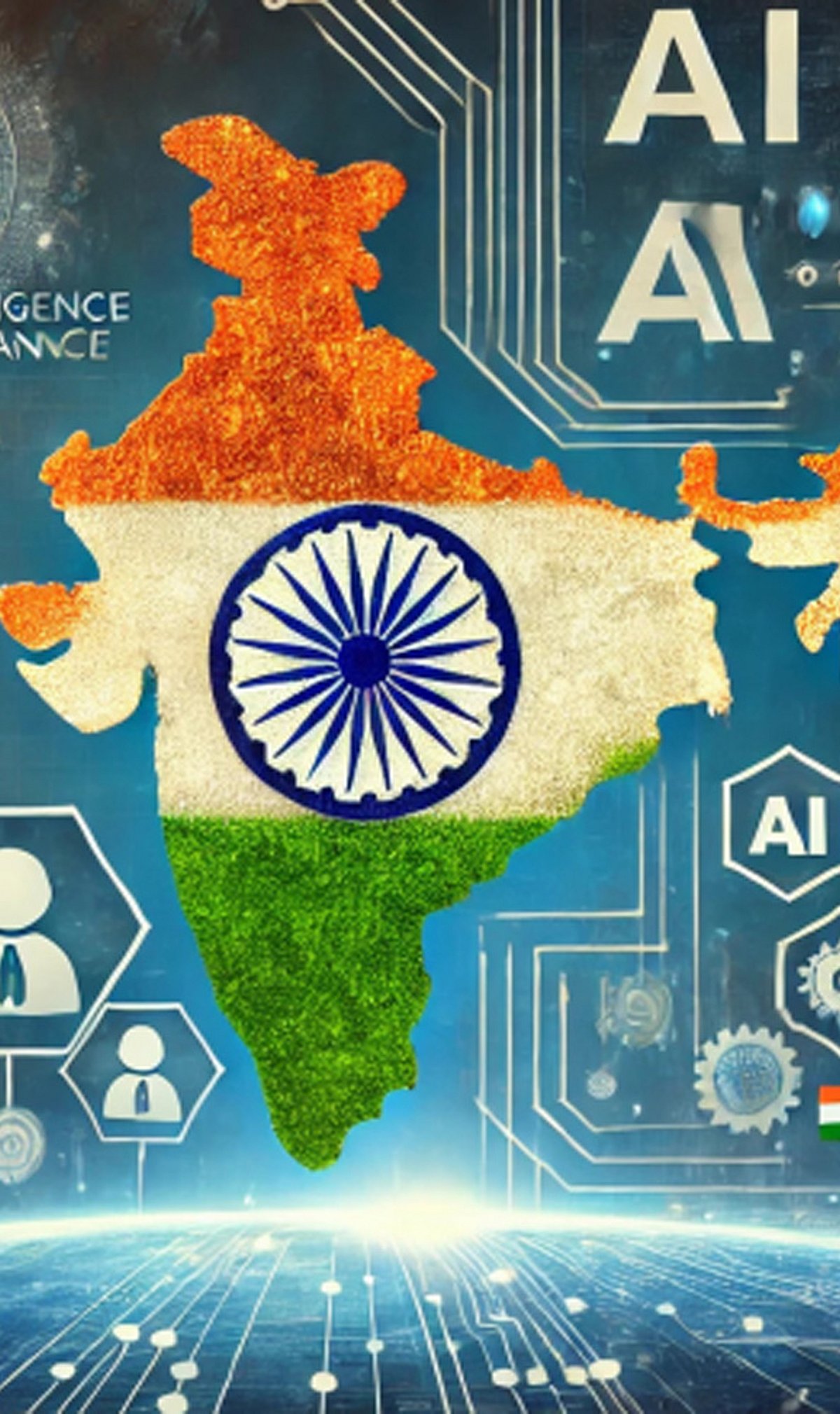
Governments worldwide are moving AI education from the margins to the center of national policy. Infrastructure, curriculum, and regulation are now being built together to expand the AI talent pool. Nowhere is this shift more visible than in India, where the IndiaAI Mission and the National Education Policy (NEP) 2020 are working as parallel engines, while regulators like AICTE and UGC determine how quickly institutions can respond.
Why AI Education Has Become a Policy Priority
As AI creates new demand for skilled workers, governments need people who can develop, apply, and manage AI systems across the economy. Education has therefore become a central pillar of national AI strategy. Governments are restructuring data science and AI courses, improving access to technical education, and working with industry to identify the skills employers actually need. The real challenge is no longer whether countries should build AI talent, but how policy can build that talent at scale — and whether it can reach beyond the institutions that already lead.
Three Models, One Direction
Three broad approaches to AI talent development are emerging around the world. Each starts from a different point, but all are moving toward the same goal: growing the supply of AI-capable professionals.
India’s Two Engines: Infrastructure and Curriculum
India is pursuing AI education through two engines moving side by side. The first is infrastructure. Launched in 2024 with an outlay of Rs. 10,372 crore over five years, the IndiaAI Mission supports computing infrastructure, datasets, and innovation ecosystems. Its education layer includes AI Centers of Excellence and efforts like the IndiaAI-Meta ‘Srijan’ Center at IIT Jodhpur, which turns national compute spending into practical student skills.
The second engine is curriculum. NEP 2020 provides the broader framework for spreading AI and data science across higher education. IITs and NITs have moved from AI electives to full degree specializations, and the SWAYAM platform now offers more than 370 AI and analytics courses with more than 4,10,000 enrollments.
Regulation as a Speed Mechanism
Regulators are shaping how quickly institutions can adapt. AICTE sets curricular direction through Model B.Tech programs in AI and Data Science, pushing AI concepts into branches outside computer science. UGC promotes flexibility by allowing students to earn roughly 40% of their credits through online learning. Together, these policies give universities room to add emerging AI content without waiting for a full policy cycle. Regulation, in this sense, is not just about limits. It is about speed.
Why Government Needs Industry
Government provides scale, universities add academic structure, and industry brings current tools and workplace relevance. Digital platforms then extend access to a much wider audience. None of these can replace the others. Policy can fund compute and set standards, but it cannot supply live datasets or current hiring expectations at the pace that industry can.
NASSCOM’s FutureSkills PRIME, which has trained over 1.6 million learners, along with ties to firms like Microsoft, IBM, Google, and SAP, keeps the policy framework current in practice rather than as an add-on.
The Capacity Gap
When AI infrastructure grows faster than institutions can absorb it, leading institutions have a clear advantage. They have stronger faculty, better access to computing resources, and closer industry connections. Smaller institutions face faculty shortages, weaker infrastructure, and less room to update curricula at pace. A national AI strategy can look successful on paper — with more courses and more funding — while still producing uneven outcomes across institutions.
Final Thoughts
India is not short on AI policy. It is short on reach. The mission is funded, the curriculum reforms are in place, and industry ties are growing. But none of that matters much if it stays confined to the same handful of top institutes. The real test is whether ordinary colleges get a fair shot too, or whether the gap between India’s best and everyone else keeps growing.