India’s digital transformation is expanding the technology landscape for enterprises across sectors. Cloud adoption, connected ecosystems and AI are creating new opportunities while also increasing the number of entry points for cyber threats.
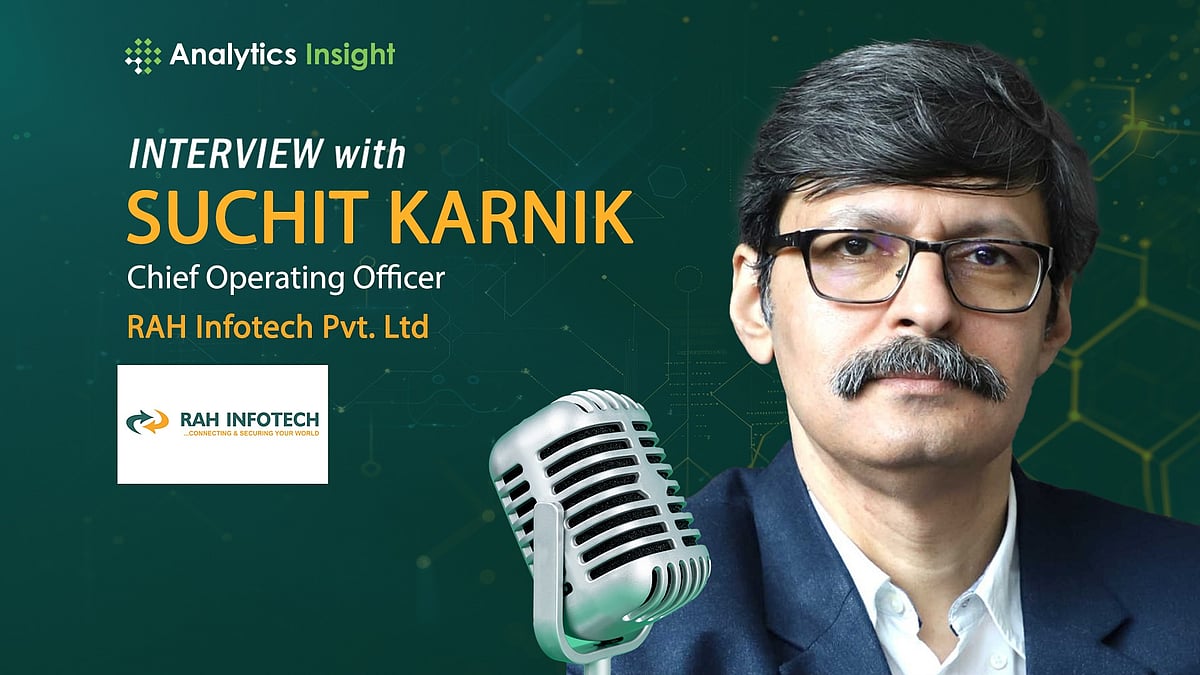
In this episode of the Analytics Insight Podcast, host Priya Dialani speaks with Suchit Karnik, Chief Operating Officer at RAH Infotech, about the changing cybersecurity landscape and the growing importance of cyber resilience.
Karnik discusses how enterprises can move beyond traditional security models. He explains why identity has become a critical security layer, how organizations can strengthen cloud governance, and why data classification and employee awareness matter under India’s data protection framework.
What Does the Shift from Cybersecurity to Cyber Resilience Mean?
I see cyber resilience as the ability to prepare for an attack, respond to it and continue business operations. Organizations cannot assume that they can prevent every attack. The threat landscape has expanded across credentials, email, cloud applications, and other access points. A single malicious email can expose sensitive information and create financial or reputational damage. That makes resilience a business requirement rather than simply an IT function. I also see AI creating new risks through deepfakes, voice manipulation and sophisticated identity attacks. Organizations need to bring cybersecurity into the boardroom and make resilience part of their overall business strategy.
Why has Identity Become a Critical Layer in Enterprise Security?
I believe identity has become one of the most important security controls for modern enterprises. Every user has specific access and privileges, so organizations need to know who is logging in and what that person can access. Identity and access management, privileged access management and identity verification can help establish those controls. Organizations also need audit trails and rule-based access policies. Cloud adoption has made this even more important since employees access applications and data from different locations and devices. I also see passwordless authentication gaining importance. Organizations need strong identity verification to ensure the right person accesses sensitive systems.
Why are Governance and Data Classification Important for Cloud Security?
I see governance as a critical part of cybersecurity, especially as organizations move more applications and data to the cloud. The first step involves classifying data based on its importance and sensitivity. Organizations then need to educate employees who handle that information. I believe data needs protection regardless of where it sits. It could exist on a laptop, an on-premises server or a cloud platform. Personal information also requires careful handling. Organizations need clear governance frameworks that explain how people should protect, monitor and share information. Standards such as ISO frameworks can also help organizations establish structured controls and auditing practices.
How is RAH Infotech Building its Role as a Trusted Advisor?
I joined RAH Infotech with the objective of strengthening its operational and governance processes. We want to work as a trusted advisor for our partners and customers rather than simply following an OEM-centric approach. Today, more than 30% of our 250-plus employees have technical roles. We invest significantly in training since technical capability helps us understand customer challenges and recommend suitable solutions. Around 85% to 90% of our revenue comes from cybersecurity solutions. We focus on a solution-centric approach that helps system integrators and end customers understand their technology requirements and address their specific security challenges.
What Should Enterprises Prioritize as AI-Driven Threats Increase?
I believe organizations need to make cybersecurity a business priority rather than treat it only as a cost centre. AI will create new forms of cyber threats, including deepfakes, voice manipulation and identity-based attacks. Organizations need to prepare for these risks through stronger identity controls, better governance and continuous employee awareness. They also need to understand their data and decide who can access it. Cyber resilience requires organizations to think beyond prevention. They need systems and processes that help them respond when an incident occurs. I also believe senior leadership must actively participate because cybersecurity now affects business continuity, reputation and growth.