
Tag: Indian startups

  • India’s 10 Most Promising Tech Startups Shaping 2026

    India’s 10 Most Promising Tech Startups Shaping 2026

    India’s startup ecosystem is undergoing a significant transformation. While previous years were dominated by conversations about massive funding rounds and valuations, the focus in 2026 has shifted toward sustainable growth, real-world problem-solving, and long-term profitability. Investors are now asking more critical questions: Is the business growing steadily? Does it solve a genuine problem? Can it generate sustainable revenue?

    This shift has created fertile ground for a new generation of startups across artificial intelligence, healthcare, financial services, electric vehicles, cloud computing, and space technology. These companies are building products that businesses and consumers actually need—from efficiency tools to accessible financial services. Below are ten Indian tech startups that are set to make an impact in 2026.

    Why Investors Are Paying Attention

    The startup landscape has become more pragmatic. While innovation remains paramount, investors are backing ventures with clear purpose and viable business models. Most startups now focus on solving everyday challenges rather than chasing trends. Government support for technology development and innovation is also fueling this growth.

    What Makes These Startups Different?

    Many startups launch every year, but only a few stand out. The companies on this list prioritize solving real problems. Some help businesses manage data more efficiently, others simplify financial services, and several are advancing health tracking or building space technology. Additionally, many of these startups are designed for global markets, giving them access to a larger customer base and more expansion opportunities. Most importantly, these companies are building products people actually use—substance over hype.

    Big Trends Shaping Indian Startups in 2026

    Businesses need tools that enable employees to work faster and smarter. Startups are delivering practical, less complex AI solutions. The healthcare sector is expanding rapidly due to rising consumer interest in health and fitness, opening doors for wellness-focused tech companies. Fintech continues to thrive as demand for faster, more convenient financial services grows. Electric mobility is also gaining traction, creating a pressing need for robust charging infrastructure. Meanwhile, space technology—once the domain of government agencies—is now attracting private players, with several Indian companies already achieving notable results.

    Why These Companies Matter

    The most successful startups are often not the loudest. They quietly solve problems every day—helping businesses save costs, making healthcare more accessible, improving financial services, and supporting emerging industries. These companies are building products with real impact, which is why investors, customers, and industry experts are closely watching them.

    Looking Ahead

    India’s startup environment is maturing. The “growth at any cost” mindset is giving way to value creation, problem-solving, and sustainability. The success stories of 2026 won’t come from companies that make the most noise; they will come from those that create something useful and earn customer trust. The ten firms highlighted here are among those to watch as India’s technology industry enters its next phase of growth.

    Why It Matters

    India’s next generation of technology startups is shaping the future of innovation across multiple industries. By developing practical solutions, creating employment opportunities, attracting investment, and expanding globally, these companies are strengthening India’s digital economy and driving long-term technological growth.

    FAQs

    Which are the top Indian tech startups to watch in 2026?

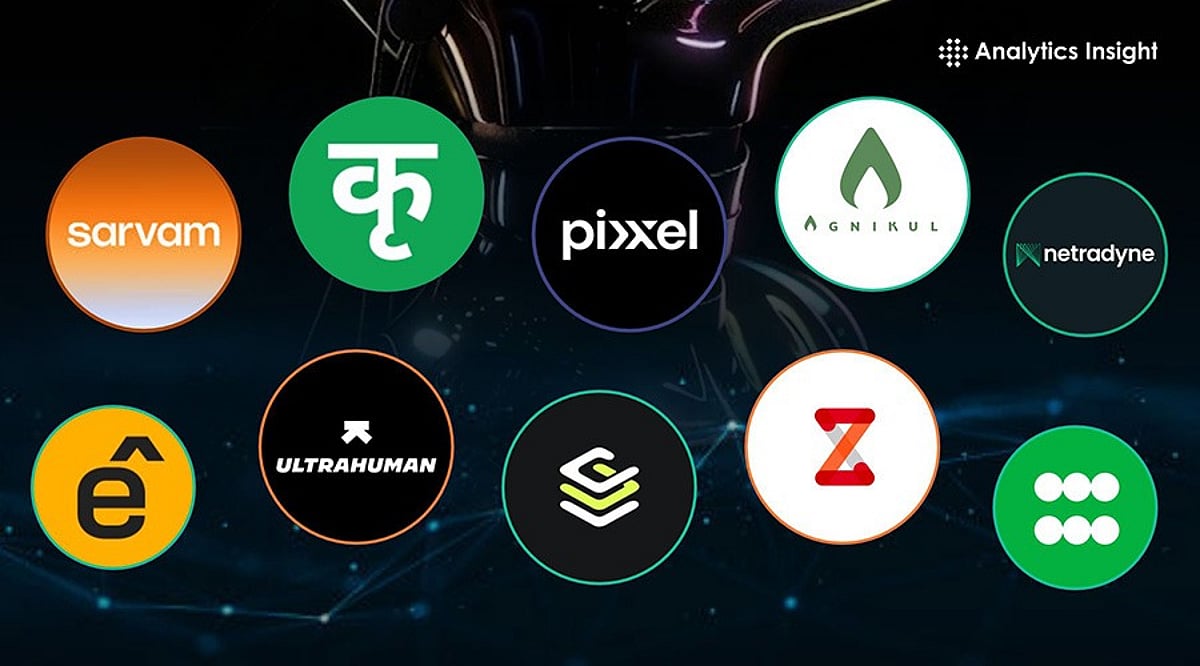
    Some of the most promising include Sarvam AI, Krutrim, Pixxel, Agnikul Cosmos, Netradyne, Exponent Energy, Ultrahuman, Lucidity, Zolve, and Equal. These companies are driving innovation across AI, space tech, fintech, healthtech, and cloud computing.

    Why are investors focusing on Indian tech startups in 2026?

    Investors are backing startups with sustainable business models, strong revenue potential, and products solving real-world problems. They prioritize long-term profitability, customer adoption, operational efficiency, and scalability across domestic and international markets.

    Which sectors are driving India’s startup ecosystem in 2026?

    AI, fintech, healthtech, electric mobility, cloud computing, identity technology, and commercial space technology are among the fastest-growing sectors. These industries benefit from digital adoption, supportive policies, private investment, and rising technology-driven demand.

    Why is AI becoming a major focus for Indian startups?

    AI startups are developing language models, enterprise automation tools, customer service platforms, and productivity solutions tailored to India’s diverse market. Businesses across industries adopt AI to improve efficiency, reduce costs, automate tasks, and enhance customer experiences.

    What makes Indian space startups attractive to investors?

    Private companies like Pixxel and Agnikul Cosmos are building satellite technologies, launch vehicles, and Earth observation solutions with global commercial potential. Government reforms and increased private participation have created new opportunities for innovation and international partnerships.
  • India’s Startup Ecosystem Enters a New Era: Prioritizing Profitability, Public Markets, and Deep-Tech Innovation

    India’s Startup Ecosystem Enters a New Era: Prioritizing Profitability, Public Markets, and Deep-Tech Innovation

    India’s startup ecosystem is entering a defining phase. The years of easy capital, rapid expansion, and soaring valuations have given way to a more measured approach. Investors are asking tougher questions, founders are focusing on sustainable growth, and public markets are emerging as a key source of capital.

    The shift marks a turning point for a sector that transformed India’s business landscape over the past decade. With more than 1.59 lakh DPIIT-recognized startups and over 1.66 million jobs created, the ecosystem remains one of the country’s strongest engines of innovation. The challenge now is not whether startups can grow, but whether they can build durable businesses while maintaining momentum.

    Why Profitability Has Become a New Benchmark

    Previously, success for startups was mostly measured by how many rounds of funding they managed to raise, and at what valuations. The whole idea was to push hard on customer acquisition and growth while ignoring profitability, or assuming it could come later. But now, the dynamics of success have shifted. Higher interest rates, greater investor caution, and a generally hard-edged funding environment have pushed startups to rethink what matters most. Just growing revenue isn’t enough anymore. Investors want clearer signals, such as solid unit economics, operational efficiency, and a path toward profitability.

    This shift is already visible in the Indian tech space. Many startups are either turning profitable or at least trimming losses, suggesting a more careful, disciplined approach to management.

    Public Markets Are Reshaping Startup Ambitions

    Another major change is the growing role of public markets. The IPO is now an option available to mature startups. Companies that relied heavily on venture capital funding in their early days are now raising capital through stock offerings on public exchanges. This brings a new level of accountability. The importance of sound governance, financial transparency, efficient cash flow management, and business sustainability outweighs the hype about growth in the public markets environment. Startup founders now focus on such matters much earlier than ever before.

    Beyond Bengaluru and Mumbai

    India’s entrepreneurial journey is no longer confined to a few metro cities. Young entrepreneurs from tier-II and tier-III cities are setting up companies across sectors such as fintech, logistics, healthcare, education, and more. Internet connectivity, digital payment systems, and access to an online workforce have significantly lowered barriers, even for those working outside traditional startup hubs. Smaller cities themselves have become emerging markets, as technology adoption rises and consumer spending power increases steadily. This geographic expansion has diversified the startup landscape in the country.

    Deep-Tech Emerges as the Next Frontier

    Consumer internet businesses dominated India’s startup ecosystem for much of the past decade. The next wave may come from deep-tech sectors. Firms engaged in artificial intelligence, semiconductor design, robotics, climate technology, space technology, and sophisticated software have become a major area of interest for investors. However, deep-tech firms face specific challenges: large sums of capital, long gestation periods, and specific talent requirements. Nevertheless, investors and policymakers recognize that India’s future economic success will depend on its capacity to develop innovative deep technologies.

    Challenges That Refuse to Disappear

    The ecosystem must not ignore its problems. Investments remain selective, especially for early-stage startups. Investors prefer startups with proven business models and revenue streams. Startups face a talent shortage, particularly in areas such as artificial intelligence, chip design, and advanced engineering. Some regulations could pose challenges, especially for startups without sufficient funds to comply. Uncertainty about the global economy adds yet another problem: slow growth in key markets could negatively impact investments and expansion.

    What Comes Next for Indian Startups

    The startup ecosystem in India is transitioning from its teenage phase to adulthood. The focus will shift from chasing valuations to building robust companies. Profitability will serve as a competitive advantage. Corporate governance systems are improving. Capital markets have opened new ways to raise money. Deep technology innovation leads to opportunities beyond consumer-facing offerings. The coming decade could witness more stable businesses rather than eye-catching funding rounds. It will be imperative for entrepreneurs to strike the right balance between innovation, financial prudence, scalability, and performance.

    This is a pivotal time for the Indian startup ecosystem. The decisions made by entrepreneurs and investors will determine whether India succeeds in nurturing future global leaders or falls short.