Tag: indoor air quality

  • Best Quiet Air Purifiers for a Peaceful, Healthy Home (2026 Guide)

    Best Quiet Air Purifiers for a Peaceful, Healthy Home (2026 Guide)

    Key Takeaways:

    • Clean indoor air does not require loud fan noise.
    • Low-noise air purifiers suit bedrooms, offices, and study spaces.
    • Room size and filtration quality matter as much as quiet performance.

    A good air purifier keeps dust, pollen, smoke, pet hair, and other tiny particles away from indoor air. Many people want fresh air at home, yet loud fan noise often becomes a problem during work, sleep, or study. Silent air purifiers solve this issue with quiet motors and smart airflow. These models clean the room while keeping sound at a very low level. The latest expert tests also show that quiet performance does not reduce cleaning power. The following air purifiers offer excellent air cleaning along with peaceful operation.

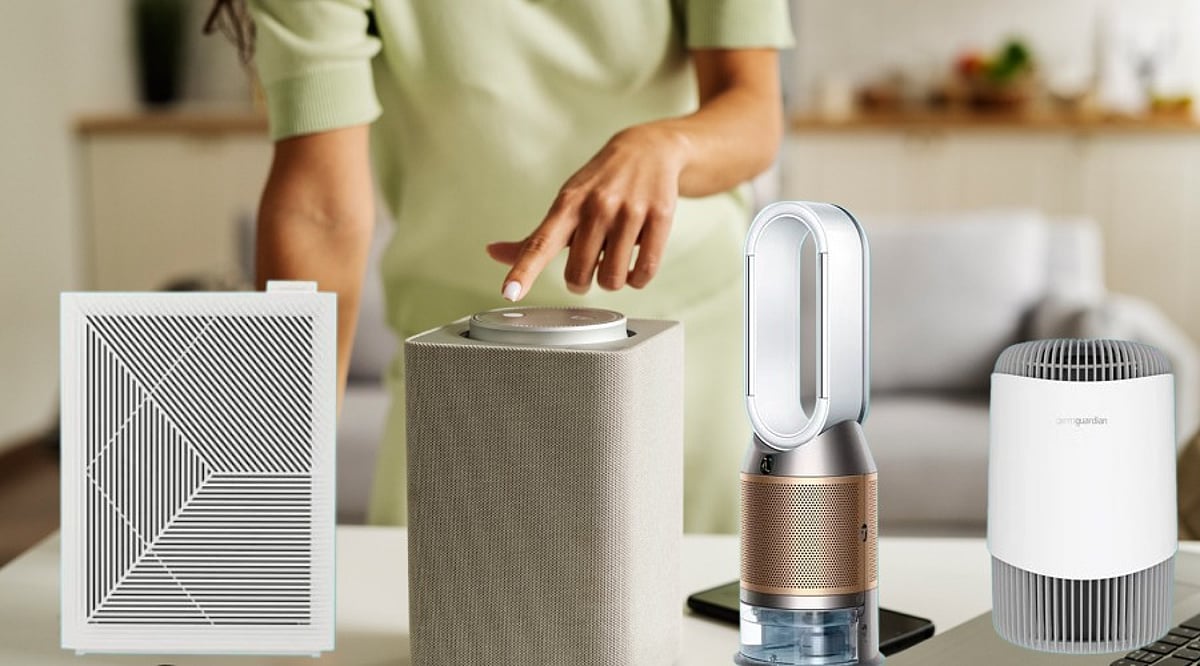
    Coway Airmega 150

    The Coway Airmega 150 stands at the top of the list for quiet performance and reliable air cleaning. This model works well in bedrooms, living rooms, and home offices where silence matters. Sound levels stay between 22 and 49 decibels, so the fan never creates a major disturbance. The True HEPA filter removes dust, pollen, pet dander, and other fine particles from indoor air. The modern design also blends easily with different home styles. Strong cleaning ability, low sound, and dependable quality make this purifier a favorite among experts.

    Blueair Blue Pure 511i Max

    The Blueair Blue Pure 511i Max is a compact air cleaner but powerful enough to match the performance of bigger models. It is suitable for smaller bedrooms, apartments, and workspaces as it takes almost no usable space. The sound level ranges from 19 to 48 decibels, making it one of the world’s quietest models. It features smart technology that enables control via mobile app and has an advanced filtration system that efficiently captures different airborne pollutants.

    Levoit Core 300S

    The Levoit Core 300S is a good choice if you are looking for a reasonably priced unit that is quiet and offers smart features. This air purifier works quietly, making little noise during sleep mode, at 22-50 decibels. The True HEPA filter ensures excellent filtering of contaminants such as dust, pollen, and smoke. Voice control and app functions make it convenient for users.

    Winix 5500-2

    The Winix 5500-2 continues to earn praise for dependable performance at an affordable price. Sound levels remain between 27 and 54 decibels, which keeps the room comfortable throughout the day and night. Its True HEPA filter works together with an activated carbon filter to reduce dust, allergens, and household odors. Sleep Mode lowers fan speed automatically, creating a quieter atmosphere during bedtime. Strong filtration and long-lasting value make this purifier a popular choice.

    Coway Airmega AP-1512HH Mighty

    The Coway Airmega AP-1512HH Mighty has established itself as a trusted purifier over the years. It works quietly in the range of 24-53 dB while providing efficient air cleaning in medium-sized rooms. Thanks to its multi-stage filtration system, it captures even the tiniest air particles and eliminates unwanted odors. With its compact design, it is easy to place anywhere. This device shows great performance and works quietly.

    Smart Air SA600

    The Smart Air SA600 works well and quietly both in medium and large rooms. Noise levels are 23-52 dB, allowing it to work peacefully without disturbing the atmosphere. Thanks to effective airflow, it cleans bigger areas without producing unnecessary noise. The design focuses on practical use rather than superfluous features.

    Blueair DustMagnet 5410i

    The Blueair DustMagnet 5410i combines a stylish appearance with advanced air cleaning technology. Noise remains between 23 and 50 decibels, which allows comfortable conversation, work, or rest without distraction. Its design attracts dust before it spreads across furniture and floors, helping maintain a cleaner home. Smart features provide simple control, while efficient filtration removes fine airborne particles. The elegant exterior matches modern home décor without difficulty.

    Dyson Purifier Big+Quiet BP04

    The Dyson Purifier Big+Quiet BP04 focuses on large rooms that need strong air circulation without loud fan noise. Sound levels range from 21 to 56 decibels, which stays surprisingly low for a purifier with such high airflow. Advanced engineering directs purified air across wide spaces while limiting unnecessary sound. The premium build quality, modern appearance, and excellent filtration system place this purifier among the leading choices for spacious homes and offices.

    IQAir HealthPro Plus

    The IQAir HealthPro Plus delivers hospital-grade air purification with impressive attention to detail. Noise levels stay between 25 and 57 decibels, which remains comfortable at lower fan speeds. The HyperHEPA filtration system captures extremely small airborne particles that many standard filters cannot remove. This purifier suits people who need very high air quality for health reasons or sensitive indoor environments. Exceptional filtration performance makes it one of the most trusted premium air purifiers available.

    Rabbit Air MinusA2

    The Rabbit Air MinusA2 offers quiet performance along with a unique wall-mount design that saves floor space. Noise stays between 20 and 45 decibels, making this purifier one of the quietest models on the market. Customizable filters allow better control over specific air quality needs such as pet odors, smoke, or allergies. The slim appearance blends naturally into modern interiors while the efficient filtration system keeps indoor air fresh and clean. Its combination of silent operation, flexible filter options, and attractive design makes it a strong choice for peaceful living spaces.

    Why This Matters

    Clean indoor air supports better health, comfortable sleep, and a pleasant home environment. A silent air purifier improves air quality without constant fan noise that interrupts daily life. Quiet performance allows normal activities such as reading, working, relaxing, or sleeping while fresh, filtered air circulates throughout the room every day.

    Final Thoughts

    Silent air purifiers offer an excellent combination of effective air cleaning and peaceful operation. Every model on this list delivers reliable filtration while keeping noise at a comfortable level. Room size, budget, and preferred features help determine the right choice. A quality silent air purifier creates a cleaner, fresher, and more comfortable indoor space throughout the year.

    Frequently Asked Questions

    What is considered a quiet air purifier?

    Most quiet air purifiers operate between 20 and 30 decibels on low settings, which creates very little background sound.

    Do silent air purifiers clean air effectively?

    Yes. Many silent air purifiers use True HEPA filters and activated carbon filters that remove dust, pollen, smoke, pet dander, and odors without loud operation.

    Which room works best for a silent air purifier?

    Bedrooms, nurseries, home offices, and study rooms benefit the most from a quiet air purifier, although larger models also perform well in living rooms.

    How often should an air purifier filter be replaced?

    Most manufacturers recommend filter replacement every 6 to 12 months, although usage and indoor air quality may change the schedule.

    Which feature deserves the most attention before purchase?

    Room coverage, filtration system, noise level, energy efficiency, and maintenance costs help determine the best air purifier for long-term use.
  • AC vs. Dehumidifier: Which Appliance Works Best During Monsoon Season?

    AC vs. Dehumidifier: Which Appliance Works Best During Monsoon Season?

    Monsoon brings cool weather but also sticky air, damp walls, and musty smells. If your home feels humid, choosing the right appliance matters. While both an AC and a dehumidifier reduce moisture, they work differently and suit different situations.

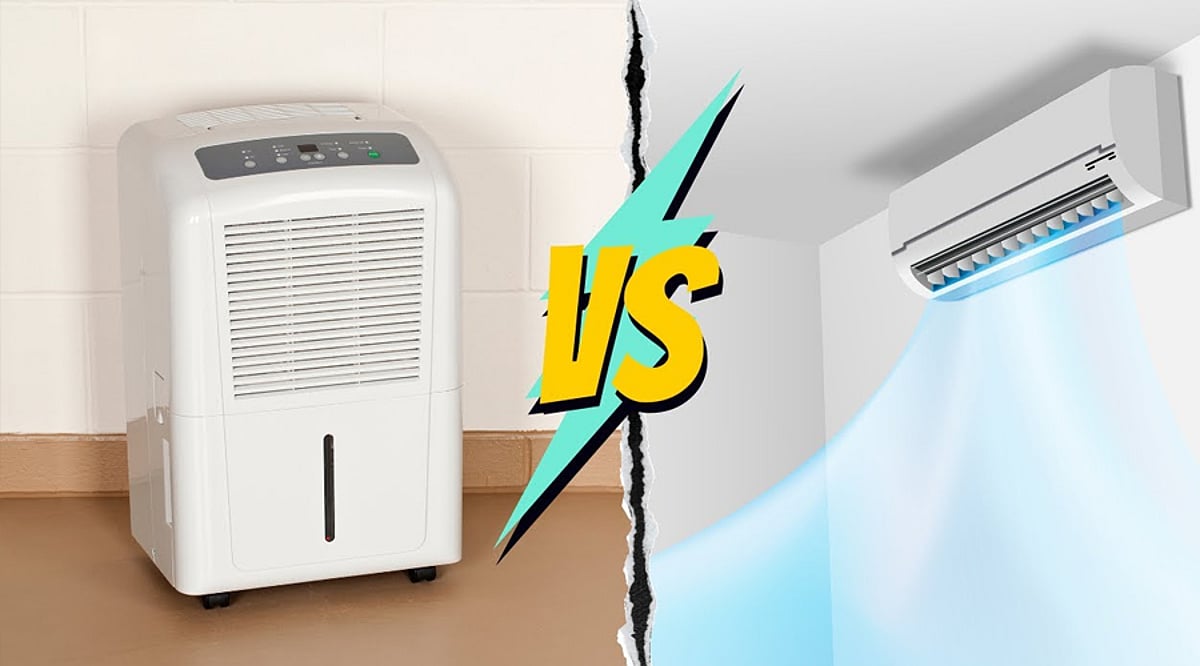
    An air conditioner removes moisture as it cools the room. A dehumidifier does one job—extracting excess water from the air while keeping the room at nearly the same temperature. That’s why it’s more effective for humidity control alone.

    Choose a dehumidifier if your home has damp walls, mold, mildew, musty odors, or clothes that take too long to dry. It keeps indoor humidity in the ideal range without making the room uncomfortably cold and usually uses less electricity than an AC.

    Use your AC, especially Dry Mode, when the weather is both hot and humid. It cools the room while removing some moisture, making it the better option during hot summer or humid monsoon afternoons.

    A dehumidifier is usually cheaper to run because it consumes less power than an air conditioner. It also helps prevent mold growth, reduces damp smells, protects furniture, and speeds up indoor clothes drying during rainy days.

    If your home feels extremely damp, using both appliances together can give the best results. Let the AC cool the room while the dehumidifier removes excess moisture, creating a more comfortable and healthier indoor environment.

    Final verdict: If your home is humid but not hot, buy a dehumidifier. If it’s hot and humid, use an AC with Dry Mode. For severe monsoon dampness, combining both appliances offers the best comfort and moisture control.

  • Essential Factors to Consider When Buying an Air Purifier

    Essential Factors to Consider When Buying an Air Purifier

    Choosing the right air purifier can significantly improve indoor air quality, but with so many options on the market, it’s important to focus on key features that match your needs. Here’s a comprehensive guide to help you make an informed decision.

    HEPA Filter Quality

    A true HEPA filter is non-negotiable for effective air purification. It captures up to 99.97% of airborne particles as small as 0.3 microns, including dust, pollen, pet dander, mold spores, and common allergens. This makes it the most critical component for reducing respiratory irritants and improving overall air quality.

    Room Coverage

    Always match the purifier’s coverage area to your room size. An undersized unit will struggle to clean the air efficiently, while an oversized model may waste energy. Look for the Clean Air Delivery Rate (CADR) rating, which indicates how quickly the purifier can filter air in a given space — essential for bedrooms, living rooms, or offices.

    Filter Replacement Cost

    Air purifiers require ongoing filter changes, so factor in the cost and availability of replacement filters. Some models need new filters every six months, while others last longer. Choosing a purifier with affordable, widely available filters helps keep long-term maintenance costs manageable.

    Noise Levels

    If you plan to run the purifier while sleeping or working, noise level is crucial. Many modern purifiers offer low-noise or sleep modes that operate quietly, ensuring continuous purification without disturbing rest, concentration, or conversations. This is especially important for bedrooms, study rooms, and home offices.

    Energy Efficiency

    Since air purifiers often run for many hours each day, energy-efficient models can reduce electricity bills. Look for energy-saving certifications and low power consumption ratings, which allow you to maintain clean air without excessive utility costs, especially if the appliance runs continuously.

    Smart Features

    Modern air purifiers increasingly include Wi-Fi connectivity, mobile app controls, real-time air quality sensors, and automatic fan speed adjustments. These conveniences let you monitor indoor air quality remotely and optimize performance with minimal manual intervention.

    Maintenance and Build Quality

    Durable construction, easy-to-clean pre-filters, and simple filter replacement mechanisms extend the product’s lifespan. Reliable build quality ensures consistent performance and cleaner indoor air for years, making it a worthwhile long-term investment.

    By evaluating these factors carefully, you can select an air purifier that best fits your home, lifestyle, and budget.

  • 7 Best HEPA Air Purifiers in India for 2026: Expert Picks & Buying Guide

    7 Best HEPA Air Purifiers in India for 2026: Expert Picks & Buying Guide

    The biggest air quality problem in Indian homes rarely gets noticed. Windows stay shut for hours, sometimes days, yet PM2.5 and fine dust keep floating around the room, settling on shelves, drifting back into the air with every fan turn. Ventilation alone cannot fix this. Filtration has to do the real work, and among filtration types, True HEPA H13 remains the one that actually removes particles this small consistently and without gaps.

    Why HEPA H13 Sets the Standard

    A true HEPA H13 filter traps at least 99.95% of particles down to 0.3 microns, tested under EN1822 and ISO 29463. That covers most of the PM2.5, dust, and pollen floating around Indian homes. Watch out for anything labelled HEPA-type. It sounds similar but has no real filtration standard behind it, so performance can vary a lot.

    Two numbers matter more than the rest: CADR and room coverage. CADR, or Clean Air Delivery Rate, shows how fast a purifier actually cleans the air. A high CADR only helps when it suits the room size. Buy too big, and the extra power goes to waste. Buy too small, and the air takes longer to clear.

    The cost doesn’t end at the purchase. Filters often turn into a real expense over time. Before buying, it’s worth checking how often they need replacing, what they cost, and whether they’re easy to find.

    Seven HEPA Purifiers Worth Considering

    Dyson Purifier Cool TP07

    Dyson does not publish AHAM CADR ratings. Instead, purification gets tested through its own POLAR methodology across an 81-cubic-meter room, a method the brand argues reflects better airflow than a chamber test. The TP07 uses a fully sealed HEPA H13 filter, classified under EN1822 and ISO 29463, so pollutants captured inside stay inside rather than leaking through gaps elsewhere in the machine. It also cools the room and connects to the MyDyson app for scheduling and live air quality data. This unit fits buyers who want sensors, build quality, and design polish alongside filtration.

    Coway Airmega 150

    Coway trades smart features for filter longevity. The True HEPA H13 filter lasts up to 8,500 hours, close to two years under typical use, well past the 6- to 12-month cycle most competitors need. Coverage runs to 355 sq ft, suited to a medium bedroom or study, and the unit needs almost no ongoing attention once installed. Reliability wins out over app control here.

    Honeywell Air Touch V3

    The V3 covers 465 sq ft through a 3-stage True HEPA H13 system, backed by wide India-based service support, a factor that carries real weight once something goes wrong with an imported brand. It sits mid-range within Honeywell’s lineup, ahead of the V1 and V2 on coverage but without the WiFi and voice control found on the V5. Dependable filtration without smart-home extras sums up its appeal.

    Qubo R700

    A CADR of 460 m³/h and coverage up to 700 sq ft make the R700 suited to large living rooms and open-plan spaces. Its 4-layer filtration includes True HEPA H13 and a nano-silver coating, paired with an app running QSensAI mode, which adjusts fan speed automatically as pollution levels change. Against the Dyson, it delivers a far higher CADR for roughly half the price, though it skips the sealed-filter design and cooling function.

    Philips AC0920

    Built for bedroom use, this compact unit runs a CADR of 250 m³/h across 300 sq ft, with a real-time AQI display and a 20.5 dB sleep mode quieter than most fans. The filter costs Rs. 2,370 and lasts about a year. Philips positions this as a personal purifier rather than a whole-room solution, and that focus shows in its quiet, compact build.

    Eureka Forbes Air Purifier 355

    The strongest India-specific pick on this list, backed by a wide service network from a brand operating in the country for over four decades. Its CADR of 355 m³/h carries AHAM testing, and 480 sq ft coverage suits most Indian living rooms and larger bedrooms. Where Qubo leans on smart features, Eureka Forbes leans on local after-sales support, a real advantage when filters need replacing during peak pollution season.

    Levoit Core Mini

    At 183 sq ft coverage, this functions as a desk or personal-space unit rather than a full-room purifier and works well as an air purifier for allergies in tight settings like a study or hostel room. A 7W motor keeps it running as quietly as 25 dB, and an aroma pad for essential oils sets it apart from every other unit on this list. It fills a gap none of the larger purifiers can: a small, quiet, affordable option for a desk, dorm, or child’s corner.

    Matching the Purifier to the Room

    The room decides the purifier, not the brand name. A 700 sq ft living room calls for the Qubo R700 or Eureka Forbes 355, not the Levoit Core Mini. A bedroom under 300 sq ft suits the Philips AC0920 or Coway Airmega 150 well.

    Filter cost concerns point toward the Coway, whose 8,500-hour filter life outlasts everything else on this list by a wide margin. After-sales support concerns point toward Eureka Forbes and Honeywell, both running India-based service networks that imported brands cannot easily match.

    Common Buying Mistakes

    • Choosing by price alone, without checking CADR against room size
    • Ignoring filter replacement cost until the first change comes due
    • Picking ‘HEPA-type’ over certified True HEPA H13
    • Oversizing or undersizing the purifier for its intended room
    • Skipping pre-filter cleaning: a wash or vacuum every two to four weeks protects airflow and extends HEPA filter life
    • Expecting one purifier to clean an entire home instead of the single room it is rated for

    Final Thoughts

    Air purifier shopping in India is shifting from a luxury decision to a routine one, as pollution seasons stretch longer each year and city air quality data becomes harder to ignore. The purifiers that will matter most going forward are not the ones with the flashiest displays but the ones with transparent CADR figures, honest filter costs, and service networks built for Indian conditions. That shift already favors brands willing to publish real numbers over marketing claims.

    FAQs

    1. What is the best air purifier with a HEPA filter in India?

    The best air purifier depends on your room size, budget, and air quality needs. Look for a model with a True HEPA or HEPA H13 filter, suitable CADR, and coverage that matches your room.

    2. Is a True HEPA filter better than a HEPA-type filter?

    Yes. A True HEPA filter is designed to capture at least 99.97% of particles measuring 0.3 microns, making it more effective against PM2.5, dust, pollen, and allergens than HEPA-type filters.

    3. How do I choose the right air purifier for my room?

    Match the purifier’s recommended coverage area and CADR to your room size. A unit with adequate airflow cleans the air more efficiently and maintains better indoor air quality.

    4. How often should HEPA filters be replaced in India?

    Most HEPA filters last between 6 and 12 months, depending on usage and local pollution levels. Homes in cities with higher PM2.5 and dust may require more frequent filter replacements.

    5. Can an air purifier help with allergies and asthma?

    Yes. A True HEPA air purifier can reduce airborne allergens such as dust, pollen, and pet dander, helping improve indoor air quality. It should complement, not replace, medical advice or prescribed treatment for allergies or asthma.

  • Best Smart Air Purifiers Under ₹10,000 to Buy in 2026

    Best Smart Air Purifiers Under ₹10,000 to Buy in 2026

    If you’re looking for a smart air purifier that won’t break the bank, you’re in luck. The market now offers several feature-rich models under ₹10,000 that combine effective filtration with app control, voice assistant support, and quiet operation. Here are the top picks for 2026.

    Xiaomi Smart Air Purifier 4 Lite

    The Xiaomi Smart Air Purifier 4 Lite is a standout choice under ₹10,000. It features a three-layer filtration system with a True HEPA filter that removes dust, pollen, smoke, and allergens. Smart app control, voice assistant support, and quiet operation make it an excellent option for modern homes.

    Philips AC0920 Smart Air Purifier

    Philips AC0920 delivers reliable air cleaning with its NanoProtect HEPA filter. It captures fine particles, allergens, and harmful pollutants effectively. The purifier includes real-time air quality monitoring and automatic mode, adjusting performance based on indoor air conditions while consuming minimal power.

    Qubo Smart Air Purifier Q500

    The Qubo Smart Air Purifier Q500 comes with a True HEPA H13 filter and an activated carbon layer for improved purification. Users can monitor air quality through the companion app and control the purifier remotely. Its compact design and smart features make it ideal for bedrooms and small offices.

    Honeywell Air Touch V1

    Honeywell Air Touch V1 combines efficient filtration with user-friendly controls. It removes PM2.5 particles, dust, smoke, and allergens using a high-quality HEPA filter. The purifier offers multiple fan speeds, low noise levels, and energy-efficient performance, making it a dependable option for everyday indoor air purification.

    AGARO Imperial Air Purifier

    AGARO Imperial is designed for medium-sized rooms and includes a multi-stage filtration system featuring a True HEPA filter and activated carbon filter. It effectively reduces airborne pollutants, unpleasant odors, and pet dander. Simple touch controls and quiet operation make it suitable for daily home use.

    Eureka Forbes Smart Air Purifier 150

    Eureka Forbes Smart Air Purifier 150 offers strong purification performance at an affordable price. Its HEPA filtration system captures fine particles, while the activated carbon filter helps reduce odors. The purifier also features multiple speed settings, sleep mode, and air quality indicators for convenient everyday operation.

    Sharp FP-J30M Air Purifier

    The Sharp FP-J30M is a compact air purifier suitable for small rooms and apartments. It uses Sharp’s trusted filtration technology to reduce dust, allergens, and airborne particles. Low power consumption, quiet operation, and easy maintenance make it a practical choice for buyers seeking value under ₹10,000.

  • Top 10 UV Air Purifiers for Home and Office: Expert Picks for 2026

    Top 10 UV Air Purifiers for Home and Office: Expert Picks for 2026

    Clean indoor air is essential for health and comfort, and air purifiers with UV technology are gaining popularity for their ability to reduce airborne pollutants, allergens, and microorganisms. These models typically combine a True HEPA filter, activated carbon, and UV-C light to create a multi-layer defense. Below, we review 10 top UV air purifiers suitable for various room sizes and needs.

    1. Dyson Purifier Hot+Cool Formaldehyde HP09

    The Dyson HP09 goes beyond purification by also functioning as a fan and heater. It features a sealed HEPA H13 filter, activated carbon, and a catalytic filter that continuously removes formaldehyde. Built-in sensors adjust performance based on real-time air quality.

    2. Philips Series 3000i

    Designed for large spaces, the Philips Series 3000i uses NanoProtect HEPA and active carbon filters to capture fine particles and odors. Its high CADR ensures efficient coverage, while automatic sensors regulate fan speed.

    3. Coway Airmega 250

    The Coway Airmega 250 delivers reliable, everyday purification with a True HEPA filter and odor-removal technology. Real-time air quality monitoring allows automatic adjustments, making it ideal for pet-friendly homes and allergy sufferers.

    4. Honeywell Air Touch U2

    Compact yet powerful, this purifier includes HEPA, activated carbon, and UV LED technology. Perfect for bedrooms, studies, or small offices, it provides efficient purification without taking up much space.

    5. Eureka Forbes Air Purifier 355

    This straightforward model combines HEPA, activated carbon, and UV tech to tackle pollutants. Air quality indicators and a filter change reminder simplify maintenance. Suitable for mid-sized homes and offices.

    6. Sharp FP-J80M-H

    Sharp’s FP-J80M-H employs HEPA and Plasmacluster ion technology for quiet, effective purification in large rooms. Ideal for households with dust and allergy concerns, it operates silently for continuous use.

    7. Blueair HealthProtect 7470i

    Integrating HEPASilent technology, intelligent sensors, and connectivity, this model monitors air quality even in standby mode. Designed for large homes and offices, it offers low energy consumption.

    8. Levoit Core 600S

    Featuring a True HEPA H13 filter, activated carbon, and high CADR, the Levoit Core 600S is controllable via app and voice assistants. It’s a powerful choice for large spaces.

    9. Xiaomi Smart Air Purifier 4 Pro

    This affordable model includes HEPA filtration, activated carbon, and a laser particle sensor. Automatic mode adjusts fan speed based on air quality, and smartphone integration enables remote monitoring.

    10. LG PuriCare AeroTower

    Combining multi-layer HEPA filtration with a bladeless fan, the LG PuriCare AeroTower improves both air quality and circulation. Its slim, modern design fits seamlessly into contemporary homes and offices.

    Buying Guide: How to Choose a UV Air Purifier

    Select a model that matches your room size and CADR rating. Always prioritize True HEPA filters for capturing 99.97% of particles as small as 0.3 microns. UV-C technology is a helpful addition, not a substitute for proper filtration. Consider smart controls and energy efficiency for added convenience. Replace filters every 6–12 months for optimal performance.

  • Top Dehumidifiers for Monsoon: Beat Humidity at Home with These Amazon Picks

    Top Dehumidifiers for Monsoon: Beat Humidity at Home with These Amazon Picks

    The monsoon season can make your home feel damp and uncomfortable. High humidity often leads to musty smells, mold, and moisture on walls and furniture. A good dehumidifier helps keep indoor air dry and fresh. Here are some of the best dehumidifiers you can buy on Amazon this monsoon.

    SIMSEN 95oz Dehumidifier

    The SIMSEN 95oz Dehumidifier is a great choice for bedrooms, study rooms, and small living areas. It removes excess moisture while running quietly, making it suitable for day and night use. Its large water tank, auto shut-off feature, and soft LED light add to its convenience.

    TABYIK Small Dehumidifier

    If you need a compact solution for bathrooms, wardrobes, or small bedrooms, the TABYIK Small Dehumidifier is worth considering. It consumes less electricity, operates with very little noise, and automatically turns off when the water tank is full, making maintenance simple.

    ToLife Dehumidifier

    The ToLife Dehumidifier is designed to control indoor humidity without creating much noise. It offers different operating modes, a timer function, and an easy-to-use control panel. Its sleek design also blends well with modern home interiors while keeping rooms dry and comfortable.

    NineSky Dehumidifier

    The NineSky Dehumidifier is suitable for people looking for longer operation between water tank emptying. It features a larger tank, quiet performance, and an auto shut-off function. It also helps reduce dampness, mold growth, and unpleasant odors caused by excess humidity.

    Midea Cube Smart Dehumidifier

    For larger rooms or basements, the Midea Cube Smart Dehumidifier offers powerful moisture removal. It supports Wi-Fi connectivity and app control, allowing users to monitor and adjust settings remotely. Its expandable water tank also reduces the need for frequent emptying.

    Frigidaire 35-Pint Dehumidifier

    The Frigidaire 35-Pint Dehumidifier is designed for medium-sized spaces that experience high humidity. It offers adjustable humidity settings, continuous drain support, and easy-roll wheels for convenient movement. The simple controls make it easy for anyone to use every day.

    hOmeLabs Energy Star Dehumidifier

    The hOmeLabs Energy Star Dehumidifier is a reliable option for larger homes and living spaces. It removes moisture efficiently while keeping energy use low. With a user-friendly control panel, washable filter, and continuous drain option, it is well suited for long monsoon months.

  • Top 4 Air Purifiers for Smoke in 2026: Expert-Tested for Wildfire, Cigarette, and Wood Smoke

    Top 4 Air Purifiers for Smoke in 2026: Expert-Tested for Wildfire, Cigarette, and Wood Smoke

    Indoor air quality can be compromised by several types of smoke, each presenting unique challenges for removal. Cigarette smoke releases fine particles and volatile organic compounds (VOCs) that linger in the air and settle on surfaces, while secondhand smoke exposes non-smokers to the same harmful particulates. Wildfire smoke introduces ultrafine particles and gases that can degrade air quality even far from the source. The four units in this guide were chosen because each handles smoke differently: three use medical-grade HEPA paired with heavy activated carbon, and one uses electrostatic plate filtration that captures particles smaller than HEPA can. The right pick depends on what you’re actually breathing and how often you’re breathing it.

    What Removes Smoke From Indoor Air

    If you’ve tried a basic HEPA air purifier on smoke and felt it didn’t fully work, there are two reasons: visible particles (ash, soot) and gases (VOCs, odors). HEPA handles the first but does almost nothing for the second. That’s why a serious smoke purifier pairs particle capture with substantial gas-phase filtration. All the air purifiers in this guide were evaluated for smoke removal using performance tests focused on particle capture, gas and odor removal, and air movement matched to room size.

    Particle Capture

    Smoke particles fall mostly in the 0.1 to 1 micron range. True HEPA filters capture 99.97% of particles down to 0.3 microns, reducing smoke particle concentrations by as much as 85 percent, according to the EPA. A few specialized technologies, like Airdog’s TPA, push that floor much lower (down to 0.0146 microns).

    Gas and Odor Capture

    Chemical compounds in smoke (benzene, formaldehyde, acrolein, nicotine) pass through HEPA filters because they’re gases. Capturing them requires substantial gas-phase filtration. Most purifiers use activated carbon; the more carbon and the larger the pellets, the better. The other approach is electrostatic capture, which charges and traps particles down into the ultrafine range.

    Air Movement

    A 200 CFM unit in a 1,500-square-foot space just stirs the air. Air purifiers should ideally provide at least 4.8 air changes per hour, which requires a sufficient Clean Air Delivery Rate (CADR). Match the unit’s coverage rating to your room and add 25% for high ceilings or open floor plans.

    How We Picked

    Our selection came from structured testing combining performance benchmarks, particle removal tests with specialized equipment, and real-world smoke scenarios. We weighted four factors in order: (1) filtration design built specifically for smoke (heavy activated carbon, medical-grade HEPA, or alternative particle capture rated for ultrafine particles); (2) room coverage matched to typical smoke exposure scenarios; (3) third-party validation (Wirecutter, Consumer Reports, HouseFresh, peer-reviewed studies, FEMA/Red Cross deployment); and (4) real owner feedback over multi-year use. We also factored in annual operating costs. Excluded: units with thin carbon layers, uncertified ozone-producing ionizers, and filters that fail within a season.

    The 4 Best Air Purifiers for Smoke

    1. Airdog X5 – Best for Ongoing Wildfire and Particle-Heavy Smoke

    The Airdog X5 uses TPA (Two-Pole Action) technology instead of a disposable HEPA filter. Particles are electrically charged and pulled onto washable collector plates that catch particles down to 0.0146 microns—roughly 20 times smaller than standard HEPA. Wildfire smoke includes ultrafine particles in the 0.01 to 0.1 micron range that slip past most consumer HEPA units. The plates rinse clean in under 20 minutes, saving you from replacing $200 filters twice a year. The unit covers 404 to 1,600 square feet at 210 CFM CADR, runs at 22–57 decibels, and uses about 0.5 kWh per day in auto mode. Trade-off: its carbon-phase filtration is lighter than dedicated smoke-eaters. Best for recurring wildfire smoke, urban particulate, or seasonal smoke exposure.

    2. AirMedic Pro 5 HDS – Best Heavy-Duty Smoke Eater

    Purpose-built for constant smoke environments (indoor smoking, cigar rooms, cannabis operations, bars). The carbon canister weighs 22–24 pounds with a 3.5-inch deep carbon bed—among the largest in a residential unit. It includes a tar-trapping pre-filter that intercepts sticky residue from cigarette and cigar smoke, keeping main filters functional for years. The Super HEPA stage captures 99.99% of particles down to 0.1 microns. Coverage up to 1,500 square feet at 400 CFM (optional 735 CFM upgrade). All-metal housing and 24-pound carbon load make it stationary. Filters typically last two to five years. Best for heavy indoor smoking where odor removal is critical.

    3. IQAir GC MultiGas – Best for VOCs and Chemical Odors

    Chosen by Cigar Aficionado magazine for cigar rooms, this unit excels when smoke comes bundled with chemical exposure (heavy cooking, industrial pollution, multiple chemical sensitivity). Four large gas-phase cartridges hold 12 pounds of granular activated carbon mixed with potassium-impregnated alumina, using chemisorption to break down formaldehyde, acrolein, and benzene. The HyperHEPA particle stage captures down to 0.003 microns. Coverage is 1,125 square feet. Filter life: 6–18 months on gas cartridges and up to 12 months on HyperHEPA. Best for households needing VOC and chemical neutralization alongside smoke removal.

    4. Austin Air HealthMate Plus – Best Long-Term Value

    Deployed by FEMA and the American Red Cross after wildfires and chemical incidents, including the 2016 Aliso Canyon gas leak. The main filter holds 15 pounds of activated carbon, potassium iodide-impregnated carbon, and granulated mineral-based filtration surrounded by 60 square feet of medical-grade HEPA. The potassium iodide blend neutralizes formaldehyde and other wildfire smoke compounds. HEPA captures 99.97% at 0.3 microns and 99% at 0.1 microns. 360-degree intake. No app or auto mode—just one dial with four speeds and solid steel housing. Filter rated to last five years under normal residential use. Energy Star certified. Priced around $895 with a 5-year mechanical warranty and 30-day money-back guarantee. Best for those wanting a simple, durable, long-lasting purifier.

    Air Purifier Performance and Maintenance

    Timely filter replacement is critical. Clogged or saturated filters lose their ability to remove smoke particles and contaminants. CADR is essential for smoke; higher CADR means faster removal. Features like auto mode and air quality sensors help maintain clean air with minimal user intervention. Smart features provide real-time feedback and filter replacement reminders.

    Which Air Purifier Should You Buy?

    • Wildfire season or recurring particulate exposure: Airdog X5 – washable plates save money and capture ultrafine particles.
    • Heavy indoor smoking and odor removal: AirMedic Pro 5 HDS – 24 pounds of carbon plus tar-trapping pre-filter.
    • Chemical exposure on top of smoke (VOCs, formaldehyde): IQAir GC MultiGas – chemisorption neutralizes compounds others only adsorb.
    • No-frills, long-lasting, tank-like option: Austin Air HealthMate Plus – five-year filter life, simple operation, proven in disaster response.