
Tag: industrial IoT

  • How Bosch Leverages Industrial IoT and AI to Transform Smart Manufacturing

    How Bosch Leverages Industrial IoT and AI to Transform Smart Manufacturing

    Bosch is driving a digital transformation across its manufacturing operations by integrating IoT, artificial intelligence, and cloud computing. The German industrial giant has built smart factories that connect machines, sensors, software, and employees in real time, boosting productivity while cutting downtime and energy usage. At the heart of this effort is Nexeed, Bosch’s IoT platform that unifies production and logistics data to enable faster, more informed decisions on the factory floor.

    Bosch’s Industrial IoT Strategy

    Bosch’s solution combines IoT, AI, cloud computing, edge devices, and digital twins into a cohesive manufacturing system. Rather than relying on isolated production systems, its factories collect data from thousands of sensors installed in machines and assembly lines. This data is processed in real time to detect anomalies, predict maintenance needs, and optimize production efficiency.

    The Nexeed Industrial Application System serves as a centralized dashboard that integrates equipment from various vendors, including legacy machines. This allows manufacturers to modernize old production lines without replacing costly equipment.

    Predictive Maintenance Boosts Factory Performance

    One of Bosch’s most impactful IoT use cases is predictive maintenance. At its Blaichach plant in Germany, Nexeed gathers data from over 60,000 sensors to continuously monitor machine conditions. The software identifies wear and tear before breakdowns occur, enabling proactive repairs.

    According to Bosch, this approach has reduced disruptions in ESP manufacturing by 25%, leading to more stable production, less downtime, and lower maintenance costs. Overall, IoT software has boosted productivity by up to 25%, increased machine availability by up to 15%, and cut maintenance expenses by up to 25% across Bosch factories.

    AI, Energy Efficiency, and Logistics

    Bosch is increasingly combining AI with IoT through what it calls the Artificial Intelligence of Things (AIoT). AI analyzes sensor data to detect production anomalies and recommend corrective actions, while human operators make the final decisions.

    The company has also improved sustainability through connected manufacturing. At its Homburg plant, Nexeed detected compressed-air leaks using meter and sensor readings, saving approximately €800,000 per year. The same plant reduced power consumption by 40% after optimizing its production processes.

    Beyond production, Bosch uses IoT for intralogistics, monitoring materials as they move within factories in real time.

    Bosch’s Long-Term Vision

    Bosch recently announced plans to invest over €2.5 billion in AI by the end of 2027, with manufacturing, predictive maintenance, and supply chain optimization as key focus areas. The company also expects revenue from factory software to exceed €1 billion as manufacturers increasingly adopt Industry 4.0 technologies.
  • How Digital Twins Are Transforming Manufacturing Operations

    How Digital Twins Are Transforming Manufacturing Operations

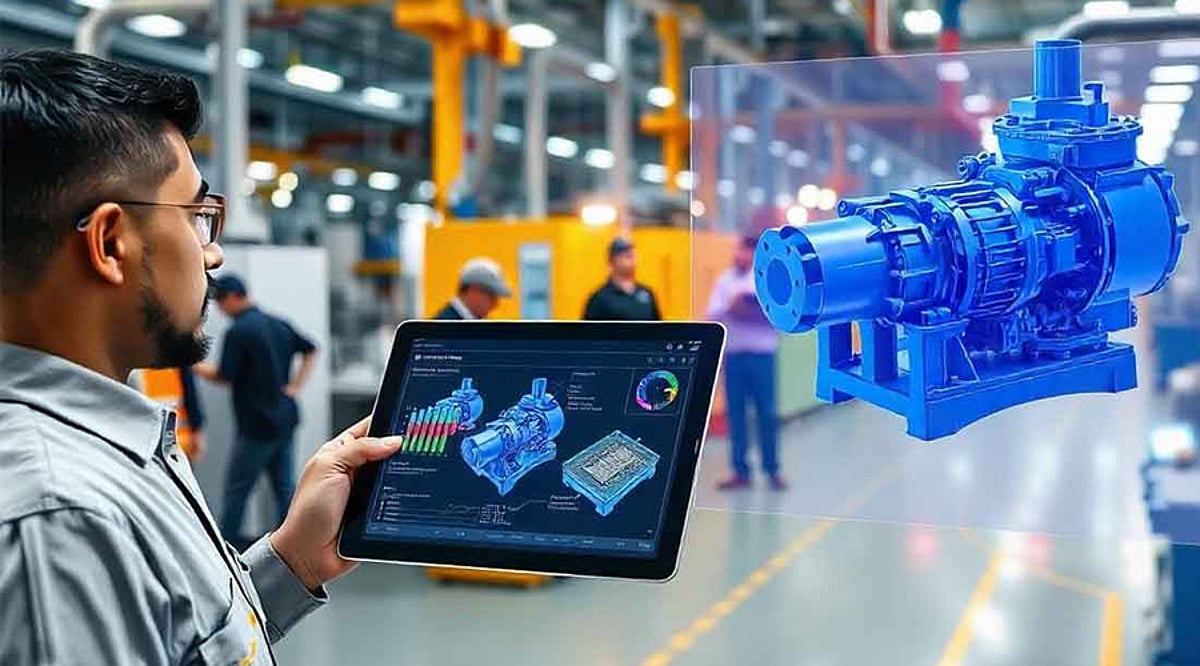
    Digital twins are revolutionizing the manufacturing industry by creating virtual replicas of physical assets, systems, and processes. These dynamic digital models use real-time sensor data to mirror the behavior of machines, production lines, and entire factories, enabling manufacturers to gain unprecedented visibility and control over their operations.

    Real-Time Production Monitoring

    Digital twins create virtual replicas of machines, production lines, and factories using live sensor data. Manufacturers can monitor equipment performance, identify bottlenecks, and track production in real time. This visibility helps managers make informed decisions, improve operational efficiency, reduce downtime, and maintain consistent production quality across manufacturing facilities.

    Predictive Maintenance

    By continuously analyzing equipment data, digital twins detect early signs of wear and potential failures before breakdowns occur. Manufacturers can schedule maintenance only when required instead of following fixed intervals. This approach minimizes unexpected downtime, extends machine lifespan, reduces maintenance costs, and ensures uninterrupted production with improved asset reliability.

    Faster Product Development

    Engineers use digital twins to simulate product designs and manufacturing processes before physical production begins. They can test different materials, identify design flaws, and optimize production methods virtually. This reduces prototype costs, shortens development cycles, accelerates innovation, and enables manufacturers to launch higher-quality products more quickly.

    Improved Quality Control

    Digital twins continuously compare real-time production data with expected performance standards. Any deviation is identified instantly, allowing manufacturers to correct defects before products reach customers. This proactive quality management reduces waste, improves product consistency, enhances customer satisfaction, and lowers the cost of rework and product recalls.

    Smarter Supply Chain Management

    Manufacturers use digital twins to model supply chains and simulate disruptions such as material shortages or transportation delays. These simulations help optimize inventory, improve logistics planning, and identify alternative sourcing strategies. Better visibility across the supply chain strengthens resilience, reduces costs, and ensures smoother production schedules.

    Energy Efficiency and Sustainability

    Digital twins monitor energy consumption across manufacturing operations and identify areas where electricity, water, or raw materials are being wasted. Manufacturers can test energy-saving strategies virtually before implementation. This leads to lower operating costs, reduced carbon emissions, improved resource utilization, and stronger progress toward sustainability goals.

    Better Workforce Safety and Training

    Digital twins simulate factory environments, allowing workers to practice operating equipment and responding to emergencies without real-world risks. Manufacturers can evaluate workplace safety, identify hazardous conditions, and improve training programs. These virtual environments reduce accidents, enhance employee confidence, strengthen compliance, and promote a safer manufacturing culture.