
Tag: infrastructure inspection

  • Drone-as-a-Service (DaaS): The Flexible Business Model Transforming Industries

    Drone-as-a-Service (DaaS): The Flexible Business Model Transforming Industries

    Drone-as-a-Service (DaaS) is rapidly emerging as a game-changing business model that allows companies to rent drone solutions rather than purchasing expensive equipment. This approach significantly reduces upfront costs while providing access to skilled operators and cutting-edge technology.

    By eliminating the need for hardware purchases, maintenance, software licenses, and pilot training, DaaS makes aerial services affordable for businesses of all sizes. Here’s how different industries are leveraging this model:

    • Agriculture: Farmers use drones for crop monitoring, precision spraying, field mapping, and plant health assessments, boosting productivity while cutting manual labor and resource waste.
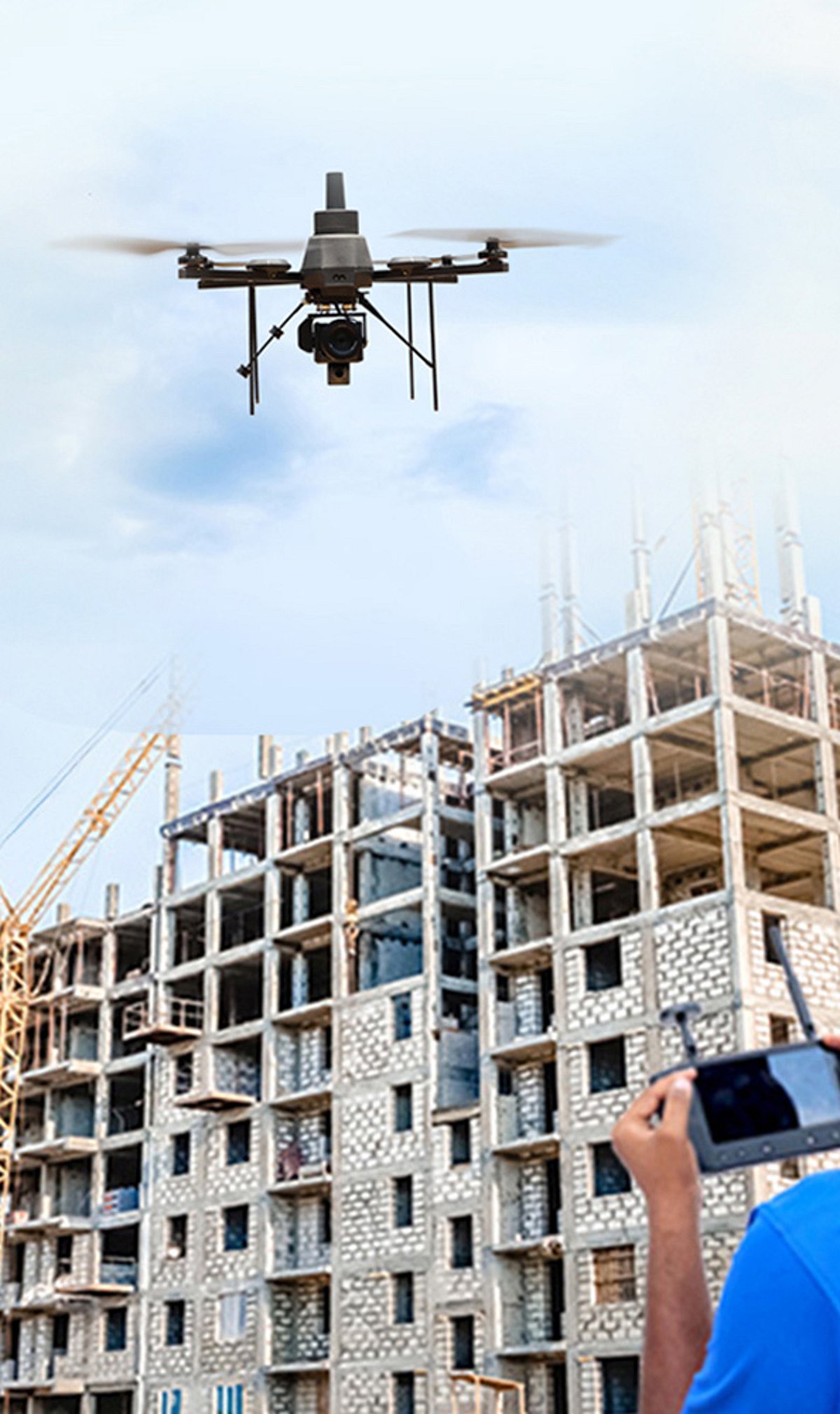
    • Construction: Construction firms deploy drones for site surveys, progress tracking, inspections, and 3D mapping, helping projects stay on schedule and within budget.
    • Logistics & Retail: Retailers and logistics providers are exploring drone deliveries for medicines, groceries, and essential goods, especially in remote or hard-to-reach locations.
    • Infrastructure Inspections: Drones safely inspect bridges, power lines, pipelines, and telecom towers, reducing human risk while capturing accurate visual and thermal data.

    Global demand for Drone-as-a-Service is growing as regulations improve, technology advances, and businesses seek faster, smarter operational solutions. Artificial intelligence is making drones even more powerful, enabling image analysis, problem detection, automated flights, and actionable insights.

    The future of DaaS looks bright, with rapid expansion expected across industries as organizations embrace flexible, technology-driven service models.
  • 7 Innovative Ways Camera Robots Are Revolutionizing Key Industries

    7 Innovative Ways Camera Robots Are Revolutionizing Key Industries

    Camera robots are rapidly transforming how industries operate, from enhancing security to improving medical procedures. By combining artificial intelligence, advanced optics, and autonomous navigation, these machines are delivering unprecedented capabilities across multiple sectors. Below, we explore seven key areas where camera robots are making a significant impact.

    1. Autonomous Surveillance

    Camera robots equipped with AI continuously monitor environments, detecting suspicious activity and improving security in commercial, industrial, and public spaces. Their ability to operate around the clock without fatigue enhances threat detection and response times.

    2. Cinematic Filmmaking

    Advanced robotic camera systems capture smooth, repeatable, and highly precise shots that elevate filmmaking quality. By automating camera movements, they reduce the need for manual operation and allow directors to achieve complex angles with ease.

    3. Infrastructure Inspection

    Camera robots safely inspect bridges, power plants, pipelines, and construction sites. They identify structural issues such as cracks or corrosion without exposing human workers to hazardous environments, thereby improving safety and reducing downtime.

    4. Medical Assistance

    In healthcare, robotic cameras support surgeons by providing enhanced visualization during minimally invasive procedures. This leads to greater precision, smaller incisions, and improved patient outcomes.

    5. Wildlife Observation

    Researchers deploy camera robots to monitor wildlife behavior without disturbing natural habitats. These systems collect valuable ecological data over long periods, aiding conservation studies and biodiversity assessments.

    6. Warehouse Automation

    Robotic cameras track inventory movement, identify misplaced goods, and assist automated logistics systems. This boosts warehouse efficiency, reduces errors, and streamlines supply chain operations.

    7. Disaster Response

    Camera-equipped robots enter dangerous disaster zones—such as collapsed buildings or fire sites—transmitting live visuals that help emergency teams assess damage and locate survivors more effectively.

    Additional applications include sports broadcasting, where robotic cameras deliver dynamic angles and automated tracking, and agricultural monitoring, where farmers use them to assess crop health and optimize irrigation. As technology advances, camera robots will continue to reshape industries by improving accuracy, safety, and productivity.