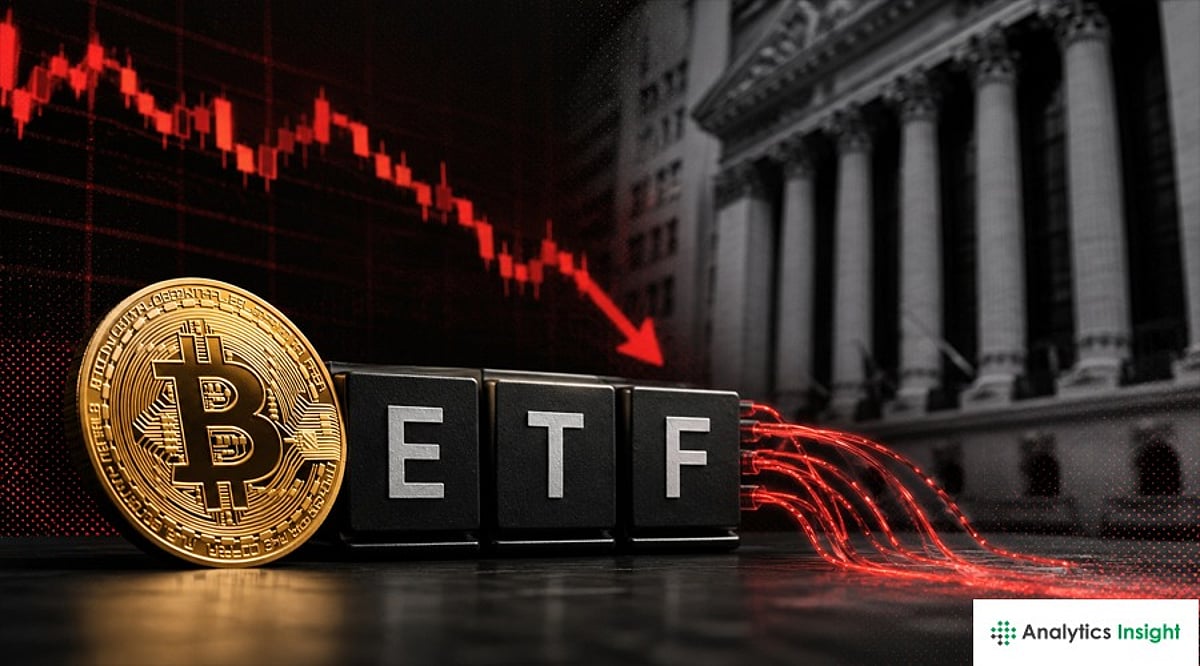
XRP remains under pressure near yearly lows, holding support at $1.12. Analysts say reclaiming $1.30 is essential to restore bullish momentum, while regulation and upcoming Ripple events could influence price direction.
Key Takeaways
- $1.30 is XRP’s key resistance level and must be broken for bullish recovery.
- Support near $1.12 is preventing deeper losses, but market confidence remains weak.
- Institutional demand stays strong despite regulatory uncertainty and recent price weakness.
XRP has entered a crucial stage after weeks of price weakness. The cryptocurrency has struggled to recover after heavy selling pressure pushed the token lower during the past few months. Right now, XRP trades near $1.14 to $1.16, which puts the asset close to one of its weakest price levels of 2026.
After a drop of almost 40% since the start of the year, market attention has now shifted toward one major level: $1.30. Many analysts believe XRP must move above this price before any strong recovery can begin.
Why the $1.30 Level Matters
The $1.30 price zone has become the biggest hurdle for XRP. Earlier this month, XRP tried to recover and briefly touched $1.29, but sellers quickly took control and pushed the price back down. This failed attempt showed that strong resistance still exists in that area. In simple terms, resistance means a price zone where buyers struggle to push higher since many traders decide to sell there.
If XRP continues to stay below $1.30, confidence in the market could remain weak. A successful move above this level would show that buyers have returned and that the market may finally prepare for a stronger upward move.
Current Support Is Keeping XRP Stable
At the moment, XRP has managed to defend an important support zone near $1.12. During the recent weekend market decline, the token briefly slipped below $1.14, which created fear that more losses could follow. However, buyers entered quickly and pushed the price back upward before more serious damage happened.
This recovery showed that demand still exists at lower levels. Even so, the rebound has not been strong enough to fully change market sentiment. Buyers have protected support, but a clear recovery remains missing.
XRP Has Fallen Behind the Crypto Market
Another concern comes from XRP’s recent market performance compared to other cryptocurrencies. Over the last seven days, XRP has dropped almost 10%, while many major digital assets have seen smaller losses. This shows weaker relative strength compared to the broader crypto market.
When a major cryptocurrency performs worse than the rest of the market, traders often become more cautious. That is why breaking above $1.30 has become even more important. It would help restore confidence and prove that XRP can once again compete with the wider market recovery.
Strong Fundamentals Still Support XRP
Despite weak price action, several positive developments continue to support XRP in the background. Institutional interest remains active, especially after reports showed that XRP exchange-traded product inflows recently crossed $10 million. This suggests that larger investors still see long-term value even while short-term price weakness continues.
At the same time, exchange supply has reportedly started to decline. This often means large holders move tokens away from exchanges and choose to hold instead of selling. In many cases, reduced supply creates positive price pressure over time.
Regulation Creates Short-Term Uncertainty
Another major factor affecting XRP comes from regulation. Ripple now faces an important deadline connected to California’s Digital Financial Assets Law, also known as DFAL, which officially takes effect on July 1, 2026.
Since Ripple remains closely connected to XRP, uncertainty around new legal requirements has created caution among traders. The crypto market often reacts strongly whenever regulation becomes uncertain. Until clearer information arrives, some investors may remain on the sidelines.
Ripple Swell Event Could Shift Sentiment
Market attention has also started to shift to Ripple Swell 2026, which will be held in New York in late October of this year. A lot of attention will be focused on major topics in the blockchain world, including tokenization, stablecoins, decentralized finance, and institutional adoption of blockchain technology.
Major Ripple announcements often influence sentiment toward XRP. Positive developments at the event could strengthen long-term investor confidence and attract renewed market interest.
Risks if XRP Fails to Recover
XRP remains under pressure while below $1.30 for an extended period of time, with some analysts speculating that if support fails to hold, there could be a move towards $0.93. If selling pressure picks up, even deeper downside targets of around $0.76 may occur.
Should XRP break above and maintain a position at or above the $1.30 mark, the next potential bounce-off point is between $1.50-$1.80, indicating a resumption of bullish momentum after many months of weakness.
Final Outlook for XRP
XRP currently stands at a major turning point. Support near $1.12 has prevented a bigger collapse for now, but real recovery cannot begin unless buyers push the token above $1.30 resistance.
This price level now acts as the line between weakness and recovery. Staying below it keeps bearish pressure alive. Moving above it could finally restart upward momentum and place XRP back on the path toward a stronger comeback in the crypto market.
Frequently Asked Questions
Why is $1.30 important for XRP?
It is the primary resistance level where sellers repeatedly block recoveries. Breaking above it is essential to restore market confidence and restart upward price momentum.
What happens if XRP stays below $1.30?
Bearish pressure will persist, leaving the token vulnerable to further drops. Failing to clear this hurdle risks exposing downside targets near $0.93 and $0.76.
What support level is currently protecting XRP?
The key short-term support floor is at $1.12. Buyers have actively defended this zone during recent market dips, preventing a deeper breakdown.
Are institutions still interested in XRP?
Yes. Institutional confidence remains stable despite price weakness, as proven by recent XRP exchange-traded product inflows crossing over $10 million.
Could Ripple Swell 2026 impact XRP price?
Yes. The October event in New York focuses on major blockchain adoptions, and historically, big announcements there tend to shift sentiment and attract new buyers.