Tag: Institutional investment

  • Ethereum ETF Inflows Surge to $70.5M as Bitcoin Sees $84.86M in Outflows

    Ethereum ETF Inflows Surge to $70.5M as Bitcoin Sees $84.86M in Outflows

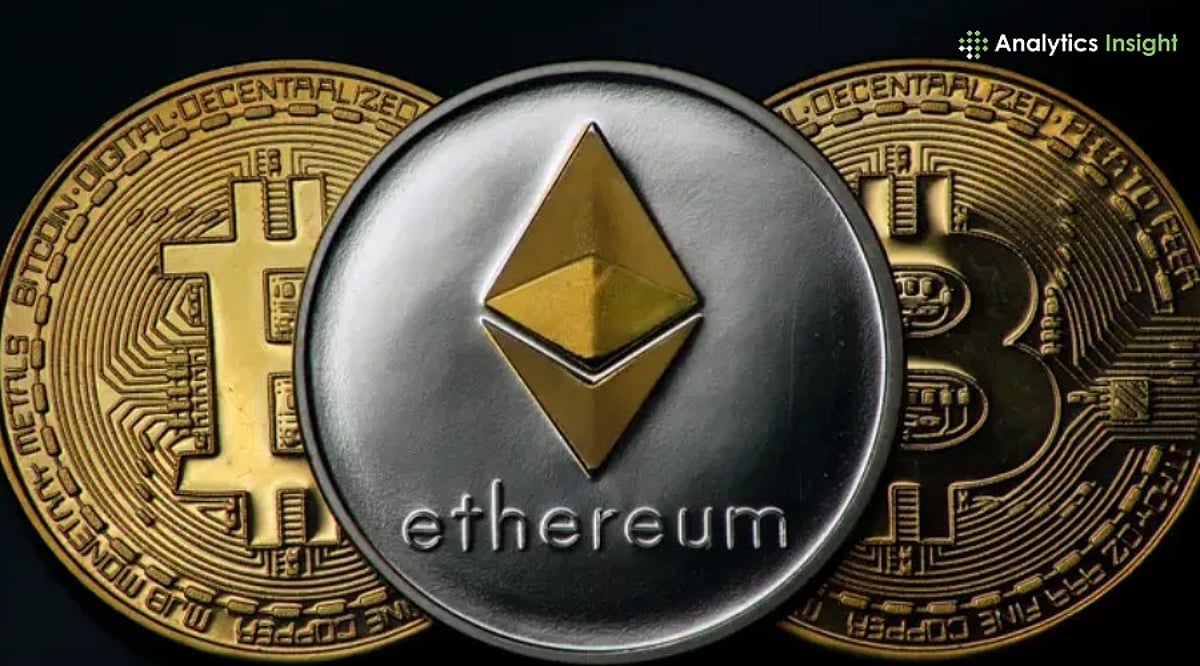
    Ethereum attracted $70.5 million in institutional ETF inflows, marking five consecutive days of gains, while Bitcoin ETFs recorded $84.86 million in outflows, highlighting a short-term shift in investor preference.

    Key Takeaways

    • Ethereum ETFs recorded $70.5 million in net inflows, extending a five-day positive streak.
    • Fidelity’s FETH contributed nearly $69 million of the total Ethereum inflows.
    • Bitcoin ETFs saw $84.86 million in net outflows as some institutions shifted allocations.

    Ethereum Records Strong ETF Inflows

    Spot Ethereum ETFs received approximately $70.5 million in net inflows during the latest trading session. This result also marked the fifth straight trading day with positive inflows for Ethereum funds. Such a streak shows that institutional investors continue to place fresh capital into Ethereum despite market uncertainty.

    Among all Ethereum ETFs, Fidelity’s FETH stood out as the biggest contributor. The fund attracted close to $69 million in fresh investments. This means that Fidelity accounted for almost all of the day’s net inflows. The strong performance of FETH reflects growing confidence among large investors who want exposure to Ethereum through regulated investment products instead of direct cryptocurrency purchases.

    Bitcoin Faces Investor Withdrawals

    While Ethereum enjoyed another day of positive inflows, Bitcoin moved in the opposite direction. Spot Bitcoin ETFs recorded net outflows of nearly $84.86 million during the same period.

    Several well-known Bitcoin funds reported investor withdrawals. These included products from Grayscale, BlackRock, and Fidelity. The outflows do not necessarily mean that institutions have lost confidence in Bitcoin. Instead, they may show that some investors decided to reduce exposure or shift part of their money into other digital assets, especially Ethereum.

    Why Institutions Show More Interest in Ethereum

    According to many experts in finance, Ethereum offers utility beyond serving as a cryptocurrency. The Ethereum platform is useful when it comes to decentralized finance, tokenization, smart contracts, and numerous other blockchain applications. These capabilities make Ethereum attractive as they support decentralized finance, tokenization, and other emerging blockchain applications.

    Another reason for the current inflow of capital might be the strategy of portfolio diversification. It means that instead of investing all their funds into Bitcoin, institutional investors may prefer to use various virtual currencies. Ethereum is chosen for investment as the second most popular currency after Bitcoin for its established ecosystem and possible applications.

    Market Prices Stay Stable

    Despite the positive ETF inflows, Ethereum’s price has not experienced an explosive rally. The cryptocurrency traded above $1,740, which reflects a partial recovery after earlier weakness. The steady price movement suggests that institutional buying has helped support market confidence, even though broader economic concerns still affect investor sentiment.

    Bitcoin traded around $62,000 to $63,000 during the same period. Global economic uncertainty and geopolitical developments continue to influence the cryptocurrency market. These external factors often affect investor decisions, regardless of how much money enters or leaves ETF products.

    What the Latest Data Means

    The difference between Ethereum and Bitcoin ETF flows does not automatically signal a permanent market shift. Daily ETF numbers often change since institutional investors regularly adjust their portfolios based on market conditions, economic news, and investment strategies.

    However, five consecutive days of positive inflows into Ethereum ETFs present a meaningful trend. Continuous investment from institutions usually reflects confidence in the asset’s long-term potential. Large investors often make careful decisions after detailed research, so steady inflows can become an important signal for the broader market.

    Why This Matters

    This divergence signals a tactical institutional rotation, with investors favoring Ethereum’s utility-driven smart contract ecosystem over Bitcoin’s store-of-value narrative. Five straight days of ETH inflows validate growing corporate interest, even as spot Bitcoin ETFs face short-term profit-taking.

    Outlook for Ethereum and Bitcoin

    Recent ETF statistics show that institutional interest in Ethereum is growing. The figure of $70.5 million in net flows and Fidelity FETH’s almost $69 million contribution indicate that there is a strong demand for regulated products in Ethereum investment. The opposite situation is observed in Bitcoin, where there is a recorded net outflow of $84.86 million. This seems to imply that some institutions have shifted their interest for a while.

    Both Ethereum and Bitcoin are important cryptocurrency players. Bitcoin retains the status of the biggest cryptocurrency and the number one choice of many long-term investors. Ethereum, in turn, is strengthening its position given the increasing number of real-world applications and increased institutional interest.

    The following weeks will show whether the trend continues or whether investors return to Bitcoin in larger volumes. For now, the latest ETF statistics clearly show that Ethereum gained some momentum as a cryptocurrency for institutional investors while Bitcoin experienced a small period of weaker fund flow.

  • Solana Price Prediction 2026: Can SOL Outperform Bitcoin?

    Solana Price Prediction 2026: Can SOL Outperform Bitcoin?

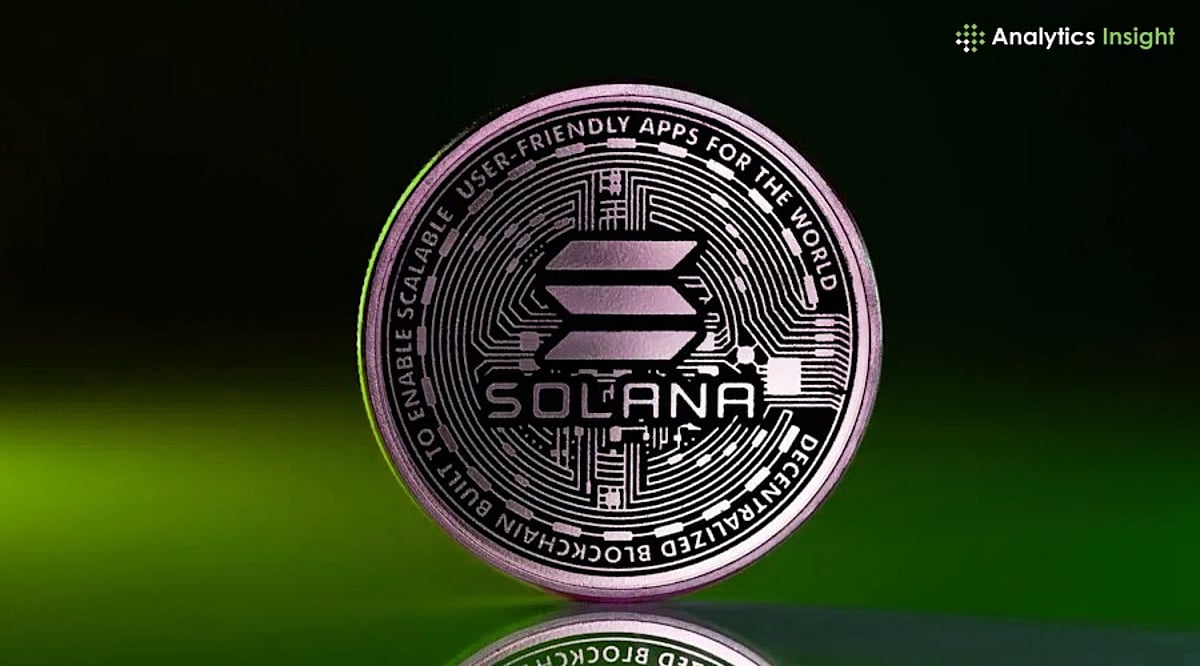
    Solana has become one of the most talked-about cryptocurrencies in the market. Fast transaction speed, low fees, and strong network activity have helped the project attract developers, businesses, and investors from around the world. The network supports decentralized finance, digital collectibles, blockchain games, and payment systems. These areas have continued to expand, which has helped Solana build a large and active ecosystem.

    The latest market data shows Solana at about $77.97. Like every major cryptocurrency, the price changes throughout the day. Even though short-term movement can be sharp, many market experts remain focused on the long-term outlook. The biggest question now is how high SOL can climb by 2026 and whether it has any chance of moving ahead of Bitcoin.

    What Could Happen to SOL in 2026?

    Many experts believe Solana has room for strong growth if the crypto market stays healthy over the next few years. The network already has a large user base and continues to attract new projects. Better technology, wider adoption, and fresh investment could support higher prices in the future.

    A careful outlook places SOL between $150 and $300 by 2026 if market conditions remain favorable. This range reflects steady growth across the Solana ecosystem and a positive mood in the broader cryptocurrency market.

    A much stronger bull market could push the price even higher. In that case, SOL could trade between $300 and $600 or more. Such a move would require major institutional interest, rapid network expansion, and strong demand from investors across the world.

    A weaker market could produce a different result. If economic conditions become difficult or crypto demand falls, SOL could remain between $50 and $120. This range reflects slower growth and reduced activity across blockchain markets.

    Why Solana Has Growth Potential

    Several factors support the long-term outlook for Solana. One of the biggest strengths is speed. The network processes transactions much faster than many older blockchains. Low transaction costs also make the platform attractive for developers and users.

    The ecosystem continues to expand across decentralized finance, blockchain games, payment services, and digital assets. More businesses and developers choose Solana for its ability to handle large amounts of activity without high costs. This wider adoption could increase demand for SOL over time.

    Institutional interest could also become an important factor. If investment products based on Solana receive wider approval and more financial companies enter the market, additional capital could support future price growth. Strong network improvements and reliable performance would also help build confidence among investors.

    Why Bitcoin Still Holds the Top Position

    Despite Solana’s impressive growth, Bitcoin remains the most popular cryptocurrency. Bitcoin has gained years of trust and became a go-to for many institutional investors. Moreover, people consider Bitcoin digital gold for its low supply and reputation.

    Bitcoin also has the highest market capitalization and the deepest trading market. Major funds and exchange-traded funds are mostly focused on Bitcoin. The above support from institutions gives Bitcoin an edge over other cryptocurrencies.

    To surpass Bitcoin, Solana must go through rapid growth while Bitcoin fails to generate any gains. However, experts believe that it is unlikely to happen until 2026, given Bitcoin’s position in the crypto space.

    Can Solana Beat Bitcoin in Returns?

    Solana may not outclass Bitcoin regarding market capitalization, but the smaller market capitalization of Solana means that it can experience price surges within a short period. Consequently, Solana’s potential for price growth attracts investors.

    Investors should note that the growth potential is usually accompanied by potential risk. In the past, Solana’s price has fluctuated significantly, and similar situations may occur in the future. On the contrary, Bitcoin has proven to be more reliable with its history and number of users.

    Final Outlook for 2026

    The Solana blockchain has a lot of beneficial factors pointing to its positive future. Its rapid transaction processing, low fees, and growing infrastructure make it appealing to developers and customers alike. Should these trends continue and the crypto market thrive, SOL may achieve remarkable growth by 2026.

    Nevertheless, beating Bitcoin in the next few years seems unlikely. Despite Solana’s superior percentage growth, Bitcoin is still the largest cryptocurrency and enjoys the highest institutional support and reputation in the market.

    In the future, Solana may gain a lot from more widespread use, innovation, and a good environment for cryptocurrency technologies.

    FAQs

    1. What is the expected Solana price in 2026? Most forecasts place SOL between $150 and $300, while a strong bull market could push prices above $600.
    2. Can Solana overtake Bitcoin by 2026? It is considered unlikely, as Bitcoin maintains a significant lead in market capitalization, institutional adoption, and investor trust.
    3. Why is Solana considered a high-growth cryptocurrency? Its fast transaction speeds, low fees, expanding developer ecosystem, and increasing adoption across DeFi, gaming, and payments support long-term growth.
    4. Is Solana riskier than Bitcoin? Yes. Solana has historically experienced greater price volatility, while Bitcoin is generally viewed as the more established and relatively stable cryptocurrency.
    5. What factors could drive Solana’s price higher? Greater institutional investment, continued network improvements, broader blockchain adoption, and a favorable crypto market could all contribute to higher SOL prices.
  • XRP Gains 9.5% on Strong Spot Market Demand: Technicals, Institutional Interest, and Market Sentiment Align

    XRP Gains 9.5% on Strong Spot Market Demand: Technicals, Institutional Interest, and Market Sentiment Align

    XRP has surged 9.5%, propelled by robust spot market demand that has fueled buying pressure across major exchanges. The rally is supported by positive technical indicators, growing institutional interest, healthier exchange activity, and improved overall crypto market sentiment.

    Key Takeaways

    • Strong spot market demand drove a healthy 9.5% price increase for XRP.
    • Positive technical indicators signal stronger buying momentum.
    • Institutional interest and reduced selling pressure improve XRP’s outlook.

    Spot Market Demand Fuels the Rally

    The primary driver behind XRP’s recent price jump is a significant rise in spot market demand, where traders buy and sell cryptocurrencies for immediate delivery—representing direct ownership. Data shows increased buying pressure across several exchanges, with positive Spot Cumulative Volume Delta (CVD) indicating buyers are in control. This direct purchasing, rather than reliance on leveraged positions, creates a healthier price move.

    Technical Signals Turn Positive

    XRP has broken above key resistance levels, attracting fresh buying activity. The Relative Strength Index (RSI) has crossed above 50, signaling stronger momentum, while the Moving Average Convergence Divergence (MACD) has produced a bullish crossover. Additionally, XRP climbed above important moving averages, strengthening trader confidence.

    Institutional Interest Adds Support

    Institutional demand, particularly through spot XRP exchange-traded fund (ETF) products, continues to provide a steady baseline. While daily flows fluctuate, the long-term trend remains positive. Regulated products offer large investors exposure to the actual asset via traditional markets, adding to demand.

    Exchange Activity Shows Strong Buying

    Market analysts note increased buying volume and reduced selling pressure. Many investors are moving XRP to private wallets, indicating a holding strategy. Whale activity has also risen, with large holders accumulating XRP, which attracts broader market attention.

    Broader Crypto Market Improves

    The rally is supported by positive action in Bitcoin and Ethereum, improving overall investor confidence. A healthier crypto market encourages exploration of other major digital assets like XRP, boosting trading activity.

    Ripple Continues Global Expansion

    Ripple’s expanding business operations—new regulatory approvals and partnerships—strengthen the long-term outlook for its ecosystem, adding confidence for investors focused on adoption.

    Why This Matters

    This rally is structurally healthy, driven by actual asset purchases rather than speculative futures leverage, with strong spot volume and ETF inflows providing a reliable foundation.

    Market Outlook Remains Positive but Cautious

    While the 9.5% gain has created optimism, experts caution about potential profit booking, fluctuating ETF inflows, and broader market weakness. However, genuine spot demand makes this rally more robust than previous ones, offering a stronger foundation if buying continues.

    FAQs

    1. What triggered the 9.5% price surge in XRP? The rally was primarily driven by a sharp increase in spot market demand, with buyers purchasing XRP outright rather than using leveraged futures.

    2. What is Spot Cumulative Volume Delta (CVD) and why does it matter? Spot CVD measures net buying versus selling volume in the immediate delivery market. XRP’s positive CVD confirms that aggressive buyers are driving momentum.

    3. Which technical signals have turned bullish for XRP? XRP cleared overhead moving averages, the RSI crossed above 50, and the MACD printed a bullish crossover.

    4. How are institutional investors impacting XRP? Institutional demand via spot XRP ETFs provides steady accumulation through regulated channels, adding long-term macroeconomic support.

    5. What near-term risks should XRP investors consider? Short-term profit booking, daily ETF flow fluctuations, and overall crypto market sentiment shifts remain potential risks.

    Disclaimer: Analytics Insight does not provide financial advice. This article is for informational purposes only. Conduct your own research before investing.

  • Bitcoin and Solana ETFs Attract Fresh Capital, Ending Weeks of Withdrawals

    Bitcoin and Solana ETFs Attract Fresh Capital, Ending Weeks of Withdrawals

    After more than eight weeks of steady investor withdrawals, Bitcoin and Solana exchange-traded funds (ETFs) have recorded net inflows, signaling renewed institutional interest and lifting sentiment across the cryptocurrency market. Bitcoin ETFs saw $265.7 million pour in, breaking a long outflow streak, while Solana ETFs attracted $8.36 million, led by Bitwise’s BSOL fund.

    Bitcoin ETFs End a Long Outflow Streak

    U.S. spot Bitcoin ETFs recorded approximately $265.7 million in net inflows during the latest trading session — the strongest single day of fresh investment since early May. This marks a turning point after more than eight consecutive weeks of net outflows, during which investors withdrew over $8.2 billion from Bitcoin ETF products. The prolonged selling had pressured Bitcoin prices and weakened overall market confidence.

    Solana ETFs Also Return to Positive Territory

    Spot Solana ETFs reported net inflows of $8.36 million, reversing a period of weakness. The majority of this new capital flowed into Bitwise’s BSOL ETF, which recorded its best single day in nearly two months. While the volume is smaller than Bitcoin’s, it demonstrates improving investor comfort with Solana after a stretch of uncertainty.

    A Difficult Period for Crypto Investment Products

    The recovery follows one of the weakest stretches for cryptocurrency investment products since spot ETFs launched. Bitcoin ETFs alone lost $8.2 billion during the outflow period. Solana ETFs recorded their first monthly net outflow. Investment products tied to Bitcoin, Ethereum, Solana, and XRP collectively saw nearly $5 billion exit the market in the previous month, highlighting institutional caution.

    Crypto Prices React to Fresh Investments

    Bitcoin climbed from below $60,000 to around $63,000, briefly topping $64,000. Solana rose from approximately $60 to above $80, touching an intraday high of $83.50. These price gains often follow stronger ETF demand as fresh capital enters the market.

    Why ETF Flows Matter

    ETF flows are a critical market indicator. Large investment firms and institutional investors use ETFs for easy exposure to digital assets. Strong inflows signal confidence; prolonged outflows suggest caution. The return of positive inflows may indicate that professionals see current prices as attractive after the decline.

    Experts Remain Cautious

    Market experts warn that one day of inflows does not confirm a sustained rebound. A lasting recovery will require consistent inflows over weeks. If fresh money continues to enter Bitcoin and Solana ETFs, sentiment could strengthen further, but another wave of withdrawals would quickly change the outlook.

    Outlook Remains Positive but Uncertain

    The latest ETF data has brought fresh optimism. Bitcoin ETFs ended their long outflow streak with $265.7 million in net inflows, while Solana ETFs added $8.36 million, led by Bitwise’s BSOL ETF. These numbers suggest institutional investors are returning after heavy selling, but one positive session does not guarantee a recovery. Future ETF data will be closely watched.

  • XRP Price Outlook: Could the Token Climb Back to $2 in 2026?

    XRP Price Outlook: Could the Token Climb Back to $2 in 2026?

    Key Takeaways

    • XRP requires a stronger crypto market to revisit the $2 level.
    • Institutional ETF demand could be a major price catalyst.
    • Ripple’s business expansion and legal clarity support long-term confidence.

    XRP remains one of the most closely watched assets in the cryptocurrency market. After a strong rally in previous years, the token entered 2026 with lower prices as the broader market lost momentum. A return to $2 is possible, but not guaranteed. The coming months will determine whether XRP starts another significant recovery or stays near current levels.

    Current Price Situation

    As of July 2026, XRP trades around $1.30 to $1.35. The token has fallen about 26% since the start of the year and remains nearly 63% below its July 2025 peak of roughly $3.65. Despite this decline, XRP still ranks among the largest cryptocurrencies by market capitalization. Its strong community, established use case, and connection to Ripple’s payment business keep traders attentive. The current price leaves room for a major recovery if market conditions improve.

    The Broader Crypto Market Will Lead the Way

    XRP’s future value depends heavily on the overall cryptocurrency market. Historically, XRP has performed well during bullish cycles, often gaining momentum alongside Bitcoin. When Bitcoin rallies, investor confidence typically spreads across the market, creating favorable conditions for XRP. If Bitcoin sees a new rally, XRP could attract renewed buying interest. Conversely, if Bitcoin trades sideways or weakens, XRP may struggle to break above the key $2 resistance level. Market sentiment remains the most important factor.

    Institutional Demand Could Be a Game Changer

    Institutional investors are far more important in the crypto market than in previous years. A major development for XRP in 2026 is easier access through exchange-traded funds (ETFs). These products allow professional investors to gain exposure to XRP via regulated financial markets. Strong inflows into XRP ETFs could increase liquidity and attract new capital. Greater institutional participation may also reduce price swings driven by short-term retail trading. If ETF demand continues to grow, XRP could receive the support needed for another major price move.

    Regulatory Clarity Boosts Confidence

    Regulation has been one of the biggest challenges for XRP over the past several years. Legal uncertainty created hesitation among individual and institutional investors. However, that situation has improved significantly. Much of the major legal dispute surrounding Ripple has reached a resolution, giving XRP a clearer regulatory position than many other cryptocurrencies. This removes an important source of uncertainty. A stable legal environment could encourage more financial companies and large investors to consider XRP as part of their digital asset strategy.

    Ripple’s Business Growth Matters

    XRP’s success also depends on Ripple’s business expansion. Ripple continues to build payment solutions focused on faster and cheaper international money transfers. More business partnerships could increase real-world use of the XRP ecosystem. Banks, payment companies, and financial institutions remain important targets for Ripple. New agreements, higher payment volumes, and continued business expansion could strengthen confidence in XRP. Any major acquisition or technology upgrade could also improve the long-term outlook. Strong business growth often creates positive sentiment around the cryptocurrency linked to the Ripple network.

    Market Activity Offers Clues

    Trading activity often provides useful signals about future price direction. ETF flows, whale transactions, exchange balances, and blockchain data are important indicators for XRP. Large investors, often called whales, control significant amounts of XRP. Periods of whale accumulation have often preceded strong price rallies. While this does not guarantee higher prices, it remains one of the signals that many market analysts follow closely. Healthy trading volume and rising market activity could also support a stronger recovery.

    Risks Remain

    Several challenges could prevent XRP from reaching $2 during 2026. A weak crypto market would make a recovery much harder. Low demand for XRP ETFs could reduce fresh investment. Slower adoption of Ripple’s payment services may weaken long-term confidence. Profit-taking by large holders could place extra selling pressure on the market. Global economic uncertainty, higher interest rates, or lower demand for risk assets could also affect cryptocurrency prices across the board.

    Why This Matters

    This analysis outlines a realistic roadmap for XRP’s 50% recovery to the $2 milestone. For digital asset investors, XRP’s current consolidation represents a critical turning point heavily reliant on institutional capital from newly launched ETFs and post-litigation regulatory clarity.

    Can XRP Reach $2 Again?

    A rise from about $1.33 to $2 would require an increase of roughly 50%. Such a move falls within the normal price swings that XRP has shown in previous market cycles. Several market analysts continue to publish positive long-term forecasts for XRP, some even expecting prices well above $2 under favorable conditions. However, these predictions depend on stronger crypto market performance, continued institutional investment, Ripple’s business expansion, and stable economic conditions.

    For now, XRP still has a realistic chance to return to $2 during 2026. Success will depend on several important developments rather than a single event. If market confidence improves and Ripple continues to strengthen its business, XRP could regain lost ground and move closer to that important price level.

    Frequently Asked Questions

    1. Can XRP reach $2 again in 2026? Yes. Reaching $2 requires a 50% increase from current levels. This is highly achievable if broader crypto market momentum recovers and institutional interest through ETFs remains steady.
    2. What is the biggest factor behind XRP’s price? The overall direction of the crypto market, especially Bitcoin’s price action, remains the primary catalyst. General investor sentiment dictates whether XRP can break through key resistance levels.
    3. Why are XRP ETFs important? ETFs provide regulated access for institutional investors. This opens the door to massive professional capital inflows, which boosts market liquidity and helps stabilize extreme price volatility.
    4. How does Ripple affect XRP? XRP is the liquidity bridge for Ripple’s payment network. New bank partnerships and higher cross-border transaction volumes directly increase the token’s real-world utility and long-term investor confidence.
    5. What could stop XRP from reaching $2? A prolonged crypto bear market, weak ETF demand, slow enterprise adoption by financial institutions, aggressive whale profit-taking, or broader global economic downturns could easily cap price growth.

    Disclaimer: This article is for informational purposes only and does not constitute investment advice. Cryptocurrency investments are risky; always do your own research (DYOR) before making any financial decisions.

  • Why 21Shares’ Solana ETF Filing Signals a Turning Point for Institutional Crypto Adoption

    Why 21Shares’ Solana ETF Filing Signals a Turning Point for Institutional Crypto Adoption

    21Shares, a global leader in crypto exchange-traded products managing over $11 billion in assets, has filed for a spot Solana ETF in the United States. This move follows the massive success of spot Bitcoin and Ethereum ETFs and reflects deepening institutional interest in Solana’s fast, low-cost blockchain.

    Key Takeaways

    • 21Shares manages more than $11 billion in crypto investment products and has filed for a spot Solana ETF.
    • Institutional investors value Solana for its high-speed network, low transaction fees, and expanding ecosystem.
    • A regulated ETF could make SOL accessible through traditional investment platforms, removing custodial barriers.

    Why Solana Has Captured Institutional Attention

    Solana has matured significantly, now supporting thousands of projects across decentralized finance, payments, gaming, and digital assets. Its combination of rapid transaction speeds and minimal fees has made it the third most popular blockchain network after Bitcoin and Ethereum. Developers continue to build new applications, while stablecoin activity and tokenized assets drive network growth, strengthening Solana’s credibility among financial institutions.

    Institutional Demand: Beyond Retail Hype

    Large financial firms approach crypto investments differently than retail traders. They prioritize robust technology, reliable infrastructure, and regulatory clarity. Solana now meets many of these requirements. Its substantial market capitalization—among the largest in crypto—provides the liquidity needed for large-scale trades without significant price disruption. Many institutions also view blockchain as integral to the future of finance, and Solana’s speed and low costs make it ideal for payment systems, tokenization, and digital assets.

    What a Spot ETF Means for Investors

    A spot Solana ETF would allow investors to gain exposure to SOL through standard brokerage accounts, bypassing the need to buy, store, or manage the cryptocurrency directly. This structure simplifies access for banks, pension funds, wealth managers, and other regulated entities. By eliminating private key management and direct exchange usage, an ETF removes key barriers that have historically kept large capital from entering the crypto space.

    The precedent set by spot Bitcoin ETFs—which attracted billions in capital after regulatory approval—has heightened expectations for similar products based on other major cryptocurrencies, including Solana.

    21Shares: A Proven Track Record

    21Shares is among the world’s largest providers of crypto exchange-traded products, with a portfolio spanning Europe and beyond. The company’s experience in launching regulated crypto products gives it deep insight into investor demand and market dynamics. By filing for a Solana ETF, 21Shares signals confidence in Solana’s long-term viability and further bridges the gap between traditional finance and digital assets.

    Infrastructure Supporting Growth

    Institutions evaluate entire ecosystems, not just price trends. Solana now offers institutional-grade custody services, regulated ETPs in Europe, active derivatives markets, and staking options. These elements create a more secure investment environment. While network stability remains under monitoring, recent technical improvements have bolstered institutional trust.

    Risks and Challenges

    Despite optimism, hurdles remain. Regulatory approval for new crypto ETFs depends on government timelines, which can be unpredictable. Solana also faces intense competition from other layer-one blockchains vying for developers, users, and capital. Continued technological advancement and ecosystem expansion will be essential for maintaining its position.

    What This Means for the Crypto Landscape

    The 21Shares Solana ETF filing marks a milestone beyond Bitcoin and Ethereum. By pushing for a regulated Solana product, a major asset manager validates SOL’s high-speed infrastructure and positions the blockchain as a top-tier institutional asset class. This move reflects a broader trend of traditional finance embracing digital currencies with solid technology and real-world use cases.

    The Road Ahead

    With over $11 billion in assets under management, 21Shares has become a powerhouse in crypto finance. The Solana ETF application demonstrates increasing confidence in SOL’s ecosystem and its ability to attract regulated capital. As institutional adoption accelerates, Solana’s role in the financial system is likely to expand.

    Frequently Asked Questions

    1. What is the 21Shares Solana ETF?

    It is a proposed spot investment fund that would allow both institutional and retail investors to track Solana’s market price through traditional brokerage accounts, eliminating the need to manage private keys or use crypto exchanges.

    2. Why are institutions interested in Solana?

    Large investors are attracted to Solana’s efficient blockchain, which offers ultra-fast transaction processing, low network fees, and a rapidly growing decentralized ecosystem.

    3. Why is an ETF important for Solana?

    An ETF opens the door for significant capital inflows from pension funds and wealth managers that face regulatory restrictions on direct crypto purchases. It also provides easier access through familiar investment platforms.

    4. How large is 21Shares?

    21Shares is a dominant global crypto investment firm, managing over $11 billion in assets across a wide range of regulated exchange-traded products in European and international markets.

    5. What risks still exist for Solana?

    Solana faces potential regulatory delays, ongoing network stability monitoring, and fierce competition from other layer-one blockchain platforms.

  • XRP Gains Momentum as Fed Rate Cut Hopes Rise: Key Drivers Explained

    XRP Gains Momentum as Fed Rate Cut Hopes Rise: Key Drivers Explained

    XRP has moved higher in recent days as investors react to shifting expectations about U.S. interest rates. The latest economic reports point to slower inflation and weaker job market growth, prompting many market experts to anticipate that the Federal Reserve will lower borrowing costs later this year instead of maintaining high rates. This shift has created fresh demand for assets that typically perform well when financial conditions ease, with cryptocurrencies—and XRP in particular—standing out among the leading digital assets.

    Lower Rate Expectations Support Crypto Prices

    Interest rates play a crucial role in the economy. When rates are high, investors tend to move money into safer assets like Treasury bonds. When rates are expected to fall, the opposite occurs: investors seek assets with high growth potential. Recent U.S. economic data confirmed that the Fed is likely to adopt a more lenient monetary policy, causing Treasury yields to decline and allowing many cryptocurrencies to recover from earlier losses.

    Bitcoin Rally Lifts the Entire Crypto Market

    Bitcoin often sets the direction for digital assets. As Bitcoin rallies, confidence spreads to other cryptocurrencies. The latest Bitcoin surge has created a positive atmosphere, with higher trading activity as investors prepare for possible rate cuts. Better liquidity supports risk assets, and XRP has delivered stronger gains than several other large cryptocurrencies during this recovery.

    Ripple Continues to Build Its Network

    XRP’s rise isn’t solely tied to macroeconomic news. Ripple has expanded its payment network and blockchain services, adding partnerships focused on faster and cheaper international money transfers. The XRP Ledger has also grown through projects in decentralized finance, tokenized real-world assets, and business blockchain solutions. These developments reinforce confidence that XRP has practical uses beyond trading.

    Better Regulatory Outlook Boosts Confidence

    Regulatory clarity is a key contributor to XRP’s resurgence. After years of legal ambiguity in the U.S., the situation now appears more favorable. Many analysts believe clearer regulations could bring banks, financial institutions, and hedge funds into the crypto sector, removing uncertainties and encouraging institutional adoption.

    Institutional Interest Continues to Grow

    Large financial institutions have shown increasing interest in digital assets. XRP remains part of this conversation, with growing expectations that investment products linked to the cryptocurrency—such as exchange-traded funds—may become available. Although regulatory approval is still needed, optimism has built, and many analysts believe institutional investment could become an important demand driver.

    Technical Picture Shows Positive Momentum

    Market charts indicate stronger buying activity. XRP has held above important support levels while trading volume has increased during the recent rally. These signals suggest buyers have returned. Traders are watching key resistance levels; a successful move above them could attract even more demand. However, cryptocurrencies remain highly volatile, and short-term swings can still occur.

    Risks Have Not Disappeared

    Despite positive developments, risks remain. Strong economic data or an unexpected rise in inflation could cause the Fed to postpone rate cuts, potentially reducing demand for cryptocurrencies. Political events, sudden regulatory changes, or shifts in investor sentiment are also factors to consider.

    Outlook for XRP

    XRP has received support from multiple positive developments: softer U.S. economic data, a stronger crypto market, continued growth of Ripple’s ecosystem, rising institutional interest, and better regulatory conditions. The coming months could prove important. If interest rates move lower and Ripple continues expanding its network, market conditions may remain favorable. While price fluctuations are likely, the combination of improving economic conditions and stronger project fundamentals creates a positive outlook for XRP in the current market cycle.

  • XRP Price Analysis: Will the $1 Support Level Hold or Break in 2026?

    XRP Price Analysis: Will the $1 Support Level Hold or Break in 2026?

    XRP has reached one of the most pivotal points of 2026. The $1 price level has become the main area that traders and investors now watch daily. This level has historically acted as strong support, with many buyers entering around this price. After several months of volatility, XRP now sits close to this critical mark. The coming weeks could determine whether the token begins a new recovery or suffers a deeper decline.

    As of early July 2026, XRP trades just above $1 after a nearly 20% drop during June. This decline occurred despite Ripple achieving several positive milestones this year. The broader cryptocurrency market remains cautious, with many investors shifting to safer assets, reducing demand for digital currencies.

    Why the $1 Support Level Matters

    The $1 level is more than a round number. It has become a strong psychological support area because buyers have stepped in near this price multiple times before. If XRP stays above $1, confidence could gradually return, potentially pushing the price toward $1.15 and then testing the $1.20 resistance.

    However, if XRP falls below $1 and closes there for several days, more selling may follow. Many traders place stop-loss orders near this support zone. Once triggered, the price could drop quickly, with the next major support near $0.80 becoming the likely target.

    Ripple Shows Strong Business Growth

    Despite XRP’s price struggles, Ripple has made solid progress in 2026. The company expanded its payment network and continued developing new products for banks and financial institutions. Activity on the XRP Ledger has increased significantly, with daily transactions now reaching nearly three million. More businesses use the network for tokenized real-world assets, automated market maker pools, and RLUSD settlements. Tokenized assets on the blockchain now represent hundreds of millions of dollars, demonstrating that Ripple continues to build useful services even when XRP’s price performance remains weak.

    XRP ETFs Bring Institutional Money

    One of the biggest developments for XRP came with the launch of spot XRP exchange-traded funds (ETFs) in late 2025. These products have attracted around $1.48 billion in total inflows, opening the door for more institutional investors to gain exposure to XRP without directly buying the cryptocurrency. This steady flow has supported market confidence for much of the year. However, recent sessions recorded the first notable outflows after months of steady demand, indicating that large investors have also become more cautious amid recent market weakness.

    Regulation Could Shape XRP’s Future

    Government rules remain a major factor affecting XRP. Investors closely watch new cryptocurrency laws in the United States. Clear regulations could make it easier for financial companies to invest in digital assets with greater confidence. Several proposals have raised hopes for better legal clarity during 2026, but delays in new legislation have tempered market excitement. Many experts believe stronger regulatory support could attract more institutional money into XRP, though market conditions and the overall economy will still play a major role in future price movements.

    Technical Charts Show Mixed Signals

    Technical indicators suggest selling pressure has started to ease. The Relative Strength Index (RSI) has recovered from oversold levels, often meaning sellers may lose strength after a sharp decline. Trading volume has also decreased during recent price drops, which can indicate fewer traders are willing to sell at current prices. However, XRP still trades below several important moving averages, so analysts have not confirmed a long-term bullish trend.

    The first resistance area stands between $1.08 and $1.10. If buyers push above this range, XRP may move toward $1.18 and then $1.20. A stronger rally could later send the token into the $1.30 to $1.45 range. Conversely, failure to defend $1 may increase selling pressure and pull the price closer to $0.80.

    The Overall Crypto Market Still Controls XRP

    Ripple’s business growth has improved during 2026, but XRP still follows the direction of the wider cryptocurrency market. Bitcoin and other major digital assets have faced heavy pressure as investors remain cautious about global economic conditions and interest rate expectations. This cautious mood has reduced the amount of money entering cryptocurrencies. Positive news about Ripple has helped support confidence but has not been strong enough to create a lasting rally. Many market experts believe XRP needs both stronger market sentiment and continued business growth before a major recovery becomes possible. Institutional demand through ETFs has provided some support, but that alone may not push prices much higher unless the overall crypto market also turns positive.

    Why This Matters

    XRP hovering near the $1 psychological threshold represents a make-or-break crossroads for 2026. While Ripple utility expands via three million daily ledger transactions and $1.48 billion in spot ETF inflows, broader macroeconomic risk aversion threatens a breakdown toward $0.80 if this pivotal support fails.

    Final Outlook for XRP in 2026

    The rest of 2026 could become one of the most important periods for XRP. The $1 support level now stands at the center of market attention. If buyers keep control of this area, XRP could slowly recover toward $1.20 and later move into the $1.30 to $1.45 range if the broader cryptocurrency market improves. A clear break below $1 would weaken the technical outlook and may open the door for a decline toward $0.80. Ripple continues to report strong business growth, higher network activity, and rising institutional interest through XRP ETFs. These positive developments support the long-term outlook. However, short-term price movement still depends on investor confidence and the direction of the overall cryptocurrency market.

    Frequently Asked Questions

    1. Why is the $1 price mark so critical for XRP right now?

    The $1 mark is a major psychological and technical support line. Holding above it keeps a recovery toward $1.20 alive, whereas closing underneath it risks triggering mass stop-loss selling orders.

    2. How have the newly launched spot XRP ETFs impacted the market?

    Spot ETFs have pulled in $1.48 billion in net inflows since late 2025. These investment funds provide solid underlying structural demand by giving large institutional investors direct exposure to XRP.

    3. Is Ripple’s real-world business adoption actually expanding?

    Yes. Independent of price, the XRP Ledger averages nearly three million daily transactions. This operational growth is driven by automated market maker pools, tokenized real-world assets, and RLUSD stablecoin settlements.

    4. What happens from a technical standpoint if the $1 support level breaks?

    Consecutive daily closes below $1 would invalidate the current market structure. This technical failure would give short-sellers total control, likely exposing the cryptocurrency to a deeper correction toward $0.80.

    5. What macro factors are keeping XRP from staging a major breakout?

    XRP remains tied to the broader crypto market. Digital assets face persistent selling pressure amid global economic uncertainty, and cautious interest rate expectations have reduced capital flowing into riskier assets.

  • Ethereum Surges as Fed Rate Worries Subside: Institutional Demand and Network Upgrades Fuel Rally

    Ethereum Surges as Fed Rate Worries Subside: Institutional Demand and Network Upgrades Fuel Rally

    Ethereum has been gaining momentum as concerns over prolonged high U.S. interest rates fade. Cooling inflation has shifted expectations toward a softer Federal Reserve stance, prompting investors to rotate capital into higher-growth assets like ETH. This macroeconomic tailwind, combined with strong institutional demand, ongoing network upgrades, and expanding Layer-2 adoption, is bolstering Ethereum’s long-term outlook.

    Lower Interest Rate Concerns Support Ethereum

    Interest rates heavily influence financial markets. Recent inflation data has eased fears that the Fed will maintain elevated rates for an extended period. This shift in sentiment has drawn fresh money back into risk assets, including Ethereum.

    Institutional Investors Continue to Show Interest

    Growing institutional demand is a key driver of Ethereum’s price movement. Major investment firms are increasing their exposure through spot Ethereum ETFs. While weekly inflows fluctuate, the overall trend points to rising institutional backing.

    Ethereum Network Remains Strong

    Ethereum maintains its position as the largest smart contract blockchain. Thousands of decentralized finance (DeFi) platforms, blockchain applications, and stablecoin projects rely on its network daily. Developers continue building new products on Ethereum, drawn by its robust infrastructure and large user base. This steady growth supports long-term demand for ETH.

    Staking Reduces Supply

    Ethereum’s proof-of-stake system allows holders to lock their coins to secure the network and earn rewards. As more investors stake their ETH, fewer coins remain available for trading. This supply reduction often supports prices when demand stays strong, giving Ethereum an advantage over many other cryptocurrencies.

    Network Upgrades Improve Performance

    Years of upgrades have boosted processing efficiency, validator performance, wallet security, and transaction speeds. These technical improvements attract developers, enterprises, and financial institutions, making Ethereum a more attractive long-term investment.

    Layer-2 Networks Help Ethereum Grow

    The rapid growth of Layer-2 networks makes transactions faster and cheaper. Lower costs encourage broader use of DeFi platforms, blockchain games, digital collectibles, and other services. Since these Layer-2 systems rely on the main Ethereum blockchain, increased network activity benefits ETH directly.

    Strong Market Position Supports Price Growth

    Ethereum’s total market capitalization exceeds $214 billion, with a circulating supply of about 120.7 million ETH. Daily trading volume regularly surpasses $10 billion, indicating strong engagement from both retail and institutional participants. This liquidity attracts major investment firms.

    Better Economic Outlook Helps Risk Assets

    U.S. Treasury yields have stabilized compared to the period of aggressive rate hikes, reducing pressure on growth-focused investments. Anticipation of a less restrictive Fed posture, assuming inflation trends toward target, typically fuels gains in tech stocks and crypto tokens. Ethereum has historically performed well under such conditions.

    Tokenization Creates New Opportunities

    Real-world asset tokenization is gaining traction. Banks and financial institutions are exploring ways to place traditional assets like bonds and funds on blockchain networks, opening new use cases for Ethereum.

    Risks Still Remain

    Despite the rally, Ethereum remains volatile. Economic reports, Fed statements, ETF flows, and sentiment changes can cause sharp price swings. However, the easing of interest rate concerns has created a more favorable environment for cryptocurrencies.

    Final Thoughts

    Ethereum’s recent rise reflects a convergence of factors: easing Fed rate fears, strong institutional participation via spot ETFs, network upgrades, Layer-2 growth, expanding blockchain adoption, and tokenization. With a market cap above $214 billion and daily trading volume over $10 billion, Ethereum remains a dominant digital asset. While short-term volatility persists, the combination of improved economic conditions and solid network fundamentals supports its long-term growth.

  • Bitcoin Surges Past $62,000 as ETF Inflows Return and US Crypto Bill Gains Traction

    Bitcoin Surges Past $62,000 as ETF Inflows Return and US Crypto Bill Gains Traction

    Bitcoin rebounded above $62,000 in early July after a challenging June marked by record outflows from US spot Bitcoin ETFs. Renewed weekly net inflows of $526.64 million, growing attention to proposed US crypto legislation, and continued institutional interest have shifted focus to Bitcoin’s next market direction.

    Bitcoin Recovers After a Difficult June for ETFs

    Bitcoin ended June near a two-year low, falling to roughly $58,000. Market data revealed that US spot Bitcoin ETFs experienced approximately $8.9 billion in net outflows since early May, including about $4.51 billion in June alone — the weakest month for the ETF category since its launch.

    Santiment reported that retail investors increased small Bitcoin holdings during the second half of June, while larger holders reduced exposure. The analytics firm noted that large investors remained cautious, waiting for stronger signs that the market had reached a bottom.

    The report also highlighted a shift in capital toward AI and semiconductor stocks during June. According to Santiment, those sectors attracted investment that previously flowed into cryptocurrencies, reducing institutional demand for Bitcoin. HashKey researcher Tim Sun commented, “capital was reallocating across risk assets rather than that investors were losing their appetite for risk altogether.” He added that Bitcoin could attract that capital again if the AI sector slows.

    Fresh ETF Inflows and US Legislation Support Market Sentiment

    Market conditions improved during the first week of July as US spot Bitcoin ETFs posted $526.64 million in weekly net inflows despite ongoing uncertainty. This followed one of the largest monthly withdrawal periods on record for the ETF market.

    The positive inflow indicated that some institutional investors continued allocating capital to regulated Bitcoin products even after June’s decline. Analysts emphasize that ETF flow data remains a key metric because spot ETFs purchase actual Bitcoin rather than futures contracts.

    Bitcoin traded above $62,000 as investors tracked developments surrounding the proposed CLARITY Act in the United States. Prediction market data showed rising expectations that the legislation could advance before Congress begins its August recess. The bill has support from over 200 crypto companies, including Coinbase, Ripple, and Kraken. Supporters believe clearer regulations could encourage broader participation in digital asset markets, although lawmakers have not yet approved the legislation.

    Strategy, Blockchain Security, and Market Focus Remain in View

    Strategy (formerly MicroStrategy) also remained in the spotlight after Executive Chairman Michael Saylor introduced a Digital Credit Capital Framework designed to strengthen liquidity and support the company’s preferred stock obligations. Saylor also addressed concerns about Strategy’s Bitcoin position, stating that “the company had bought about 175,000 BTC this year” and adding that “he had not sold any of his personal stash.” Strategy currently holds more than 818,000 BTC, making it the world’s largest corporate Bitcoin holder.

    Meanwhile, blockchain security returned to focus after researchers disclosed that they identified and fixed a critical vulnerability on the Aptos blockchain before attackers could exploit it. Security firm Hexens said the issue could have affected infrastructure supporting as much as $70 billion in digital assets, although no funds were lost.

    Elsewhere, blockchain analytics firm Nansen estimated that holders of the TRUMP memecoin have accumulated about $3.8 billion in combined losses after the token declined sharply from its peak. As July progresses, traders continue to monitor ETF flows, regulatory developments, institutional activity, and broader market conditions for signs of Bitcoin’s next direction.