
Introduction
Smart manufacturing is revolutionizing the aerospace and defense sectors by integrating advanced technologies such as artificial intelligence (AI), the Internet of Things (IoT), robotics, and digital twins. These innovations are creating a unified digital ecosystem that connects design teams, factories, suppliers, and maintenance systems, leading to unprecedented levels of efficiency and innovation.
Digital Twins: Virtual Testing for Real-World Performance
Digital twins allow engineers to simulate and test aircraft, engines, and components in a virtual environment. This capability helps identify design flaws and optimize performance before physical production begins, saving time and resources.
IoT and AI: Predictive Maintenance and Quality Control
Industrial IoT sensors monitor temperature, vibration, and machine performance in real time. AI algorithms analyze this data to detect potential equipment failures early, enabling predictive maintenance. AI-powered quality control systems inspect aircraft parts, welds, coatings, and composite surfaces to identify defects, reducing rework and improving safety.
Robotics and Automation
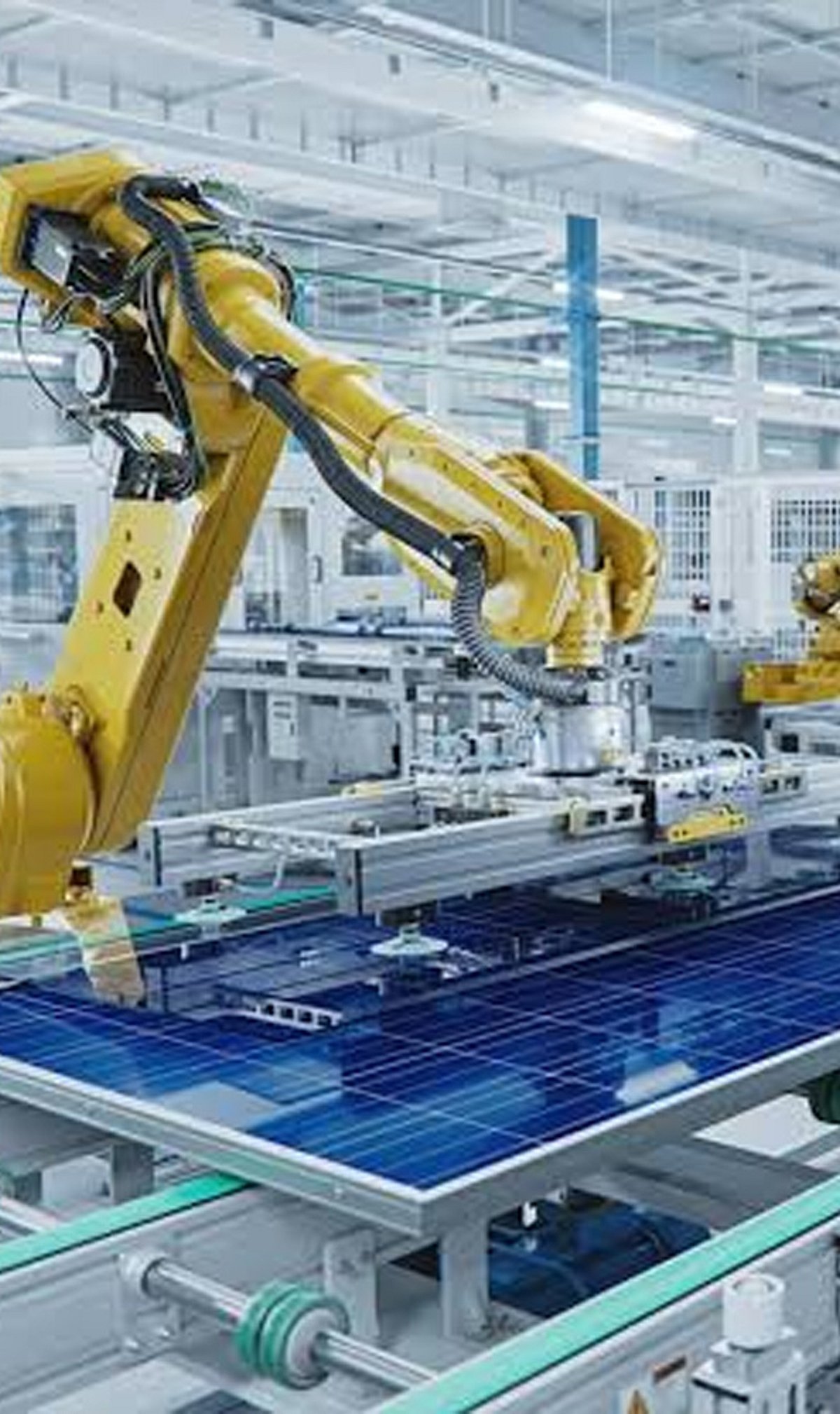
Robots and collaborative machines handle tasks such as drilling, fastening, welding, painting, and material handling. These systems enhance precision and support human workers in complex operations, boosting productivity and consistency.
3D Printing for Lightweight Components
Additive manufacturing (3D printing) enables rapid prototyping and production of lightweight parts, tooling, and complex low-volume components. This reduces material waste and simplifies assembly processes, contributing to more sustainable manufacturing.
Augmented and Virtual Reality
AR and VR technologies provide digital work instructions for technicians, support maintenance training, aid factory planning, facilitate design reviews, and enable remote assistance, improving accuracy and reducing errors.
Strengthening Supply Chains
Smart manufacturing enhances defense supply chains by improving parts visibility, predicting shortages, and enabling faster production adjustments in response to changing demand. This resilience is critical for national security.
Challenges and Future Outlook
The transition to smart manufacturing also brings challenges, including cybersecurity risks, certification hurdles, integration with legacy systems, and workforce upskilling. According to TCS, around 40% of aerospace manufacturing operations are expected to require minimal human intervention within five to seven years, though human oversight will remain essential.
Conclusion
Smart manufacturing is not just a technological upgrade but a fundamental shift in how aerospace and defense products are designed, produced, and maintained. By embracing these innovations, the industry can achieve higher efficiency, quality, and adaptability in an increasingly complex global environment.

