

Tag: investment risk

  • 7 Red Flags to Spot Before Investing in Any Memecoin

    7 Red Flags to Spot Before Investing in Any Memecoin

    Memecoins can be tempting with their viral appeal and explosive price action, but they come with significant risks. Before you put your money into the next trending token, watch out for these seven warning signs that could signal trouble.

    1. Anonymous or Hidden Team

    If the team behind a memecoin is completely anonymous, there is little accountability. Developers can disappear after attracting investors or launch projects with questionable intentions. Always look for a known and verifiable team before investing.

    2. Extreme Hype and Social Media Frenzy

    Memecoins that rely heavily on social media hype can see prices skyrocket quickly, but the excitement can vanish just as fast. If the buzz is driven more by memes than by real utility, be prepared for a potential crash.

    3. Weak Liquidity

    Low liquidity means you may not be able to sell your tokens without causing a sharp price drop. This can leave you exposed during market swings, making it difficult to exit your position when you need to.

    4. Concentrated Holdings

    When a small number of wallets control a large share of the token supply, their selling decisions can lead to sudden and severe price declines. Check the distribution of tokens before buying to see if whales dominate the market.

    5. Locked Liquidity Concerns

    Unlocked or poorly managed liquidity pools allow developers or insiders to withdraw funds, creating a serious risk for buyers. Ensure that liquidity is locked and audited by a reputable third party.

    6. Unrealistic Promises

    Guaranteed returns, huge profits, or instant growth are red flags. Legitimate investments cannot promise predictable gains. If it sounds too good to be true, it probably is.

    7. Suspicious Token Contract

    Hidden fees, restricted selling, or unusual contract permissions can prevent you from trading freely after purchase. Always review the token’s smart contract and audit reports to ensure there are no hidden traps.

    Additionally, be wary of memecoins without a clear purpose, community, or development plan, as they may rely entirely on speculation. A sudden price surge without meaningful news or adoption could also indicate coordinated buying, making the token especially risky to chase.

    Stay informed and always do your own research before diving into the world of memecoins.
  • Michael Burry Criticizes NVIDIA’s $250 Billion OpenAI Guarantee, Highlights Circular Financing Risks

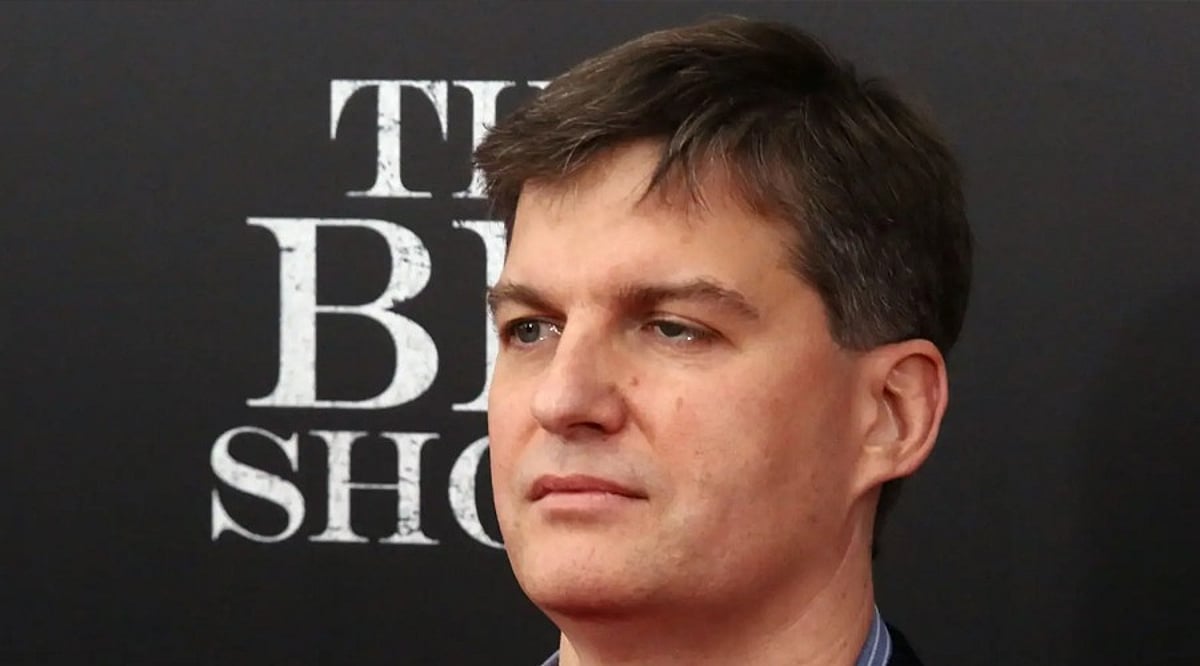
    Michael Burry Criticizes NVIDIA’s $250 Billion OpenAI Guarantee, Highlights Circular Financing Risks

    Veteran investor Michael Burry, famous for predicting the 2008 financial crisis, has publicly challenged reports that NVIDIA is planning to back a $250 billion financing guarantee for OpenAI. The deal, reported by the Wall Street Journal, would involve NVIDIA guaranteeing financing for a massive 10-gigawatt AI data center campus being developed by SoftBank’s SB Energy in Ohio.

    According to the report, the guarantee would help OpenAI lease the facility despite lacking an investment-grade credit rating. The total project cost, including AI chips and supporting infrastructure, could eventually exceed $500 billion. Burry warned that such arrangements represent what he calls ‘circular financing’—where companies fund the infrastructure needed to purchase their own products, creating layers of financial dependence rather than demand driven by sustainable profits.

    Burry’s concerns echo growing skepticism among analysts who argue that mega AI projects rely on complex financing structures while many AI firms, including OpenAI, continue to operate without consistent profitability. Critics say the model could become vulnerable if AI demand cools or capital becomes more expensive.

    NVIDIA’s potential role extends beyond chip sales. The company has already invested around $30 billion in OpenAI and is reportedly considering providing up to $350 billion in financing for chip purchases. This guarantee would enable SoftBank to borrow on more favorable terms while ensuring ongoing demand for NVIDIA’s hardware. However, discussions remain ongoing, and no final agreement has been reached.

    As capital spending on AI infrastructure surges, Burry’s remarks highlight the tension between optimism about AI’s future and concerns about the sustainability of financing models. While supporters argue that demand for AI computing will continue to grow, skeptics warn that the industry’s reliance on massive investment commitments could pose dangers to both companies and investors.