
Tag: IoT security

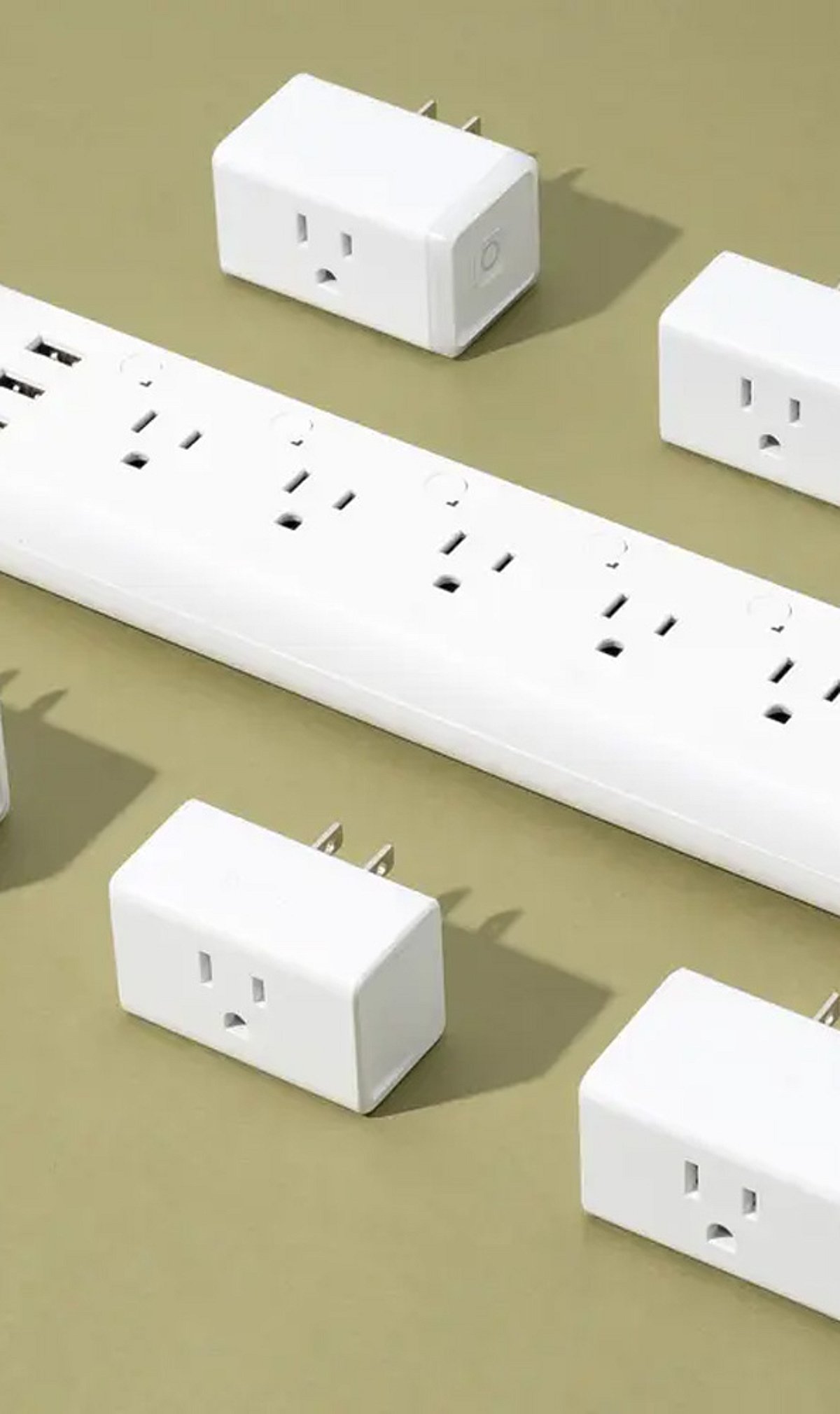
  • Smart Plugs: The Hidden Drawbacks You Need to Know Before Buying

    Smart Plugs: The Hidden Drawbacks You Need to Know Before Buying

    Smart plugs have become a popular entry point into home automation, allowing users to turn ordinary appliances into connected devices. With a simple app or voice command, you can control lights, fans, and other gadgets remotely, schedule them to turn on or off, and even monitor energy usage. However, beneath the convenience lie several hidden drawbacks that every potential buyer should consider.

    Convenience at Your Fingertips

    The primary appeal of smart plugs is remote control and scheduling. Whether you’re at work or on vacation, you can switch devices on or off, create routines, and automate lights to simulate occupancy. Energy-monitoring models go a step further, showing how much electricity each appliance consumes, helping you identify power-hungry devices and reduce unnecessary standby waste.

    The Hidden Costs: Standby Power and Security Risks

    Smart plugs are not completely energy-free. They continuously draw electricity to maintain a Wi-Fi connection, typically consuming 1–2 watts in standby mode. While small, this adds up over multiple plugs and years of use. More concerning are security and privacy risks. Poorly secured or outdated smart plugs can become an entry point for hackers into your home network, and the associated apps may collect and share usage data without clear consent.

    Dependence on Internet and Compatibility Issues

    Smart plugs rely heavily on a stable internet connection. Weak Wi-Fi, cloud outages, app failures, or firmware bugs can delay commands or render features unavailable. Compatibility is another factor: smart plugs work best with appliances that have physical on/off switches. High-power devices like space heaters or air conditioners may exceed the plug’s current rating, posing a fire hazard. Additionally, many smart plugs are bulky and can block adjacent wall outlets.

    Tips for Safer and Smarter Use

    To minimize risks, choose reputable brands, keep firmware updated, and consider local-control options such as Matter or Thread that reduce cloud dependence. Always check the plug’s load rating before connecting high-power appliances. Also, review the plug’s size, supported ecosystem, and privacy policy before purchasing.


  • Haier at IFA 2026: AI-Powered Appliances and Humanoid Robots Take Center Stage

    Haier at IFA 2026: AI-Powered Appliances and Humanoid Robots Take Center Stage

    At IFA 2026 in Berlin, Haier showcased its latest AI-powered home ecosystem, blending smart appliances, digital services, and robotics under the theme ‘Home of Intelligent Possibilities.’ The company highlighted systems designed to adapt to user habits, household conditions, and daily routines, moving beyond individual connected devices to a fully integrated intelligent home experience.

    Haier’s exhibition covered laundry, refrigeration, cooking, entertainment, and robotic devices. The company also announced plans to invest at least EUR 13 billion over the next five years in artificial intelligence, robotics, semiconductors, research, and IoT security.

    From Smart Devices to an Intelligent Home

    Haier emphasized that its strategy goes beyond standalone smart appliances. The goal is to enable different products to work together around the needs of people at home. The hOn app unifies Haier Europe’s appliances and digital services, allowing devices to respond to daily routines automatically.

    Neil Tunstall, CEO of Haier Europe, explained that the company aims to reduce the effort involved in common household tasks. Regarding AI-assisted cooking, he said, “The product now will do that for you. And that hopefully means then that we can actually enjoy eating much more at home.”

    AI Enhances Laundry, Food Care, and Entertainment

    Several products at IFA use cameras, sensors, and AI software to optimize their operations. The Vision 15 washing machine assesses load size, balance, and foam levels, adjusting water use, detergent, drum movement, and washing settings accordingly.

    The Maestro refrigerator prototype features the AI Food Care System 2.0, which recognizes stored food and recommends suitable storage conditions. Haier’s ID Ultimate Series 6 oven identifies food, tracks the cooking process, and stops automatically when done. UltraSense AI also adjusts picture and sound settings on Haier Smart TVs based on content and room conditions.

    Robotics Expands the Connected Home Strategy

    Haier presented humanoid robots and other robotic systems capable of performing physical tasks alongside connected appliances. The display included cleaning robots that recognize objects and types of dirt, as well as companion robots designed for voice support and personalized assistance.

    Tunstall noted that robotics could handle basic household jobs without replacing people. “We’re not trying to replace the human,” he said. “There are basic tasks that robotics can do.” He cited robot vacuum cleaners and robotic lawnmowers as examples of technology already taking over routine work.

    EUR 13 Billion Investment in AI and Robotics

    Haier plans to invest at least EUR 13 billion over the next five years in AI, robotics, research, advanced engineering, and related technologies. Tunstall said the investment would accelerate the delivery of new products and features to consumers.

    “Our next five years is spending 13 billion on AI, on robotics, on R&D, advanced engineering, and all of those things,” Tunstall said. He added that the funding would support faster product development across Haier’s categories.

    Haier also uses data from connected appliances to study how people use products and to improve design, manufacturing, and delivery. The company reported more than 130 million registered users on its smart home platform and 86.1 billion smart-scene interactions in 2025.

    While some technologies shown at IFA 2026 remain at the concept stage, Tunstall expects more of them to move toward commercial release. “They’re not here right now, but they are going to be here pretty soon in this industry,” he said.

  • LG Smart TVs Under Fire: Researchers Find Audio Recording and Network Scanning in Standby Mode

    LG Smart TVs Under Fire: Researchers Find Audio Recording and Network Scanning in Standby Mode

    A new investigation by technology researchers has raised serious privacy concerns about LG smart televisions. According to findings from Gamers Nexus and Level1Techs, certain LG TV models continue to scan home networks and record audio through their built-in microphones even when the television appears to be switched off.

    The Investigation

    The research, conducted on retail LG OLED sets including the G5 model, revealed that the devices actively scan for other gadgets on the home network—such as smartphones, smartwatches, computers, and printers—and collect internal IP addresses as well as information about nearby Wi-Fi networks like names and signal strength. Most alarmingly, the microphones captured clear audio even after the display shut down, and when disconnected from the internet, the TV stored recordings locally before uploading them once connectivity returned.

    Security Flaws in webOS

    Beyond data collection, the team also identified remote code execution vulnerabilities in LG’s webOS software. These flaws were reported to LG through responsible disclosure. Although LG allows users to disable voice recognition in the settings, the investigation found no physical hardware switch to cut power to the microphone, leaving a potential backdoor for always-on listening.

    How to Protect Yourself

    As of now, LG has not issued an official statement. In the meantime, users can take several precautions:

    • Install the latest firmware updates regularly.
    • Review privacy settings under the Settings or Privacy & Terms menu.
    • Read all agreements carefully before accepting them.
    • Keep the TV on a separate guest network to isolate it from sensitive devices.
    • Disable UPnP on the router and avoid exposing TV services directly to the internet.

    These steps can help reduce the risk of unwanted data collection while awaiting an official fix from LG.