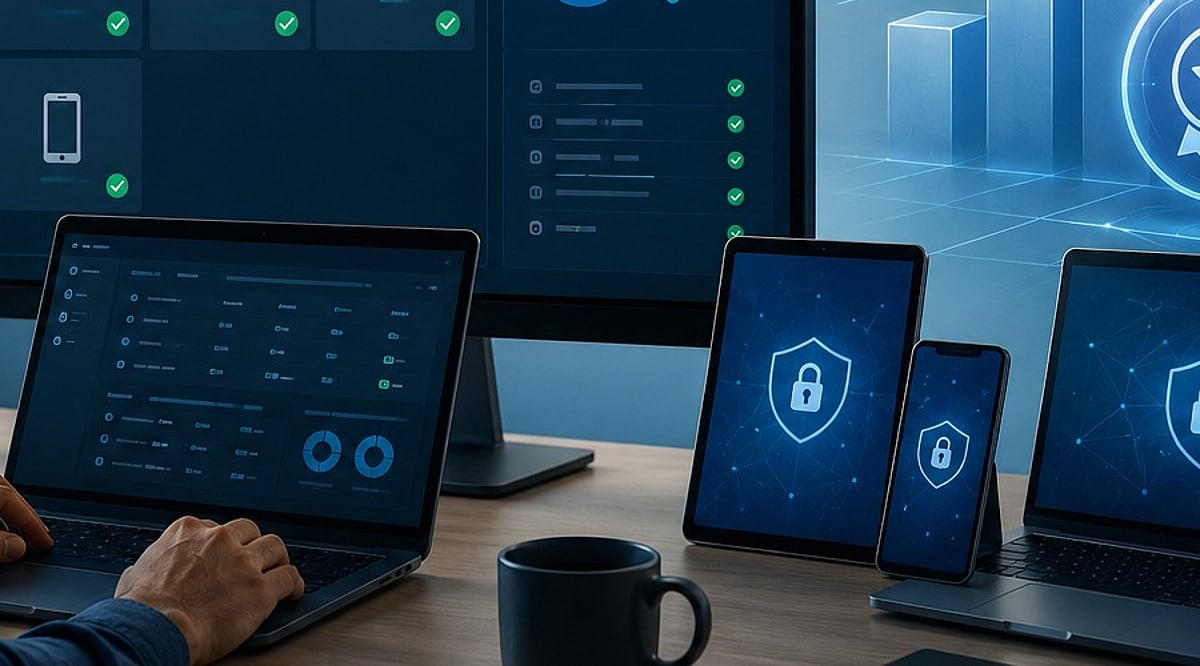
The rapid evolution of the modern workplace, driven by remote and hybrid work models and widespread cloud adoption, has fundamentally changed how IT departments operate. Managing a diverse array of endpoints—laptops, mobile devices, desktops, and virtual machines—has become a critical responsibility. As cyber threats grow more sophisticated and device ecosystems become more complex, organizations urgently need skilled professionals who can secure and manage these endpoints. This surge in demand has made IT certifications focused on endpoint management increasingly valuable.
The Evolution of Endpoint Management
Just a decade ago, endpoint management was largely manual and centralized. IT administrators had physical access to devices, handling updates and configurations on-site. The rise of cloud technology and remote work rendered this approach obsolete. Today, cloud-based management tools enable organizations to configure, secure, and control devices regardless of location. Specialized platforms now handle operating system management, application deployment, security enforcement, and compliance monitoring—all remotely. This shift improves productivity and reduces security risks.
Why Endpoint Management Matters for Business
Every device connected to a corporate network is a potential entry point for cyberattacks. Without proper endpoint management, organizations face increased vulnerability to malware, data breaches, and unauthorized access. Effective management ensures devices are consistently updated with security patches and configured to meet organizational policies, reducing risk and supporting regulatory compliance. Beyond security, automated endpoint management alleviates the workload on IT teams, letting them focus on strategic initiatives rather than repetitive maintenance, leading to greater operational efficiency.
Certifications as Career Catalysts
In a competitive IT job market, certifications validate technical skills and demonstrate professional commitment. Employers increasingly rely on certifications to gauge a candidate’s knowledge in areas such as device management, security configuration, application deployment, and cloud integration. Structured certification programs offer clear learning paths that combine theory with practical preparation. Many professionals use resources like Prep Away to reinforce their understanding and boost exam confidence. Certifications not only enhance career prospects but also open doors to advanced roles such as endpoint administrator, systems administrator, cloud administrator, and IT security specialist.
Cloud-Based Endpoint Management
Cloud platforms have revolutionized how endpoints are managed. Instead of relying on on-premises infrastructure, businesses now use cloud-based systems to deploy applications, enforce security policies, and monitor device health in real time. Automated updates keep all devices secure without manual intervention. Scalability is a key advantage—organizations can easily add or remove devices without reconfiguring their entire IT infrastructure, making cloud solutions ideal for dynamic, distributed workforces.
Microsoft Endpoint Administrator Certification (MD-102)
Microsoft offers the MD-102 certification specifically for professionals managing endpoints in modern enterprise environments. The certification covers device deployment, application management, security configuration, and compliance enforcement. It is suited for endpoint administrators, IT support specialists, and systems administrators. Earning the MD-102 demonstrates the ability to manage devices efficiently in cloud and hybrid environments, and confirms expertise in implementing security policies and maintaining compliance.
Key Responsibilities of Endpoint Administrators
Endpoint administrators are tasked with ensuring all devices are secure, updated, and properly configured. Core duties include device provisioning (setting up new devices with standardized configurations using automation tools), security management (implementing antivirus, encryption, access controls, and monitoring), and responding to security incidents. They also ensure compliance with industry standards.
Career Opportunities and Continuous Learning
The field of endpoint management offers a broad career path with rising demand as remote and hybrid work models persist. Typical job titles include endpoint administrator, IT support engineer, systems administrator, cloud administrator, and IT security specialist. With experience and certifications, professionals can progress to IT manager, cloud architect, or cybersecurity analyst roles. Continuous learning is essential in IT—technologies evolve quickly, and staying current through certifications, online courses, hands-on labs, and professional communities keeps skills relevant. Employers value candidates who demonstrate a commitment to lifelong learning, ensuring their teams can tackle emerging challenges.
Frequently Asked Questions
What is endpoint management?
Endpoint management is the process of managing and securing devices such as laptops, desktops, and mobile devices within an organization’s network.
Why is endpoint management important?
It ensures device security, compliance, and efficient operation across enterprise environments.
What does the MD-102 certification cover?
The MD-102 covers endpoint deployment, application management, security configuration, and compliance enforcement.
Are endpoint management skills in demand?
Yes, due to the growth of remote work and cloud-based IT environments, demand is high.
How can IT certifications help professionals?
Certifications validate skills, improve job opportunities, and support career advancement in specialized technical fields.
Conclusion
Endpoint management has become a cornerstone of modern IT operations. As organizations rely on distributed devices and cloud systems, ensuring endpoints remain secure and configured is vital for business continuity and data protection. Professionals with endpoint management expertise are highly valued, and certifications combined with continuous learning are key to building successful careers. By blending practical experience with structured preparation and industry-recognized credentials, IT professionals can make a significant impact on the security and efficiency of today’s digital workplaces.