
Tag: IT operations

  • AI Agents Move Beyond Chatbots: 4 Real-World Jobs Where They Act Autonomously

    AI Agents Move Beyond Chatbots: 4 Real-World Jobs Where They Act Autonomously

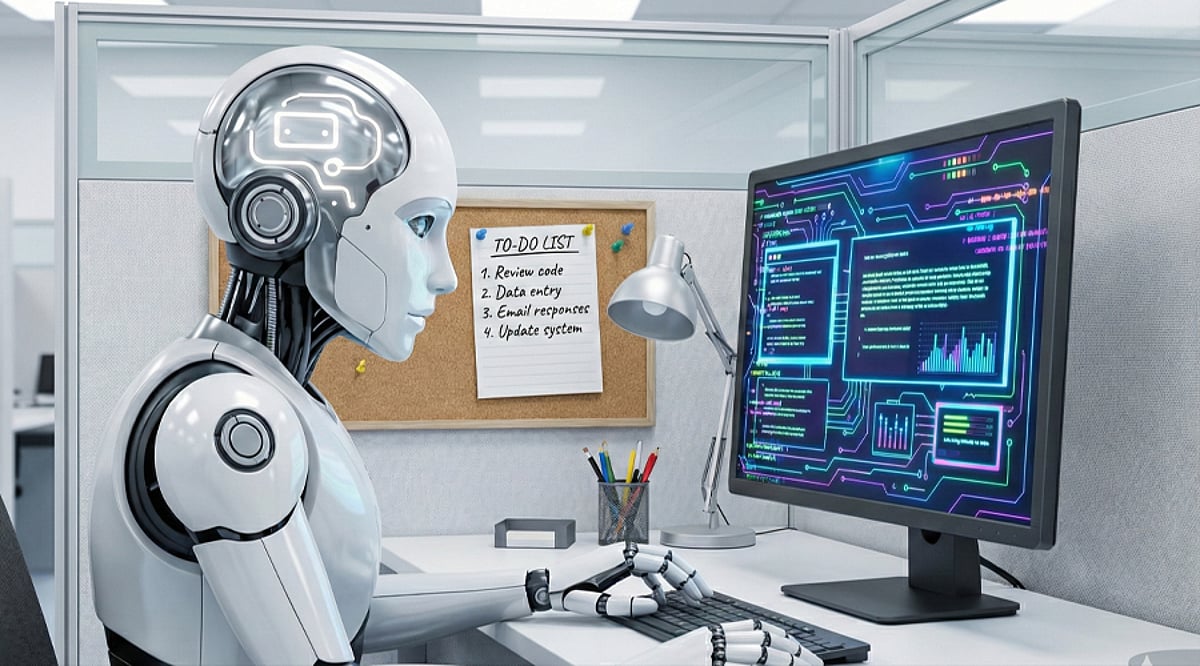
    AI agents are evolving from simple question-answering tools into autonomous operators that can plan tasks, use software, verify results, and execute multi-step workflows with minimal human oversight. This shift from generating answers to completing entire processes is reshaping industries. Here are four key areas where AI agents are taking independent action in 2026.

    Financial Operations

    Financial firms now deploy AI agents for research, portfolio monitoring, risk assessments, and other complex workflows. Some systems rebalance portfolios within approved limits or handle operational exceptions automatically. Human-defined rules, permissions, and oversight remain essential for high-impact financial decisions, but routine tasks are increasingly handled by agents.

    Customer Support

    AI support agents have moved beyond scripted responses. They can classify customer requests, retrieve account data, check policies, process eligible refunds, update CRM records, send responses, and escalate unusual cases. The goal is no longer just answering a question—it’s resolving the entire customer case autonomously.

    Smart Buildings and Infrastructure

    AI agents connect with building systems, sensors, and HVAC equipment to monitor conditions and adjust operations in real time. Research from 2026 demonstrates agent-based systems that continuously optimize cooling and energy usage, showing how AI can take physical-world actions in smart buildings.

    Software and IT Operations

    Coding agents read repositories, identify relevant files, modify code, run tests, inspect failures, and prepare changes for review. IT agents investigate alerts, search logs, and handle routine fixes. While human engineers still review security-sensitive or high-impact changes, agents now manage significant portions of development and maintenance workflows.

    Setting Boundaries for Autonomous Agents

    Independent action introduces new risks: agents may act on incorrect information, receive excessive permissions, follow malicious instructions, or propagate errors across connected systems. Security experts recommend least-privilege access, detailed activity logs, continuous monitoring, rigorous testing, and human approval for high-risk actions. The transition from assistants to operators requires careful governance.

    The takeaway: AI agents are not replacing all workers overnight. Instead, they are owning narrow, repeatable workflows while humans handle exceptions, accountability, and major decisions. Finance, customer operations, software development, and smart infrastructure are leading this transformation in 2026.
  • How COOs Are Using AI Agents to Build Truly Autonomous Operations

    How COOs Are Using AI Agents to Build Truly Autonomous Operations

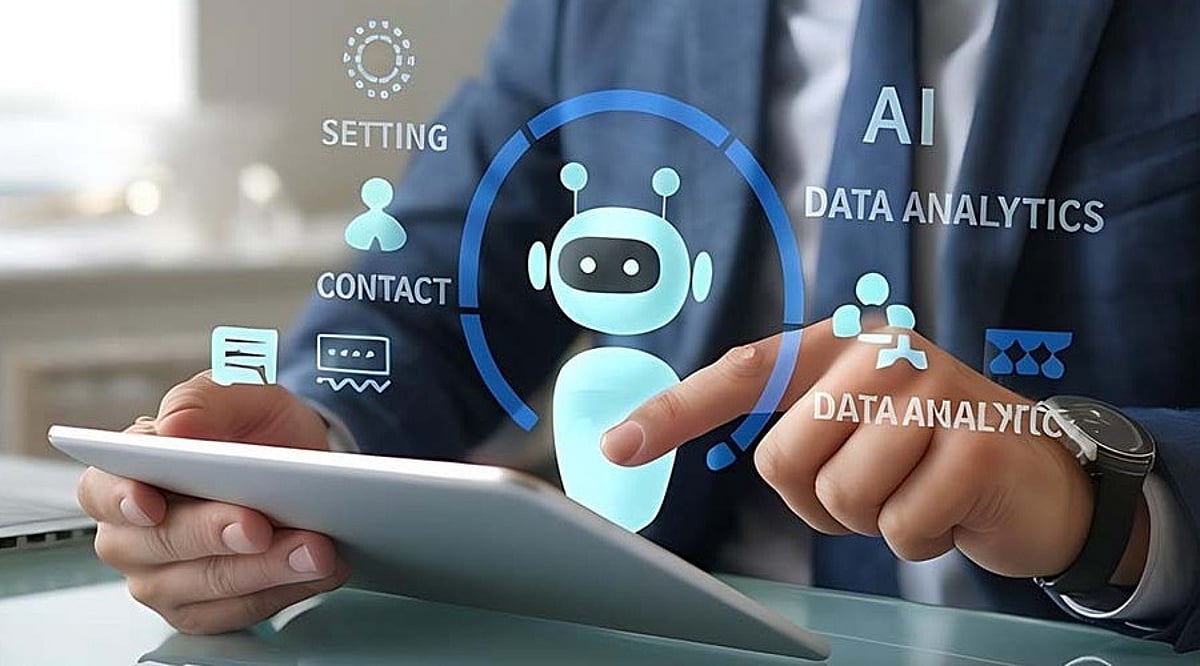
    Modern Chief Operating Officers (COOs) are moving beyond traditional automation by integrating AI agents into core business processes. These intelligent software systems can analyze data, make decisions, and execute multi-step tasks across supply chains, finance, customer service, and IT operations—all with minimal human intervention. The shift from simple automation to autonomous workflows is redefining how enterprises operate, enabling faster decisions, stronger governance, and more resilient business models.

    From Automation to Autonomous Workflows

    Traditional automation tools follow fixed instructions. AI agents, by contrast, process data in real time, determine the next best action, and execute tasks across different enterprise systems. For example, in supply chain management, an AI agent can monitor inventory, forecast demand, detect shortages, place orders, and only alert managers when approval is needed. This integrated approach streamlines processes that were previously handled in silos.

    Where Companies Are Deploying AI Agents

    Organizations are already applying AI agents in several high-impact areas:

    • Supply Chain: AI agents track stock levels, predict demand, flag supplier issues, and recommend purchases—responding faster than humans and reducing waste.
    • Finance: Departments use agents for invoice processing, account reconciliation, anomaly detection, and report generation, cutting manual steps while maintaining control.
    • Customer Service: Agents handle routine inquiries, categorize tickets, and escalate complex issues, freeing human teams for higher-value interactions.
    • IT Operations: Technology teams deploy agents to monitor networks, detect failures, and even prevent outages before they affect customers.

    The Evolving Role of the COO

    As AI becomes integral to daily operations, COOs are shifting focus from pure efficiency to designing a collaborative human-AI operating model. This requires investments in data quality, governance, cybersecurity, and employee training. The key question is no longer which tasks to automate, but which business processes can run autonomously with sufficient human oversight. Successful adoption demands an enterprise-wide approach rather than isolated departmental implementations.

    Building Autonomous Operations: A Phased Approach

    Most organizations take a step-by-step path:

    1. Identify repetitive, high-volume workflows with clear business value.
    2. Improve data quality and establish governance policies.
    3. Define when human intervention is required.
    4. Ensure AI agents can integrate with existing enterprise applications, cloud platforms, and databases.

    Companies that treat AI as a strategic, enterprise-level initiative are more likely to succeed than those deploying it in silos.

    Why This Matters

    The shift to autonomous operations is revolutionizing how businesses manage daily workflows. COOs who combine AI-driven processes with strong governance, reliable data, and human oversight will gain competitive advantages in efficiency and adaptability.

    The Challenges Ahead

    Despite the promise, risks remain. Poor data quality, outdated IT infrastructure, and siloed architecture can undermine even sophisticated AI agents. Governance is critical—especially for decisions involving finance or customer interactions. Firms must develop transparent methods to explain AI-driven decisions, or they risk compounding problems rather than solving them.

    Frequently Asked Questions

    What are AI agents in business operations?

    AI agents are intelligent software systems that analyze data, make decisions, and execute multi-step tasks with minimal human intervention.

    How do AI agents help COOs?

    They automate routine workflows, improve operational efficiency, support faster decisions, and allow COOs to focus on strategic priorities.

    Which departments benefit most from AI agents?

    Supply chain, finance, customer service, procurement, and IT operations are among the earliest and biggest adopters.

    Can AI agents replace human employees?

    No. They handle repetitive tasks, while humans continue overseeing critical decisions, governance, compliance, and complex problem-solving.

    What is the biggest challenge in adopting AI agents?

    Ensuring high-quality data, strong governance, cybersecurity, and seamless integration with existing enterprise systems remains the biggest challenge.