
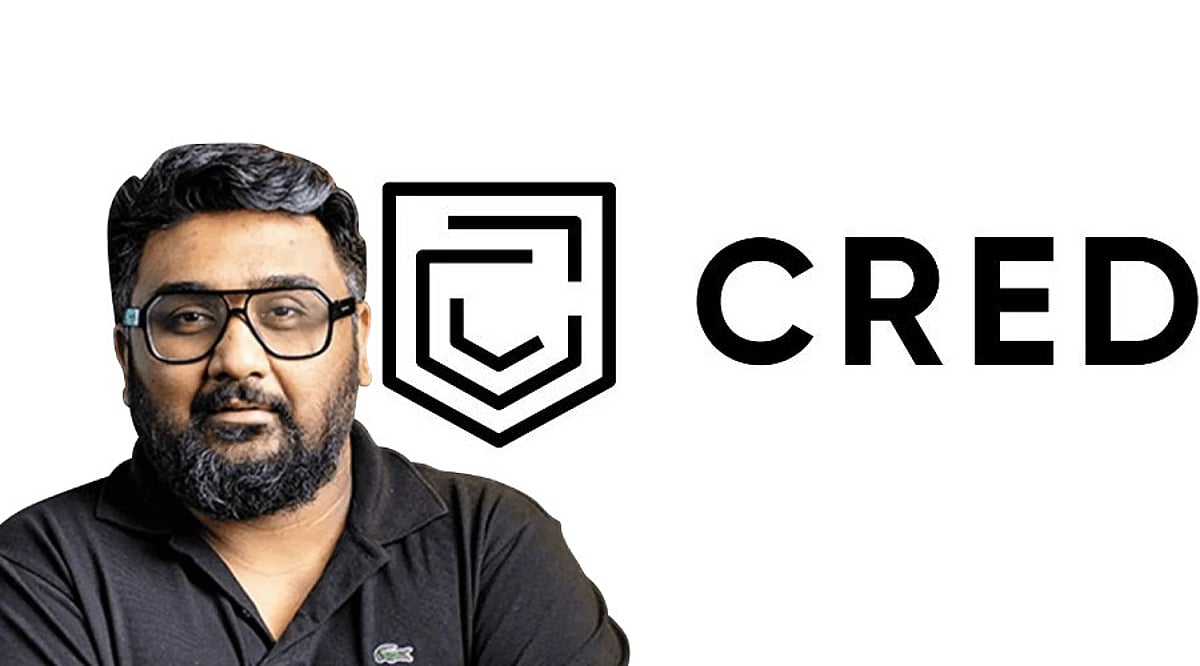
Tag: Kunal Shah

  • Kunal Shah’s CRED: From Credit Card Rewards to a $4.5 Billion Financial Ecosystem

    Kunal Shah’s CRED: From Credit Card Rewards to a $4.5 Billion Financial Ecosystem

    Kunal Shah founded CRED in 2018 with a simple yet powerful idea: reward creditworthy consumers for paying their credit card bills on time. What started as a members-only platform has since transformed into a comprehensive financial ecosystem spanning payments, lending, insurance, wealth management, and lifestyle services.

    Starting with Credit Card Payments

    CRED’s initial offering targeted disciplined credit card users. Members could manage multiple cards, track spending, receive payment reminders, and understand their credit behavior. By linking timely payments to rewards, CRED turned a routine financial task into an engaging experience. Today, the platform processes more than 40% of India’s credit card bill payments and serves 17 million monthly members.

    Building a Broader Payments Platform

    CRED expanded its payment capabilities around its core customer base. It introduced UPI payments through CRED Pay, enabling users to scan QR codes and earn rewards, along with tap-to-pay on supported Android devices. In June 2026, CRED launched multibill payments and autopay for credit card bills up to Rs. 2 lakh, with over 70% of members holding multiple credit cards.

    Expansion into Lending, Wealth, and Insurance

    The company’s next phase moved beyond payments. CRED’s lending business now manages Rs. 24,000 crore in assets for top financial institutions. It also launched Yosemite, an invite-only society called Sovereign, a co-branded RuPay credit card with IndusInd Bank, and tools for tracking asset portfolios and long-term investments. Later additions include Cash by CRED and an AI-powered credit coach.

    Technology at the Center

    Technology remains the backbone of CRED’s model, connecting payments, credit management, rewards, and financial services. The platform relies on encrypted data and transaction systems. Its lending operation partners with banks and NBFCs, with CRED acting as a lending service provider. In June 2026, CRED received final RBI authorization to operate as a payment aggregator. The company also developed CRED codelens, a system delivering 4x AI acceleration using Amazon Bedrock.

    Meta’s $900 Million Investment

    CRED reached a major milestone in June 2026 when Meta led a Rs. 8,550 crore ($900 million) Series H funding round, valuing CRED at approximately $4.5 billion post-money. Meta became a minority investor without access to customer data. Concurrently, Shah stepped away from his operating role as CEO to join Meta’s global leadership team. Miten Sampat, who joined CRED in 2020 and led strategy and finance, became interim CEO.

    From Payments App to Financial Ecosystem

    CRED’s journey reflects a deliberate strategy of expanding services for financially active consumers. The company now generates about Rs. 3,200 crore in revenue and is profitable, with a full stack of licenses. An eventual IPO remains a long-term goal. With Shah moving to Meta, CRED’s next phase will continue under its existing board and leadership, expanding its financial services footprint.
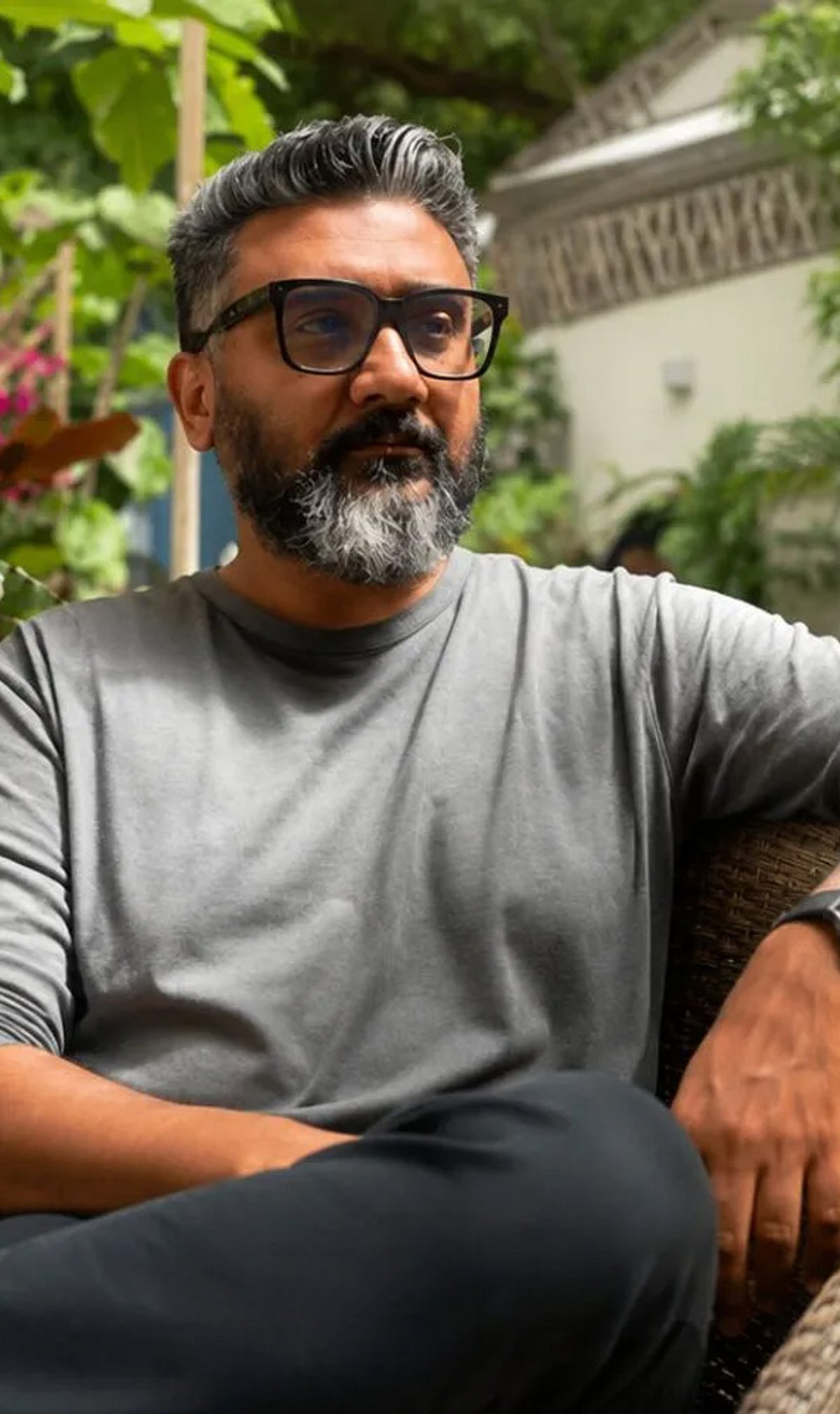
  • CRED’s Next Move: What Lies Ahead for Kunal Shah’s Fintech Platform

    CRED’s Next Move: What Lies Ahead for Kunal Shah’s Fintech Platform

    CRED has emerged as one of India’s most prominent fintech platforms, and questions are mounting about its next phase of growth and innovation. Founded by Kunal Shah, the company initially gained traction by rewarding users for timely credit card payments while cultivating a premium financial community.

    Beyond bill payments, CRED has expanded into lending, payments, financial products, and money management solutions. After years of rapid expansion, the company’s future focus is expected to sharpen on stronger monetization, deeper customer engagement, and sustainable business growth.

    India’s fintech market is becoming increasingly competitive, with digital payment platforms and financial technology companies launching new products for consumers. CRED’s ability to attract high-value users remains a key advantage as it explores fresh opportunities in the evolving financial services sector.

    The company faces challenges including profitability expectations, intensifying competition, shifting regulations, and the need to maintain long-term customer trust. Future growth could depend on expanding financial services while delivering greater value beyond traditional payment experiences.

    CRED’s next chapter will be closely watched as the fintech industry moves toward deeper digital banking and personalized financial solutions.

  • Kunal Shah Appointed WhatsApp Global Head: The Entrepreneurial Journey Behind the Meta Move

    Kunal Shah Appointed WhatsApp Global Head: The Entrepreneurial Journey Behind the Meta Move

    Kunal Shah, the Indian entrepreneur who built FreeCharge and CRED, has been appointed as the new global head of WhatsApp by Meta. The move marks a significant milestone for Indian entrepreneurship and signals a growing appetite for founder-led leadership in global technology companies. Alongside the appointment, Meta invested $900 million in CRED, valuing the fintech platform at $4.5 billion.

    From FreeCharge to a Landmark Exit

    Shah co-founded FreeCharge in 2010, a mobile recharge platform that became one of India’s early digital payment successes. In 2015, Snapdeal acquired FreeCharge for roughly $400 million, one of the largest acquisitions in the Indian startup ecosystem at the time. The deal cemented Shah’s reputation as a founder with deep insights into consumer behavior in a market where digital trust was still emerging.

    Building CRED Into a Fintech Powerhouse

    Rather than resting on his first success, Shah launched CRED in 2018 with a unique value proposition: rewarding users who pay their credit card bills on time. The platform quickly evolved into a diversified financial services company covering payments, lending, insurance, and wealth management. Meta’s recent $900 million investment brought CRED’s valuation to $4.5 billion and solidified its position as a key player in India’s fintech landscape.

    The Cold Email That Changed Everything

    According to Bloomberg, Shah’s path to WhatsApp started with a conversation. Meta’s Chief Product Officer, Chris Cox, was seeking perspectives on WhatsApp’s future from entrepreneurs in key markets like India, Brazil, and Mexico. Shah’s vision for the platform impressed Cox enough to turn a discussion into a leadership opportunity. The story underscores how public engagement and industry reputation can open doors that formal applications rarely can.

    Why Meta Chose a Builder, Not a Manager

    Meta CEO Mark Zuckerberg praised Shah for building “one of India’s most important technology companies” and emphasized the “builder mentality” and global perspective the company wanted for WhatsApp’s next phase. The appointment reflects a strategic shift: importing a founder’s product instincts into a business that has struggled to convert its massive scale into commerce and payments revenue, especially in India where WhatsApp Pay lags behind PhonePe and Google Pay.

    Startup Leadership vs. Big Tech Opportunities

    Shah’s move is part of a larger trend in the tech industry where rising AI capabilities and market dynamics force leaders to choose between entrepreneurial ambition and the resources of large tech companies. Industry experts note that WhatsApp’s main challenge is not its user base but monetization beyond business applications. Shah inherits a platform with unparalleled scale but an incomplete recipe for commerce.

    Lessons From Shah’s Journey

    Shah’s career offers clear lessons for entrepreneurs and CXOs: reinvention can be practiced repeatedly. From exiting the payments field to building CRED from scratch and now leading the world’s largest messaging platform, Shah emphasizes maintaining visibility and engagement in the industry regardless of current projects. For executives observing this career move, it illustrates how founder-driven thinking is becoming more valued in top global tech companies.

    Why This Matters

    Kunal Shah’s appointment to lead WhatsApp reflects a broader shift in the technology industry where global companies increasingly value entrepreneurial thinking alongside operational leadership. His journey demonstrates how innovation, resilience, and a deep understanding of consumer behavior can open opportunities beyond startup success. For entrepreneurs, executives, and aspiring founders, his career highlights the growing influence of Indian technology leaders on the global stage.