Tag: KYC

  • Agentic AI in Indian Banking: From Chatbots to Autonomous Decision-Making

    Agentic AI in Indian Banking: From Chatbots to Autonomous Decision-Making

    Artificial intelligence in Indian banking has largely meant chatbots that answer balance queries, recommendation engines that suggest the next product, and fraud models that flag suspicious transactions for a human to review. That era is ending quickly. What is emerging now is agentic AI: a class of systems that does not just respond to a prompt, but plans, decides and acts across multiple steps without waiting for a human to approve each move.

    The shift is not cosmetic. It changes how credit gets underwritten, how KYC gets verified, how fraud gets stopped, and how service teams spend their day. The numbers behind it are large enough to demand attention. The operational details are messy enough to demand caution.

    From Prompt-Response to Plan-and-Act

    Traditional automation in banking, including robotic process automation and early generative AI tools, worked on a simple pattern: a human triggers a task, the system executes a fixed script, and the output goes back to a human for the next step. Agentic AI breaks that pattern. An agent is given a goal—something like “resolve this customer dispute” or “underwrite this loan application”—and then independently queries APIs, pulls data from multiple systems, applies reasoning and takes the next action, often chaining several steps together before a human ever sees the result.

    This matters technically because RPA breaks the moment an interface or a data format changes. Agentic systems, built on reasoning loops that plan, act and adjust based on outcomes, can handle edge cases a rules-based script cannot. That flexibility is precisely why banks are willing to give these systems more autonomy, and precisely why the risk profile looks different from anything that came before.

    The global market for agentic AI in financial services is estimated at close to $7.8 billion in 2026, up from around $5.5 billion a year ago, on a path toward more than $43 billion by 2031. That implies a compound annual growth rate above 41 percent. Even accounting for the usual noise in market-sizing reports, growth at that scale signals genuine capital commitment rather than marketing enthusiasm.

    More telling than the headline number is the adoption curve inside institutions. Around 44 percent of financial services teams report actively using agentic AI in 2026, several hundred percentage points higher than early 2025. Among the largest global banks, more than seven in ten now have programs that have moved past proof-of-concept into production or advanced piloting. Fintechs and neobanks, unburdened by decades-old core banking systems, are moving faster still. A parallel market has emerged around governance: platforms that monitor, audit and constrain what autonomous agents are allowed to do are already valued near $9 billion in 2026 and expected to cross $14 billion within five years. That the oversight layer is growing almost as fast as the core technology tells you banks understand autonomy without control is not a viable strategy in a regulated industry.

    Where Agentic AI Is Actually Being Used

    Fraud detection and anti-money laundering account for the largest functional share of agentic deployments, roughly a third of all use cases by some estimates. Fraud patterns shift constantly, transaction volumes are enormous, and the cost of a missed signal is high. Agents that correlate cross-border transaction patterns, flag anomalies and take a first action such as placing a temporary hold offer a meaningful edge over static rule engines.

    Credit underwriting has moved from experimental to operational. Rather than a loan officer manually pulling GST filings, bank statements and alternate data sources, an agent queries multiple verification APIs in parallel and produces a draft underwriting memo within seconds. The human role shifts from gathering data to reviewing a structured recommendation.

    Onboarding and KYC verification follow a similar pattern. Multi-agent architectures orchestrate biometric de-duplication, registry lookups against systems like CKYC, and fraud checks simultaneously instead of sequentially, cutting what used to take hours down to near real time. For insurers, agentic workflows validate first-notice-of-loss claims, cross-check damage documentation and trigger payouts on small claims without human intervention.

    This is no longer confined to individual institutions. NPCI is developing a Unified Agent Protocol that would let verified AI agents execute UPI payments without the user approving every transaction, having already piloted agentic payments publicly at the last Global Fintech Fest. When the country’s payment rails are themselves being redesigned for agents, the question for banks is not whether to participate but how quickly they can be ready.

    Across these use cases, institutions report autonomous resolution rates exceeding 80 percent for structured tasks such as dispute triage and routine compliance checks. That is a real productivity gain, but it carries a specific risk. When 80 percent of the easy work disappears, what remains is disproportionately the hard, ambiguous and emotionally charged work that agents are not yet trusted to handle alone. Support staff are left with an inbox of complex disputes and fraud complaints from customers who have already been through an automated flow that failed them. Industry estimates put the AI and data skills gap inside BFSI global capability centres at around 42 percent, meaning a significant share of the workforce lacks the combination of financial domain knowledge and technical fluency these systems demand.

    The Design Problem Hiding Inside the Technology Problem

    Most of this conversation treats agentic AI as an engineering problem. It is at least as much a design problem. Autonomy only creates value if a customer can understand what an agent is about to do on their behalf, and a supervisor can see why it did what it did. That is interface work: consent screens that make agent permissions legible rather than buried inside a mandate flow, explanations that surface the two or three factors behind a credit decision instead of a confidence score, and override controls that are obvious under pressure rather than three taps deep.

    In Indian retail banking, where a large share of users transact in a second language on an entry-level device, this is not polish. It is the difference between an agent people trust with a payment and one they switch off. Banks that ship autonomy without designing the visible layer around it will find adoption stalling for reasons no amount of model retraining can fix.

    Security and Governance Cannot Be an Afterthought

    Giving an autonomous agent the ability to query core banking systems, move funds or freeze accounts introduces a new category of cybersecurity concern. Agent permissioning, meaning precisely defining what each agent may do and rate-limiting how often it can act, is now a primary vulnerability that did not exist in the same form when humans initiated every transaction. Meanwhile fraud itself is becoming more sophisticated, with a large share of advanced attempts involving generative AI or synthetic voice, pushing banks to deploy defensive agents that evaluate behavioural biometrics and liveness signals in real time.

    Regulators in India have been explicit that autonomy does not remove accountability. Under SEBI’s updated Cybersecurity and Cyber Resilience Framework, regulated entities such as brokers, asset managers and depositories remain directly liable for the actions of their AI systems, closing off any defence built around blaming the algorithm. The Reserve Bank of India has taken a similarly clear position that high-stakes decisions, including credit rejections, loan restructuring and account closures, must retain a human in the loop and remain explainable, even as agentic systems handle the surrounding workflow. India’s data protection framework adds another layer, requiring that every autonomous action, data query and API call an agent makes be logged into an auditable trail a human can review after the fact.

    Agentic AI in BFSI is not a distant trend. It is already running fraud checks, assembling credit memos and triaging disputes inside real institutions today, and it is moving into the payment rails themselves. The technology has proven it can compress work that used to take hours into seconds. What remains unresolved is whether BFSI organizations can build the governance, workforce readiness and design discipline to match the pace of deployment.

    The institutions that get this right will be the ones treating agentic AI as a governance, people and design problem as much as a technology problem, measuring success not by how much work an agent completes on its own, but by how well the humans on both sides of it—customers and supervisors alike—can understand, correct and take responsibility for what it does.
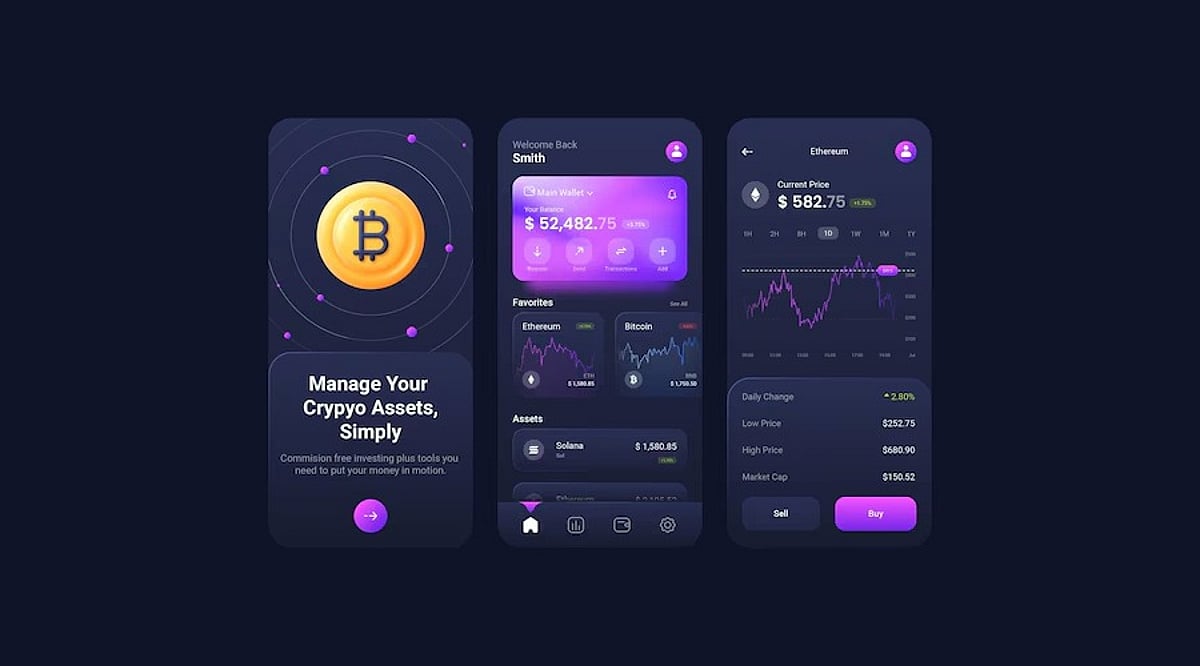

  • How to Buy Crypto in India: A Step-by-Step Guide to KYC, Deposits, and App Trading

    How to Buy Crypto in India: A Step-by-Step Guide to KYC, Deposits, and App Trading

    Buying Crypto in India: What Beginners Need to Know

    For first-time buyers, getting started with cryptocurrency in India can feel complicated. In practice, most crypto trading apps follow a simple flow: create an account, finish KYC, deposit Indian rupees, and place an order. Before you invest, however, you need to choose a compliant platform and understand the fees, taxes, and risks involved.

    Step 1: Choose a Compliant Crypto App

    Select a crypto exchange or trading app that operates in India and supports INR transactions. Confirm that the platform is registered with the Financial Intelligence Unit-India (FIU-IND). FIU-IND requires virtual digital asset service providers involved in crypto-to-fiat exchange, crypto transfers, and custody to comply with the Prevention of Money Laundering Act (PMLA). This matters because the Indian government recently ordered the removal of websites and apps belonging to 15 VDA service providers over alleged PMLA non-compliance.

    Step 2: Complete Your KYC

    Register using your mobile number and email, then complete the app’s verification process. You will generally need your PAN and valid identification proofs. KYC helps the platform confirm your identity and meet anti-money-laundering rules. As a basic safety measure, never share your OTP, password, or crypto wallet recovery phrase with anyone who claims to be from the exchange.

    Step 3: Add Money to Your Account

    Once your KYC is approved, you can deposit Indian rupees into your trading account. Most platforms support UPI or bank transfers. Before depositing, check the platform’s minimum and maximum deposit limits, processing time, and applicable charges.

    Step 4: Buy Cryptocurrency

    After your INR balance is available, open the trading section and choose the cryptocurrency you want to purchase. Enter the amount you want to spend in INR or the quantity of crypto you want. The app will display the current price and applicable fees. Review the details and confirm your order if everything looks correct.

    Remember that crypto prices can move sharply in a short time. The government has warned that virtual digital asset and NFT transactions carry significant risks and may not provide regulatory recourse for losses.

    Step 5: Understand India’s Crypto Tax Rules

    Cryptocurrency gains are taxable in India. Under Income Tax Department rules, income from the transfer of virtual digital assets is taxed at 30%, plus applicable surcharge and 4% cess. A 1% TDS provision also applies to VDA transfers, subject to thresholds: ₹10,000 in aggregate consideration during the financial year for most people, and ₹50,000 for specified persons.

    Step 6: Keep Records for Tax Reporting

    Maintain detailed records of your crypto purchases and sales, transaction values, fees, and TDS. Good records make tax filing much simpler.

    FAQs

    Is cryptocurrency legal to buy in India?

    Yes, cryptocurrency can be bought and sold in India, but it is not recognized as legal tender. Use platforms registered with FIU-IND where applicable, and understand that crypto transactions carry financial, regulatory, and security risks.

    What documents are required for crypto KYC in India?

    Platforms generally require personal information, PAN, and valid identity documents. Exact requirements vary by platform. Share information only through the exchange’s official website or app, and never share OTPs or passwords.

    How can I deposit money into a crypto trading app?

    After KYC approval, add Indian rupees through supported payment methods such as UPI or bank transfer. Check minimum and maximum limits, processing times, and any applicable fees before depositing.

    How do I buy cryptocurrency using an Indian crypto app?

    Once INR is credited, go to the trading section, select the cryptocurrency you want, enter the amount in rupees or the desired crypto quantity, review the displayed price and fees, and confirm the order if the details are correct.

    What taxes apply when buying and selling cryptocurrency in India?

    Income from transferring virtual digital assets is generally taxed at 30%, plus applicable surcharge and 4% cess. A 1% TDS provision also applies subject to thresholds. Keeping detailed transaction, fee, purchase, and sale records can simplify tax reporting.

  • Global Crypto Intelligence Network: How Governments and Exchanges Are Tracking Digital Assets

    Global Crypto Intelligence Network: How Governments and Exchanges Are Tracking Digital Assets

    Cryptocurrency was once widely viewed as a financial system that could operate largely outside traditional government surveillance. That assumption is becoming increasingly difficult to maintain. Governments, cryptocurrency exchanges, blockchain analytics firms and stablecoin issuers are building infrastructure that can connect on-chain transactions to real-world identities. While public blockchains remain decentralized, the intelligence layer surrounding them is becoming increasingly interconnected.

    Blockchain Analytics is Becoming a Major Intelligence Tool

    Public blockchains such as Bitcoin and Ethereum permanently record transactions. Wallet addresses may be pseudonymous, but investigators can follow funds as they move between wallets, exchanges, bridges and other blockchain services. The scale of illegal cryptocurrency activity explains why governments are investing heavily in these capabilities. According to Chainalysis’ 2026 Crypto Crime Report, illicit cryptocurrency addresses received at least $154 billion during 2025, representing a 162% year-over-year increase. The surge was largely driven by sanctioned entities, which received 694% more cryptocurrency than in 2024. However, Chainalysis estimates that illicit transactions still represent less than 1% of attributed crypto transaction volume.

    Stablecoins are Increasingly Important to Investigators

    Bitcoin is no longer the dominant cryptocurrency used for illicit transactions. Stablecoins accounted for approximately 84% of illicit cryptocurrency transaction volume in 2025, according to Chainalysis. Sanctions evasion is one area receiving particular attention. The ruble-backed A7A5 stablecoin processed approximately USD 93.3 billion in transactions in less than one year, according to Chainalysis’ sanctions analysis. Iran-linked cryptocurrency activity has also expanded. Chainalysis estimates that Iran’s Islamic Revolutionary Guard Corps and associated networks received more than USD 3 billion during 2025.

    Exchanges Connect Wallets with Real-World Identities

    Blockchain analytics can identify where cryptocurrency travels, but centralized exchanges can provide another important piece of information: identity. Most regulated exchanges operate Know Your Customer (KYC) systems. When funds arrive at an exchange, investigators may potentially connect blockchain addresses with verified customer accounts through appropriate legal processes. This creates an intelligence chain combining blockchain transaction data with off-chain records.

    FATF is Looking Beyond Centralized Exchanges

    Regulators are now examining transactions that never reach traditional exchanges. In March 2026, the Financial Action Task Force (FATF) published recommendations addressing stablecoins and peer-to-peer transactions involving unhosted wallets. FATF said more than 250 stablecoins were circulating by mid-2025, with their combined market capitalization exceeding USD 300 billion. The report encouraged governments and private-sector companies to strengthen monitoring and risk controls around stablecoin transactions.

    What Does this Mean for Crypto Users?

    Cryptocurrency has not become completely traceable. Mixers, cross-chain transfers and privacy technologies can make investigations considerably more difficult. However, blockchain transactions create something cash often does not: a permanent digital trail. As blockchain analytics improves, exchanges, stablecoin companies and governments increasingly cooperate, making crypto’s surrounding infrastructure significantly more observable. The important distinction for users is therefore straightforward: pseudonymity should not be confused with guaranteed anonymity.

    Also Read: How Real-Time Blockchain Monitoring Could Change the Future of Crypto Security

    FAQs

    1. What is a global crypto intelligence network? A global crypto intelligence network combines blockchain transaction data, exchange records, compliance information and government investigations. It helps authorities trace cryptocurrency movements and potentially connect wallet addresses with real-world entities.
    2. How do governments track cryptocurrency transactions? Governments can use blockchain analytics tools to follow transactions between wallets, exchanges, bridges and other crypto services. Information from regulated exchanges can also help investigators connect blockchain activity with verified customer accounts.
    3. Why are stablecoins important for crypto investigations? Stablecoins have become a major part of global cryptocurrency transaction activity, including some illicit transactions. Regulators are therefore increasing scrutiny of stablecoin transfers, issuers and transactions involving self-hosted wallets.
    4. Can cryptocurrency transactions be completely anonymous? Most public blockchains are pseudonymous rather than fully anonymous. Wallet addresses may not directly reveal someone’s identity, but transaction histories are public and can sometimes be linked to individuals through exchanges or other data.
    5. What role does FATF play in cryptocurrency regulation? The Financial Action Task Force develops international standards aimed at reducing money laundering and terrorist financing risks. Its crypto guidance increasingly covers stablecoins, virtual asset providers and peer-to-peer transactions involving unhosted wallets.
  • Step-by-Step Guide to Setting Up a Binance Account in India: KYC, Deposits, and Crypto Buying Tips for 2026

    Step-by-Step Guide to Setting Up a Binance Account in India: KYC, Deposits, and Crypto Buying Tips for 2026

    Binance remains accessible to eligible Indian users in 2026 after registering as a reporting entity with the Financial Intelligence Unit–India. Opening an account is straightforward, but users must understand identity verification, funding methods, and Indian tax requirements before buying cryptocurrency.

    FIU registration places Binance under applicable anti-money-laundering reporting obligations. It should not be confused with an RBI banking licence or a guarantee that every Binance product is available in India.

    Step 1: Create a Binance Account

    It is better for users to visit the official Binance website or app instead of downloading the program via links received on social media. Usually, to register, users have to provide their email address or mobile number to be verified. Enabling two-factor authentication before adding funds and setting limitations on withdrawals will make it less likely for the account to be hacked.

    Step 2: Complete KYC

    Identity verification is required before accessing core exchange services. Binance’s India verification process includes PAN information alongside an accepted identity document, residence information, and facial or liveness verification. Existing customers can also be asked to complete re-verification when requirements change. Users should enter information exactly as it appears on official documents, as inconsistent details can delay verification.

    Step 3: Choose a Funding Method

    Funding options depend on what Binance displays for the verified account. Binance supports direct crypto deposits, card purchases, available fiat payment methods, and peer-to-peer trading in various markets. Indian users may also encounter Binance P2P, where buyers pay a verified counterparty using the payment method listed in the advertisement while Binance holds the cryptocurrency in escrow. P2P is different from depositing INR directly into a Binance bank account. Users should check the funding options currently shown inside their own account before transferring money.

    Step 4: Buy Cryptocurrency

    Once funded, users can choose the desired cryptocurrency and enter an order. A market order executes against available liquidity, while a limit order lets the trader specify the maximum buying price or minimum selling price. Binance currently lists its regular spot fee at 0.10% for both makers and takers. Paying eligible fees with BNB can reduce the listed rate by 25% to 0.075%.

    Step 5: Withdraw Carefully

    For crypto withdrawals, users must choose both the destination address and the blockchain network. Binance warns that sending funds through an incompatible network can lead to permanent loss. A small test transfer can be useful before moving a large amount.

    Why This Matters

    Opening an exchange account is only the first step. Indian users also need to account for KYC, applicable taxes, trading fees, and custody risk. Before buying, confirm the final transaction cost and network. For long-term holdings, investors should also decide whether exchange custody or a self-custody wallet better matches their security requirements.

    Final Thoughts

    Creating a Binance account in India is relatively straightforward, but users should understand KYC, funding methods, taxes, and trading fees before depositing funds. Security also matters, especially when withdrawing crypto, where users must carefully verify the wallet address and blockchain network.

    FAQs

    1. Is Binance available in India in 2026? Yes. Binance is accessible to eligible Indian users and is registered as a reporting entity with the Financial Intelligence Unit–India.

    2. What documents are needed for Binance KYC in India? Binance’s verification process can include PAN details, an accepted identity document, residential information, and facial or liveness verification.

    3. How can Indian users fund a Binance account? Funding options may include crypto deposits, cards, available fiat routes, and Binance P2P. Users should check the methods currently available in their verified account.

    4. What are Binance’s spot trading fees? Binance lists a regular spot trading fee of 0.10% for makers and takers. Eligible users paying fees with BNB can reduce the rate to 0.075%.

    5. What should users check before withdrawing crypto from Binance? Users should verify the wallet address, cryptocurrency, and blockchain network before confirming a withdrawal. Sending funds through an incompatible network can result in permanent loss.

  • How to Select the Best Cryptocurrency Exchange in 2026: Key Factors for Secure Trading

    How to Select the Best Cryptocurrency Exchange in 2026: Key Factors for Secure Trading

    Cryptocurrency adoption continues to expand globally, and selecting the right exchange is more critical than ever. Despite ongoing regulatory uncertainty and market fluctuations, India remains one of the fastest-growing markets for crypto trading. According to CoinMarketCap Research, centralized exchanges recorded approximately $4.74 trillion in trading volume in June 2026, highlighting the sector’s immense scale.

    Choosing an ideal cryptocurrency exchange involves more than just comparing trading fees. Key factors include security, regulatory compliance, liquidity, and the ability to safely store and transfer digital assets.

    Prioritize Regulation and Compliance

    The first checkpoint should always be regulatory compliance. Investors must opt for exchanges that adhere to Know Your Customer (KYC) and Anti-Money Laundering (AML) guidelines. In India, exchanges registered with the Financial Intelligence Unit (FIU-IND) offer an extra layer of compliance under local anti-money laundering laws. Leading global exchanges are also obtaining licenses to enhance investor protection through frameworks like Europe’s Markets in Crypto-Assets (MiCA) regulation.

    Evaluate Security Infrastructure

    Security is the most significant differentiator among exchanges. When opening an account, check whether the platform provides:

    • Two-factor authentication (2FA)
    • Cold storage for customer assets
    • Withdrawal whitelist protection
    • Proof of Reserves (PoR)
    • Independent security audits
    • Insurance mechanisms for certain digital assets

    After major exchange failures, Proof of Reserves has become essential, as it allows users to verify that customer assets are fully backed.

    Compare Liquidity and Trading Costs

    High liquidity enables investors to execute trades with minimal price slippage, especially during volatile market conditions. Larger exchanges typically offer tighter spreads, deeper order books, and faster execution. Investors should compare:

    • Spot trading fees
    • Deposit and withdrawal charges
    • Futures funding costs
    • INR or fiat deposit availability
    • Supported payment methods

    While low fees are appealing, they should not be the sole criterion—security and liquidity are equally important.

    Asset Selection and Features

    Investors have varying needs. Beginners may only require Bitcoin and Ethereum, while advanced traders seek features like staking, perpetual futures, margin trading, recurring buys, or institutional custody. Choose an exchange that aligns with your investment strategy rather than one with the largest token list.

    Also Read: BitMart Announces Crypto Exchange Shutdown as BMX Crashes 81%

    Customer Support and Transparency

    Customer support is crucial, particularly during market volatility. Select exchanges that regularly share system status updates, publish clear reserve reports, disclose regulatory licenses, and respond promptly to user complaints. Review uptime history, incident reports, and community feedback to gauge reliability.

    Why This Matters

    With global trading volumes hitting trillions and adoption surging across India, choosing a regulated and secure exchange safeguards your capital against market volatility, cyber threats, and sudden exchange failures in an evolving regulatory environment.

    Final Thoughts

    When selecting the best cryptocurrency exchange in 2026, consider security, compliance, liquidity, and user-friendliness. Despite a strict tax regime, India remains a top country for grassroots crypto adoption. While low trading fees may seem attractive, they should not be the deciding factor. Prioritize platforms with strong reputations, robust regulation, solid security measures, and transparency for long-term success.

    FAQs

    1. What is the most important factor when choosing a cryptocurrency exchange?

    Security should be the top priority. Choose an exchange with two-factor authentication (2FA), cold storage, Proof of Reserves, and a strong history of protecting customer assets.

    2. Are FIU-registered crypto exchanges safer in India?

    FIU-registered exchanges comply with India’s anti-money laundering regulations and KYC requirements. While registration doesn’t eliminate risk, it adds an extra layer of regulatory oversight.

    3. Why does liquidity matter on a crypto exchange?

    High liquidity allows trades to be executed faster with lower price slippage, especially during high market volatility or when placing large orders.

    4. Should beginners use exchanges with hundreds of cryptocurrencies?

    Not necessarily. Beginners often benefit more from exchanges offering major cryptocurrencies like Bitcoin and Ethereum, along with an easy-to-use interface and strong educational resources.

    5. Is the lowest trading fee always the best option?

    No. Low fees are beneficial, but security, regulatory compliance, transparency, liquidity, and reliable customer support are often more important for long-term investing success.

  • How to Select the Best Crypto Exchange in 2026: Essential Factors for Investors

    How to Select the Best Crypto Exchange in 2026: Essential Factors for Investors

    Over the last few years, the collapse of several crypto platforms has changed investors’ outlook on cryptocurrency exchanges. Security is no longer about enabling two-factor authentication (2FA). Investors should seek exchanges that publish Proof of Reserves (PoR), store customers’ funds in cold wallets, provide withdrawal protections, and undergo frequent third-party security audits.

    According to CoinMarketCap’s June 2026 Exchange Report, the reserves of all tracked exchanges totaled approximately $192.6 billion. Binance leads with 67.7% of all tracked reserves, highlighting the significance of reserve transparency.

    Check Liquidity, Fees, Available Features

    Security on the exchange is just one part of the equation. Liquidity is key, as higher trading volumes will typically lead to tighter spreads and quicker order execution, particularly in volatile markets.

    Before you sign up, have a look at the maker and taker fees, the deposit and withdrawal charges, check available cryptocurrencies, staking opportunities, and advanced trading features. If you are an active trader, API access, recurring purchases, and auto investment plans are also potential benefits.

    Industry reviews increasingly evaluate exchanges across trading features, transparency, fees, and security rather than relying solely on the number of listed cryptocurrencies.

    Regulatory Compliance

    With governments increasingly tightening regulations for digital assets, adherence to regulatory standards is emerging as a crucial metric for platform security. Choosing exchanges that adhere to KYC requirements, anti-money laundering (AML) procedures, and tax reporting requirements can minimize operational risks for Indian investors.

    Compliance also helps enhance banking access and ensures seamless tax filing as per the cryptocurrency norms in India. The regulation around crypto exchanges, known as the Markets in Crypto-Assets (MiCA) framework, has been tightened by several jurisdictions, including the European Union, making it more crucial than ever for exchanges to ensure they can be compliant with the evolving regulatory landscape.

    Customer Support & User Experience

    A good exchange should offer more than just competitive trading fees. Fast customer support, a stable mobile application, educational resources, and transparent communication during periods of market stress can significantly improve the user experience.

    A simple interface with INR deposit and withdrawal features is essential for beginners, while advanced charting, derivatives, institutional trading platforms, and portfolio management are preferred for experienced traders.

    Final Thoughts

    When it comes to selecting the right cryptocurrency exchange, it’s not just about which platform offers the most coins. When placing a deposit, investors must thoroughly consider security, proof of reserves, liquidity, regulatory compliance, fee structure, and customer support.

    Risk-free exchanges don’t exist, and diversification is important. For larger holdings, security experts still recommend using a personal hardware wallet to manage long-term investments instead of storing them on exchanges. One of the more secure methods for cryptocurrency investors is to adopt a balanced strategy that includes a trusted exchange and robust self-custody practices.

    FAQs

    1. What is the most important factor when choosing a cryptocurrency exchange? Security should be the top priority. Look for exchanges that offer Proof of Reserves (PoR), cold wallet storage, two-factor authentication (2FA), regular security audits, and strong withdrawal protection to safeguard user funds.
    2. Why is liquidity important in a crypto exchange? High liquidity ensures faster trade execution and lower price slippage, especially during periods of market volatility. It also allows investors to buy or sell cryptocurrencies at prices closer to the market rate.
    3. Should Indian investors choose only KYC-compliant exchanges? Yes. Exchanges that comply with KYC, AML, and Indian tax regulations generally offer better banking support, improved security, and smoother compliance with the country’s cryptocurrency tax framework.
    4. Is it safe to keep cryptocurrencies on an exchange? Exchanges are suitable for active trading, but storing large holdings on them carries risks. For long-term investments, experts recommend transferring crypto assets to a personal hardware wallet for enhanced security.
    5. What additional features should traders compare before choosing an exchange? Besides security and fees, compare supported cryptocurrencies, staking services, API access, recurring investment options, customer support quality, mobile app performance, and advanced trading tools before selecting an exchange.
  • How Cloud Hosting Providers Are Transforming Fintech AML Compliance

    How Cloud Hosting Providers Are Transforming Fintech AML Compliance

    Cloud and hosting providers have become essential partners in fintech AML compliance, enabling real-time monitoring, AI-powered fraud detection, secure data management, regulatory reporting, and scalable infrastructure that helps financial institutions combat evolving financial crime while meeting global compliance requirements.

    Cloud Infrastructure as the Foundation of Compliance

    Traditional on-site systems are no longer sufficient to handle the massive transaction volumes typical of modern fintech companies. Cloud infrastructure allows fintech firms to process millions of transactions simultaneously while maintaining the computing capacity needed for AML analysis. It also enables ongoing screening, know-your-customer (KYC) verification, sanctions checks, and transaction monitoring. Moreover, cloud-based environments simplify software updates, ensuring compliance tools stay current.

    Real-Time Transaction Monitoring

    One of the major benefits of cloud infrastructure is its ability to perform real-time analytics. AML laws require financial firms to detect unusual transactions that may pose systemic risks. Analytics tools deployed in the cloud can analyze transaction behaviors across different payment channels, client behaviors, and geographies at once. AI and machine learning algorithms running in the cloud detect anomalies that conventional rules cannot, constantly learning transaction behavior to reduce false positives and increase accuracy in detecting suspicious activities.

    Strengthening Data Security

    Financial organizations process vast amounts of sensitive customer information. Cloud service providers invest heavily in cybersecurity controls, including data encryption, identity and access management, continuous monitoring, DDoS protection, and threat detection. Many providers hold security certifications that help fintech companies demonstrate compliance with data and financial security requirements. However, fintech organizations must still configure security controls properly within their own environments.

    Supporting Know Your Customer (KYC) Operations

    Effective KYC implementation is the first step toward AML compliance. Cloud technology enables fintech companies to integrate digital identity validation, biometrics, document checks, and customer risk assessment into a single, streamlined process. This increases onboarding efficiency while maintaining regulatory compliance. Cloud-based databases also make it easier to update customer information, assess risk, and perform regular checks. With advances in digital identity technology, the cloud is now essential to customer verification.

    Regulatory Reporting and Audit Readiness

    Financial regulators require thorough documentation of customer activities and compliance decisions. A cloud environment simplifies record-keeping by providing a secure place for audit trails, transactional history, compliance reports, and investigative records. Automated solutions can help generate Suspicious Activity Reports (SARs), dashboards, and other documentation required for regulatory compliance.

    Cross-Border Compliance Possibilities

    Fintech firms operate across multiple jurisdictions, each with its own AML requirements. Cloud technology enables cross-border services that help organizations comply with data localization laws and maintain consistent compliance programs globally. Many hosting providers offer geographically dispersed data centers, making it easier for fintech firms to meet jurisdictional legal requirements.

    Challenges That Persist

    Despite these benefits, cloud and hosting providers alone cannot guarantee compliance. Fintech firms must conduct thorough third-party risk assessments, ensure vendors comply with relevant laws, and establish clear responsibilities for compliance and security. Regulators increasingly expect fintech companies to exercise oversight over outsourced technology services.

    Looking Ahead

    Alliances between fintech companies and cloud service providers are becoming more common. As financial crime grows more complex, AML compliance will require technologies capable of processing huge volumes of data, recognizing complex transaction patterns, and producing regulatory reports quickly. As cloud and hosting providers evolve from IT service providers to compliance enablers, scalability, resilience, and advanced analytics will become even more critical. Compliance can be achieved using cloud technology, but it must be paired with strong governance and compliance expertise.

  • Ethereum to GBP Conversion: A Simple Step-by-Step Guide for 2026

    Ethereum to GBP Conversion: A Simple Step-by-Step Guide for 2026

    Want to exchange Ethereum for British Pounds? Follow this beginner-friendly guide to trade confidently in 2026. Learn the essential steps before making your first transaction. Smart trading starts with understanding the basics.

    Choose a Trusted Crypto Exchange

    Select a regulated cryptocurrency exchange that supports ETH to GBP conversions. Compare fees, security features, and withdrawal options carefully. A trusted platform helps protect your funds. Always verify account security before trading.

    Complete Identity Verification

    Most exchanges require Know Your Customer (KYC) verification before withdrawals. Upload valid identification documents and complete the process. Verification improves account security and regulatory compliance. It also unlocks higher transaction limits.

    Transfer Your Ethereum

    Send Ethereum from your crypto wallet to your exchange wallet. Double-check the wallet address before confirming the transfer. Blockchain transactions cannot usually be reversed. Wait until the network confirms your deposit.

    Sell ETH for GBP

    Choose the ETH/GBP trading pair on the exchange. Review the current market price before placing your order. You can use either a market order or a limit order. Confirm the trade after reviewing all details.

    Withdraw Your Money

    After selling Ethereum, transfer your GBP balance to your linked UK bank account. Check withdrawal fees and estimated processing times. Most regulated exchanges provide secure bank transfers. Keep records of every transaction.

    Trade Safely Every Time

    Monitor Ethereum’s price before selling to maximize returns. Enable two-factor authentication for stronger account protection. Stay informed about market trends and tax rules. Careful planning helps make crypto trading safer and more profitable.

  • Why XXKK Crypto Exchange Stands Out as a Trustworthy Platform for Digital Asset Traders

    Why XXKK Crypto Exchange Stands Out as a Trustworthy Platform for Digital Asset Traders

    Choosing a platform for trading digital assets is a critical decision. Security, liquidity, and compliance separate a safe exchange from a risky one. The XXKK Crypto Exchange is built around trader protection and practical use, offering a robust environment for both novice and experienced users.

    This article examines what makes a trading venue trustworthy, how security layers protect funds, which trading features matter most, and how regulation and risk management shape a safer experience. By the end, you’ll know exactly what to check before committing capital.

    What Actually Makes a Cryptocurrency Exchange Reliable?

    Reliability has nothing to do with flashy interfaces or loud marketing. It comes down to whether a platform can protect money, execute trades fast, and hold up under heavy traffic. Key signals include:

    • Deep liquidity so orders fill at expected prices.
    • Clear fee structures with no hidden charges.
    • Strong custody practices for storing digital assets.
    • Support that actually responds when something goes wrong.
    • Regulatory alignment in the markets it serves.

    When these basics hold up under pressure, a platform earns trust. When they fail during volatility, users pay the price.

    Security Measures for Safeguarding Digital Assets

    The core of a reliable trading platform is security. Bitcoin (BTC) and Ethereum (ETH) transactions are irreversible, so good exchanges deploy multiple layers of protection.

    Multi-Factor Authentication (MFA)

    MFA adds an extra layer of security that helps prevent attackers from gaining access even if a password is compromised. Authenticator apps are more effective than SMS because SIM-swap attacks remain widespread.

    Cold Wallets vs. Hot Wallets

    How an exchange holds money speaks volumes about its priorities. Most assets should be stored in cold wallets—offline and shielded from internet-based attacks. Hot wallets handle daily withdrawals and trading. A good platform keeps only a fraction of holdings in hot wallets, minimizing risk while ensuring smooth withdrawals.

    KYC and AML Safeguards

    Know Your Customer (KYC) and Anti-Money Laundering (AML) checks are more than paperwork. They protect the ecosystem against fraud, credit abuse, and identity theft. A trustworthy exchange verifies identities and monitors for suspicious activity, fostering user trust and regulatory consistency.

    Trading Features That Matter for Active Users

    Once security is settled, trading performance becomes the deciding factor.

    Spot Trading and Trading Pairs

    Spot trading is the entry point for most users. A strong platform offers many trading pairs, allowing direct movement between BTC, ETH, stablecoins, and altcoins without extra conversions. More pairs mean less friction, lower fees, and reduced slippage.

    Futures Trading and Advanced Tools

    Futures trading appeals to experienced users who want to hedge or trade with leverage. Clear margin data and risk controls are essential. Platforms that pair futures with educational resources help traders avoid costly mistakes.

    Order Books and Liquidity

    A deep order book signals healthy liquidity. When buy and sell orders stack on both sides, trades fill closer to expected prices. Thin order books lead to wide spreads and shaky execution—making liquidity a top priority when choosing a venue.

    Regulatory Compliance and Why It Builds Trust

    Crypto regulations keep tightening across major markets, which mostly benefits users. Compliance shows a platform plans to stick around, not disappear overnight. Key indicators include:

    • Regular audits and financial transparency.
    • Clear terms around deposits and withdrawals.
    • Cooperation with financial authorities.
    • Established processes for dispute resolution.

    For anyone treating crypto as a real part of their portfolio, regulatory posture is a practical filter. A compliant platform lowers the risk of sudden shutdowns, frozen accounts, or legal trouble.

    Managing Market Volatility and Risk

    Market volatility is the normal state of crypto. Prices can shift rapidly, requiring self-control from both platforms and users. Good exchanges provide tools to control exposure, such as stop-loss orders, limit orders, and clear position tracking.

    From the user’s side, a few habits make a huge difference:

    • Risk no more than you can afford to lose.
    • Diversify investments across digital assets.
    • Place stop-loss orders before trades.
    • Avoid emotional decisions during drastic changes.

    The combination of platform tools and personal discipline is the most effective way to avoid panic selling during volatility.

    How XXKK Fits Into the Modern FinTech Landscape

    The line between traditional finance and crypto keeps blurring. As FinTech grows, users expect platforms that combine Web3 ease with the steadiness of older financial systems. The XXKK Crypto Exchange aims to deliver trading infrastructure covering security, liquidity, and compliance in one place. As DeFi and stablecoins attract more participants, platforms that treat cybersecurity and user protection as non-negotiable will earn lasting trust.

    Conclusion

    When selecting a platform, remember the fundamentals: robust security, comprehensive liquidity and custody, and genuine regulatory compliance. Security measures like MFA, cold storage, KYC, and AML safeguard funds. Features like spot trading, futures, and healthy order books enhance the daily trading experience. Combine that with structured risk management, and you have a solid approach to navigating volatile markets. The XXKK Crypto Exchange reflects these priorities, focusing on trader protection and practical application. Take all these factors into account before investing anywhere—invest slowly and let actual performance guide your decisions.