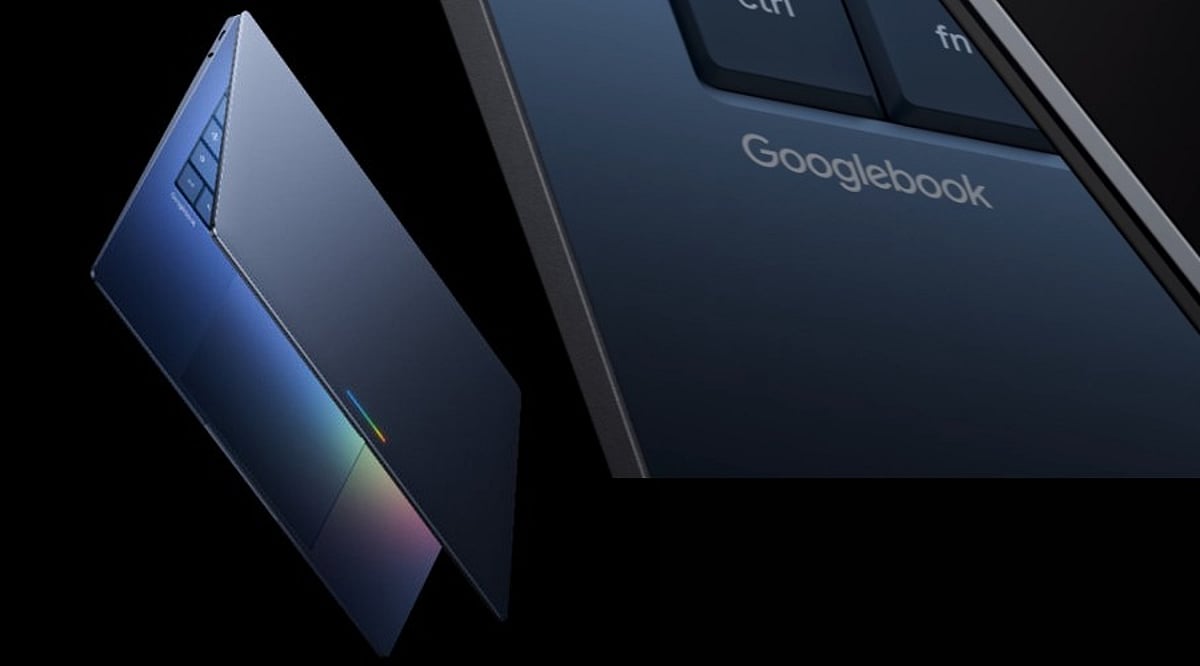
Google is taking a significant step into the premium laptop market with the introduction of Googlebook, a new device category designed to put AI at the center of everyday computing. The first generation of Googlebook laptops combines conventional laptop hardware with Google’s software ecosystem, including ChromeOS, Android app support, and deep integration with the company’s Gemini AI assistant.
The lineup includes five models from Acer, ASUS, Dell, HP, and Lenovo, with prices starting at USD 899. Each device offers a distinct design and feature set, giving buyers a range of choices across portability, screen size, and security.
Five Googlebook Models, Five Different Approaches
Unlike a single flagship design, Google is letting its partners take different approaches to the first Googlebook lineup:
- Acer Googlebook 14 – The only convertible model, featuring a display that folds into tablet mode for flexible work.
- ASUS Googlebook 14 – A lightweight, portable option weighing just 2.2 pounds, with HDMI and multiple ports.
- Dell Googlebook 14 – Borrows Dell’s popular XPS design language, adding a fingerprint reader and a slim profile.
- HP Googlebook 14 – Supports both facial recognition and fingerprint authentication, with storage options up to 1TB.
- Lenovo Googlebook – Offers a larger 15.3-inch display, aimed at users who need more screen real estate.
Premium Hardware and Everyday Practicality
Googlebooks are built with a mix of aluminum, magnesium alloy, and carbon fiber. The displays are touchscreens with resolutions up to 2.8K, and Google highlights features like haptic glass trackpads and backlit keyboards.
Audio is a strong focus across the lineup. Some models include up to six speakers with Dolby Atmos support, and noise-canceling microphones are designed to make voice calls and recordings clearer. Battery life varies by configuration, but Google promises up to 14 hours of video playback and up to 16 hours of web browsing on supported models.
Gemini Is the Core of the Experience
The biggest differentiator for Googlebook is how deeply Gemini is integrated into the system. One feature, Magic Pointer, brings Gemini contextually to whatever appears on screen. Users can highlight content and ask the AI to organize information, translate text, or analyze suspicious messages.
Another tool, Rambler, is built around voice-based writing. You can speak naturally while Rambler turns your thoughts into structured notes. There is also Create My Widget, which lets users describe a widget in plain language and have it generated without writing code.
Closer Android Phone Integration
Googlebook is designed to work seamlessly with Android smartphones. Files can be accessed directly from the computer, and tasks can be moved between devices without constant file transfers. The Files feature can display photos and documents stored on a connected phone, while Cast My Apps can bring selected phone applications onto the Googlebook screen.
This tight Android connection makes the laptop feel like an extension of your phone rather than a separate device, a strategy that could appeal to people already in the Google ecosystem.
Software, Apps, and Developer Tools
The software experience combines a desktop version of Chrome with Android applications. Users can run a range of tools, including Adobe Photoshop, Lightroom, and CapCut. Streaming apps and Android games are also supported, and every purchase includes a complimentary year of GeForce NOW.
Developers get access to Google Antigravity and a full terminal environment, allowing them to use development tools and AI coding agents directly on the device. Security features include Titan hardware security, on-device malware detection, and an isolated Linux environment powered by pKVM technology.
Pricing, Availability, and What to Expect
The Googlebook lineup starts at USD 899, with higher-end configurations going up to USD 1,299. Every device includes 12 months of Google AI Pro and 5TB of cloud storage. Buyers also receive promotional access to YouTube Premium and select creative software. Google says the devices will receive updates for up to 10 years.
The first Googlebooks will be available in the United States starting October 4, followed by the UK, Canada, Australia, France, Germany, and Ireland.
By bringing Gemini, Android integration, and premium hardware together, Google is positioning Googlebook as a serious entry into the AI laptop space. The variety across the five models also gives users the flexibility to choose a laptop that fits their particular workflow.