Tag: Layer-1

  • Top Layer-1 Blockchain Coins to Watch in July 2026: Bitcoin, Ethereum, Solana, and More

    Top Layer-1 Blockchain Coins to Watch in July 2026: Bitcoin, Ethereum, Solana, and More

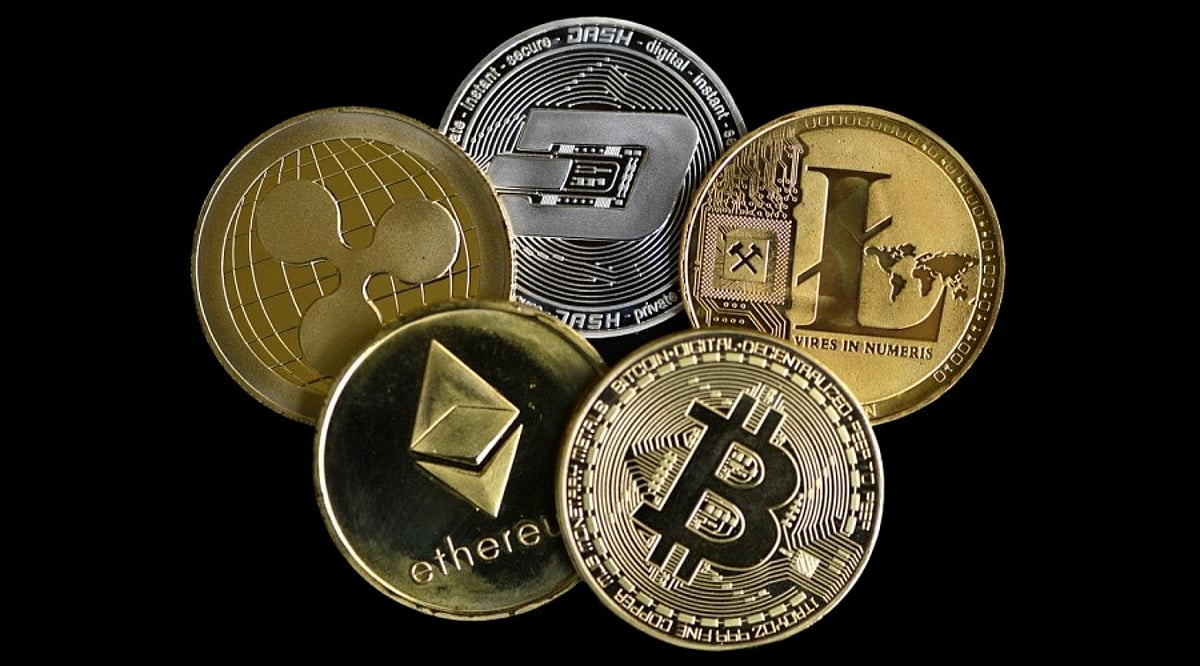
    Layer-1 blockchains are the backbone of the cryptocurrency ecosystem, enabling transactions, smart contracts, decentralized applications, and more. In July 2026, these foundational networks continue to attract significant investor attention. Here’s a look at the most promising Layer-1 coins to consider for your portfolio.

    Key Takeaways

    • Bitcoin remains the safest and most trusted Layer-1 cryptocurrency.
    • Ethereum leads the smart contract and decentralized application market.
    • Solana, Sui, and Hyperliquid offer higher growth potential with greater risk.

    Bitcoin (BTC) – The Gold Standard

    Bitcoin, currently trading at $63,056, is widely regarded as digital gold. Its limited supply and institutional adoption through ETFs make it a cornerstone of any crypto portfolio. While its growth may be slower than smaller coins, it remains the most secure choice for long-term investors.

    Ethereum (ETH) – Smart Contract Leader

    Ethereum, priced at $1,785, is the largest smart contract platform, hosting thousands of dApps, NFTs, and DeFi projects. Its robust community, staking rewards, and improved scalability keep it among the top Layer-1 investments for 2026.

    BNB and Solana – Strong Ecosystem Growth

    BNB ($570) powers one of the most extensive blockchain ecosystems, used for trading, payments, and DeFi. Solana ($76.6) is renowned for its high-speed, low-cost transactions, attracting developers in gaming and finance. Both networks continue to expand their user bases.

    TRON and Hyperliquid – Rising Stars

    TRON ($0.32) has become a key network for stablecoin transfers, handling billions daily. Hyperliquid ($60) is a newer Layer-1 focused on decentralized trading, gaining traction among traders despite higher risk.

    Cardano, Avalanche, Sui, and Aptos – Diverse Options

    Cardano ($0.16) emphasizes research-backed development and staking rewards. Avalanche ($20-25) allows custom blockchain creation, attracting enterprise users. Sui and Aptos, both modern Layer-1s, are growing rapidly with DeFi ecosystems, though they carry higher risk due to smaller market caps.

    Investment Strategy

    A balanced portfolio might include 35% Bitcoin, 25% Ethereum, 15% Solana, 10% BNB, 5% Avalanche, 5% Sui, and 5% Hyperliquid. For lower risk, stick with Bitcoin and Ethereum. For higher potential returns, consider Solana, Hyperliquid, and Sui.

    FAQs

    1. What is a Layer-1 blockchain?

    A Layer-1 blockchain is the main network that processes transactions and supports apps, smart contracts, and other blockchain services.

    2. Which Layer-1 coin is the safest to invest in?

    Bitcoin is widely considered the safest Layer-1 cryptocurrency because of its strong security and global adoption.

    3. Why is Ethereum still popular?

    Ethereum has the largest smart contract ecosystem and supports thousands of decentralized apps and crypto projects.

    4. Which Layer-1 coins have high growth potential?

    Solana, Sui, Hyperliquid, Avalanche, and Aptos are popular choices for investors seeking higher growth opportunities.

    5. Should beginners invest only in one Layer-1 coin?

    Many investors prefer a mix of Layer-1 coins to reduce risk and increase long-term growth potential.

    Disclaimer: This article is for informational purposes only and does not constitute financial advice. Cryptocurrency investments carry risk; always do your own research before investing.
  • Celestia Labs Acquires Sovereign Labs to Deliver High-Performance Custom Blockchain Solutions

    Celestia Labs Acquires Sovereign Labs to Deliver High-Performance Custom Blockchain Solutions

    New York, NY — July 15, 2026 — Celestia Labs, the core engineering team behind the modular Layer 1 blockchain Celestia, announced today the acquisition of Sovereign Labs. The deal brings together technology and talent from both companies, positioning Celestia Labs as a full-stack custom blockchain development partner for enterprises seeking high performance, scalability, and customization.

    Sovereign Labs has been a foundational part of the Celestia ecosystem since its founding in 2021 by Cem Ozer and Preston Evans. Its Sovereign SDK has become the industry’s leading framework for building application-specific, high-performance blockchains. The SDK powers major applications such as Relay — the top bridge by volume, handling over $8.5 billion in transfers — and Bullet, a perpetuals exchange that clears orders in 1.2 milliseconds and processes more than 30,000 transactions per second.

    Combined, the two teams have shipped over 25 production blockchains. As part of the acquisition, six Sovereign Labs team members join Celestia Labs, and co-founder Preston Evans has been promoted to Chief Technology Officer. Evans commented: “Companies migrating onchain can’t build in-house what Celestia Labs’ team and tech offers, in terms of reliability or scale. I’m excited to keep building on the legacy Celestia Labs has created, and push the boundaries of blockchain infrastructure engineering to meet the demands of the next era of onchain applications.”

    The acquisition comes as demand for custom blockchains surges. General-purpose chains often cannot provide the scale, latency, and custom order flow rules needed for next-generation applications. For example, Hyperliquid built its own blockchain to achieve low latency, and Polymarket — which processed $6 billion in volume in the first half of 2025 — is migrating to a custom chain to solve congestion issues. Celestia Labs aims to fill the gap as a design and engineering partner for such projects.

    Nick White, CEO of Celestia Labs, stated: “Internet-scale applications, from agentic payments solutions to global exchanges and prediction markets, require custom infrastructure that only a highly experienced implementation team can provide. The newly combined expertise and technology from this acquisition position Celestia Labs as a full-stack infrastructure and design partner for companies that need their own blockchains.”

    About the Celestia Foundation
    The Celestia Foundation is a non-profit organization supporting the long-term development, governance, and ecosystem of the Celestia network, led by CEO and Co-founder Mustafa Al-Bassam.

    About Celestia Labs
    Celestia Labs is the core engineering team building and maintaining the Celestia network. The team has shipped over 25 custom chains into production, built the industry’s leading framework for high-performance blockchains, and raised over $155 million from Bain Capital Crypto, Coinbase Ventures, and others. For more information, visit celestia.org.

  • BlockDAG’s Layer 1 Adoption by ZKP Drives Crypto Interest as DEXE Surges and LAB Declines

    BlockDAG’s Layer 1 Adoption by ZKP Drives Crypto Interest as DEXE Surges and LAB Declines

    Crypto markets experienced significant volatility this week, with traders distinguishing genuine gains from temporary rallies. DEXE rose 17.72% to $46.83, reaching a new all-time high amid increased network activity and buying from large holders. In contrast, LAB dropped from $1.20 to approximately $0.55 after wallets linked to the project’s team moved over 196 million tokens, with an additional 81 million still in reserve.

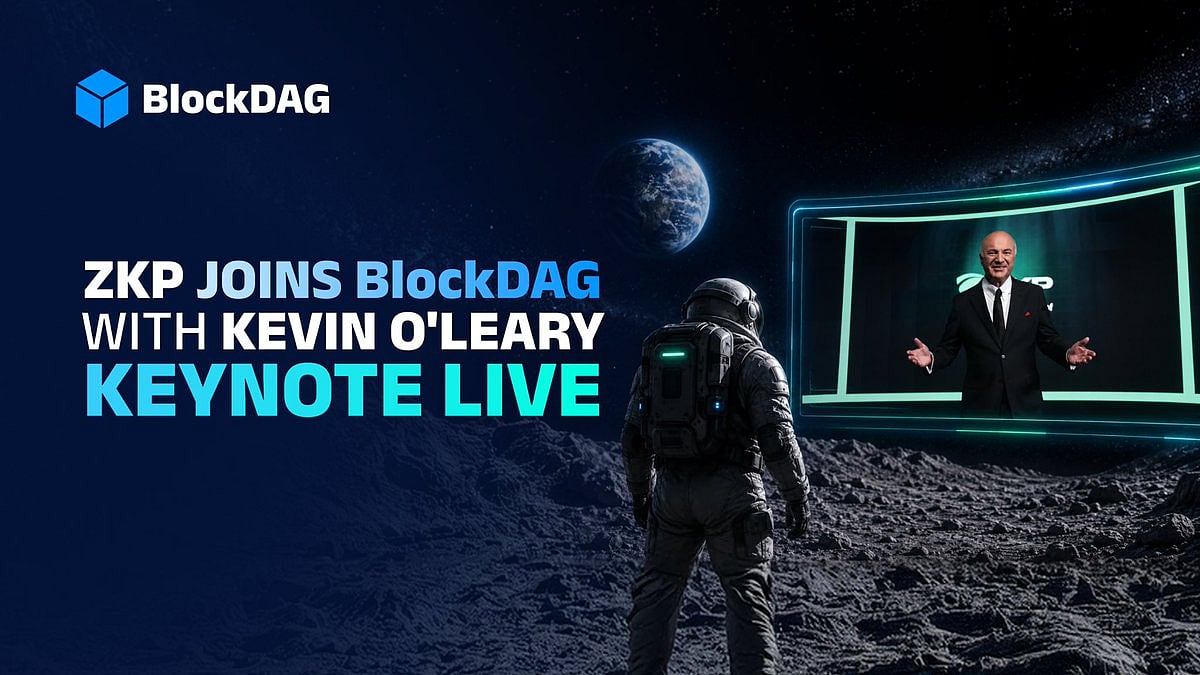
    BlockDAG (BDAG) has captured attention following the announcement that ZKP, a privacy and verification network, has chosen BlockDAG’s Layer 1 as its foundation. The opening of Stage 1 of the ZKP presale, accompanied by a keynote from Kevin O’Leary, further underscores this development. For those seeking the best crypto to buy, third-party adoption of this nature carries significant weight.

    DeXe Gains 17% While Technical Signals Remain Mostly Positive

    DEXE is trading at $46.83 after a 17.72% daily gain. Although the price is below its short-term moving average, it remains above key medium- and long-term trend levels. The token recently achieved a new all-time high, supported by robust network activity and increased accumulation by large holders. Technical indicators are largely positive, though some suggest a possible short-term pullback or sideways movement. Over the next two to three days, DEXE could trade between $41.4 and $52.26, with upward momentum likely if key resistance is broken. Analysts remain cautiously optimistic as long as support holds and network activity remains strong.

    LAB Faces Recovery Challenges After Large Token Movements

    Recent LAB price action has been impacted by large token transfers from wallets funded by the LAB team, as reported by on-chain investigator ZachXBT. More than 196 million LAB were moved earlier this year, with additional transfers in the past 48 hours contributing to the decline from $1.20 to around $0.55. The same wallets still hold over 81 million tokens, raising concerns about potential future selling pressure. Technical charts show LAB has fallen below several key support levels, while lower open interest indicates traders are reducing positions. A sustained recovery will require stronger buying demand and reduced selling pressure.

    BlockDAG Sees Real Adoption as ZKP Joins the Network

    BlockDAG has strengthened its position as a leading crypto to buy, following news that ZKP is building on its Layer 1 network. Third-party adoption is a clear indicator of a network’s utility. ZKP focuses on zero-knowledge privacy, private and verifiable AI, decentralized compute, and decentralized storage. BlockDAG provides the infrastructure, while ZKP adds the layer that ensures accuracy and security.

    A keynote featuring Kevin O’Leary is now live, coinciding with the opening of Stage 1 of the ZKP presale. This stage offers the earliest and lowest-priced entry point. For anyone evaluating the best crypto to buy, a Layer 1 network’s value is often measured by what is built on it. Each new project choosing BlockDAG adds concrete evidence to its case. The ZKP presale is structured across multiple stages, with pricing increasing at each step. Stage 1 provides the earliest entry, and the keynote allows prospective buyers to review the project’s goals and technology directly.

    As more developers select BlockDAG as their base layer, its position among the best crypto to buy becomes harder to dismiss. Real construction activity, backed by named partners and public presales, carries more weight than marketing claims. For now, BlockDAG has both.

    Conclusion

    DEXE and LAB present contrasting narratives this week. DEXE trades near $46.83 after a 17.72% gain and a fresh all-time high, while LAB sits near $0.55 after wallets tied to its team moved over 196 million tokens, with 81 million still held. Both depend on whether support holds.

    BlockDAG’s news carries more weight. ZKP, a privacy and verification network, chose BlockDAG’s Layer 1 as its base, and Stage 1 of its presale opened alongside a keynote featuring Kevin O’Leary. That real adoption is exactly why BlockDAG stays near the top of any best crypto to buy list. Real builders tend to say more than promises ever could.

    Presale: https://purchase.blockdag.network
    Website: https://blockdag.network
    Telegram: https://t.me/blockDAGnetworkOfficial
    Discord: https://discord.gg/Q7BxghMVyu

    Disclaimer: This article is for informational purposes only and does not constitute investment advice. Cryptocurrency investments carry risk. Always conduct your own research before investing.
  • Cardano Logs 233 GitHub Commits in a Week as Governance Platform Proposal Evolves

    Cardano Logs 233 GitHub Commits in a Week as Governance Platform Proposal Evolves

    Cardano has recorded 233 GitHub commits over the past seven days, according to Token Terminal, positioning it among the most actively developed Layer-1 blockchain networks. The activity represents roughly 6.2% of the approximately 3,700 total Layer-1 commits tracked during that period.

    Meanwhile, the Cardano Foundation continues advancing its governance framework, proposing an off-chain discussion platform following the adoption of the Cardano Constitution in February 2025. Together, these developments underscore the network’s ongoing focus on both technical progress and decentralized decision-making.

    Cardano Maintains Strong Development Momentum

    Token Terminal data shows steady developer participation throughout the week. While commit counts do not directly influence token prices, many market observers track them as a proxy for network advancement. Despite a smaller market capitalization compared to several peers, Cardano consistently ranks among leading blockchain projects for open-source development activity.

    Everstake, a staking provider, recently described Cardano as “one of the strongest foundations in the cryptocurrency industry,” citing its active developer community, improving network metrics, and expanding ecosystem as key factors supporting its long-term position.

    The week’s development pattern followed a familiar cadence: commits started strong, dipped around July 4 (a low point), then rebounded on July 5 and peaked on July 6 before tapering slightly but remaining above the week’s minimum. Such batch-driven activity is common in open-source projects, and similar trends appeared across other Layer-1 blockchains.

    Cardano Foundation Advances Governance Plans

    Alongside development work, the Cardano Foundation is advancing governance tools in the wake of the Cardano Constitution’s activation. A newly proposed open off-chain discussion platform aims to improve collaboration among stakeholders. Participants would access the platform using verified identities linked to on-chain credentials. The framework would feature independent moderation, transparent governance discussions, and open communication standards.

    The proposal carves out dedicated spaces for ADA holders, Delegated Representatives, proposal authors, and committee members. Optional user profiles could display governance interests and prior voting history. Ultimately, the foundation stated that the platform itself could be subject to an on-chain community vote, allowing the ecosystem to decide which collaboration tool best serves its needs rather than relying on a central authority.

    Development and Governance Remain Active

    Cardano’s recent GitHub activity continues a multiyear trend of consistent developer contributions, even as market attention oscillates around price movements. Governance development is proceeding in parallel, with the proposed discussion platform marking the next step in decentralized decision-making. Both efforts reflect ongoing momentum across Cardano’s technical and organizational fronts.

    What could sustained development and expanding governance tools mean for Cardano’s long-term network growth? The latest data shows developers building while governance initiatives move forward under the foundation’s current proposals, offering a clearer picture of the network’s dual-track progress.

    Conclusion

    Cardano recorded 233 GitHub commits over the past week while advancing governance plans through a proposed community discussion platform. The updates highlight continued developer activity alongside efforts to improve decentralized collaboration, providing insight into the network’s ongoing technical and governance evolution.

  • Founders Fund-Backed N1 Acquires 01 Exchange to Challenge Crypto Exchange Leaders

    Founders Fund-Backed N1 Acquires 01 Exchange to Challenge Crypto Exchange Leaders

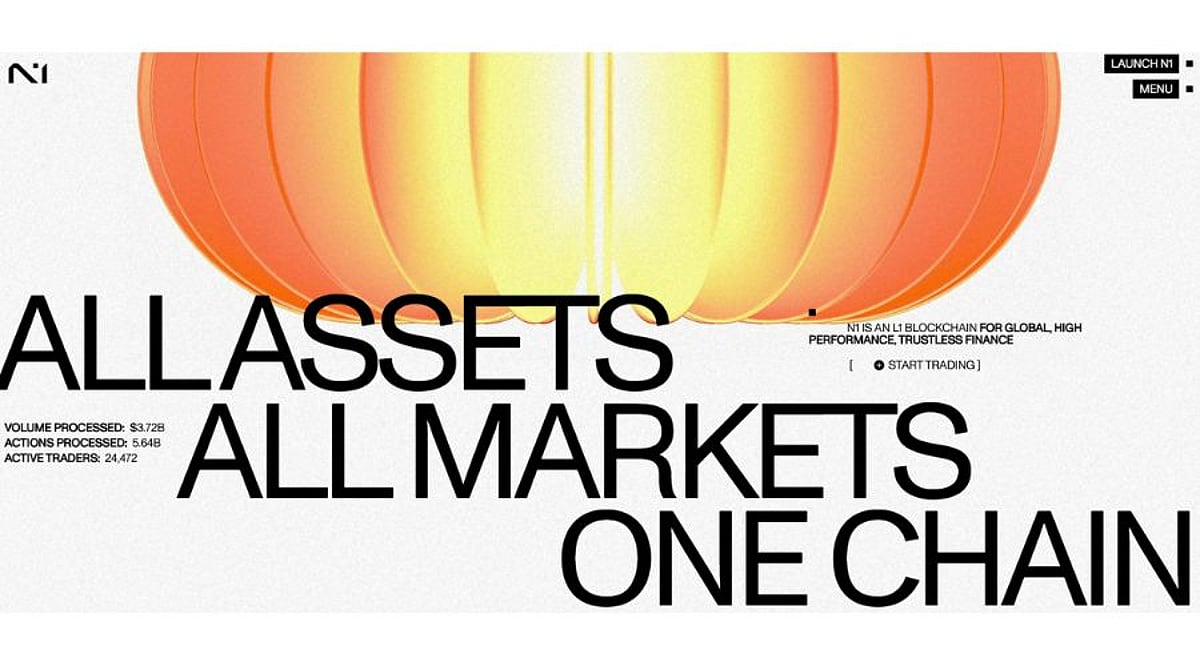
    N1, a Layer 1 blockchain supported by Founders Fund, has announced the acquisition of 01 Exchange, a decentralized derivatives platform originally built on N1’s trading infrastructure. The move signals N1’s ambition to compete directly with established cryptocurrency exchange giants.

    01 Exchange, which was incubated within the N1 ecosystem, has processed over $3 billion in trading volume and attracted more than 25,000 users. Under the acquisition agreement, the exchange’s application layer, trading product, market structure expertise, and community will become part of N1’s broader network strategy.

    Rather than relying primarily on independent third-party applications to drive ecosystem activity, N1 is bringing its infrastructure, liquidity, and flagship trading product under a single network. The company says this approach is designed to align product development, distribution, and network economics more closely while reducing the fragmentation that has historically existed across many Layer 1 ecosystems.

    “01 Exchange has already shown what is possible on N1, and bringing it into the network lets us move faster, deepen liquidity, and deliver a more integrated trading experience,” said Dima Romanov, CEO and co-founder of N1. “With N1 2.0, our next version, we’re expanding that foundation across RFQ markets, vaults, equities, mobile, and other on-chain financial products. We believe vertically integrated networks will define the next generation of exchanges, and N1 is being built to lead that shift.”

    The acquisition comes ahead of the N1 2.0 upgrade, the next major version of the network. The upgrade is planned to introduce deeper liquidity, request-for-quote (RFQ) markets, vaults, equities, and additional on-chain financial products. N1 also plans to launch native applications for iOS and Android, extending access to its trading infrastructure through a mobile experience.

    Existing 01 Exchange users will not be required to migrate assets as part of the transition. The exchange will continue operating under the N1 brand, with the new version expected to be deployed without requiring any user migration. Points earned before the N1 launch will continue to be recognized.

    The transaction is expected to close within the next six months, while the operational transition will begin immediately. The deal is expected to be structured entirely in equity and tokens.

    About N1

    N1 is a Layer 1 blockchain with unrestricted scale and ultra-low latency. Designed to support next-generation crypto apps, it features horizontal scalability, sub-ms latency, and ultra-high throughput. Every app operates in its own isolated environment, resulting in zero state congestion.

    Disclaimer: This article is provided for informational purposes and does not constitute investment advice. Cryptocurrencies mentioned may be risky and could result in financial loss. Always conduct your own research before making any investments.

  • Why Institutional Investors Now Demand Public-Company Controls for L1 Blockchain Infrastructure

    Why Institutional Investors Now Demand Public-Company Controls for L1 Blockchain Infrastructure

    The digital asset landscape is undergoing a structural shift. The era of decentralized networks characterized by speculative retail capital, regulatory ambiguity, and infrastructure built entirely outside traditional finance is fading. Today, a new phase of institutional migration has emerged.

    As sovereign entities, public pension funds, and major asset managers evaluate crypto investments, the criteria for a viable underlying ledger have changed. The market no longer asks about high throughput or low latency; it now demands operational transparency, strict regulatory compliance, and a verifiable economic architecture.

    For infrastructure networks aiming for long-term viability, this shift rests on three pillars: audit frameworks, fair distribution mechanics, and alignment with regulatory guidelines.

    1. The Audit Paradigm: Bridging Physical Assets and On-Chain Settlement

    For institutional capital, the primary barrier to blockchain adoption is rarely the technology itself. What scares off institutional capital is the systemic lack of internal controls. In traditional finance, every asset class relies on a rigorous, independent audit trail. Without those in place, Wall Street investors won’t even look at a crypto project.

    Crypto-native networks have substituted traditional financial audits with cryptographic proof-of-reserves or localized smart contract audits. While necessary, these methods do not satisfy the Sarbanes-Oxley (SOX) compliance standards required by publicly traded entities. So don’t let a project convince you it will pull in real institutional capital without first and foremost meeting these compliance requirements.

    The industry is witnessing the materialization of hybrids: networks built on public-company controls that marry institutional-grade physical security with cryptographic settlement. Take infrastructure operators like Ault Blockchain, for instance, bridging this through the application of public-company frameworks. It made a point of retaining top-tier firms like CBIZ to physically audit data center hardware and underlying commodity custody alongside on-chain ledgers.

    When every mining unit, power contract, and vault-bound asset is accounted for under standard public accounting frameworks, the operational risk premium for institutional participants drops significantly. That’s the vote of confidence institutional capital needs—nothing less.

    2. Tokenomics and the End of the Capital-Allocated Network

    The early history of Layer 1 rollouts was ruled by Initial Coin Offerings (ICOs), foundation-led private allocations, and massive insider pre-mines. This was effective for rapid capital formation, but these mechanisms have brought regulatory liabilities and systemic sell-pressure from early-stage venture capital.

    Aggressive token allocations to insiders frequently trigger strict classification reviews by global regulators. To achieve the status of a true utility or commodity ledger, a network’s distribution must mirror the organic work-proving mechanics of the early Bitcoin network, but adapted for modern enterprise scale.

    The forward-looking template for a resilient network layout relies on earned distribution rather than speculative sales:

    • Zero Public Token Sales: Eliminating regulatory pre-funding liabilities entirely.
    • Verifiable On-Chain Work: Distributing native network tokens exclusively to operators executing computational or cryptographic tasks.
    • Extended Emission Horizons: Utilizing ten-year or multi-decade declining emission curves to ensure predictable supply dynamics.

    Transitioning away from localized airdrops and VC-dominated allocations toward massive, distributed node networks—like the 750,000+ licensed mining node model being utilized by Ault—L1 networks can establish decentralized network security without incurring the structural risks of centralized capital distribution.

    3. Navigating the Legible Regulatory Map

    The narrative that digital assets operate in a permanent regulatory vacuum is officially obsolete. Following consecutive structural updates, including the SEC’s foundational statements, the SEC-CFTC joint guidance framework, and the legislative progress of Project Crypto, the United States has established its first highly legible regulatory map for tokenized assets.

    The regulatory compliance framework bifurcates into two distinct pillars: Market Structure Compliance (governed by SEC-CFTC Joint Guidance and Project Crypto Standards) and Asset Class Compliance (requiring clear commodity vs. security clearances alongside audited asset issuance models).

    This updated framework creates a clear division in the market:

    • Legacy Networks: Blockchains tied to opaque distribution structures, unvetted custody solutions, or ongoing structural litigation.
    • Compliant Infrastructure: Audited issuers backed by public-company governance, structured to execute strictly within defined compliance parameters from day one.

    The necessity for this rigorous approach is frequently born out of friction. Ault Blockchain’s own origin narrative stems from its founder-driven pivot after navigating banking-system failures while operating as an NYSE-listed entity. This is evidence of the broader reality: the operators best equipped to build permissionless infrastructure are often those who have already stress-tested the limitations and compliance demands of the traditional public equity markets.

    Disclaimer: This article is provided for informational purposes and does not constitute investment advice. You are responsible for conducting your own research (DYOR) before making any investments.

  • Solana Developer Activity Surges: What It Means for the Blockchain’s Future

    Solana Developer Activity Surges: What It Means for the Blockchain’s Future

    The crypto market has once again turned its attention to Solana as a surge in development activity across its network generates excitement throughout the blockchain industry. Over the past few months, Solana has achieved major technical progress, infrastructure upgrades, and significant ecosystem expansion, leading many analysts to believe the network could be entering a pivotal new growth phase.

    Developer Activity Accelerates

    One of the primary drivers of this renewed interest is a sharp uptick in developer activity. Blockchain analytics platforms report a substantial increase in the number of developers building on Solana compared to previous months, with GitHub activity also climbing—a reliable indicator of deeper development work. Teams are actively building tools for decentralized finance, blockchain payments, staking services, and trading infrastructure. The validator network is also growing, enhancing security and overall blockchain performance.

    Network Performance Remains a Key Advantage

    Solana’s speed and low transaction costs continue to attract developers. The network processes thousands of transactions per second with average fees below a fraction of a cent, giving it a major edge over competing blockchains that often suffer from higher fees and slower processing. This creates an ideal environment for building large-scale applications.

    Jito Launch Sparks Fresh Momentum

    A significant recent milestone came from Jito Labs, a major infrastructure provider in the Solana ecosystem. This week, Jito announced that three key pillars of Solana’s expanding market layer have gone live, focusing on stronger liquidity systems and improved decentralized market operations—essentially building a more robust financial structure within the ecosystem.

    Institutional Interest Continues to Rise

    Growing institutional adoption is another major factor behind the buzz. Reports from the second quarter of 2026 indicate that several large financial institutions have begun blockchain integrations directly tied to Solana. Market research shows Solana’s real-world asset market capitalization has grown nearly 43% quarter-over-quarter, approaching $2 billion.

    SOL Market Performance Reflects Confidence

    Solana’s market price reflects this positive trend. Current data places SOL near $74 per token, with a total market capitalization close to $43 billion. Daily trading volume has exceeded $3.8 billion, signaling strong market activity despite overall volatility in the broader crypto market.

    Partnerships Strengthen Real-World Use Cases

    Partnerships with major financial firms such as Visa, PayPal, and Circle have bolstered Solana’s credibility. These collaborations have shifted market perception: Solana is no longer seen as a network driven purely by retail speculation but as infrastructure built for legitimate financial use.

    What This Means for the Ecosystem

    The surge in development activity suggests Solana is transitioning from a rapid growth phase into a mature, utility-driven ecosystem. With new developers, improved infrastructure, rising institutional investment, and expanding financial applications, Solana is evolving from a ‘hype’ narrative to a focus on real-world blockchain utility. Historically, periods of strong development have often preceded significant increases in network adoption and market value. If this trend continues, Solana could solidify its position as a leading Layer-1 blockchain and play an increasingly central role in the digital asset economy.

    Disclaimer: This article is for informational purposes only and does not constitute investment advice. Cryptocurrency investments carry risk; always conduct your own research before investing.