
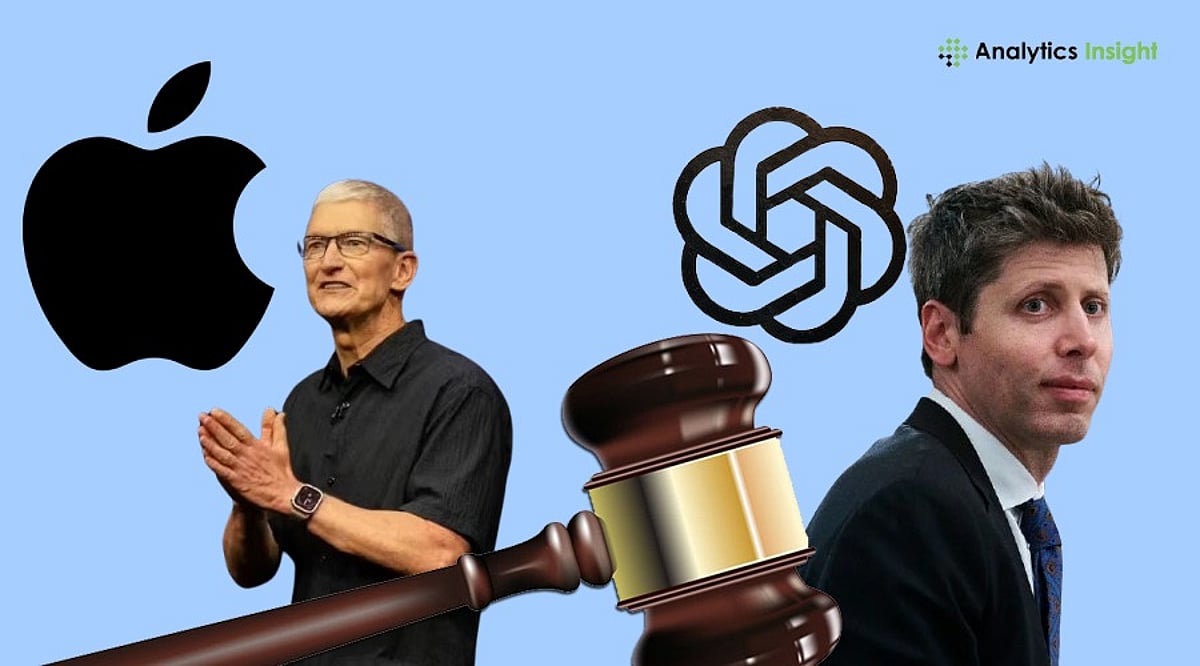
Apple has initiated legal proceedings against OpenAI, accusing the ChatGPT developer of misusing confidential information to accelerate its artificial intelligence hardware initiatives. This lawsuit marks a significant shift in the previously collaborative relationship between the two tech giants, who had partnered on AI features in 2024. The dispute could reshape competitive dynamics in the rapidly evolving AI sector.
Filed in the U.S. District Court for the Northern District of California, Apple’s complaint alleges that OpenAI and two former Apple employees improperly accessed and used proprietary information. The confidential data reportedly includes product designs, manufacturing processes, supplier details, and internal business strategies related to future hardware projects.
Apple specifically names Tang Tan, former Vice President of Product Design, and Chang Liu, former Senior System Electrical Engineer, as defendants. The lawsuit also targets OpenAI entities and io Products, a hardware startup acquired by OpenAI. Apple asserts that these actions enabled OpenAI to expedite hardware development without investing equivalent resources in research and development.
According to the complaint, Liu retained an Apple-issued laptop after leaving the company and later exploited a security vulnerability to access Apple’s internal network, downloading confidential hardware files. Apple also claims Tan forwarded supplier information and internal reports to himself before departing and encouraged job candidates to bring Apple components to interviews at OpenAI.
Apple contends these activities were part of a broader effort to acquire trade secrets. The company also alleges that some OpenAI employees contacted Apple’s suppliers for proprietary production details. In one instance, a supplier reportedly shared a confidential metal finishing process under the mistaken belief that OpenAI had authorization.
OpenAI has denied the allegations, stating it has no interest in using another company’s trade secrets and intends to defend itself vigorously. The court has not yet ruled on the case, and all claims remain unproven at this stage.
The relationship between Apple and OpenAI had previously been cooperative, with Apple integrating ChatGPT into its devices via Apple Intelligence in 2024. Since then, both companies have advanced their respective AI strategies, intensifying competition in the fast-growing AI market.
Industry experts suggest the lawsuit could influence how technology firms protect confidential information when hiring experienced personnel. A court decision may clarify the boundaries between professional expertise and corporate trade secrets, particularly as AI competition heats up.
Apple also noted that over 400 former employees now work at OpenAI, acknowledging that employee movement is common in the tech industry. However, Apple argues that confidential company information should not follow employees when they change jobs.
The legal action comes as OpenAI expands its focus on consumer hardware. The company’s acquisition of io Products, founded by former Apple designer Jony Ive, signals ambitions to develop a new AI device offering a different interaction paradigm. Analysts believe the lawsuit could affect OpenAI’s hardware plans and set precedents for hiring practices across the tech sector.
Apple maintains that the lawsuit is intended to protect its intellectual property amid the intensifying AI race.