Tag: legal

  • Jury Orders Apple to Pay $5.7 Billion in Taptic Engine Patent Case

    Jury Orders Apple to Pay $5.7 Billion in Taptic Engine Patent Case

    A U.S. jury has ordered Apple to pay more than $5.7 billion to Taction Technology for infringing haptic feedback patents used in its Taptic Engine. The verdict, delivered on Friday, is the largest patent award of its kind in the country to date, according to Reuters.

    What the Case Is About

    The dispute centers on technology that creates tactile feedback through vibrations. Apple’s Taptic Engine provides the tapping sensation users feel on iPhones and Apple Watches. Taction, a San Diego-based company, sued Apple in 2021, alleging that the tech giant copied its patented system without a license.

    Apple’s Defense and the Road to Trial

    Apple denied the allegations from the start. The company maintained that its Taptic Engine works differently from Taction’s technology and argued that Taction’s patents should not hold up. In 2023, a federal judge in San Diego sided with Apple, finding no infringement.

    The case did not end there. Last year, the U.S. Court of Appeals for the Federal Circuit overturned that ruling and sent the case back for trial. This time, the jury ruled in Taction’s favor.

    Apple Plans to Appeal

    Apple has said it will appeal the new verdict. In a statement, the company said it strongly disagrees with the ruling and the damages. Apple also said Taction’s own test results presented in court supported its claim that the two systems are not the same.

    What Happens Next

    Taction called the outcome a win for its patent rights. The company’s attorney, Lance Yang, said the jury recognized the value of its work.

    For now, the ruling stands, but it is not final. Apple’s appeal means the legal fight could continue for months or even years before it is fully resolved.

    The case also highlights a broader trend: haptic feedback has become a key part of how people use smartphones and wearables, and patent disputes over this technology are likely to become more common in the industry.

  • OpenAI Seeks Dismissal of Apple Trade Secrets Lawsuit, Citing Vague Claims

    OpenAI Seeks Dismissal of Apple Trade Secrets Lawsuit, Citing Vague Claims

    OpenAI has filed a motion in a US federal court to dismiss Apple’s trade secrets lawsuit, arguing that the iPhone maker failed to identify any specific confidential information that was allegedly misappropriated. The AI firm contends that it has “no use, need or desire” for Apple’s trade secrets and is developing its consumer hardware independently.

    In its court filing, OpenAI stated that Apple’s complaint lacks a clear description of the stolen trade secrets and does not explain how any such secrets were used. The company emphasized that the information Apple references is either publicly available or does not qualify as trade secrets under the law.

    The legal dispute stems from Apple’s allegations that OpenAI and several former Apple employees took confidential hardware-related information when they joined the AI company. Apple has also requested a preliminary injunction to prevent OpenAI from using any alleged confidential information during the litigation.

    OpenAI dismissed these claims as baseless, asserting that there is no evidence the company obtained, disclosed, or used any trade secrets. The firm further argued that Apple is leveraging the lawsuit to mask its own challenges in attracting engineering talent and keeping pace with AI advancements.

    Despite the legal battle, the two companies continue to collaborate in some areas. Apple integrates ChatGPT into Siri through its Apple Intelligence service, and iPhone users can access ChatGPT via iOS.

    The court will now decide whether to dismiss the case. If the motion is denied, the lawsuit will proceed alongside Apple’s request for a preliminary injunction. This case highlights the intensifying competition between tech giants in artificial intelligence and consumer hardware development.

  • Determining Fault When Driver Assistance Technology Fails

    Determining Fault When Driver Assistance Technology Fails

    Despite steady improvements in vehicle safety technology, the World Health Organization reports that nearly 1.19 million people die in road accidents every year. While driver assistance features can reduce certain risks, they do not replace the legal obligations of drivers or the rules of the road. When these systems malfunction, determining who is liable becomes complex, hinging on driver behavior, software performance, vehicle design, and digital evidence.

    Driver Assist Does Not Replace Your Legal Duty

    Many drivers assume that activating lane centering, adaptive cruise control, or automatic emergency braking makes the car fully responsible for avoiding hazards. However, most current driver-assistance systems are Level 1 or Level 2, meaning the driver must remain engaged and attentive. Courts and insurers scrutinize whether the driver followed manufacturer instructions, ignored warnings, or misused the technology—factors that heavily influence fault and compensation.

    Digital Evidence Often Tells the Real Story

    Modern vehicles record far more than speed and braking. They capture steering input, driver alerts, sensor readings, camera activity, software versions, GPS data, and driver-monitoring system status. This wealth of digital evidence—from event data recorders, telematics, repair records, over-the-air updates, mobile phone logs, and traffic cameras—helps reconstruct accidents. Preserving such data early is as critical as photographing vehicle damage.

    When Human Error and Technology Collide

    When both driver actions and automated system failures contribute to a crash, liability often falls under comparative negligence rules, allowing fault to be divided among multiple parties. If you are injured in such an accident, expert legal assistance is vital to preserve evidence, analyze vehicle data, and navigate state contributory negligence laws to protect your compensation.

    Software Updates Can Quietly Shift Liability

    Many high-end vehicles now receive over-the-air software updates that improve object detection, braking, lane recognition, and driver monitoring. While convenient, these updates introduce legal questions. If a manufacturer released a safety update that the owner postponed, investigators may examine whether the delay contributed to the crash. Conversely, if an update introduced unexpected behavior, the manufacturer could face product liability claims. Software documentation and update timing become critical evidence.

    Product Defects Extend Beyond Software

    Driver assistance depends on an ecosystem of hardware and software working together: cameras, radar, ultrasonic sensors, steering components, braking systems, wiring, processors, and AI models. Defects in manufacturing, calibration after repairs, or insufficient testing can cause failures. Regulators like the U.S. National Highway Traffic Safety Administration monitor such defects through recalls and investigations. If a defective component causes a collision, manufacturers or suppliers may share liability.

    Insurance Companies Are Scrutinizing Technology Closer

    Claims involving driver-assist systems often face extra scrutiny. Insurers request repair histories, software versions, vehicle diagnostics, maintenance records, and recall information before determining fault. The Insurance Institute for Highway Safety notes that while these features reduce certain crash types, confusing system design or driver overconfidence can undermine safety benefits.

    Your Maintenance Choices Matter More Than You Think

    Many owners focus on engine maintenance but neglect the electronic systems supporting driver assistance. Damaged sensors, windshield replacements, wheel alignment issues, and aftermarket modifications can affect performance. Manufacturers often require recalibration after replacing windshields, bumpers, cameras, or radar units. Skipping these procedures increases safety risks and legal exposure. Keeping detailed service records demonstrates reasonable maintenance.

    Artificial Intelligence Raises New Legal Questions

    AI makes vehicles smarter at recognizing objects and reacting to hazards, but it can struggle with rare situations it wasn’t trained to handle. When AI makes a wrong decision, responsibility becomes complicated. Future legal battles will determine whether drivers, automakers, software developers, or other parties share the blame.

    Stay Ahead of Liability

    Driver assistance technology can reduce crashes but does not eliminate legal responsibility or the need for careful driving. Understanding how technology, maintenance, software updates, and digital evidence affect liability will put you in a stronger position after an accident. Stay informed and take practical steps to protect your safety and your ability to establish fault when driver assistance fails.

  • Federal Judge Approves Elon Musk’s $1.5M SEC Settlement Over Delayed Twitter Share Disclosure

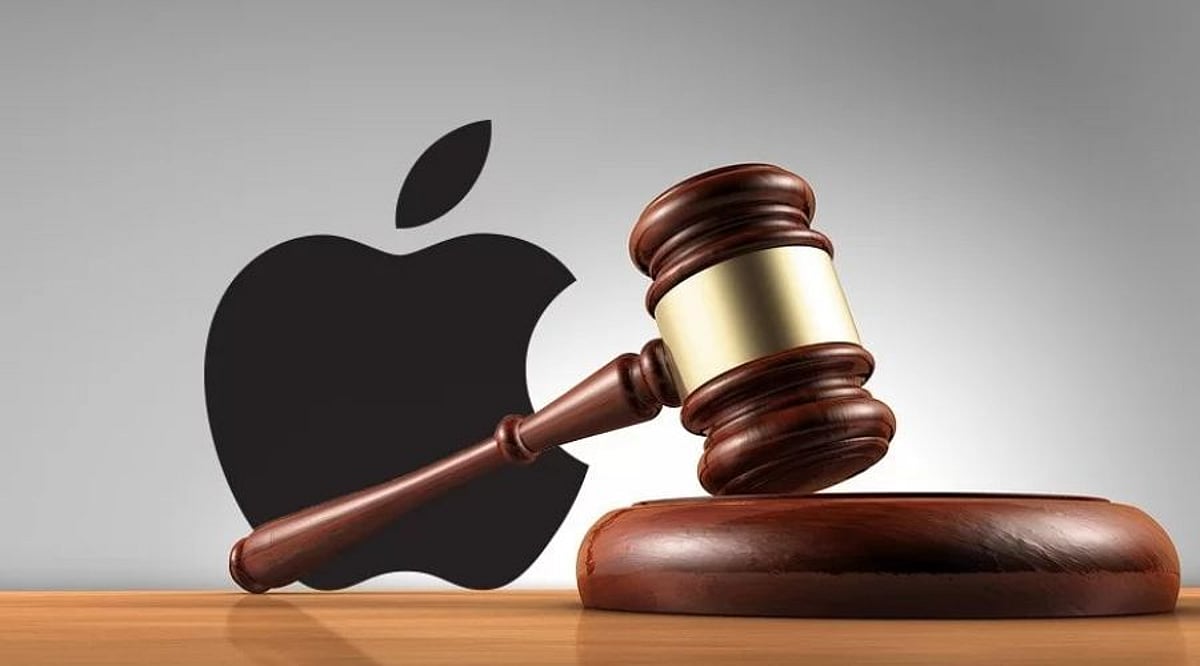
    Federal Judge Approves Elon Musk’s $1.5M SEC Settlement Over Delayed Twitter Share Disclosure

    A federal judge has approved Elon Musk’s $1.5 million settlement with the U.S. Securities and Exchange Commission (SEC) over his delayed disclosure of Twitter share purchases in 2022, despite expressing significant legal concerns about the agreement.

    U.S. District Judge Sparkle Sooknanan endorsed the settlement in Washington, D.C., ending the SEC lawsuit. However, the judge wrote that the court had “significant misgivings” about the terms but could not reject the deal under the applicable legal standard.

    Judge Questions Settlement Terms

    Judge Sooknanan reviewed whether the agreement met basic standards of fairness and reasonableness, noting that the court’s role was limited and did not permit a broader review of the SEC’s enforcement choices.

    In her opinion, Sooknanan stated that the court had to decide whether the settlement made “a mockery of judicial power.” She wrote, “Although the Court has significant misgivings about the settlement reached in this case, it cannot say that the settlement meets that high threshold.”

    The judge also pointed to “red flags” surrounding the agreement. She questioned why the SEC accepted payment from a trust in Musk’s name rather than requiring Musk to pay the penalty directly. Sooknanan noted that this arrangement left the court to wonder whether similar treatment would be extended to others accused of violating securities laws. She also expressed concern that the structure could allow Musk to publicly claim he had been cleared of wrongdoing.

    SEC Case Focused on Twitter Share Disclosure

    The SEC sued Musk in early 2025 over his purchase of Twitter shares before his full takeover of the company. The agency alleged that Musk waited 11 days too long in March and April 2022 to disclose his growing stake.

    Federal securities rules require investors to report when they cross certain ownership levels in public companies. The SEC argued that Musk’s late filing allowed him to continue buying Twitter shares at lower prices before the market reacted.

    According to the SEC, the delayed disclosure helped Musk avoid approximately $150 million in higher costs—described as gains tied to the delay. Musk has said the filing delay was accidental and did not admit wrongdoing under the settlement. The agreement states that a trust in his name will pay the $1.5 million civil penalty.

    Musk Settlement Ends SEC Lawsuit

    The approved deal resolves the SEC’s civil case related to Musk’s early Twitter stock purchases. Musk later completed his $44 billion purchase of Twitter in October 2022 and renamed the platform X.

    The case drew wider attention due to Musk’s public profile and his role in multiple major companies. He leads Tesla and is also tied to SpaceX, where X is now part of the broader business structure.

    Judge Sooknanan had previously questioned whether Musk was receiving “special treatment” under the Trump administration. Musk supported Donald Trump’s 2024 campaign, and the SEC filed the case shortly before Trump returned to office. Nevertheless, the judge said the court could not substitute its judgment for the SEC’s. She wrote that whether the government had done enough to hold Musk accountable was a matter for the public to judge “at the ballot box.”