
Tag: Mac Studio

  • Apple’s New Mac Mini M6 and Mac Studio M5 Models Hit India: Full Pricing and Specs

    Apple’s New Mac Mini M6 and Mac Studio M5 Models Hit India: Full Pricing and Specs

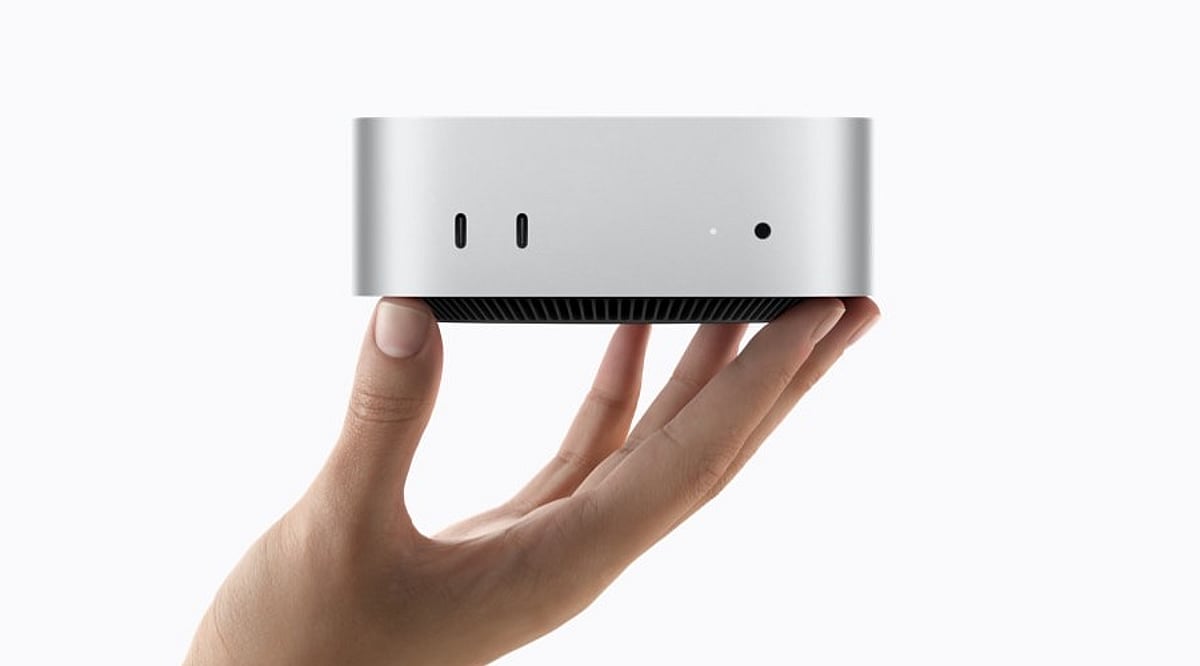
    Apple has officially begun selling its latest Mac mini and Mac Studio desktop computers in India, introducing new processors, boosted AI performance, and expanded memory configurations. The refreshed lineup includes the Mac mini with M6 and M5 Pro chips, while the Mac Studio now offers M5 Max and M5 Ultra options.

    Both desktops went on sale on September 22 and are available through Apple Store locations, Apple’s online store, the Apple Store app, and authorized resellers across India.

    Mac mini M6: Starting at ₹99,900

    The new Mac mini with the M6 chip starts at ₹99,900 in India, with education pricing beginning at ₹88,900. Apple is also offering a Mac mini powered by the M5 Pro, starting at ₹2,09,900.

    The M6-powered Mac mini packs a 12-core CPU, 12-core GPU, and a dual 16-core Neural Engine. According to Apple, it delivers up to 40% faster CPU performance, twice the graphics performance, and up to four times faster AI performance compared to the previous-generation M4 model.

    Memory starts at 16GB of unified memory and can be configured up to 32GB, with memory bandwidth reaching 170GB/s. Connectivity has also been upgraded to Wi-Fi 7, Bluetooth 6, and improved 2.5Gb Ethernet, with an optional 10Gb Ethernet port.

    Mac Studio with M5 Max and M5 Ultra

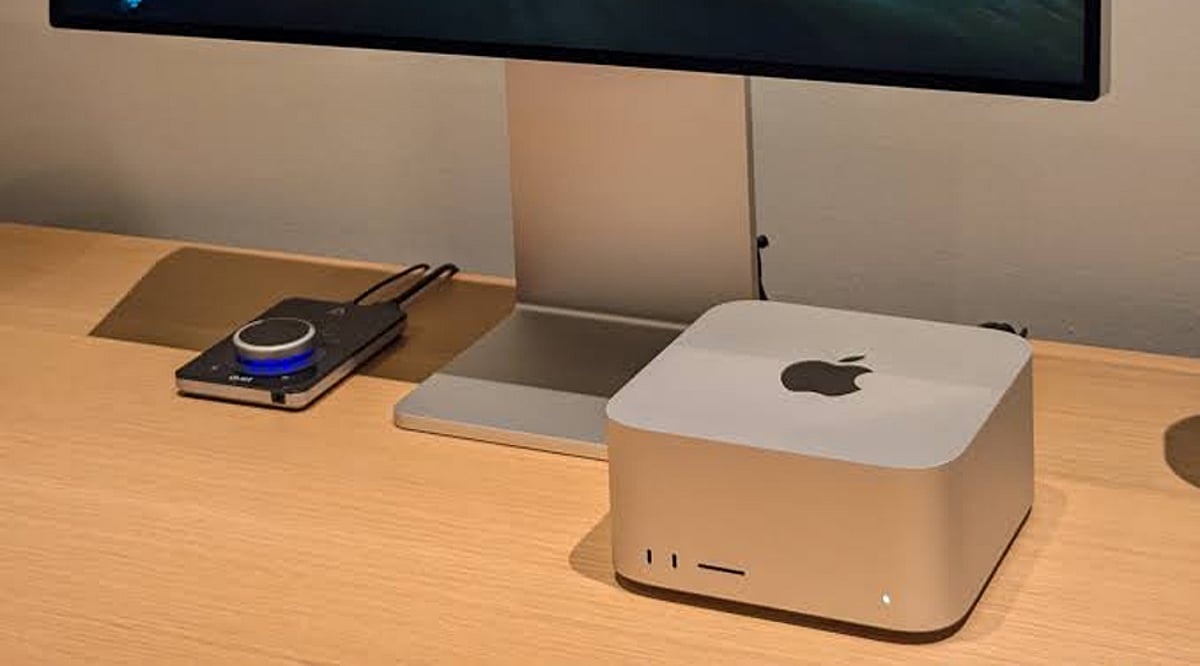
    For professional users, the new Mac Studio starts at ₹2,79,900 with the M5 Max chip. The M5 Ultra version begins at ₹6,29,900. Education pricing is set at ₹2,56,900 and ₹5,84,900, respectively.

    The M5 Max configuration features an 18-core CPU, up to a 40-core GPU, and support for up to 128GB of unified memory. The M5 Ultra scales even further with up to a 36-core CPU, 80-core GPU, and 512GB of unified memory, delivering up to 1.2TB/s of memory bandwidth.

    Apple says the Mac Studio offers up to 4.3 times faster AI performance and up to 1.8 times faster graphics performance compared with specified previous-generation systems.

    Both new Macs emphasize on-device artificial intelligence, making them strong choices for creative professionals, developers, and AI-focused workloads.
  • Apple Mac Studio: What to Expect This Fall and Beyond

    Apple Mac Studio: What to Expect This Fall and Beyond

    Apple’s Mac Studio is evolving. The powerful desktop continues targeting creative professionals with exceptional performance. New hardware and software improvements are expected this fall and beyond. From advanced chips to AI features, the Mac Studio could become even more capable. Here’s what to expect.

    Next-Generation Apple Silicon

    Apple is expected to introduce even more powerful Apple Silicon chips for the Mac Studio. Improved CPU and GPU performance could significantly boost demanding creative workflows. AI processing capabilities may also receive a major upgrade. Professionals could see faster rendering and development speeds.

    Better AI Performance

    Artificial intelligence is becoming central to Apple’s desktop strategy. Future Mac Studio models may feature stronger Neural Engine performance for AI-assisted applications. Developers, designers, and content creators stand to benefit. Local AI processing could also improve privacy and responsiveness.

    Thunderbolt & Connectivity

    Apple may expand connectivity with faster Thunderbolt ports and additional high-speed I/O options. Improved support for external displays and storage is also expected. Faster data transfers will benefit video editors and engineers. Connectivity remains one of Mac Studio’s biggest strengths.

    macOS Improvements

    Upcoming macOS updates are expected to bring better multitasking, productivity, and Apple Intelligence integration. Creative software should become more optimized for Apple Silicon. Improved collaboration tools may also arrive. The overall desktop experience is likely to become even smoother.

    Professional Workflows

    Mac Studio continues to target professionals working in video editing, 3D rendering, software development, and music production. Future hardware improvements could reduce rendering times significantly. Better AI acceleration may automate repetitive tasks. Productivity gains remain a key focus.

    Final Outlook

    Apple’s Mac Studio is expected to remain one of the company’s most powerful desktop computers. Continued Apple Silicon innovation and software optimization should strengthen its appeal. Professionals looking for high-end desktop performance have plenty to watch. This fall could bring another major leap forward.

  • Apple Reportedly Scrapped Intel Mac Pro and M2/M3 Extreme Chips Before Discontinuation

    Apple Reportedly Scrapped Intel Mac Pro and M2/M3 Extreme Chips Before Discontinuation

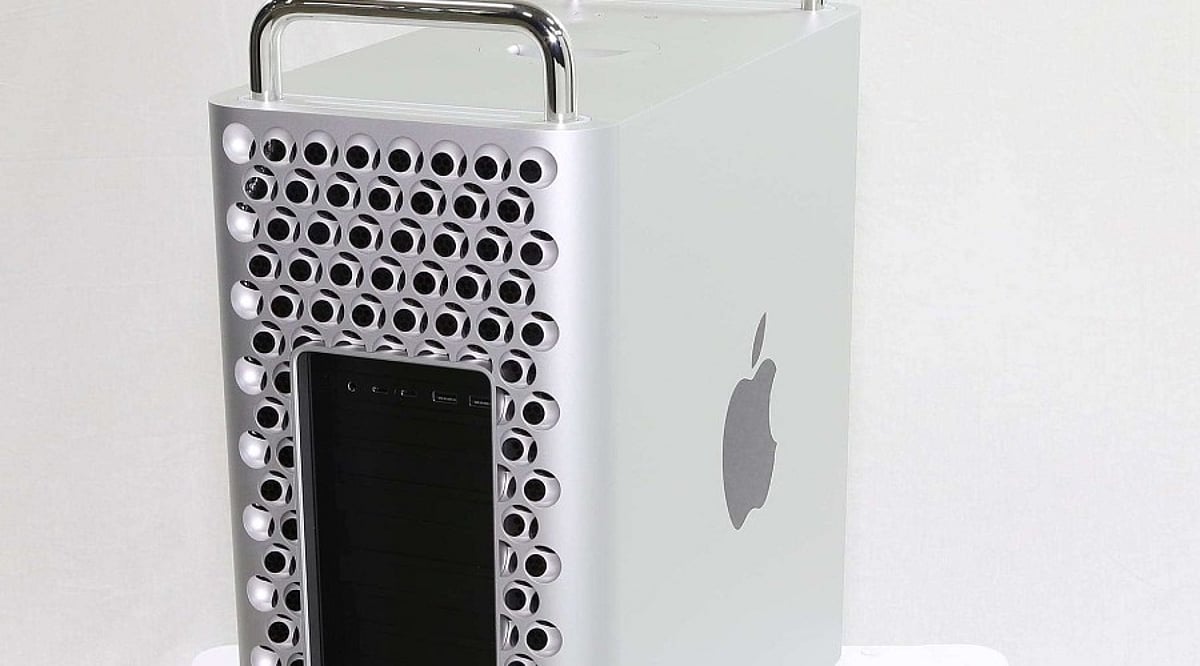
    Apple’s decision to discontinue the Mac Pro in March 2026 reportedly ended a long internal debate over the future of its most powerful desktop lineup. The company has since removed the Mac Pro from its website, directing professional users toward the Mac Studio, and confirmed no new Mac Pro hardware is planned.

    According to Bloomberg’s Mark Gurman in his ‘Power On’ newsletter, the end of the Mac Pro line ‘wasn’t always the plan.’ Apple had considered several hardware and chip options before giving up on it.

    Apple Worked on M2 Extreme and M3 Extreme Chips

    The biggest aspect of Apple’s fallen Mac Pro vision was the creation of higher-end Apple Silicon CPUs. Apple developed both M2 Extreme and M3 Extreme chips before dropping them, Gurman said. These chips were intended to sit above the ‘Ultra’ tier and would have made the Mac Pro outperform the Mac Studio. However, the projects were aborted due to high development costs and low demand for the more costly workstation-type machines.

    Two Unreleased Mac Pro Models Were in Development

    Apple also reportedly worked on two Mac Pro models that were never released, internally codenamed J170 and J190.

    • J170: A surprising project—a new Mac Pro powered by Intel chips, despite Apple’s strong push toward its own Apple Silicon. This version, targeted at specific professional applications, remained based on the x86 architecture and standard PCIe workflow.
    • J190: Expected to launch alongside the M3 Ultra Mac Studio in early 2025, featuring an M3 Ultra chip. The debut never happened, and Apple discontinued the Mac Pro line altogether.

    Mac Studio Has Replaced the Mac Pro’s Role

    The Mac Pro’s decline wasn’t solely due to performance. It was originally popular for its expandability—high-end graphics cards, audio cards, and other PCIe equipment. However, Apple Silicon adopts a system-on-chip design with unified memory, making upgrades via standard modules less relevant. Apple apparently concluded that maintaining the Mac Pro was no longer necessary to meet user needs. Gurman said he doesn’t think the Mac Pro is likely to return, ‘if ever.’

    This move marks a significant shift in Apple’s professional desktop strategy, consolidating its high-end offerings around the Mac Studio and its custom silicon.