Tag: MacBook

  • Apple Back-to-School 2026 in India: Free AirPods & Apple Pencil Pro with Education Discounts

    Apple Back-to-School 2026 in India: Free AirPods & Apple Pencil Pro with Education Discounts

    Apple has officially launched its annual Back-to-School promotion in India, offering eligible students and educators free AirPods or an Apple Pencil Pro with qualifying Mac and iPad purchases. The deal runs from July 16 to August 27, 2026 and can be combined with Apple’s education pricing for extra savings.

    Free AirPods with Eligible MacBooks

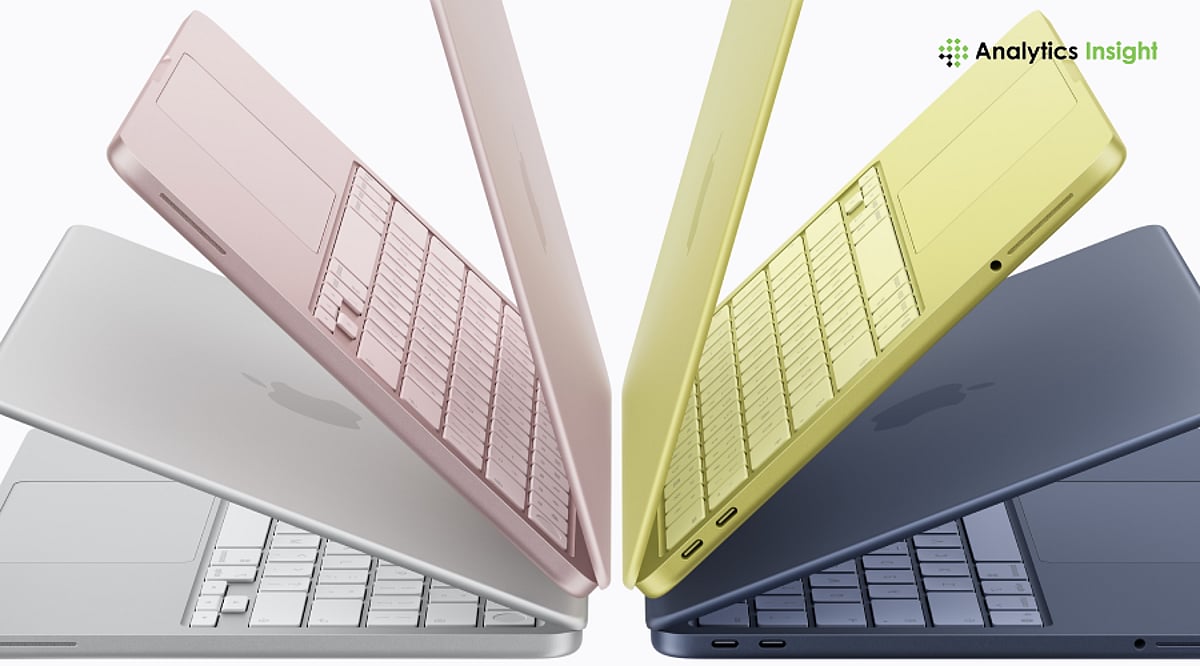
    Customers who buy a qualifying MacBook Air or MacBook Pro can choose either AirPods 4 or an AirTag 4-Pack at no extra cost. Those who prefer higher-end audio can upgrade to AirPods 4 with Active Noise Cancellation (ANC) for an additional ₹5,000, or AirPods Pro 3 for an additional ₹13,000. Apple says the offer provides savings of up to ₹12,900 on eligible Mac purchases.

    Education pricing further reduces device costs. The 13-inch MacBook Air with the M5 chip is available at ₹1,37,900 (down from ₹1,49,900), and the 14-inch MacBook Pro M5 is priced at ₹2,27,900 for eligible buyers (down from ₹2,39,900).

    Free Apple Pencil Pro with Select iPads

    Customers purchasing eligible iPad Air or iPad Pro models receive a free Apple Pencil Pro. If they instead choose an AirTag 4-Pack or AirPods 4, an additional ₹2,000 is required. Upgrading to AirPods 4 with ANC costs ₹7,000 extra, and AirPods Pro 3 costs ₹15,000 extra. Apple states the iPad promotion saves up to ₹10,900.

    Who Can Avail the Offer?

    The promotion is open to college students, newly admitted students, parents buying for eligible students, and employees of public and private educational institutions. Eligibility verification is mandatory at checkout via the Apple Education Store, the Apple Store app, or Apple Retail Stores.

    The offer does not apply to the MacBook Neo, iPad mini, standard iPad, or Apple’s desktop Mac lineup. Those devices can still be purchased at education prices but are not eligible for the free accessory program.

    Apple also continues its free engraving program on qualifying accessories through authorized channels.
  • Apple MacBook and iPad Price Hikes Stir Supplier Tensions; Micron Points to 2023 Pricing Pressure

    Apple MacBook and iPad Price Hikes Stir Supplier Tensions; Micron Points to 2023 Pricing Pressure

    Apple has raised prices across several MacBook, iPad, Apple TV, HomePod, and Vision Pro models, attributing the increases to soaring memory and storage costs driven by AI data center demand. The company announced the broad price hikes on June 25, affecting multiple hardware products while leaving iPhone prices unchanged. According to Apple, the rapid expansion of AI infrastructure has created exceptional demand for memory and storage chips, reducing available supply for consumer electronics.

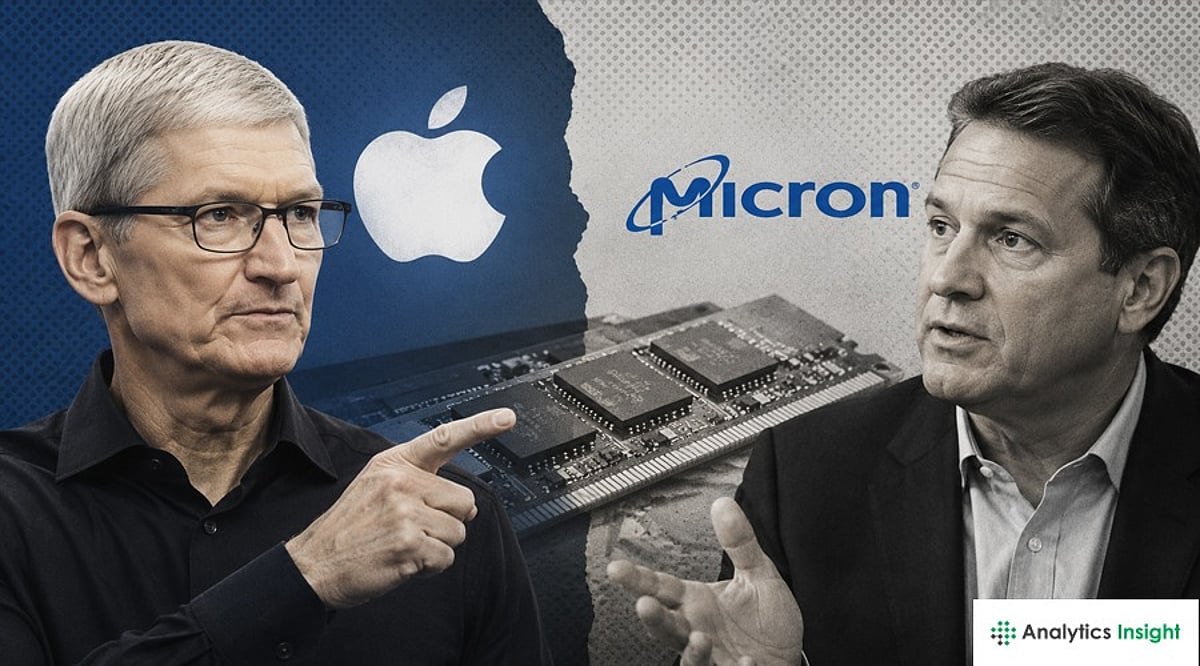
    CEO Tim Cook described the current market conditions as unlike anything Apple has experienced before. He stated, “There’s less supply at a time when consumers want devices and the memory guys are passing along huge price increases.” Cook also called the situation “unavoidable” and “unsustainable.”

    Market data supports the broader supply trend. Research firms report that memory and storage prices are now roughly four times higher than they were several quarters ago. TrendForce estimates memory chip prices rose by as much as 98% during the first quarter of 2026 and could increase by another 58% to 63% in the following quarter. Those higher component costs have reached consumers: the MacBook Neo increased from $599 to $699, while several MacBook and iPad models received price increases ranging from $100 to $300. Apple also confirmed that the affected devices did not receive additional memory or storage upgrades despite the higher prices.

    Micron Points to Pricing Pressure During the 2023 Downturn

    Shortly after Apple’s announcement, Micron Chief Business Officer Sumit Sadana offered a different explanation for today’s supply constraints in an interview with The Wall Street Journal. He said some major customers pushed suppliers to accept extremely low prices during the memory market collapse in 2023. Sadana stated, “We told a couple of the customers who were being very aggressive with pricing at that time that this is not constructive.” He added that poor pricing and weak margins forced many companies across the industry to reduce investment in new production capacity.

    Although Sadana never identified Apple by name, Apple is widely known for negotiating long-term supply agreements and purchasing large volumes of memory components. During 2023, Micron reported deeply negative margins as the memory market experienced one of its weakest periods in recent years. The company has since recovered, reporting strong quarterly financial results with revenue rising sharply alongside improved profitability. Its shares climbed after the earnings report, while Apple’s stock declined following the announcement of higher product prices.

    Supply Constraints May Continue Beyond 2027

    Industry analysts say both explanations reflect different parts of the same market cycle. AI servers require high-bandwidth memory, which uses far more manufacturing capacity than standard memory found in smartphones and laptops. As more production shifts toward AI hardware, fewer chips remain available for consumer devices. Meanwhile, reduced investment during the 2023 downturn limited the industry’s ability to expand manufacturing before AI demand accelerated. New semiconductor facilities require several years to build and reach full production, meaning additional capacity cannot arrive quickly.

    Apple has reportedly begun seeking additional memory suppliers, including Chinese manufacturer CXMT, to improve future supply. However, Tim Cook said Apple has no plans to enter the memory business itself. Several analysts expect memory costs to remain elevated through at least 2027. Research firms also estimate memory could account for a much larger share of smartphone production costs over the next two years, leading some industry observers to expect future iPhone price increases if current market conditions continue.

    Related Articles

    • Apple Stock Slides 6% After MacBook and iPad Price Hikes Worldwide
    • US Stock Market Today: NASDAQ Falls as Apple Slides Nearly 5% While Dow Surges 598 Points to Record High
    • Micron Stock Surges 16% After $9.8B Revenue Beat and $22B AI Supply Deals
    • US Stock Market Today: S&P 500 Rises as Oil Prices Slide and Investors Await Micron’s Earnings Report
    • US Stock Market Today: S&P 500 and NASDAQ Slide as Micron Leads Global Chip Stock Sell-Off
  • Apple Shares Tumble 6% After Raising MacBook and iPad Prices Globally

    Apple Shares Tumble 6% After Raising MacBook and iPad Prices Globally

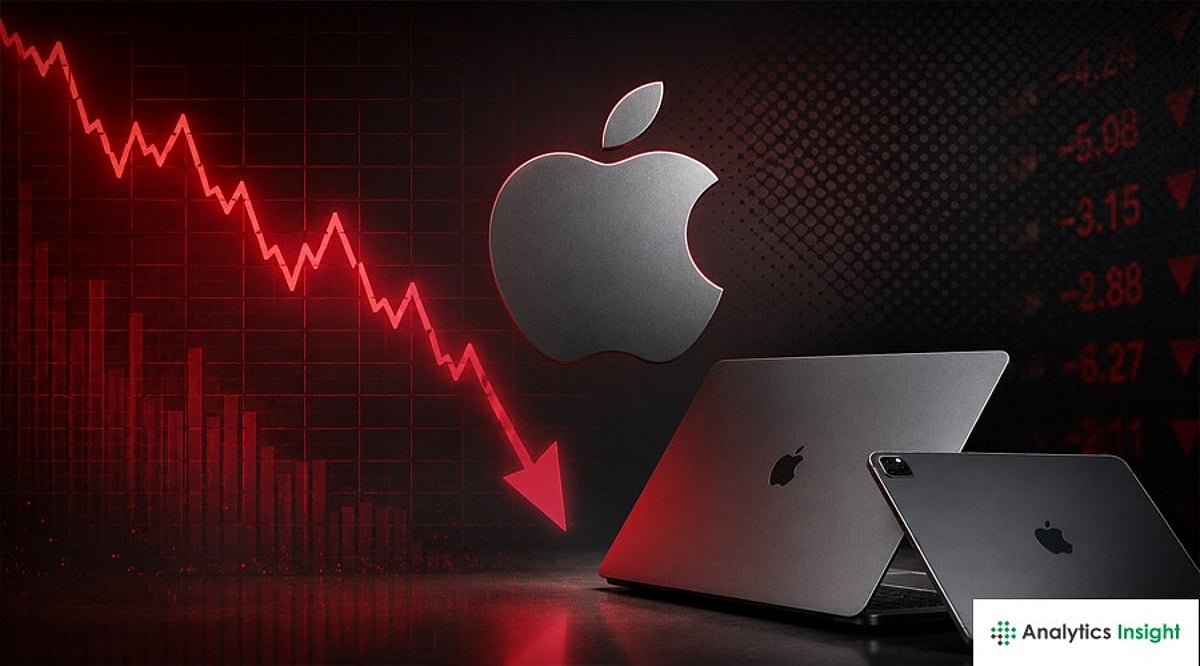
    Apple shares fell more than 6% on Thursday after the company raised prices across its MacBook and iPad lineup worldwide. The move marks Apple’s first major response to rising memory and storage costs, which have been intensified by surging demand from AI data centers. The iPhone, however, escaped a price hike for now.

    MacBook and iPad Price Hikes in Detail

    Apple increased the starting price of the MacBook Neo from $599 to $699. The MacBook Air with 512GB of storage rose from $1,099 to $1,299, while the 14-inch MacBook Pro with 1TB of storage now starts at $1,999, up from $1,699. The iPad lineup also saw significant increases: the 11-inch iPad Air jumped from $599 to $749, and the 13-inch model climbed from $799 to $949. The 11-inch iPad Pro now costs $1,199 ($999 at launch), and the 13-inch iPad Pro went from $1,299 to $1,499.

    Memory Costs Driving the Price Surge

    Apple attributed the price adjustments to an “unprecedented challenge” in the consumer electronics industry, as AI data centers consume more memory and storage components. CEO Tim Cook had warned earlier in May that rising component prices were pressuring Apple’s margins. In a later interview, he called the price increases “unavoidable” and described the shortage as a “hundred-year flood.”

    Memory and storage prices have spiked as suppliers redirect capacity toward high-bandwidth memory for AI servers, reducing supply for consumer devices. Microsoft, Sony, Nintendo, and other computer makers have also raised prices on select products. Apple has historically managed costs by discontinuing cheaper models—last month it stopped selling the $599 Mac mini with 256GB of storage, leaving buyers with fewer low-cost options.

    Investor Reaction and Market Implications

    The stock’s steep decline—its worst single-day drop in over a year—wiped an estimated $250 billion to $265 billion off Apple’s market value. Investors are concerned that higher prices could dampen demand for Macs and iPads, especially as households tighten discretionary spending. Apple’s iPhone lineup remains price-protected for now, though analysts warn that higher memory requirements for on-device AI could eventually drive up production costs for future iPhones.

    Looking Ahead: New Hardware and Software

    Apple is preparing a refreshed Siri experience with enhanced conversational abilities and in-app actions, but a European Union launch date remains unannounced. The company plans to introduce a base M6 processor for entry-level Macs later this year (current models use M5 chips). Analysts also expect Apple to enter the premium foldable phone market, which could raise average selling prices across the segment. The stock slide comes as Apple navigates a crucial balance between protecting margins and sustaining demand in a cost-sensitive environment.

  • Apple Raises MacBook, iPad, and Mac mini Prices in India Amid AI-Driven Component Cost Surge

    Apple Raises MacBook, iPad, and Mac mini Prices in India Amid AI-Driven Component Cost Surge

    Apple has raised prices on several products in India, including MacBooks, iPads, Mac mini, and HomePod devices, citing rising costs of memory and storage chips driven by the global AI boom. iPhone prices remain unchanged for now.

    The price hike affects the MacBook Neo, MacBook Air M5, MacBook Pro range, Mac mini M4, iPad lineup, and HomePod lineup. The steepest increase is on the MacBook Pro M5 Max, which now starts at ₹4,99,900, up ₹1 lakh. The standard MacBook Pro M5 starts at ₹2,39,900 after a ₹70,000 increase, while the MacBook Air M5 is now priced from ₹1,49,900, up ₹29,000.

    Apple’s more affordable Mac lineup also saw significant increases. The Mac mini M4 now starts at ₹94,900, compared to its earlier launch price of ₹59,900 — one of the largest percentage jumps. The entry-level MacBook Neo starts at ₹79,900, up ₹10,000.

    For tablets, the 11th-generation iPad now starts at ₹49,900, the iPad mini at ₹69,900, the iPad Air at ₹89,900, and the iPad Pro at ₹1,39,900.

    Apple attributes the price hikes to higher costs of memory and storage chips, as suppliers prioritize manufacturers focused on AI, limiting supply to consumer electronics and raising production expenses. Industry experts note Apple has shielded iPhone customers from these increases for now.