
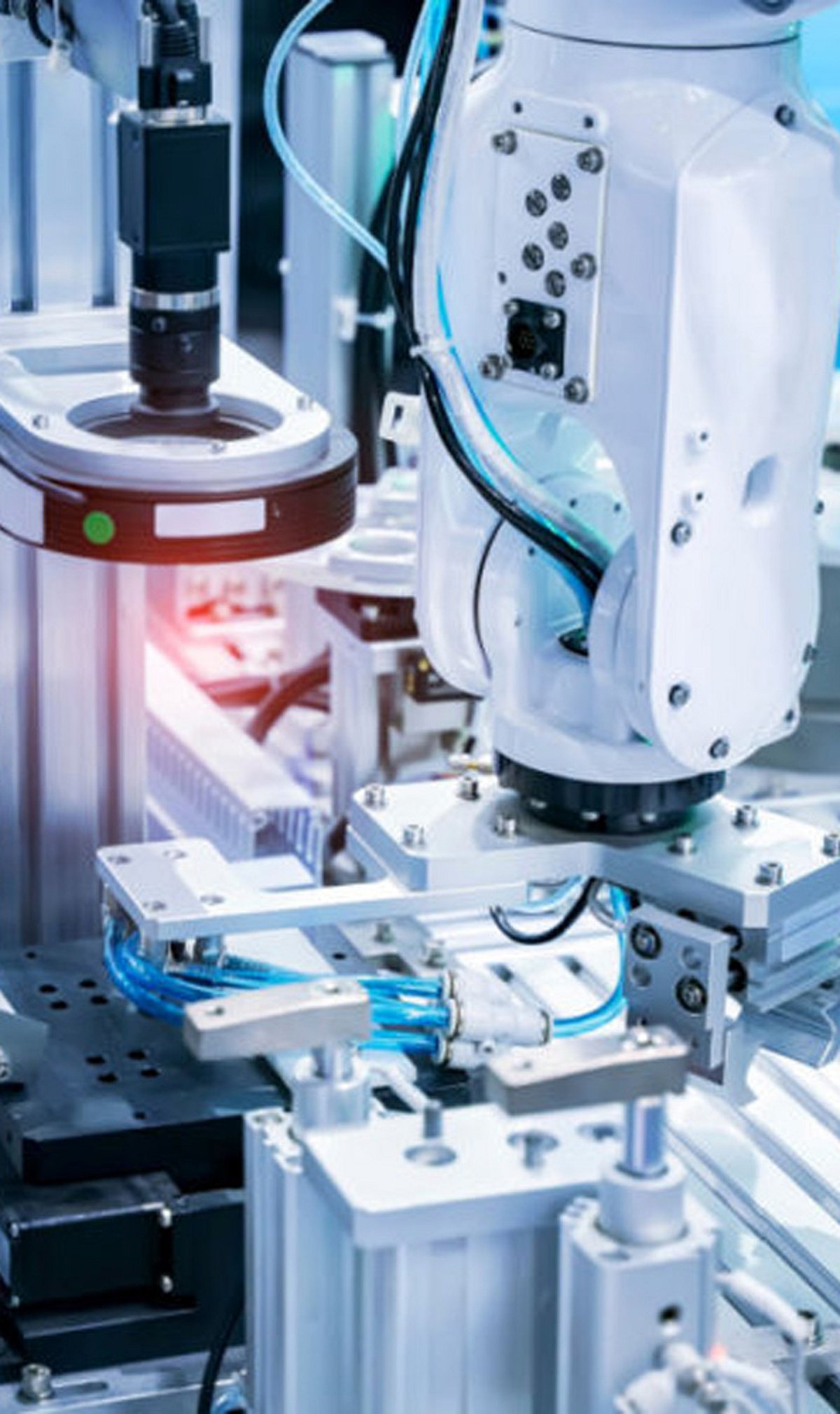
Modern smart factories depend on a suite of specialized sensors to maintain efficiency, quality, and safety. These devices continuously monitor critical parameters, enabling automation, predictive maintenance, and real-time decision-making. Below are the key sensor types every intelligent manufacturing facility relies on.
Temperature Sensors
Temperature sensors track heat levels in machinery and processes, preventing overheating, ensuring product quality, reducing equipment failures, and boosting operational efficiency every day.
Pressure Sensors
Pressure sensors measure fluid, gas, and hydraulic pressure accurately, supporting consistent manufacturing, leak detection, equipment protection, and workplace safety.
Proximity Sensors
Proximity sensors detect nearby objects without physical contact, enabling automated assembly lines, precise positioning, collision prevention, and seamless robotic operations across the factory floor.
Vibration Sensors
Vibration sensors identify abnormal equipment vibrations early, helping maintenance teams detect wear, prevent unexpected breakdowns, extend machinery lifespan, and reduce costly downtime.
Optical Sensors
Optical sensors use light to inspect products, detect defects, verify dimensions, improve quality assurance, and accelerate automated production with exceptional precision.
Humidity Sensors
Humidity sensors measure moisture levels in manufacturing environments, protecting sensitive materials, ensuring product consistency, reducing spoilage, and maintaining ideal storage conditions.
Gas Sensors
Gas sensors detect hazardous gases and air contaminants quickly, improving worker safety, ensuring regulatory compliance, preventing accidents, and supporting healthier industrial environments.
Flow Sensors
Flow sensors monitor the movement of liquids and gases accurately, optimizing production processes, reducing resource wastage, and maintaining efficiency in automated operations.
Load Cells
Load cells measure force and weight precisely during manufacturing, supporting automated packaging, inventory management, quality assurance, and reliable production monitoring.