Tag: margin pressure

  • Exide Industries Q1 Profit Surges 27% but Stock Falls on Margin Concerns

    Exide Industries Q1 Profit Surges 27% but Stock Falls on Margin Concerns

    Exide Industries reported strong Q1 FY27 results on July 31, but its shares traded lower during the day. The stock fell nearly 1.4% to Rs. 446.55 despite improved profit and revenue. Investors are cautious as increasing raw material costs are pressuring margins, while brokerage Citi stayed positive on the company’s overall business growth.

    The company posted a net profit of Rs. 407 crore in the April to June quarter, up 27.2% from Rs. 320 crore a year ago. Revenue increased 17.6% to Rs. 5,305 crore from Rs. 4,510 crore. EBITDA also rose 19.3% to Rs. 655 crore, while the EBITDA margin remained almost flat at 12.3%. Citi said the quarterly performance was better than expected and pointed to healthy revenue growth across major business segments.

    Exide Industries recorded strong demand in almost every business. The Auto OEM segment grew more than 25% for the third straight quarter. Battery replacement sales for two-wheelers and four-wheelers also reported double-digit growth. The industrial infrastructure business continued to grow at a steady pace, while inverter and solar businesses expanded by more than 20%. Export sales also grew over 20% after a spike in demand from overseas markets.

    Citi kept its ‘Buy’ rating on Exide Industries and said price increases, a better product mix, and improved operating efficiency helped reduce the impact of higher commodity costs. The brokerage also said the company’s management remains confident about demand across automotive, industrial, and renewable energy businesses.

    Even with strong earnings, investors remained focused on margin pressure and rising input costs. Exide expects its Bengaluru Gigafactory to add revenue during FY27, which could support future growth as the company expands its new energy business.
  • DMart Q1 Revenue Rises 14.9% as Margin Squeeze Persists Amid Higher Costs

    DMart Q1 Revenue Rises 14.9% as Margin Squeeze Persists Amid Higher Costs

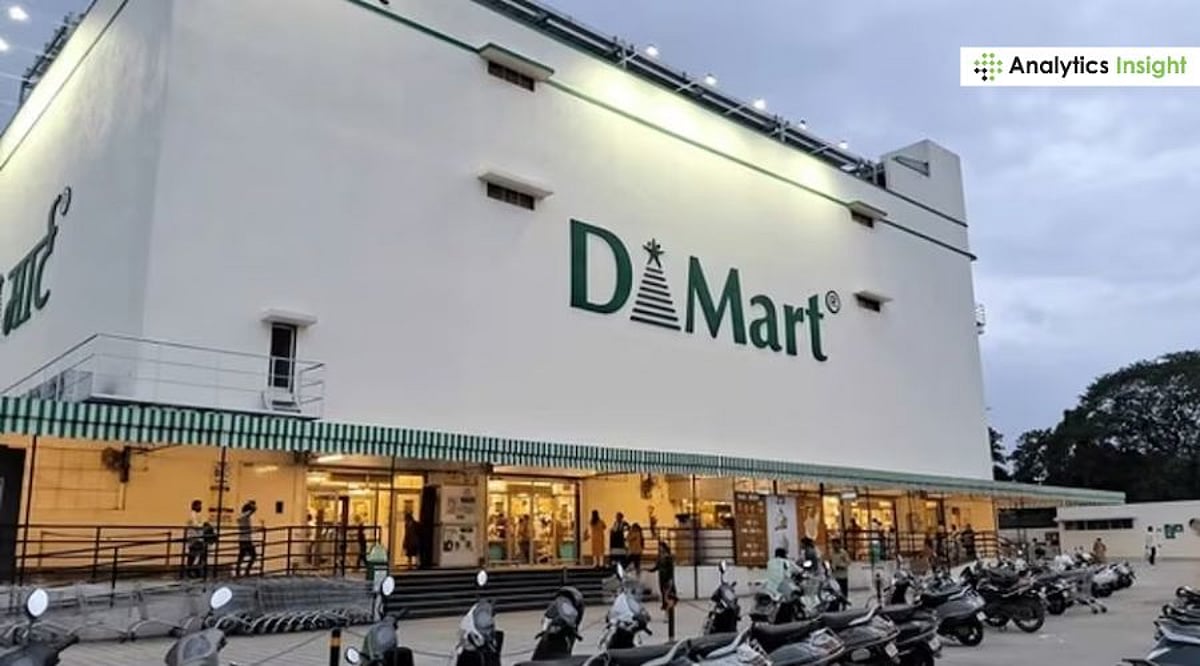
    DMart, operated by Avenue Supermarts, has reported its first-quarter results for fiscal year 2027, revealing steady revenue growth driven by increased footfall. However, rising operational expenses continue to pressure profit margins, reflecting broader challenges faced by the retail sector.

    Consolidated revenue for the quarter reached Rs. 18,794.5 crore, a 14.9% increase year-over-year. Total expenses climbed to Rs. 17,637.2 crore from Rs. 15,321.7 crore in the same period last year. The company’s managing director, Anshul Asawa, noted that stores open for two years or more saw same-store sales growth of 5.5% in Q1 FY27, down from 7.1% in Q1 FY26.

    Food and grocery items accounted for 54.9% of total revenue, a slight decline from 55.6% a year ago, while general merchandise and apparel contributed 25.5%, up from 24.7%. The results indicate that DMart continues to attract shoppers despite intense competition from online grocery platforms like Zepto and Instamart, as well as traditional retailers.

    Higher employee costs, store maintenance expenses, and general inflation are eating into margins. DMart’s strategy of offering low prices makes it difficult to pass on cost increases to customers. The company’s ability to maintain profitability while expanding its store network will be closely watched by investors in the coming quarters.

    These results underscore a broader trend in India’s retail market: consumers are spending cautiously, and retailers must balance cost control with competitive pricing in an environment of rising expenses and shifting shopping habits toward online and quick-delivery services.

  • TCS Q1 FY27 Results: AI Investments, Margin Pressure, and Dividend in Focus

    TCS Q1 FY27 Results: AI Investments, Margin Pressure, and Dividend in Focus

    Tata Consultancy Services (TCS) will announce its Q1 FY27 results today, with investors closely watching the company’s earnings, artificial intelligence strategy, dividend decisions, and overall business outlook. As India’s largest IT services firm, TCS kicks off the earnings season for the sector, making its quarterly update a critical indicator for the broader market.

    TCS shares traded lower ahead of the results, slipping nearly 2% as cautious sentiment dominated. Concerns about sluggish corporate spending and rising AI investments weighed on investor confidence.

    Revenue and Margin Expectations

    Most brokerages expect TCS to report flat sequential revenue growth, with figures likely between Rs. 71,270 crore and Rs. 72,267 crore. Net profit is anticipated to show healthy year-over-year growth. However, operating margins may dip after the company implemented annual salary hikes from April. Favourable currency movements and improved operational efficiency could partly offset the margin pressure.

    Market analysts believe the earnings numbers alone will not dictate the stock’s trajectory. Instead, management commentary on demand trends, large client deals, hiring plans, and the outlook for FY27 will be more closely scrutinized.

    AI Strategy and Deal Pipeline

    Artificial intelligence remains a central theme on the earnings call. TCS has expanded its AI capabilities over the past year and continues to invest in AI services and data centre infrastructure. Investors want to understand how these investments will translate into revenue growth without eroding profitability.

    The company’s deal pipeline is also under the spotlight. Analysts expect TCS to report new deals worth between $7 billion and $10 billion for the quarter. While this may be lower than the previous quarter, recent contract wins in insurance, manufacturing, and packaging indicate that clients remain committed to technology spending despite global uncertainties.

    Dividend Announcement

    In addition to earnings, the TCS board will consider an interim dividend. The record date has been set for July 15, allowing eligible shareholders to receive the payout if approved.

    Outlook for the IT Sector

    TCS typically sets the tone for the entire IT earnings season. Strong guidance on AI, client demand, and deal wins could boost sentiment across technology stocks. Conversely, cautious remarks on spending or margins may keep pressure on the sector for an extended period.

    Several analysts emphasize that management’s outlook will matter more than the quarterly numbers. Positive updates on AI growth, business demand, and large contracts could support investor confidence in the coming months. Investors will also look for signs of stronger client spending in the second half of FY27.

    Overall, TCS Q1 results will provide crucial signals about the health of India’s IT industry, making this earnings announcement one of the most closely watched events of the quarter.

  • Tata Motors Stock at Rs 424.15: Can Strong Domestic Demand Offset Q1 Margin Pressures?

    Tata Motors Stock at Rs 424.15: Can Strong Domestic Demand Offset Q1 Margin Pressures?

    Tata Motors Ltd. is trading at Rs 424.15 on the NSE as investors prepare for the company’s first-quarter FY27 earnings announcement. While domestic demand for passenger and commercial vehicles remains resilient, global challenges—particularly at Jaguar Land Rover (JLR)—and rising input costs are expected to squeeze margins. Analysts are closely watching management guidance to gauge the stock’s near-term direction.

    Domestic Demand Remains a Pillar of Strength

    India’s passenger vehicle market continues to show robust growth, especially in the SUV segment where Tata Motors holds a strong position. The company’s leadership in electric vehicles (EVs) also supports its long-term growth story. In the commercial vehicle space, infrastructure development, logistics activity, and fleet replacement cycles are driving steady demand. These segments are expected to provide stable revenue streams.

    Margin Pressure: The Key Concern

    Despite healthy demand, profitability remains the primary worry. Higher commodity costs, competitive discounting, and global supply disruptions are compressing margins. JLR, a major profit contributor for Tata Motors, faces its own headwinds—production challenges, shifting demand for luxury vehicles, and pricing pressures. Investors will focus on operating margin trends and cost management strategies outlined in the earnings report.

    Technical Setup: Consolidation Phase

    From a technical perspective, Tata Motors appears to be in a consolidation phase after a steep decline. The stock has found support near Rs 420, but resistance at Rs 435–440 and Rs 450 must be broken for a bullish reversal. On the downside, Rs 400 is the critical support level. The market is waiting for a fundamental trigger from the Q1 results.

    Key Positives and Risks

    • Positives: Resilient domestic demand, EV leadership, strong SUV and commercial vehicle pipeline, improving rural demand.
    • Risks: JLR uncertainty, high input costs, competitive discounting, global macroeconomic headwinds.

    Market Outlook

    Tata Motors enters earnings season with solid demand fundamentals but persistent profitability concerns. The stock’s near-term direction hinges on JLR’s performance, margin recovery, and management’s FY27 guidance. A positive earnings surprise could push the stock toward Rs 450, while disappointment may test support at Rs 400.

    FAQs

    1. Why are investors closely watching Tata Motors’ Q1 FY27 results?

    Investors are focusing on operating margins, JLR’s performance, domestic demand trends, EV growth, and management’s outlook for the remainder of FY27.

    2. What is the biggest concern for Tata Motors ahead of its earnings?

    The primary concern is margin pressure from higher commodity costs, discounting, and uncertainty around JLR’s global operations, which significantly impact consolidated profitability.

    3. How is Tata Motors’ domestic business expected to perform?

    The domestic business is expected to remain resilient, supported by healthy SUV demand, steady commercial vehicle sales, improving rural demand, and continued EV leadership.

    4. What technical levels should investors monitor in Tata Motors stock?

    Key support levels are Rs 415 and Rs 400, while resistance is at Rs 435–440 and Rs 450 ahead of the earnings announcement.

    5. What could drive Tata Motors shares after the Q1 results?

    A positive earnings surprise, stronger operating margins, encouraging JLR performance, and optimistic management guidance could boost investor confidence and support further gains.