
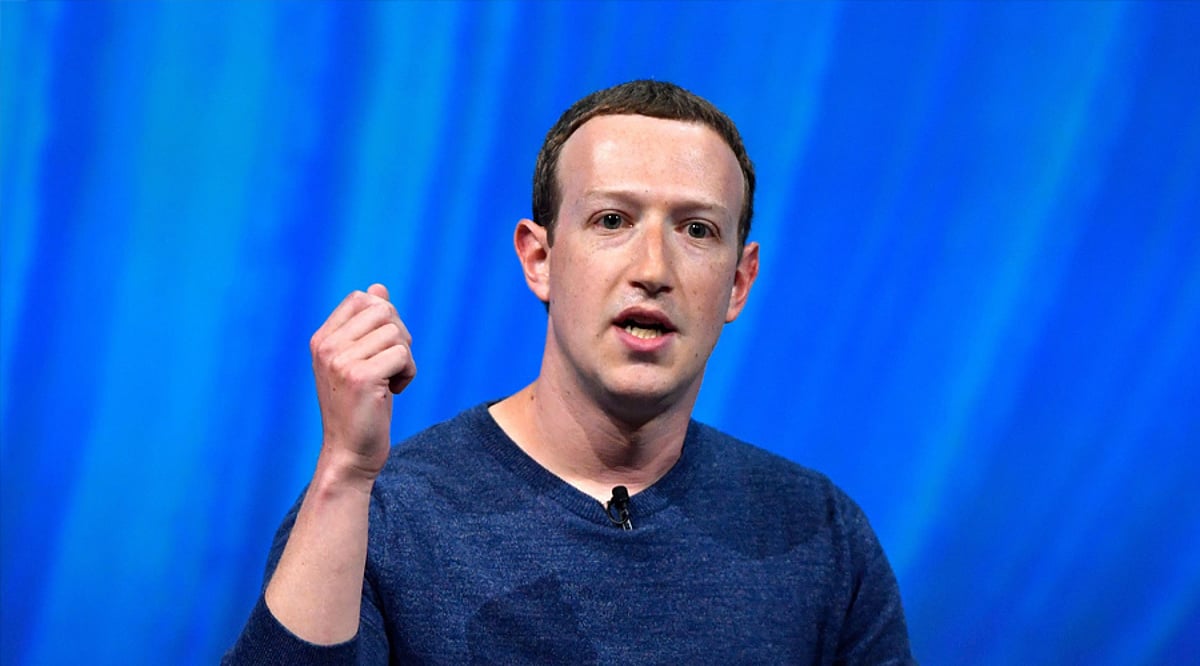
Mark Zuckerberg has made a surprising return to X (formerly Twitter) after more than three years of silence, using the platform to launch Meta’s latest artificial intelligence model, Muse Spark 1.1. The announcement signals Meta’s aggressive push into enterprise AI, targeting developers with advanced coding capabilities, automation tools, and multi-agent coordination.
Key Highlights of the Launch
Zuckerberg’s post on X was brief, but the substance behind it is significant. The Muse Spark 1.1 model is designed for coding tasks, software development, and running AI agents. Developers can access the model through Meta’s new proprietary API, the Meta Model API—the company’s first such offering in the United States. This move positions Meta to compete directly with OpenAI and Anthropic for developer market share.
Technical Capabilities
Muse Spark 1.1 can handle complex tasks with ease, including integration with third-party tools. It features a context window of up to 1 million tokens, meaning it can retain and process a massive amount of information in a single session. The model can also run multiple AI agents simultaneously across desktop, mobile, and browser platforms.
Key functionalities include:
- Writing and debugging code
- Automating workflows
- Processing text, images, and video
- Multi-agent coordination for complex tasks
Pricing and Availability
Meta is offering developers free credits to get started, with pay-as-you-go pricing afterward. Reports indicate the cost is $1.25 per million input tokens and $4.25 per million output tokens. The model will also be integrated into Meta’s own apps, including a new ‘Thinking’ mode coming soon to the Meta AI app and website.
Strategic Implications
The launch of Muse Spark 1.1 places Meta squarely in the race for AI dominance. The company is betting that its strong memory and multi-agent capabilities will attract developers away from established players. Looking ahead, Meta plans to integrate the model into WhatsApp, Instagram, Facebook, and its smart glasses, giving it a reach that few competitors can match.
While ultimate success will depend on real-world performance, Zuckerberg’s surprise return to X has already succeeded in putting Meta’s AI ambitions back in the spotlight.