
Tag: market risks

  • XRP Crash Risk: Key Factors That Could Trigger a 50% Drop

    XRP Crash Risk: Key Factors That Could Trigger a 50% Drop

    XRP has always been one of the most talked-about cryptocurrencies. Its price often moves faster than many other digital coins as traders closely follow every update related to Ripple, regulation, and the overall crypto market.

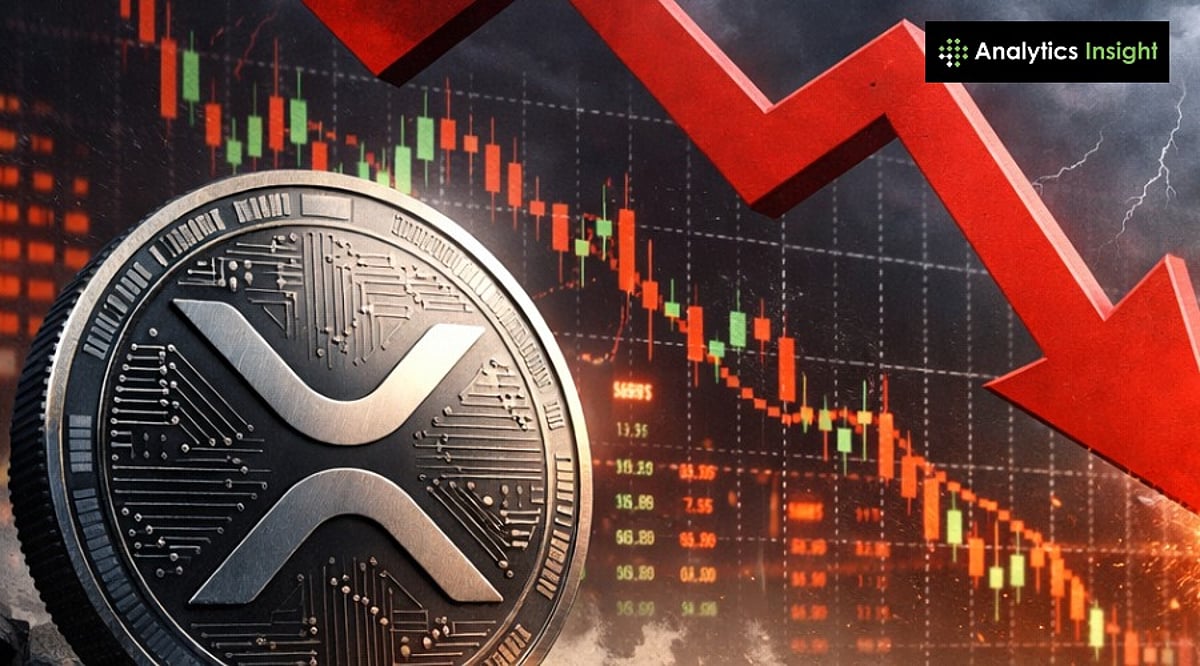
    As of mid-July 2026, XRP trades between $1.00 and $1.18, almost 48% below its earlier 2026 high. This sharp fall has once again raised an important question: could XRP lose another 50% of its value?

    The answer is not simple. XRP still has strong supporters since Ripple continues to expand its payment business around the world. At the same time, several risks could push the price much lower if market conditions become worse. A closer look at these risks helps explain why many investors remain cautious.

    XRP Price Has Already Faced Strong Pressure

    XRP enjoyed a solid rally earlier in 2026 after positive news around Ripple and better confidence in the crypto market. That excitement pushed the token much higher. However, the rally did not last forever. Selling pressure soon returned, and the price started to fall.

    Today, XRP trades around $1.00 to $1.18, which is nearly 48% lower than its 2026 peak. The area between $1.15 and $1.20 has become a strong resistance zone where buyers struggle to push the price higher. On the downside, the $1.00 level has become an important support. If this support breaks, market sentiment could become much more negative.

    The Overall Crypto Market Remains the Biggest Risk

    XRP seldom experiences extended independent movement. Bitcoin largely dictates the direction of the broader cryptocurrency market. When Bitcoin tumbles down steeply, it appears that almost every altcoin loses some value—XRP does the same.

    Global economic conditions may worsen the situation. Periods of economic uncertainty often bring higher interest rates, weaker investor confidence, and broader market declines, reducing demand for high-risk assets such as cryptocurrencies. A sharp decline in Bitcoin could push XRP back into a prolonged bear market.

    Profit Booking Could Increase Selling Pressure

    After a large price increase, many traders decide to sell part of their holdings instead of waiting for even higher prices. This creates extra supply in the market. If buyers fail to absorb that supply, prices usually move lower.

    This pattern has appeared several times in XRP’s history. Large rallies often attract heavy selling from long-term holders, which makes it difficult for the token to maintain upward momentum for a long period.

    Regulation Still Creates Uncertainty

    Ripple has achieved important legal victories over the past few years, but regulation remains one of the biggest factors that could affect XRP.

    Many countries still work on new cryptocurrency laws. Governments continue to study digital assets, stablecoins, and cross-border payment systems. Future rules could either help or slow the adoption of XRP.

    Competition Has Become Much Stronger

    Ripple no longer operates in a market with only a few competitors. Today, many blockchain projects offer fast payment networks and digital asset solutions for banks and financial institutions.

    Several companies also focus on tokenized assets, while stablecoins have become a popular option for cross-border payments. At the same time, many traditional financial firms now build their own blockchain systems instead of depending on public cryptocurrencies.

    Technical Levels Could Trigger a Bigger Drop

    The $1.00 price level has become one of the strongest support areas for XRP. If sellers push the token below this level, many automatic trading systems could activate sell orders at the same time.

    Leverage adds another layer of risk. Many crypto traders borrow money to increase their positions. When prices fall quickly, exchanges force these traders to close their positions. This creates additional selling pressure and can turn a normal decline into a much larger crash within a short period.

    Reasons XRP May Avoid a 50% Crash

    Ripple continues to expand its global payment network and works with businesses that want faster international transactions. The company has also joined projects that explore AI-powered payment standards, which shows its interest in future financial technology.

    Activity on the XRP Ledger has also increased, with a noticeable rise in transaction volume. Strong network usage often reflects healthy ecosystem growth.

    Institutional interest also remains an important factor. More professional investors now pay attention to blockchain payment systems than they did during earlier crypto cycles. If this trend continues, XRP could receive stronger long-term support.

    High Volatility is Normal for XRP

    Large price swings have always been part of the cryptocurrency market. A move of 10% to 20% within a single week is not unusual, especially during periods of uncertainty.

    Fear and excitement often control investor decisions. Good news can push prices higher very quickly, while negative headlines can produce equally sharp declines. XRP has experienced both situations many times over the years.

    Can XRP Really Fall Another 50%?

    A deep Bitcoin correction, weaker global markets, lower crypto investment, unexpected regulatory action, and a break below the important $1.00 support level could together create enough pressure for another major decline.

    However, the opposite scenario also deserves attention. Better regulation, continued business expansion by Ripple, higher institutional interest, and stronger demand across the crypto market could help XRP recover instead of falling further.

    Why This Matters

    With XRP hovering near its make-or-break $1.00 support level, understanding these risks is critical. A potential 50% crash isn’t just about Ripple—it’s a warning sign of how macroeconomic pressure and intense institutional competition can impact your portfolio.

    Final Thoughts

    XRP remains one of the best-known cryptocurrencies given Ripple’s focus on global payments and financial technology. Even after the recent correction, the project continues to attract attention from both retail and institutional investors.

    The current price between $1.00 and $1.18 shows that the market remains cautious after a 48% drop from the 2026 high. Another 50% decline cannot be ignored, especially if several negative market events occur together. At the same time, Ripple’s business growth, higher network activity, and steady institutional interest could provide support over the long term.

    The next few months may prove critical. The strength of the $1.00 support level, the direction of Bitcoin, global economic conditions, and Ripple’s future progress will likely decide whether XRP enters another sharp correction or begins its next recovery phase.

    FAQs

    1. What is XRP’s current price?
    As of mid-July 2026, XRP actively trades between $1.00 and $1.18. The price fluctuates dynamically in real time based on active crypto market conditions.

    2. Can XRP really fall another 50%?
    Yes. A combination of a Bitcoin crash, weak market sentiment, regulatory setbacks, and a break below key support could trigger a major decline.

    3. Why is the $1.00 level important?
    It is a major support zone. If XRP falls below this level, selling pressure could increase significantly.

    4. What could help XRP recover?
    Better crypto market sentiment, stronger institutional demand, Ripple’s business expansion, and positive regulatory developments could support higher prices.

    5. Is XRP still a long-term investment?
    Many investors still see long-term potential for Ripple’s payment technology and growing enterprise adoption, although price volatility remains high.
  • Bitcoin Derivatives Activity Outpaces Spot Demand as Market Risks Persist

    Bitcoin Derivatives Activity Outpaces Spot Demand as Market Risks Persist

    Bitcoin continues to display a widening gap between derivatives activity and spot demand as macro uncertainty shapes investor behavior. Recent geopolitical tension involving the United States and Iran pushed markets into a risk-off phase, while spot Bitcoin exchange-traded funds recorded more than $85 million in net outflows after three consecutive days of inflows.

    At the same time, Bitcoin’s Coinbase Premium Index turned negative, signaling softer U.S. spot demand. Although the Crypto Fear & Greed Index remained above extreme fear levels, historical bear-market data suggest the current cycle may still have room to continue.

    Spot Demand Weakens as Derivatives Drive Market Activity

    Bitcoin’s latest market structure shows derivatives activity recovering faster than demand in the spot market. Data indicate that Bitcoin’s 30-day cumulative demand improved from nearly -500,000 BTC to around -75,000 BTC. Even so, futures markets accounted for nearly the entire recovery. Futures demand climbed from about negative 295,000 BTC to slightly above zero, while spot demand remained near negative 78,000 BTC.

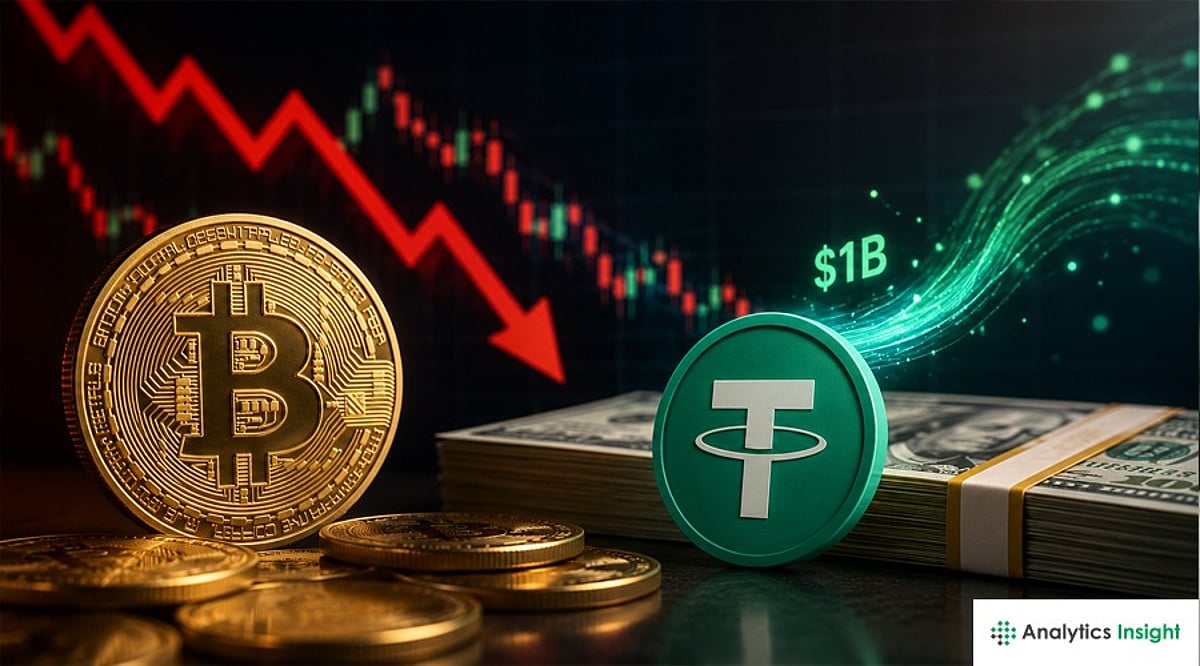
    Meanwhile, Tether minted another $1 billion worth of USDT despite the broader stablecoin market continuing to contract. Instead of flowing directly into Bitcoin purchases, much of that liquidity appears to remain on the sidelines as investors hold capital in reserve. Consequently, the additional liquidity could increase derivatives activity rather than strengthen spot buying. That trend leaves speculative positioning ahead of genuine market demand.

    Macro Conditions Continue to Shape Bitcoin Sentiment

    Market conditions shifted after renewed geopolitical uncertainty affected investor sentiment. As a result, institutions reduced exposure, leading spot Bitcoin ETFs to post net outflows exceeding $85 million. Likewise, Bitcoin’s Coinbase Premium Index moved below zero, indicating weaker buying interest from U.S. investors. The change points to greater caution among institutional participants as broader market risks increased.

    Although the Crypto Fear & Greed Index stayed above extreme fear territory, historical comparisons present a different picture. Bitcoin’s current bear market has lasted 248 days, while the 2022 and 2018 bear markets extended for 381 and 385 days, respectively. Therefore, previous market cycles suggest the current downturn remains shorter than earlier bear markets despite recent improvements in derivatives demand.

    Bitcoin Miners Expand into AI as Costs Increase

    Bitcoin mining companies have also adjusted their strategies following pressure on profitability since the April 2024 halving. Many firms redirected energy infrastructure toward artificial intelligence operations to improve revenue. According to a July 9, 2026, report from Blocksbridge Consulting, executives and board members at several mining companies sold large amounts of company stock during this transition.

    By the end of 2025, the Bitcoin network’s hash rate had reached a record 1,160 EH/s, increasing competition across the industry. CoinShares reported that publicly listed mining companies faced an average production cost of about $80,000 per Bitcoin during the fourth quarter of 2025. As costs increased, between 15% and 20% of older ASIC mining machines reportedly operated at a loss. In response, several companies converted energy resources to power AI-focused supercomputers.

    One major example involved TeraWulf, which signed a 20-year lease agreement with Anthropic valued at nearly $19 billion. Besides expanding into AI, some mining companies also sold Bitcoin holdings to finance new investments. Marathon Digital Holdings sold more than 15,000 BTC from its institutional treasury, with its latest reported Bitcoin sale occurring in April 2026. The reported transactions reflect the capital demands associated with expanding AI infrastructure while mining economics remain under pressure.

    What’s Next?

    Bitcoin’s recovery remains driven mainly by derivatives activity while spot demand stays weak. ETF outflows, a negative Coinbase Premium Index, and ongoing macro uncertainty suggest the broader Bitcoin bear market may still be active. Investors may need to monitor leverage, institutional demand, and miner liquidity closely before expecting a sustained recovery.

  • 4 Critical Risks of Investing in Dogecoin at $0.07 in 2026

    4 Critical Risks of Investing in Dogecoin at $0.07 in 2026

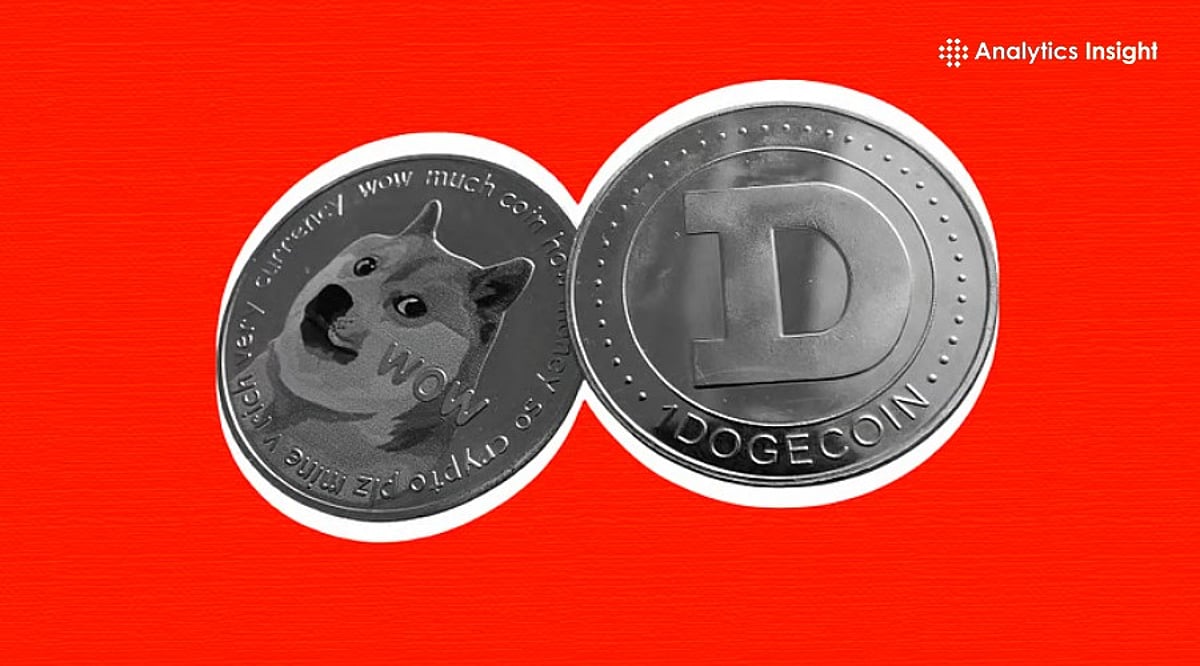
    Dogecoin is trading near $0.07 in 2026, and the question of whether it’s a buying opportunity is back in circulation. After many ups and downs over the last few years, the popular meme coin now trades close to $0.07, and many investors want to know whether this price offers a good buying opportunity. The fan base is still there, and the market cap is still large. But the risks are real.

    Dogecoin’s Position in 2026

    As of June 2026, Dogecoin trades between $0.072 and $0.075. Market cap sits near $11.4 billion, keeping it in the top tier of digital assets. Over $800 million in DOGE changes hands daily.

    Despite this large market presence, Dogecoin has struggled during the first half of 2026. The overall crypto market has faced heavy pressure, and Dogecoin has followed the same trend. Recent data shows the coin has fallen more than 10% in the last seven days and nearly 24% over the last month. This sharp decline shows how quickly market sentiment can change.

    At the same time, some technical analysts believe support has formed near $0.073, and a short-term recovery toward $0.081 remains possible if buyers return. Still, price charts alone do not remove the risks connected to this cryptocurrency.

    Risk One: Price Volatility Stays Extremely High

    One of the biggest concerns with Dogecoin remains its extreme price volatility. Large price movements continue to happen within very short periods. It is not unusual for DOGE to rise or fall by 10% to 20% in just a few days, which makes the coin highly unpredictable.

    The recent 24% monthly decline shows this clearly. A coin that loses such a large percentage of value in a short time creates uncertainty for investors who want long-term growth. Unlike traditional investments, Dogecoin prices often move based on market excitement instead of strong financial fundamentals.

    Risk Two: Social Media Still Controls Price Movement

    Dogecoin’s value is influenced largely by social media activity in 2026; however, this has not changed since it was first launched in 2013.

    Unlike other major cryptocurrencies that gain value for their advancements in technology or acceptance as payment, multiple companies have been established on the Dogecoin blockchain (beyond Reddit). Doge often responds dramatically to social media interest surrounding the coin (i.e., celebrity endorsements and viral conversations on Twitter).

    Earnings from Doge have significantly increased since it was created; Elon Musk has made several public statements that created many ‘Doge rallies’. The official Dogecoin Twitter account even joked about the price falling, reflecting the link between Doge and its community.

    Such price fluctuations continue to create drama within Doge as often market prices are based on speculative buying from speculation about the excitement around new projects, not based on business use.

    Risk Three: Limited Use Cases Hurt Future Growth

    Large crypto networks such as Ethereum and Solana support smart contracts, decentralized finance, NFT markets, and many advanced blockchain services. Dogecoin, on the other hand, still mainly works as a payment coin and internet tipping currency.

    Although development on the network continues, progress remains slower compared with competing cryptocurrencies. The project has not built the same large ecosystem that many newer blockchain platforms already have.

    Risk Four: Unlimited Supply Creates Long-Term Pressure

    Bitcoin has a fixed supply limit of 21 million coins, which helps create scarcity. Dogecoin works differently. The network creates nearly 10,000 new DOGE every minute, which adds billions of new coins into circulation every year.

    Recent reports show mining infrastructure expansion projects continue to support Dogecoin mining activity. While this strengthens the network itself, it also means even more coins continue to enter the market over time.

    Why This Matters

    This discussion highlights the widening divide between speculative community assets and utility-driven blockchains. As Dogecoin hovers around the $0.07 baseline amid broader crypto market pressure, its performance tests whether pure community sentiment and high liquidity can sustain an $11 billion valuation without traditional ecosystem utility or supply caps.

    Final Thoughts

    Dogecoin remains one of the most recognized cryptocurrencies in the world. Strong community support, high market liquidity, and massive public awareness continue to keep it relevant in 2026. At the current price near $0.07, short-term gains remain possible if the broader crypto market recovers.

    Extreme price volatility continues to create uncertainty. Heavy dependence on social media hype makes price action difficult to predict. Limited real-world utility compared with newer blockchain networks raises questions about long-term growth. Most importantly, the unlimited supply system creates constant pressure that could restrict future price increases.

    FAQs

    1. Is Dogecoin a smart investment in 2026? Dogecoin offers high liquidity for short-term traders looking to capture quick market bounces. However, it remains a highly speculative, high-risk asset for long-term investors due to its structural inflation and heavy reliance on social media hype over fundamental utility.
    2. What is Dogecoin’s current market standing? As of June 2026, Dogecoin trades within the $0.07 to $0.08 range. Despite a recent monthly pullback of over 24% driven by broader crypto market declines, it maintains a top-tier market capitalization of roughly $11.4 billion and robust 24-hour trading volumes exceeding $800 million.
    3. What are the primary risks of buying DOGE at $0.07? Investors face four main hurdles: extreme short-term price volatility, an unpredictable dependence on viral social media trends and celebrity endorsements, a lack of built-in utility like smart contracts or decentralized finance applications, and a continuous inflationary supply.
    4. How does Dogecoin’s supply model impact its long-term value? Unlike Bitcoin’s fixed cap of 21 million coins, Dogecoin has an unlimited supply system that issues 10,000 new coins into circulation every single minute. This translates to roughly 5 billion new DOGE added annually, requiring constant, massive inflowing demand just to keep prices steady.
    5. What technical price levels are analysts watching for a recovery? While the immediate trend reflects a broader market sell-off, technical support has solidified right around the $0.072 to $0.073 range. If the crypto market stabilizes, a short-term bounce toward $0.081 is possible.