Tag: memecoin

  • Solana Memecoins BONK and WIF Surge After Upbit Delisting, but Resistance Looms

    Solana Memecoins BONK and WIF Surge After Upbit Delisting, but Resistance Looms

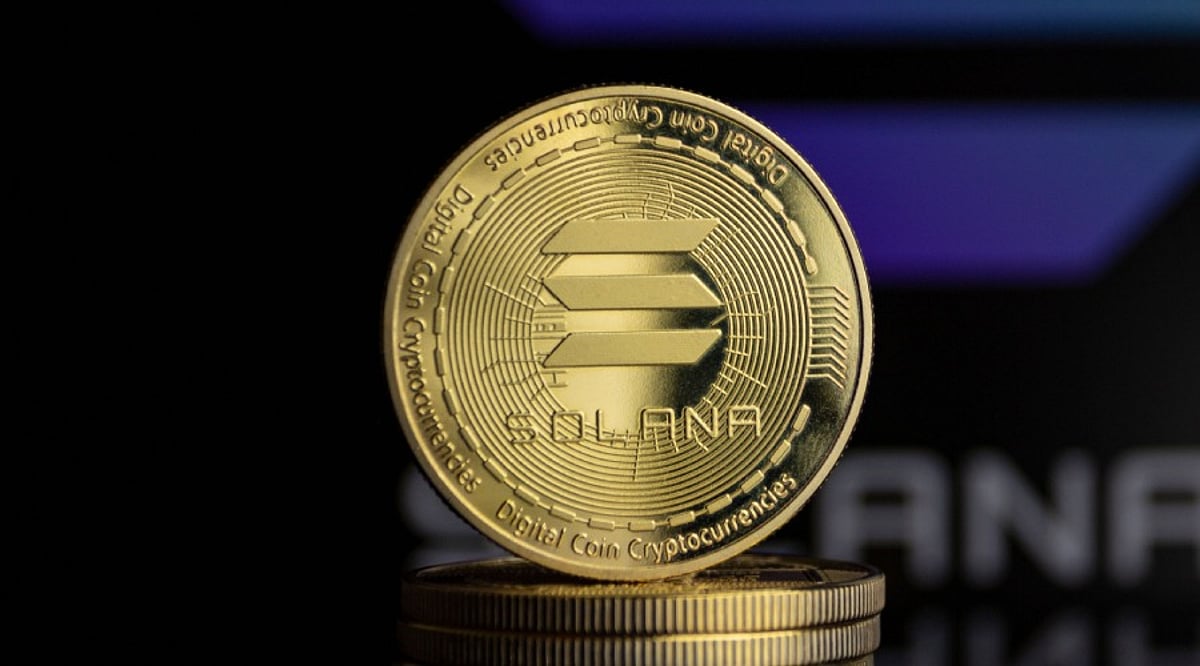
    On September 22, Solana-based memecoins BONK and WIF rallied sharply, supported by robust trading volume, even as the market digested BONK’s removal from Upbit’s KRW and USDT markets earlier in the month. BONK climbed 17.92% to $0.0000036, while WIF gained 21.7% to $0.2483, outperforming broader meme tokens like DOGE, PEPE, and SHIB.

    Technical indicators show BONK breaking above its 20-day ($0.00000337) and 50-day ($0.00000316) moving averages, as well as the Ichimoku Kijun level at $0.00000331. Momentum signals such as MACD, ADX, and the Awesome Oscillator turned bullish, and RSI reached 66.6. However, Stoch RSI and CCI entered overbought territory, suggesting a potential short-term pullback. Crucially, BONK remains below its 200-day moving average at $0.00000462, a key resistance level.

    The rally came despite BONK being delisted from Upbit’s KRW and USDT markets on September 7 due to an unresolved review. Upbit continues to support withdrawals until October 7, giving holders time to transfer assets. This delisting still poses liquidity challenges for BONK.

    Data from CoinGecko and BSCNews showed strong volume: BONK at $106.7 million and WIF at $152.8 million (nearly 61% of its market cap). The price action varied slightly across snapshots, highlighting the volatile nature of memecoins during high-volume sessions.

    Indian crypto traders can monitor BONK and WIF on major global exchanges as both tokens maintain outperformance relative to the broader market. The next price moves will likely depend on volume sustainability and BONK’s ability to overcome the MA-200 resistance.

  • Memecoin Market Cap Stages a Comeback: What Investors Need to Know

    Memecoin Market Cap Stages a Comeback: What Investors Need to Know

    Meme coins, cryptocurrencies inspired by viral trends and internet jokes, have historically been considered high-risk investments. But after a difficult final quarter in 2025, the memecoin market is showing signs of a strong recovery in early 2026. Market cap has risen nearly 25% in January 2026, climbing from $38 billion on December 29 to close to $50 billion by January 22. Transaction volumes have surged roughly 300%, jumping from $2.17 billion to $8.7 billion between December and January.

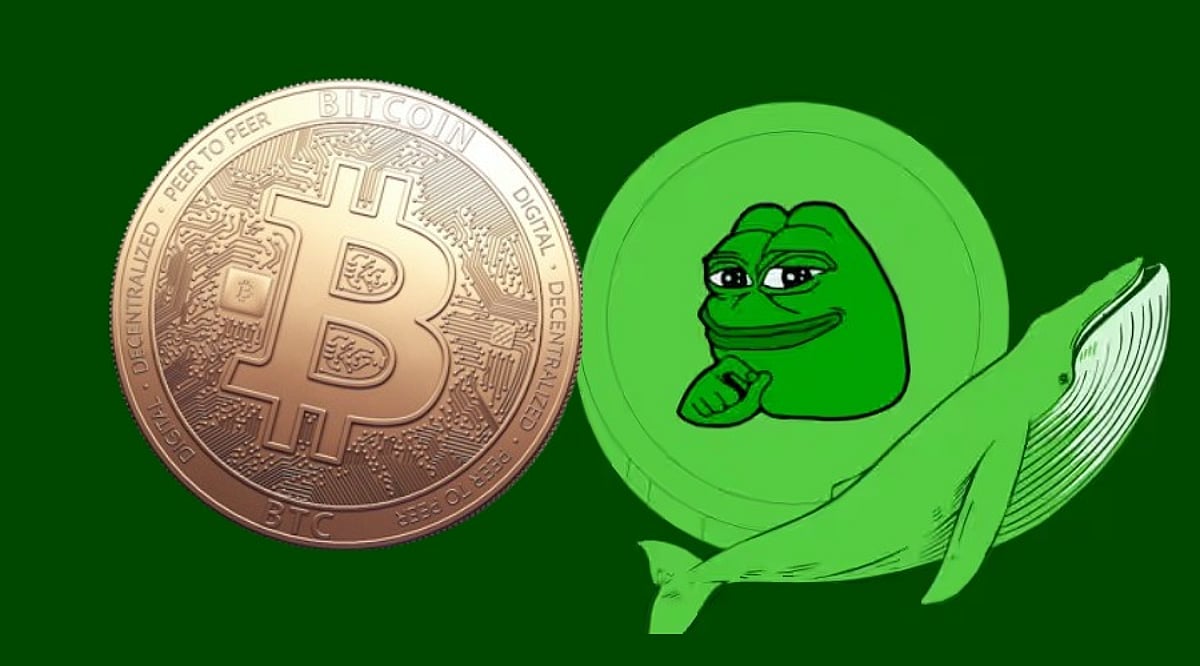
    Leading coins have posted impressive gains. Dogecoin rose over 20%, Shiba Inu gained 19.9%, and Pepe skyrocketed nearly 70%. This rebound comes after a brutal 65% decline that bottomed at a market cap of $35 billion on December 19, 2025.

    The rally is partly attributed to a shift in investor sentiment. The Fear and Greed Index flipped to neutral in January for the first time since October 2025, indicating growing confidence. Market analysts note that the bounce began after FUD (fear, uncertainty, doubt) reached peak levels among retail traders just after Christmas.

    Because memecoins are part of the larger altcoin ecosystem, their resurgence often foreshadows broader altcoin rallies. Historically, Solana’s blockchain has been the biggest beneficiary, hosting the highest concentration of memecoin transactions.

    Looking ahead, 2026 is expected to be a strong year for cryptocurrencies, with potential new all-time highs driven by clearer regulations and stable institutional engagement. However, geopolitical and macroeconomic uncertainties remain. Investors are advised to stick to their long-term strategies while remaining flexible.

    In summary, the memecoin market is clawing back as risk appetite returns. Traders should monitor volume and sentiment indicators, and remember that while recovery is underway, volatility isn’t gone.

  • 7 Red Flags to Spot Before Investing in Any Memecoin

    7 Red Flags to Spot Before Investing in Any Memecoin

    Memecoins can be tempting with their viral appeal and explosive price action, but they come with significant risks. Before you put your money into the next trending token, watch out for these seven warning signs that could signal trouble.

    1. Anonymous or Hidden Team

    If the team behind a memecoin is completely anonymous, there is little accountability. Developers can disappear after attracting investors or launch projects with questionable intentions. Always look for a known and verifiable team before investing.

    2. Extreme Hype and Social Media Frenzy

    Memecoins that rely heavily on social media hype can see prices skyrocket quickly, but the excitement can vanish just as fast. If the buzz is driven more by memes than by real utility, be prepared for a potential crash.

    3. Weak Liquidity

    Low liquidity means you may not be able to sell your tokens without causing a sharp price drop. This can leave you exposed during market swings, making it difficult to exit your position when you need to.

    4. Concentrated Holdings

    When a small number of wallets control a large share of the token supply, their selling decisions can lead to sudden and severe price declines. Check the distribution of tokens before buying to see if whales dominate the market.

    5. Locked Liquidity Concerns

    Unlocked or poorly managed liquidity pools allow developers or insiders to withdraw funds, creating a serious risk for buyers. Ensure that liquidity is locked and audited by a reputable third party.

    6. Unrealistic Promises

    Guaranteed returns, huge profits, or instant growth are red flags. Legitimate investments cannot promise predictable gains. If it sounds too good to be true, it probably is.

    7. Suspicious Token Contract

    Hidden fees, restricted selling, or unusual contract permissions can prevent you from trading freely after purchase. Always review the token’s smart contract and audit reports to ensure there are no hidden traps.

    Additionally, be wary of memecoins without a clear purpose, community, or development plan, as they may rely entirely on speculation. A sudden price surge without meaningful news or adoption could also indicate coordinated buying, making the token especially risky to chase.

    Stay informed and always do your own research before diving into the world of memecoins.

  • Bitcoin ETFs See $120M Outflows, LAPTOP Memecoin Crashes 95%, Pepe Whales Dump 80B Tokens

    Bitcoin ETFs See $120M Outflows, LAPTOP Memecoin Crashes 95%, Pepe Whales Dump 80B Tokens

    The cryptocurrency market witnessed several major developments recently, including significant outflows from spot Bitcoin ETFs, a dramatic collapse of a politically themed memecoin, large-scale selling by Pepe whales, a US Secret Service freeze on USDT, and a groundbreaking blockchain initiative for India’s grain storage network.

    Bitcoin Spot ETFs Record $120 Million in Net Outflows

    According to data from SoSoValue, Bitcoin spot ETFs saw a total net outflow of $120.24 million yesterday. The ETF with the highest net inflow was Morgan Stanley’s MSBT, which attracted $4.49 million, bringing its cumulative net inflow to $520.89 million. Conversely, Ark Invest and 21Shares’ ARKB experienced the largest net outflow of $77.98 million, though its historical net inflow remains at $1.39 billion. The total net asset value of all Bitcoin spot ETFs now stands at $99.33 billion, with an ETF net asset ratio of 6.31% and a historical cumulative net inflow of $55.45 billion.

    Hunter Biden’s LAPTOP Memecoin Collapses Over 95%

    The LAPTOP memecoin, named after Hunter Biden, lost more than 95% of its value within one hour of trading opening on the Base network. A wallet analysis by Bubblemaps revealed that 12,151 out of 15,206 buyers ended up losing money—roughly 80% of all purchasers. While 3,026 addresses turned a profit and 29 broke even or could not be assessed, the majority of losses were small: 11,311 wallets lost less than $1,000 each.

    Pepe Whales Sell 80 Billion Tokens

    Pepe (PEPE) remained under pressure, trading near $0.00000348 after failing to break through a key resistance level. On-chain data indicates that large holders have been reducing their positions. Wallets holding between 10 million and 100 million PEPE have collectively sold approximately 80 billion tokens since August 25. This distribution suggests profit-taking after a recent rally. Over the same period, smaller and mid-sized wallets (holding between 100,000 and 10 million PEPE) accumulated a combined 5.06 billion tokens.

    US Secret Service Freezes $52.8 Million in USDT

    The United States Secret Service froze $52.8 million in the stablecoin USDT across 52 wallets linked to Xinbi Guarantee, an illegal marketplace operating on Telegram. The operation was enabled by intelligence from blockchain analytics firm Elliptic and coordinated with the Office of Foreign Assets Control (OFAC), which designated the platform as a transnational criminal organization. Xinbi acted as an escrow service laundering proceeds from global fraud schemes, including pig butchering, processing over $24 billion since 2022.

    India’s $2 Billion Grain Network Goes On-Chain

    Arya.ag has begun recording data tied to approximately $2 billion in stored crops on an Avalanche-based blockchain for agricultural lenders in India. The system records grain deposits, electronic warehouse receipts, and loan status, enabling authorized lenders to verify crops offered as collateral. Infosys co-founder Nandan Nilekani announced the project at the Global Fintech Festival in Mumbai. The $2 billion figure represents the estimated value of crops held across Arya.ag’s warehouse network, not the value of loans recorded on the blockchain.

  • CASHCAT Surges 120% to $86M Market Cap as Robinhood Chain Deposits Rise and Bybit Launches Perpetual Contract

    CASHCAT Surges 120% to $86M Market Cap as Robinhood Chain Deposits Rise and Bybit Launches Perpetual Contract

    CASHCAT, the cat-themed memecoin on Robinhood Chain, has rebounded sharply to an $86 million market cap after a 120% weekly gain. The token’s price reached approximately $0.087 with a daily trading volume of $9 million, though it remains below its July peak of $0.22. Created by outside developers using Robinhood’s former cat-with-cash logo, the project is described by its website as ‘fan fiction with a ticker.’

    CASHCAT became Robinhood Chain’s first breakout memecoin within a week of the mainnet launch on July 1, with early wallets recording seven-figure returns during the initial surge. However, launch activity has since declined. The Noxa launchpad stopped accepting new launches on July 11 and went offline two days later, having earned an estimated $12 million in fees. Daily token deployments across Robinhood Chain launchpads fell from roughly 35,000 in mid-July to nearly 10,000. Noxa still holds about $137,000 in CASHCAT and has not sold.

    According to DEXTools data, there are approximately 41,200 holders, with the entire 989 million supply in circulation. The Uniswap liquidity pool holds 2.47% of the supply, while the next largest wallets each hold between 1.3% and 1.5%. The liquidity pool now contains $5 million, compared with $6.6 million when CASHCAT had a $105 million valuation.

    Robinhood Chain Activity Rises

    Robinhood Chain’s total value locked (TVL) reached $774 million after rising 20% in seven days. Lending protocols accounted for 43% of TVL, while asset management represented 41.5%. Key players include Morpho with $332 million (supporting Robinhood’s on-chain earn product) and Ethena with $236 million. Stablecoin balances grew 14% weekly to $575 million.

    Bybit Adds Leveraged Trading

    Bybit has introduced a CASHCAT perpetual contract with up to 10x leverage, further boosting trading activity. However, questions remain about trading momentum after Robinhood stops covering gas fees around late September. The chain’s stated tokenized-asset total stands at $27.6 million, while another active-market measure reached $100 million, up from about $70 million in late July. During that earlier period, about 12 tokenized stocks each recorded more than $500,000 in daily trading, with GameStop’s tokenized stock generating $26 million alone.

    CASHCAT’s recovery comes amid growing Robinhood Chain deposits and stablecoin balances, yet declining token launches and the impending end of subsidized gas fees represent key tests for the ecosystem’s sustainability.

  • Solana Memecoin Share Rebounds to 29% but Stablecoin Pairs Still Dominate DEX Volume

    Solana Memecoin Share Rebounds to 29% but Stablecoin Pairs Still Dominate DEX Volume

    According to Blockworks data, Solana memecoins captured 29% of spot decentralized exchange (DEX) volume from July 20 through July 26, marking their largest weekly share since August 2025. However, SOL-stablecoin pairs remained the leading category at 37%, while stablecoin swaps represented another 22%, collectively controlling 59% of the week’s volume.

    Memecoin Revival but Not the Leader

    Foreign tokens accounted for 5% of volume, while project tokens and tokenized assets each held 3%. This means memecoins ranked second across Solana’s spot DEXs. The question arises: can Solana still be considered a meme-dominated network when stablecoin-related activity controls the majority of trading volume?

    Despite that, the 29% meme share is a sharp recovery from the 10% to 15% range recorded just weeks earlier. The shift followed renewed speculation around ANSEM, also known as The Black Bull.

    ANSEM Drives Pump.fun Activity Higher

    ANSEM launched on Pump.fun in late June without a product, team, or roadmap. An anonymous developer sent a large supply share to Solana trader Ansem, who supported the token. He later pledged to distribute his Pump.fun creator fees to holders through weekly airdrops. This pledge, rather than a protocol feature, became the token’s central market narrative.

    ANSEM climbed about 18,000% within three days and reached a market value near $449 million on July 7. Pump.fun activity then began rising alongside the wider memecoin revival. DefiLlama data shows Pump.fun now routes about $614 million of Solana’s roughly $1.65 billion in daily DEX volume. The activity emerged while crypto sentiment remained in fear territory at 29.

    Stablecoins and Tokenized Assets Hold Ground

    Solana’s stablecoin supply crossed $15 billion in July and remained above that mark during the 2026 downturn. Stablecoins excluding USDC and USDT represented about $4.81 billion. Western Union deployed USDPT on Solana as a settlement layer, and B2C2 selected Solana as its primary stablecoin settlement network for clearing market activity.

    Solana hosts 2,582 tokenized real-world assets, more than any other chain by asset count, according to rwa.xyz. Their distributed value across the network exceeded $3.5 billion. Only Robinhood Chain has more asset holders, but its users largely come through one brokerage, while Solana’s holder base comes from a broader group of issuers. Meme volume moved from 29% to single digits and back within twelve months, while stablecoin supply and real-world asset counts continued rising through the market decline.

    Conclusion

    Solana’s July activity combined a strong memecoin rebound with deeper stablecoin and real-world asset usage. Memecoins reached 29% of weekly spot DEX volume, but stablecoin-related pairs controlled 59%. Meanwhile, stablecoin supply stayed above $15 billion and tokenized asset value exceeded $3.5 billion.

  • Dogecoin Gains 2% as $1.2 Billion Exits Binance Memecoin Market Amid Cooling Inflation

    Dogecoin Gains 2% as $1.2 Billion Exits Binance Memecoin Market Amid Cooling Inflation

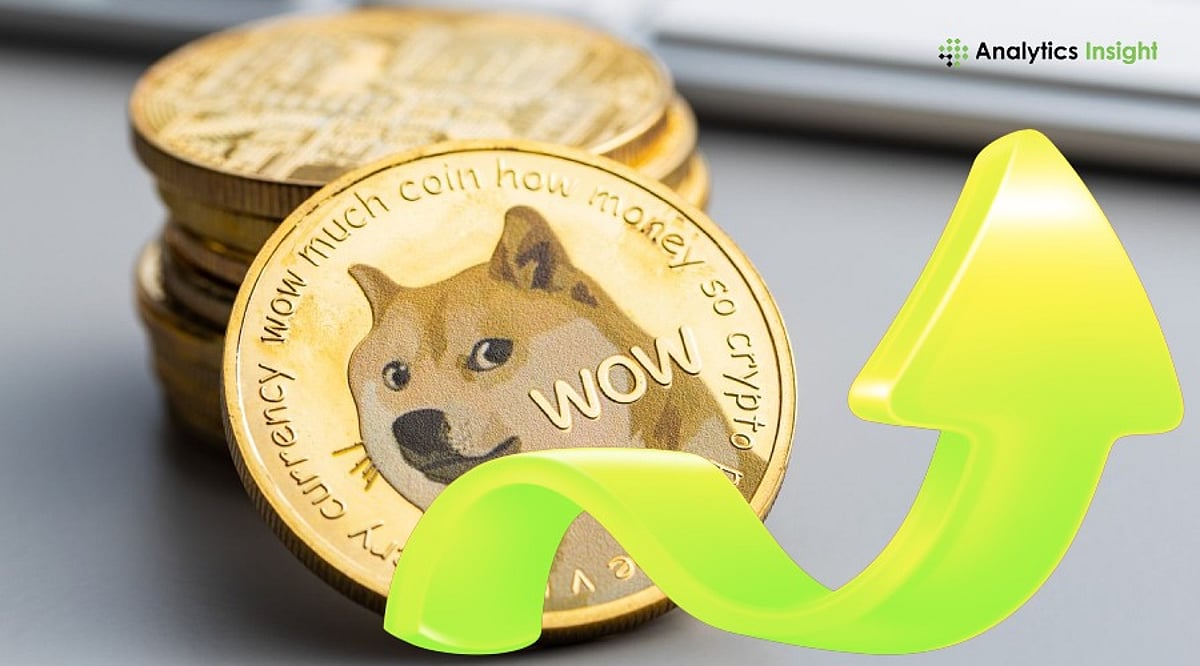
    Dogecoin (DOGE) has shown renewed strength, posting a modest price increase even as $1.2 billion in memecoins flowed out of Binance. The gain comes after lower-than-expected U.S. inflation data lifted sentiment across the cryptocurrency market, though traders remain cautious about the beleaguered memecoin sector.

    Binance Records $1.2 Billion in Memecoin Outflows

    Data from Binance reveals steady selling pressure on memecoins since Bitcoin’s peak in October 2025. Rather than a single sell-off, the market has experienced months of continuous exits, pushing billions out of popular meme-based cryptocurrencies. Dogecoin has not been immune: from its October 2025 high near $0.26, the coin has shed almost 73% of its value.

    The downturn has hit nearly every major memecoin. Shiba Inu has fallen roughly 69%, Pepe has dropped about 78%, and Bonk has plunged nearly 86% from its all-time high. These figures underscore how quickly investors flee highly speculative assets when confidence wanes.

    Inflation Data Provides a Tailwind

    The recent boost for Dogecoin followed the release of U.S. inflation figures that came in below economist expectations. Lower inflation often raises hopes that interest rates may not stay elevated for long, encouraging traders to return to riskier assets like cryptocurrencies. This shift in mood helped Bitcoin recover, and Dogecoin followed suit with a gain of just over 2%.

    Dogecoin Holds Key Support Level

    After months of pressure, Dogecoin has managed to stay above the $0.07 level multiple times. Each time the price approached this area, buyers stepped in to prevent a deeper decline. Market experts view this support as a sign that demand still exists despite prolonged selling. However, analysts caution that a single small rally does not confirm a full market turnaround.

    Investor Caution Persists

    Despite Dogecoin’s slight recovery, the overall mood around memecoins remains cautious. The $1.2 billion outflow from Binance indicates many investors still prefer safer assets. Memecoins now account for only about 3.7% of the total altcoin market, down sharply from the previous bull run when they attracted massive retail interest. Many traders have shifted focus to Bitcoin, Ethereum, and blockchain projects with tangible products or services.

    Strong Trading Volume and Whale Activity

    Nevertheless, Dogecoin continues to attract substantial daily trading volume—over $550 million—and holds a market cap above $11.5 billion, making it one of the largest cryptocurrencies. Earlier this month, nearly 4 billion DOGE tokens (worth around $300 million) were transferred from Binance to an unknown wallet, fueling speculation that investors are moving tokens into private storage.

    Why This Matters

    Dogecoin’s resilience amid a massive memecoin exodus positions it as the market’s primary risk gauge. Its ability to rally on cooling inflation while competitors flounder signals that interest hasn’t completely evaporated despite a punishing bear cycle.

    What Could Happen Next

    Dogecoin’s next direction depends on several factors: Bitcoin must maintain its strength, inflation data must remain supportive, and buyers must return with stronger demand. If these conditions align, DOGE could extend its recovery.

  • Trump’s $1.4 Billion Crypto Income Fuels Conflict-of-Interest Concerns

    Trump’s $1.4 Billion Crypto Income Fuels Conflict-of-Interest Concerns

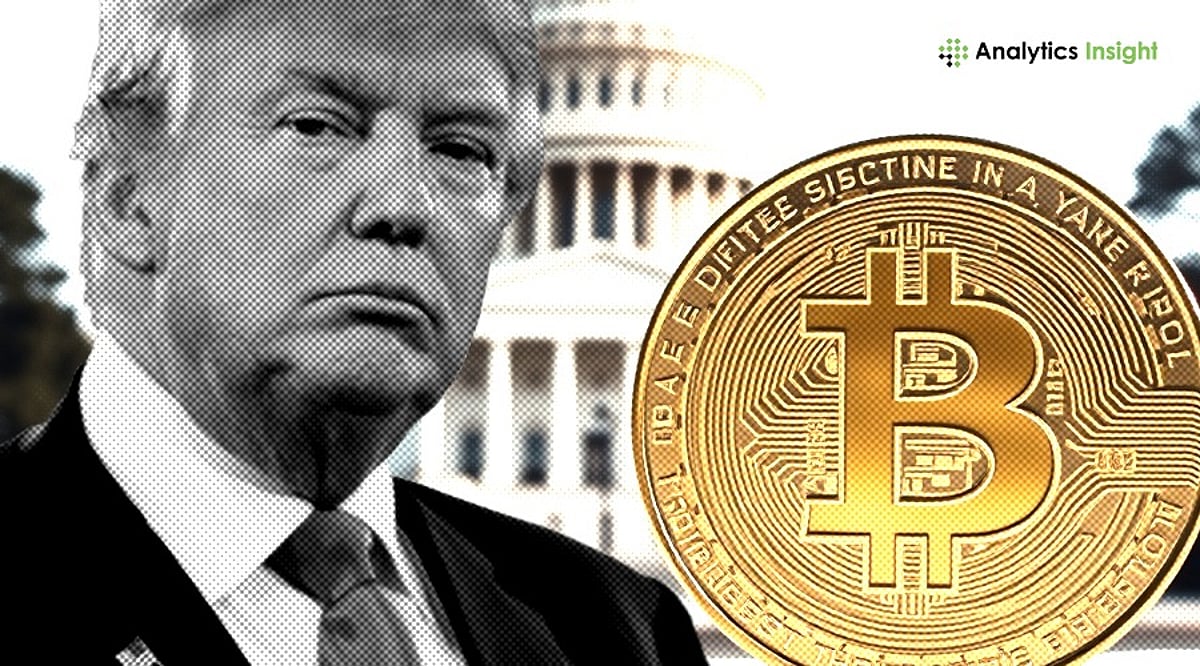
    President Donald Trump reported earning at least $1.4 billion in cryptocurrency-related income over the past year, according to a Bloomberg review of his latest annual financial disclosure. The filing connects his personal wealth to major digital asset ventures while his administration shapes federal crypto policy.

    Filing Details Trump’s Crypto Revenue

    The disclosure covers income linked to the TRUMP memecoin, World Liberty Financial tokens, Bitcoin, and other digital assets, though it does not provide a complete breakdown for every source. The TRUMP memecoin alone generated hundreds of millions of dollars, with its market price reacting to Trump’s public remarks, political events, and signals about federal crypto policy. World Liberty Financial, a Trump-linked decentralized finance project, also contributed heavily to the reported income and operates within policy areas covering stablecoins, token classification, trading access, and digital asset oversight. The project has pursued plans to make its governance token tradable, placing it within current debates on liquidity, digital asset trading, and regulatory classification.

    Policy Decisions Draw Greater Scrutiny

    The disclosure comes as the administration supports stablecoin legislation, tokenization, Bitcoin mining, and a softer approach toward federal crypto enforcement. The SEC and CFTC remain central to those policy decisions. Previously, BTCUSA reported that more than 20% of Trump administration officials held crypto assets, increasing attention on how officials manage investments while developing rules for the same market. Trump’s support for Bitcoin mining also attracted scrutiny after the purchase of MARA Holdings shares. The latest filing provides a broader view of his financial exposure to the cryptocurrency industry.

    The question now follows decisions involving enforcement, exemptions, token rules, and product approvals: How can federal regulators preserve public trust when presidential wealth depends heavily on the industry they oversee?

    Markets Monitor Political and Regulatory Links

    Crypto markets reacted cautiously to the disclosure, with the response following confirmation of the scale of Trump’s crypto income rather than any new revelations. The filing also renewed attention on links between Trump’s policy agenda and his family’s crypto ventures, covering memecoins, decentralized finance, stablecoins, token trading, and direct digital asset holdings. Critics have previously described the administration’s crypto-friendly approach as a potential conflict between policymaking and private financial interests. The disclosure gives lawmakers a specific income figure for further examination.

    The TRUMP memecoin gala had already drawn attention to the relationship between political access and cryptocurrency ownership. Now, the annual filing adds detailed financial context before the 2026 midterm elections. Meanwhile, federal agencies continue handling rules that can affect Trump-linked ventures and the wider market, including stablecoins, token classifications, enforcement priorities, trading permissions, and approvals for new crypto products.

    What’s Next?

    Trump’s $1.4 billion crypto income connects his personal wealth to memecoins, DeFi, Bitcoin, and federal digital asset policy. The disclosure increases scrutiny of regulatory independence and potential conflicts of interest. Investors and lawmakers should closely assess how future decisions may affect both public policy and Trump-linked ventures.


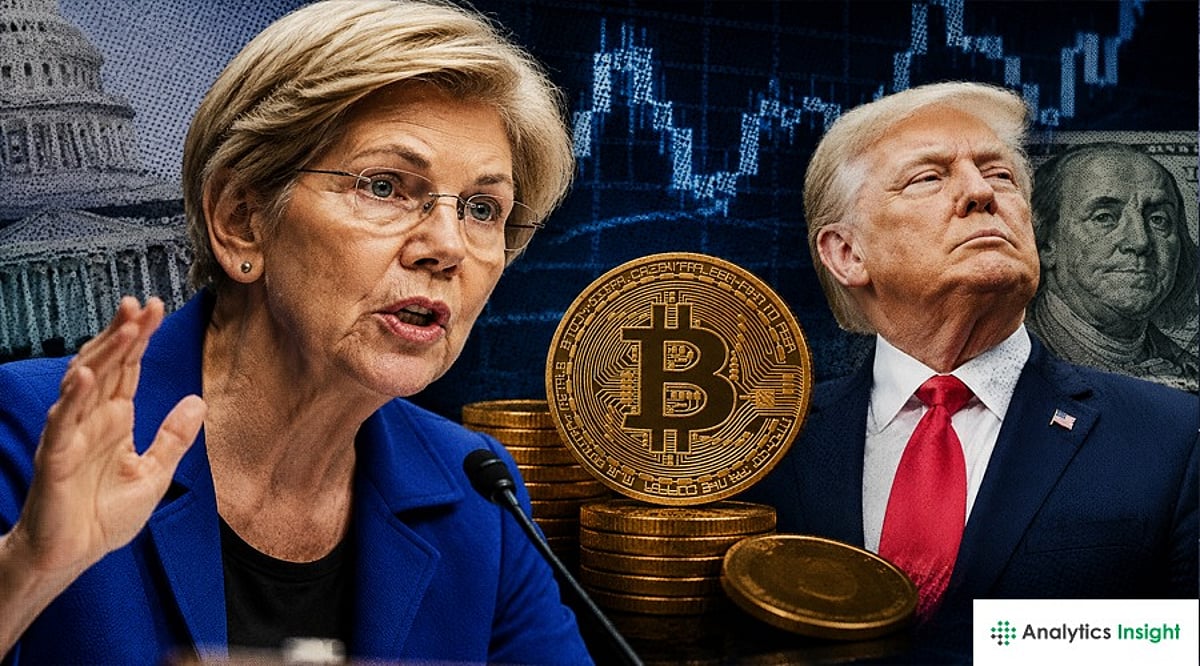
  • Elizabeth Warren Pushes for Stricter Crypto Rules Following Trump’s $1.4 Billion Digital Asset Income

    Elizabeth Warren Pushes for Stricter Crypto Rules Following Trump’s $1.4 Billion Digital Asset Income

    Senator Elizabeth Warren has renewed her call for stronger cryptocurrency regulations after President Donald Trump’s 2025 financial disclosure revealed over $1.4 billion in income from digital asset ventures. The disclosure has intensified debates over potential conflicts of interest and the need for oversight of crypto-related earnings by public officials.

    Warren Targets Crypto Legislation

    Warren urged Congress to tighten the CLARITY Act, arguing that the legislation should prevent sitting presidents and their families from profiting from cryptocurrency businesses while in office. She stated that the bill must stop Trump and his family from benefiting from crypto ventures, highlighting concerns about self-dealing and ethical breaches.

    Several public figures have also weighed in. Wall Street financier Steve Rattner criticized the Trump family’s involvement, while investment manager Lawrence Lepard warned that the disclosure could trigger political backlash against the crypto industry. Former White House lawyer Ty Cobb described the situation as ‘the greatest onslaught of corruption in the history of mankind,’ according to media reports.

    Details of the Financial Disclosure

    The annual filing with the U.S. Office of Government Ethics listed cryptocurrency as a major income source for Trump in 2025. The report showed that his crypto ventures generated between $1.2 billion and $1.4 billion. Key components included:

    • Over $520 million from token sales linked to World Liberty Financial, a venture co-founded by Trump and his sons.
    • Approximately $635 million in royalties from the Official Trump memecoin.
    • About $1.8 million in Ethereum validator rewards from staking.
    • Bitcoin holdings worth over $50 million stored in a cold wallet.

    The White House did not immediately respond to requests for comment.

    Crypto Policy Under Scrutiny

    Since returning to office in January 2025, Trump has implemented crypto-friendly policies, including plans for a national strategic cryptocurrency reserve and the first White House crypto summit. The SEC dropped its enforcement case against Coinbase, and Congress approved the GENIUS Act, which mandates stablecoins to maintain one-to-one backing with U.S. dollars.

    Warren and four other Democratic senators have requested hearings on the administration’s crypto activities, citing investments from the United Arab Emirates into World Liberty Financial and potential national security risks. They have called for administration officials to testify under oath as Congress continues reviewing digital asset legislation.