

Tag: memory shortage

  • Google Pixel 11 Price Hike Confirmed: Rising Memory Costs Drive Up Premium Model Pricing

    Google Pixel 11 Price Hike Confirmed: Rising Memory Costs Drive Up Premium Model Pricing

    Google’s upcoming Pixel 11 series is expected to launch with higher price tags, driven by surging costs of DRAM and NAND memory components. The price increase, which will primarily affect premium Pixel models, reflects the broader impact of a global RAM shortage on smartphone manufacturing.

    Memory Shortage Forces Google to Revisit Pricing

    Speaking to 9to5Google, Google’s Vice President of Devices and Services, Shakil Barkat, stated that the company absorbed rising component costs for as long as possible but could no longer shield consumers from the impact. Morgan Stanley’s data shows that the cost of 1GB of RAM has spiked from approximately $2.80 (around Rs. 270) in 2025 to $12 (around Rs. 1,200) this year.

    Memory vendors increased their prices following months of limited supply, resulting in higher production costs. Google is reportedly shifting some of the extra costs onto customers rather than shouldering the surge on its own. The company has notified its vendors about the planned price change for Pixel 11 phones.

    The Pixel 11 Pro, Pixel 11 Pro XL, and Pixel 11 Fold are among the devices expected to be affected. Google, however, has not officially confirmed the news yet.

    Premium Pixel Models Likely to Be Hit Hardest

    The new prices are unlikely to apply uniformly across the entire lineup. Models equipped with higher RAM capacities are expected to see the biggest impact since premium memory modules have experienced steeper changes than entry-level components.

    The standard Pixel 11 will reportedly launch in the EU and the UK at starting prices of EUR 999 (approximately Rs. 1,08,000) and GBP 879 (about Rs. 1,12,000), respectively, for the base variant of 256GB storage.

    The report indicates that Google is evaluating different pricing strategies depending on regional markets, component availability, and storage configurations before finalizing launch prices. Despite the anticipated increase, the Pixel 11 family is still expected to retain Google’s focus on AI-powered experiences, advanced computational photography, and deep integration with Android’s latest software features.

    The Google Pixel 11 series will be launched in select global markets on August 12 at 3 pm PT (August 13 at 3:30 am IST) during the Made by Google event.
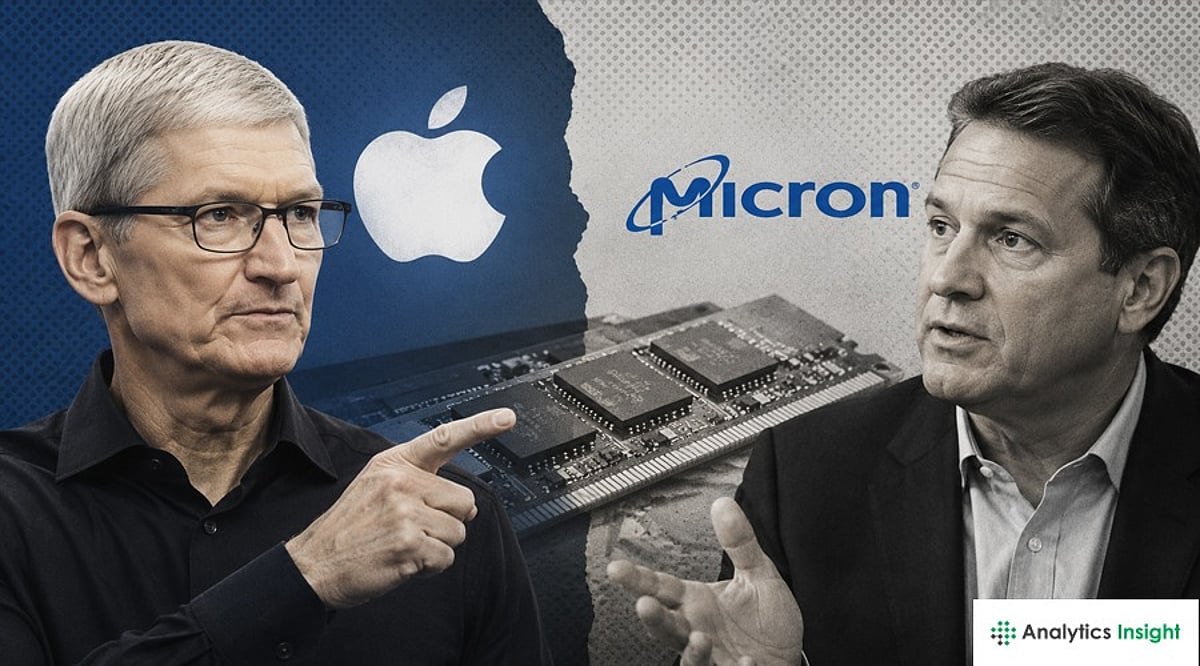
  • Apple MacBook and iPad Price Hikes Stir Supplier Tensions; Micron Points to 2023 Pricing Pressure

    Apple MacBook and iPad Price Hikes Stir Supplier Tensions; Micron Points to 2023 Pricing Pressure

    Apple has raised prices across several MacBook, iPad, Apple TV, HomePod, and Vision Pro models, attributing the increases to soaring memory and storage costs driven by AI data center demand. The company announced the broad price hikes on June 25, affecting multiple hardware products while leaving iPhone prices unchanged. According to Apple, the rapid expansion of AI infrastructure has created exceptional demand for memory and storage chips, reducing available supply for consumer electronics.

    CEO Tim Cook described the current market conditions as unlike anything Apple has experienced before. He stated, “There’s less supply at a time when consumers want devices and the memory guys are passing along huge price increases.” Cook also called the situation “unavoidable” and “unsustainable.”

    Market data supports the broader supply trend. Research firms report that memory and storage prices are now roughly four times higher than they were several quarters ago. TrendForce estimates memory chip prices rose by as much as 98% during the first quarter of 2026 and could increase by another 58% to 63% in the following quarter. Those higher component costs have reached consumers: the MacBook Neo increased from $599 to $699, while several MacBook and iPad models received price increases ranging from $100 to $300. Apple also confirmed that the affected devices did not receive additional memory or storage upgrades despite the higher prices.

    Micron Points to Pricing Pressure During the 2023 Downturn

    Shortly after Apple’s announcement, Micron Chief Business Officer Sumit Sadana offered a different explanation for today’s supply constraints in an interview with The Wall Street Journal. He said some major customers pushed suppliers to accept extremely low prices during the memory market collapse in 2023. Sadana stated, “We told a couple of the customers who were being very aggressive with pricing at that time that this is not constructive.” He added that poor pricing and weak margins forced many companies across the industry to reduce investment in new production capacity.

    Although Sadana never identified Apple by name, Apple is widely known for negotiating long-term supply agreements and purchasing large volumes of memory components. During 2023, Micron reported deeply negative margins as the memory market experienced one of its weakest periods in recent years. The company has since recovered, reporting strong quarterly financial results with revenue rising sharply alongside improved profitability. Its shares climbed after the earnings report, while Apple’s stock declined following the announcement of higher product prices.

    Supply Constraints May Continue Beyond 2027

    Industry analysts say both explanations reflect different parts of the same market cycle. AI servers require high-bandwidth memory, which uses far more manufacturing capacity than standard memory found in smartphones and laptops. As more production shifts toward AI hardware, fewer chips remain available for consumer devices. Meanwhile, reduced investment during the 2023 downturn limited the industry’s ability to expand manufacturing before AI demand accelerated. New semiconductor facilities require several years to build and reach full production, meaning additional capacity cannot arrive quickly.

    Apple has reportedly begun seeking additional memory suppliers, including Chinese manufacturer CXMT, to improve future supply. However, Tim Cook said Apple has no plans to enter the memory business itself. Several analysts expect memory costs to remain elevated through at least 2027. Research firms also estimate memory could account for a much larger share of smartphone production costs over the next two years, leading some industry observers to expect future iPhone price increases if current market conditions continue.

    Related Articles

    • Apple Stock Slides 6% After MacBook and iPad Price Hikes Worldwide
    • US Stock Market Today: NASDAQ Falls as Apple Slides Nearly 5% While Dow Surges 598 Points to Record High
    • Micron Stock Surges 16% After $9.8B Revenue Beat and $22B AI Supply Deals
    • US Stock Market Today: S&P 500 Rises as Oil Prices Slide and Investors Await Micron’s Earnings Report
    • US Stock Market Today: S&P 500 and NASDAQ Slide as Micron Leads Global Chip Stock Sell-Off