Tag: Mercedes-Benz

  • Top 10 Autonomous Vehicles Defining 2026

    Top 10 Autonomous Vehicles Defining 2026

    The autonomous vehicle landscape is accelerating rapidly in 2026, with major players expanding their fleets, entering new markets, and pushing the boundaries of what driverless technology can achieve. From ride-hailing services to consumer cars and autonomous trucks, here are ten vehicles and platforms that are shaping the future of transportation this year.

    1. Waymo One

    Waymo One leads the driverless ride-hailing segment, now operating fully autonomous services across 14 U.S. cities, including newer markets such as Denver, San Diego, and Tampa. The company is also preparing to expand into Germany, signaling its global ambitions.

    2. Tesla Model 3 and Model Y with FSD

    Tesla’s Full Self-Driving (FSD) system remains one of the most widely deployed advanced driving solutions. While the system can handle turns, lane changes, and navigation, Tesla still requires active driver supervision. The Model 3 and Model Y are the primary vehicles showcasing this technology.

    3. Mercedes-Benz DRIVE PILOT

    Mercedes-Benz DRIVE PILOT stands out as a regulated Level 3 automated driving system. Available on select S-Class and EQS models, it uses LiDAR and other sensors to provide automated driving in approved highway conditions, setting a benchmark for consumer-grade autonomy.

    4. Pony.ai Robotaxi

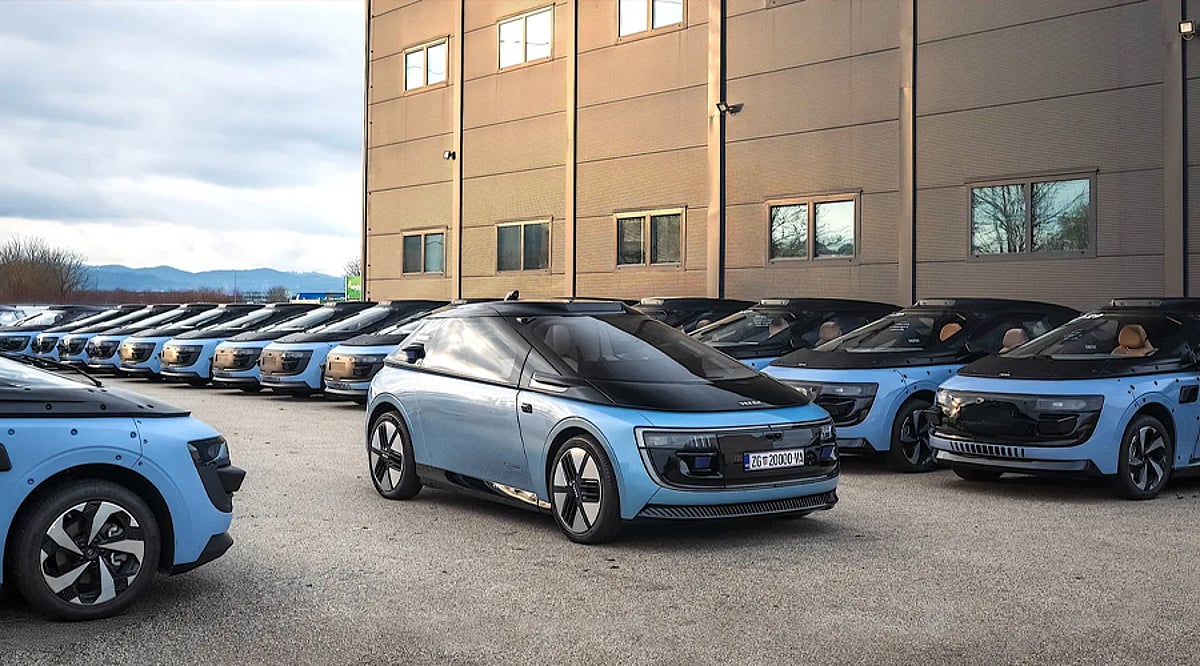
    Pony.ai is rapidly expanding its robotaxi service across China and international markets. The company launched commercial operations in Zagreb, Croatia, and aims to deploy thousands of vehicles as it scales its autonomous fleet globally.

    5. Wayve-Powered Vehicles

    Wayve, a UK-based startup, has partnered with Uber to launch supervised autonomous rides in London as of September 2026. This marks a significant milestone for European robotaxi services, bringing autonomous technology to busy urban streets.

    6. Aurora Driver Trucks

    Aurora is proving that autonomy extends beyond passenger cars. Its self-driving trucks now operate without any human in the driver’s seat, and the company plans to scale its commercial fleet throughout 2026, targeting logistics and freight applications.

    7. Zoox Robotaxi

    Zoox takes a unique approach with a purpose-built vehicle designed for driverless ride-hailing. The cabin features face-to-face seating and no steering wheel. The company is now preparing for larger-scale production, aiming to redefine urban mobility.

    8. Baidu Apollo Go

    Baidu Apollo Go is one of China’s largest autonomous mobility platforms. By 2026, it has expanded to 28 cities and accumulated over 350 million autonomous kilometers, including more than 240 million fully driverless kilometers, making it a dominant player in the region.

    9. BMW iX and Advanced ADAS

    The BMW iX, along with other models featuring advanced driver-assistance systems (ADAS), represents the next step for consumer vehicles. Systems like BMW’s Driving Assistant Professional offer hands-free assistance on approved roads, bringing near-autonomous capabilities to everyday drivers.

    10. NIO and XPeng EVs

    Chinese automakers NIO and XPeng are pushing navigation and driver-assistance technology with AI-powered systems. Their vehicles highlight how Chinese manufacturers are competing globally, integrating advanced automation into mainstream electric cars.

  • 7 Major Manufacturers Deploying Humanoid Robots on Factory Floors in 2026

    7 Major Manufacturers Deploying Humanoid Robots on Factory Floors in 2026

    Humanoid robots are no longer confined to research labs—they are now working alongside human employees in real manufacturing environments. Seven leading global manufacturers have already deployed or are actively testing humanoid robots for factory operations, material transport, and production support. Rapid investment and expanding robot production signal a major shift in industrial automation.

    Humanoid Robots in Manufacturing: A New Era

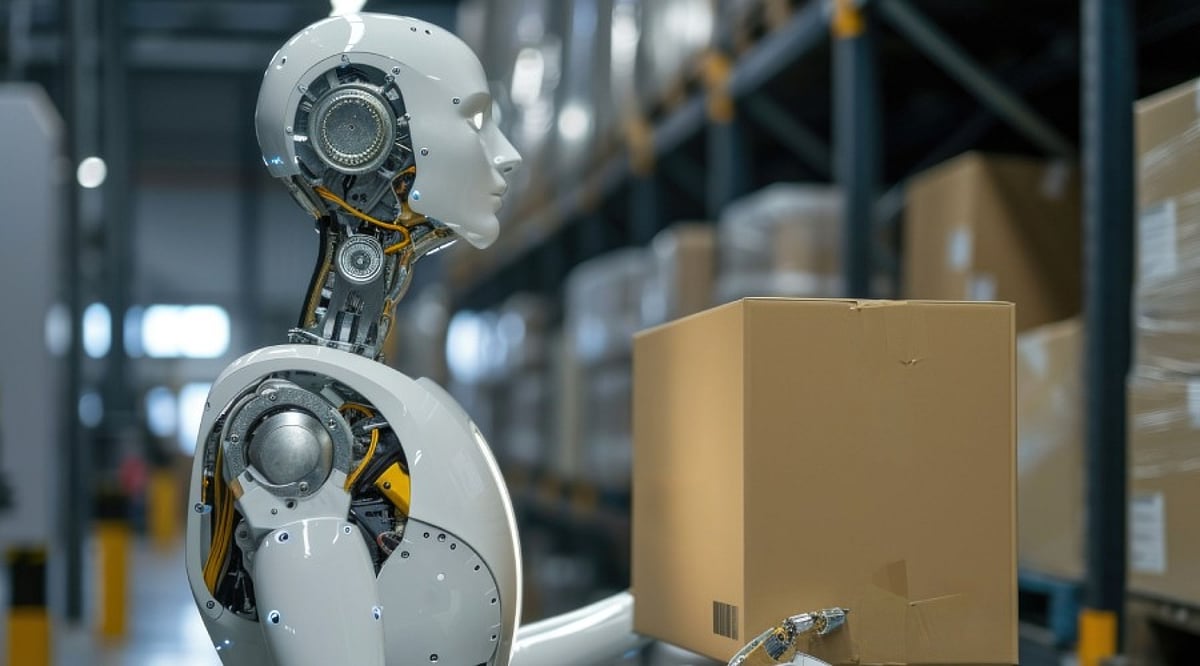
    Factories have relied on machines for decades, but humanoid robots mark a significant evolution. Unlike traditional robotic arms fixed in place, humanoid robots can walk, carry objects, pick up parts, and operate in spaces designed for human workers. Their human-like shape allows them to integrate into existing production lines without requiring major factory redesigns.

    Many global manufacturers have already moved from trials to commercial deployments. These robots handle repetitive, physically demanding, and time-consuming tasks, complementing human workers rather than replacing them. As artificial intelligence improves, humanoid robots are expected to become a regular part of factory operations.

    BMW Uses Figure Humanoid Robots on Production Floor

    BMW Group became one of the first major car manufacturers to place humanoid robots inside an active factory. Partnering with Figure AI, BMW tested Figure robots at its Spartanburg manufacturing plant in South Carolina. The initial deployment focused on repetitive tasks such as moving components between workstations and handling parts before assembly. After successful trials, BMW expanded the partnership with the latest Figure 03 humanoid robot. The deployment supported the production of more than 30,000 BMW X3 vehicles, proving that humanoid robots can operate safely alongside factory employees.

    Mercedes-Benz Expands Factory Automation with Apollo

    Mercedes-Benz has partnered with Apptronik, the company behind the Apollo humanoid robot, to enhance factory logistics. Apollo robots transport components, move materials across production areas, and complete repetitive internal tasks. Mercedes-Benz also invested in Apptronik to accelerate commercial development. The company now uses Apollo robots at its Berlin Digital Factory Campus, where engineers continue testing new manufacturing applications before wider deployment across additional factories.

    Tesla Develops Optimus for Its Own Factories

    Tesla follows a unique strategy by designing and building its own humanoid robot, Optimus. Instead of purchasing robots from another company, Tesla develops both the hardware and the artificial intelligence system. Optimus handles material transport and repetitive manufacturing jobs inside Tesla facilities. The company continues to expand robot production as development progresses. Tesla views its factories as the first large-scale workplace for Optimus before the robot enters other industries.

    Hyundai Prepares Atlas for Future Vehicle Production

    Hyundai Motor Group plans to introduce Boston Dynamics’ Atlas humanoid robot into manufacturing over the next few years. The first major deployment is expected at Hyundai’s Georgia Metaplant by 2028. Atlas will support tasks requiring movement across factory floors, component transport, and production assistance. Industry estimates place the cost of each Atlas robot at around $130,000, with an expected return on investment of roughly two years through improved productivity and lower operating costs.

    Jabil Tests Apollo Inside Electronics Manufacturing

    Electronics manufacturer Jabil is working with Apptronik to evaluate Apollo humanoid robots inside production facilities. Unlike automotive factories, electronics manufacturing often requires frequent movement of materials between different production stations. Apollo helps with repetitive logistics tasks that normally consume valuable employee time. These real-world tests allow both companies to collect operational data before larger commercial deployment. Jabil’s role as one of Apptronik’s primary manufacturing partners provides valuable feedback to improve robot performance for future customers.

    Magna International Evaluates Phoenix for Industrial Work

    Automotive supplier Magna International has partnered with Sanctuary AI to explore the use of the Phoenix humanoid robot in manufacturing. The partnership focuses on industrial production support across automotive operations. Phoenix performs repetitive factory duties, including moving materials and assisting with production activities. Magna’s evaluation reflects a growing trend among global suppliers seeking practical automation solutions without major factory redesign.

    Schaeffler Adopts Digit for Factory Logistics

    Industrial manufacturer Schaeffler has introduced Agility Robotics’ Digit humanoid robot to support factory logistics. Digit transports materials between work areas and completes repetitive movement tasks inside industrial facilities. Agility Robotics reports more than 65,000 operational hours for Digit across manufacturing and logistics environments. The company has also secured over $300 million in conditional multi-year orders for the next-generation Digit V5 robot, demonstrating strong commercial demand. To support future growth, Agility Robotics opened a 60,000-square-foot research and training center in California.

    Humanoid Robots Gain Momentum in Factories

    The rapid increase in humanoid robot utilization means manufacturing has emerged as the largest market for this innovative technology. Factory environments are highly structured, allowing robots to perform tasks accurately and efficiently. Companies like BMW Group, Mercedes-Benz, Tesla, Hyundai Motor Group, Jabil, Magna International, and Schaeffler have already started factory trials, commercial deployments, and long-term production programs.

    The market is developing rapidly. Apptronik recently opened a 90,000-square-foot Robot Park to prepare Apollo for large-scale manufacturing deployment. At the same time, XPeng, a Chinese car manufacturer, plans to produce over 1,000 humanoid robots per month by 2026, indicating that production capabilities are increasing.

    Humanoid robots have not yet reached full maturity, but effective factory applications already exist. If artificial intelligence progresses further and production costs decrease, the role of humanoid robots will significantly rise in the years to come.

    Frequently Asked Questions

    1. Which company first deployed Figure humanoid robots in manufacturing? BMW Group deployed Figure humanoid robots at its Spartanburg plant to support material handling and production tasks.
    2. What factory tasks do humanoid robots usually perform? Most humanoid robots transport materials, move components, handle repetitive jobs, and assist with production logistics.
    3. Why do manufacturers prefer humanoid robots? Their human-like design allows them to work inside existing factories without major changes to production layouts.
    4. Which industries currently use humanoid robots the most? The automotive and electronics manufacturing industries lead commercial adoption due to their structured factory environments.
    5. Are humanoid robots replacing factory workers? Current deployments mainly support repetitive and physically demanding tasks, while human workers continue to manage skilled, complex, and decision-based operations.

  • Top Electric Vehicle Makers to Track in 2026

    Top Electric Vehicle Makers to Track in 2026

    The electric vehicle (EV) landscape is evolving rapidly, with several manufacturers poised to make significant strides by 2026. From established giants to ambitious newcomers, these companies are driving innovation in battery technology, autonomous driving, and global market expansion. Here are the key EV manufacturers to watch.

    • Tesla – Continues advancing autonomous driving, battery innovation, and global manufacturing while expanding affordable electric vehicle options across major international markets.
    • BYD – Dominates electric vehicle production through vertically integrated manufacturing, advanced battery technology, and rapidly growing exports across Europe and emerging regions.
    • Rivian – Focuses on premium electric trucks and SUVs while expanding commercial delivery partnerships and improving manufacturing efficiency for sustainable long-term growth.
    • Hyundai – Strengthens its EV lineup with dedicated electric platforms, competitive pricing, longer driving ranges, and advanced connectivity features for global customers.
    • Kia – Expands affordable electric mobility through stylish models featuring fast charging, practical interiors, improved software integration, and strong worldwide consumer demand.
    • BMW – Combines luxury engineering with electrification by introducing premium electric sedans, SUVs, and high-performance models featuring innovative digital technologies consistently.
    • Mercedes-Benz – Accelerates premium electric mobility through advanced battery platforms, intelligent software ecosystems, and luxury-focused design for discerning global buyers everywhere.
    • Lucid Motors – Impresses with long-range luxury electric sedans featuring high efficiency, premium interiors, and innovative engineering targeting premium automotive markets worldwide.
    • VinFast – Expands internationally with competitively priced electric vehicles, aggressive manufacturing investments, and customer-focused strategies supporting rapid global brand recognition successfully.

    These manufacturers represent the forefront of EV innovation and are set to shape the industry in 2026 and beyond.

  • Record-Breaking Auction Cars: The Top 10 Most Expensive Vehicles Ever Sold

    Record-Breaking Auction Cars: The Top 10 Most Expensive Vehicles Ever Sold

    Mercedes-Benz and Ferrari dominate the list of the world’s highest-valued auction cars, reflecting their unmatched motorsport legacy and rarity. The Mercedes-Benz 300 SLR Uhlenhaut Coupe remains the most expensive auction car, valued at approximately $143 million (Rs. 1,225 crore). Factors such as rarity, provenance, originality, and racing history continue to drive record-breaking valuations in the collector car market.

    The world’s most valuable cars are not modern hypercars but historic racing machines with unmatched rarity and provenance. From Mercedes-Benz to Ferrari, these automobiles have rewritten auction records by commanding prices that exceed the value of luxury mansions, private jets, and even works of art.

    There have been many record-breaking auctions of cars in the last few decades where the price has crossed $50 million for a select few cars. Mercedes-Benz currently owns the top two slots, whereas Ferrari occupies as many as seven spots. Here’s a look at the 10 most expensive cars ever auctioned, along with their approximate values in Indian rupees.

    Top 10 Most Expensive Auction Cars

    INR values are approximate, based on an exchange rate of 1 USD ≈ Rs. 85.65

    1. Mercedes-Benz 300 SLR Uhlenhaut Coupe – $143 million (Approx. Rs. 1,225 crore)
      The 1955 Mercedes-Benz 300 SLR Uhlenhaut Coupe is the world’s most expensive car sold at auction. The name ‘Uhlenhaut’ honors Mercedes engineer Rudolf Uhlenhaut, and the car was built on the success of Mercedes’ racing program. Only two units have been produced, making it one of the rarest cars in the world.
    2. Mercedes-Benz W 196 R Stromlinienwagen – $53 million (Approx. Rs. 454 crore)
      The sleek W 196 R set a record in 2025, becoming the second most expensive auction car. This Formula One race car was driven by legends Juan Manuel Fangio and Stirling Moss.
    3. Ferrari 330 LM/250 GTO – $51.7 million (Approx. Rs. 443 crore)
      Considered one of the finest cars from Maranello, it is the only first-series GTO fitted with a 4.0-liter V12 designed for Le Mans. Its legacy, scarcity, and originality have made it the most expensive Ferrari ever auctioned.
    4. Ferrari 250 GTO (3413 GT) – $48.4 million (Approx. Rs. 415 crore)
      With only 36 Ferrari 250 GTOs ever produced, every surviving example is a collector’s dream. Chassis 3413 GT set an auction benchmark in 2018 thanks to its documented racing history and exceptional condition.
    5. Ferrari 250 GTO (3729 GT) – $38.5 million (Approx. Rs. 330 crore)
      This 1962 Ferrari 250 GTO in Bianco Speciale livery sold in 2026. It is largely original with a well-proven ownership history, making it one of the finest 250 GTOs.
    6. Ferrari 250 GTO (3851 GT) – $38.1 million (Approx. Rs. 327 crore)
      Before newer records, chassis 3851 GT was the world’s most expensive auction car. Its competition history and originality keep it among the most valuable collector cars.
    7. Ferrari 250 LM – $36.3 million (Approx. Rs. 311 crore)
      Launched in 1964, the Ferrari 250 LM helped Ferrari achieve its final win at the 24 Hours of Le Mans in 1965. Its racing prowess and low production numbers drive its increasing value.
    8. Ferrari 335 S Spider Scaglietti – $35.7 million (Approx. Rs. 306 crore)
      Featuring a 4.1-liter V12 engine, this is one of the fastest sports race cars ever. It was driven by Stirling Moss and Mike Hawthorn.
    9. Ferrari 412P Berlinetta – $30.3 million (Approx. Rs. 260 crore)
      Designed for private teams in endurance races, its limited production, original factory configuration, and racing history make it one of the most expensive Ferraris sold at auction.
    10. Mercedes-Benz W196 Formula One Car – $29.6 million (Approx. Rs. 254 crore)
      Crucial to F1 in the mid-1950s, this car driven by Juan Manuel Fangio to multiple victories is a technical achievement and one of the most important Grand Prix cars ever.

    Why Are These Cars Worth Hundreds of Crores?

    Several factors separate these automobiles from ordinary collector cars: rarity, documented ownership history, racing achievements, original components, historical importance, and overall condition. These elements combine to create extraordinary value.

    Final Take

    The world’s most costly auction cars are not just collector cars; they are automotive history. Mercedes-Benz holds the top two spots, while Ferrari dominates with seven of the top ten. As museum-quality classic cars become rarer, collector interest will keep rising. Cars with winning race histories, great provenance, and limited production may set more records and become the most costly tangible assets in the luxury world.

    FAQs

    1. Which is the most expensive auction car ever? The Mercedes-Benz 300 SLR Uhlenhaut Coupe tops the list at $143 million.
    2. Why are Ferrari 250 GTOs so valuable? Limited production, proven racing pedigree, historical significance, exceptional engineering, and strong collector demand.
    3. Which brands dominate expensive car auctions? Mercedes-Benz and Ferrari dominate thanks to legendary racing heritage, engineering excellence, rarity, and enduring demand.
    4. What factors determine a classic car’s auction value? Rarity, documented ownership history, racing achievements, original components, historical importance, and overall condition.
    5. Are classic cars considered good investments? Museum-quality classic cars with proven provenance, limited production, and historic significance often appreciate over time.