Tag: Meta AI

  • Meta Muse AI Still Unavailable in India: VPN Risks, Pricing, and Alternatives

    Meta Muse AI Still Unavailable in India: VPN Risks, Pricing, and Alternatives

    Meta’s new AI agent, Muse, is not available in India. For now, only adults in the US and Canada can use it. Meta launched Muse in the US on September 8 and expanded access to Canada on September 18. The company has not announced when — or if — India will get access.

    What Makes Muse Different From Meta AI?

    Muse is not the same as Meta AI, which Indian users already have through WhatsApp, Instagram, and Facebook. Meta AI mostly answers questions. Muse goes further: it runs on its own cloud computer and browser, and it can complete tasks across different apps. It keeps working even after someone closes the app, and it asks for approval before doing things like sending an email or making a purchase.

    Why VPN Workarounds Are Risky

    Some online suggestions claim that using a US-based VPN can help Indian users reach the Muse website. That approach is not safe. Meta’s terms require users to be physically located in a country where Muse operates. A VPN does not change a person’s actual location, so using one violates the rule. Anyone who tries it risks having their linked Meta account suspended.

    Phones make this even harder. Whether Muse appears in the App Store or Google Play depends on the account’s region settings. The app is not listed on the Indian App Store at all.

    Muse Pricing

    • Free plan: limited use
    • Power plan: USD 20 per month (around Rs. 1,900)
    • Max plan: USD 100 per month (around Rs. 9,500)

    Both paid plans are billed through Apple or Google. The shopping and payment features inside Muse currently work only for US users.

    What Indian Users Can Use Instead

    For those who want a taste of the technology behind Muse, the underlying model, called Muse Spark 1.3, is available through OpenRouter. Users pay per token. This provides access to the model, not the full Muse agent experience with tasks and browsing.

    Meta AI remains the practical option for Indian users on Meta’s own platforms.

    Will Muse Come to India?

    Meta says Muse will reach more countries over time, but it has not confirmed a date for India. Anyone tempted to try unofficial workarounds should weigh the risk to their Meta accounts against the limited benefit they would actually gain.

  • Meta Ray-Ban Audio Launches at $349: Camera-Free AI Glasses Prioritize Privacy and Audio

    Meta Ray-Ban Audio Launches at $349: Camera-Free AI Glasses Prioritize Privacy and Audio

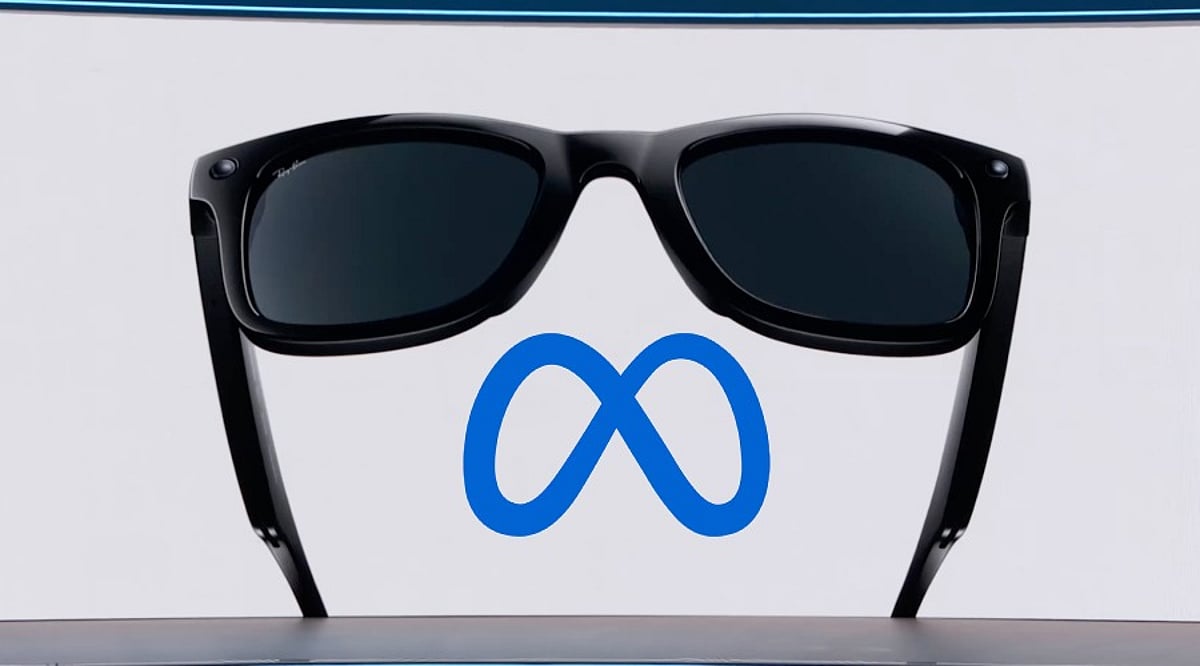
    Meta has introduced the Ray-Ban Meta Audio, its first camera-free AI glasses, priced at USD 349. The device was unveiled at Meta Connect 2026 on September 23, addressing growing privacy concerns around wearable cameras. Instead of capturing images, these glasses focus on audio, calls, and Meta AI assistance.

    Developed in partnership with EssilorLuxottica, the Ray-Ban Meta Audio glasses weigh just 43 grams and offer up to 12 hours of battery life on a single charge. The included charging case extends total usage by an additional 48 hours. Users can listen to music, podcasts, make calls, and engage in hands-free conversations with Meta AI.

    Meta also brings its Muse personal AI agent to the new glasses. Muse can answer questions and help with everyday tasks, providing AI assistance without a camera. The glasses come in Clubmaster and Burbank designs, with 23 color and lens combinations. Both styles support a wide range of prescription options, giving the camera-free AI glasses a conventional eyewear appearance.

    Privacy is central to the product’s positioning, as camera-equipped smart glasses face increasing scrutiny. Critics have raised concerns about recording people without clear consent. Meta’s vice president of AI product, Vishal Shah, emphasized the importance of the recording indicator light, which signals when cameras are active. Removing the camera eliminates photo and video capture, though microphones remain, keeping audio recording and consent considerations relevant.

    Meta continues to offer camera-equipped smart glasses. The company also launched the Ray-Ban Meta Gen 3, which features a 12MP camera and 3K Ultra HD video, starting at USD 449 with up to nine hours of battery life. The two models expand Meta’s smart glasses lineup into distinct use cases: Ray-Ban Meta Audio prioritizes audio and AI, while Gen 3 retains photography and video features. The camera-free model offers a privacy-focused direction for wearable AI.

    Pre-orders for the Ray-Ban Meta Audio began September 23, with shipping starting October 13, 2026.

  • Meta AI in 2026: Full Breakdown of Features, Models, Apps, and Real-World Use Cases

    Meta AI in 2026: Full Breakdown of Features, Models, Apps, and Real-World Use Cases

    Meta AI has evolved far beyond a simple chatbot. In 2026, the platform integrates advanced models, personal agents, creative tools, coding assistance, and AI glasses into a unified ecosystem capable of answering questions and handling real-world tasks.

    Key Takeaways

    • Muse: Meta’s new personal AI agent can handle research, shopping, email, and online forms.
    • Muse Models: Muse Spark, Muse Image, Muse Video, Muse Code, and Muse Glimmer expand Meta’s AI capabilities.
    • AI Ecosystem: Meta connects AI across its apps, developer tools, subscriptions, and smart glasses.

    Meta AI Across Apps

    Meta AI works across WhatsApp, Instagram, Messenger, Facebook, the web, iOS, Android, and the Meta AI Mac app. The assistant can answer questions, write text, review files, study images, create images, support voice chats, and help with research. It can also create documents, presentations, and plans.

    Deep Research adds a more advanced research mode. Meta AI can form a research plan, search sources, combine facts, and produce a report with citations. Public posts from Instagram, Facebook, and Threads can also add social context to some answers.

    Muse Spark Leads the New Model Stack

    Muse Spark now sits at the center of Meta’s latest AI model strategy. Muse Spark 1.1 arrived in July 2026 with stronger logic, software skills, tool use, computer use, and multimodal skills. Meta released Muse Spark 1.2 in August, with Muse Code as a major developer tool.

    Muse Spark 1.3 arrived on September 2, 2026. Meta says the model handles long tasks, software work, messy inputs, multimodal data, and real-world computer use with better context control. The model can work with images, video, and documents.

    Muse Turns AI into an Agent

    A major Meta AI shift came on September 8, 2026, when Meta introduced Muse as a personal AI agent. A normal chatbot waits for a prompt and returns an answer. Muse can take a goal, form a plan, use a browser, interact with websites, and carry out parts of a task.

    Muse can send emails, book travel, fill out forms, shop, research projects, and handle longer tasks. It can keep work active after a user leaves the app and return when a task needs approval. Meta also says Muse can negotiate on a user’s behalf in some cases.

    Meta built a separate Secure VM for Muse. The system gives the agent a dedicated virtual machine and browser. A Sentinel system controls web access. Meta says Muse does not directly see passwords or payment details and asks for approval for sensitive actions.

    Specialized Models Expand Creative Work

    Muse Image supports text-to-image work and detailed edits, while Muse Video focuses on video generation with high visual quality and native audio support. Muse Voice Transcribe handles speech-to-text work and supports live transcription. Meta lists $0.18 per hour for Voice Transcribe and $0.01 per image for Muse Image through the Meta Model API.

    Meta also has Muse Glimmer, an open-weight model for local agents. Local AI can support privacy, response speed, and device-side tasks, and gives Meta a path toward personal AI on devices.

    Muse Code Targets Software Work

    Muse Code gives developers a terminal-based software agent built on Muse Spark. It can plan tasks, edit several files, test changes, work with large codebases, and support multi-agent workflows. Meta lists Muse Code for macOS and Windows.

    AI Glasses Put Meta AI Into the Real World

    Meta AI has a major hardware path through AI glasses. The glasses support voice questions, visual help, translation, object recognition, and hands-free AI access. Muse Spark now supports the glasses with stronger multimodal skills. Phones offer the main assistant, glasses add visual and voice access, and Muse adds task execution.

    Meta One Adds a Paid AI Layer

    Meta launched Meta One on September 15, 2026, as a subscription service across Facebook, Instagram, WhatsApp, and Meta AI. The free Meta AI experience remains available, while paid plans add higher usage limits and more creative tools.

    Meta launched Core at $7.99 per month and Premium at $19.99 per month. Availability and limits can vary by market and account. Meta says the service launched with more than 50 features across its ecosystem.

    The Bigger Shift is Agentic AI

    Meta AI now reaches beyond chat. Muse can handle goals, use tools, work across apps, and ask for approval at sensitive steps. AI glasses add a hands-free interface, while Muse models cover images, video, speech, software, and local AI.

    FAQs

    1. What is Meta AI? Meta AI is Meta’s artificial intelligence assistant, available across WhatsApp, Instagram, Messenger, Facebook, the web, and supported devices.
    2. What is Muse? Muse is Meta’s personal AI agent that can plan tasks, use a browser, interact with websites, and handle longer workflows.
    3. What is Muse Spark? Muse Spark is Meta’s flagship general-purpose AI model family, with Muse Spark 1.3 as the latest major version.
    4. What can Meta AI do in 2026? Meta AI can answer questions, conduct research, create images and videos, assist with coding, analyze files, support voice tasks, and help with online activities.
    5. What is Meta One? Meta One is Meta’s paid subscription layer for AI and creative features across Meta’s apps, with different plans offering higher usage and additional capabilities.
  • Meta’s Luna Smart Glasses Reportedly Drop the Camera for a Voice-First AI Experience

    Meta’s Luna Smart Glasses Reportedly Drop the Camera for a Voice-First AI Experience

    Meta Bets on Voice-First Wearables

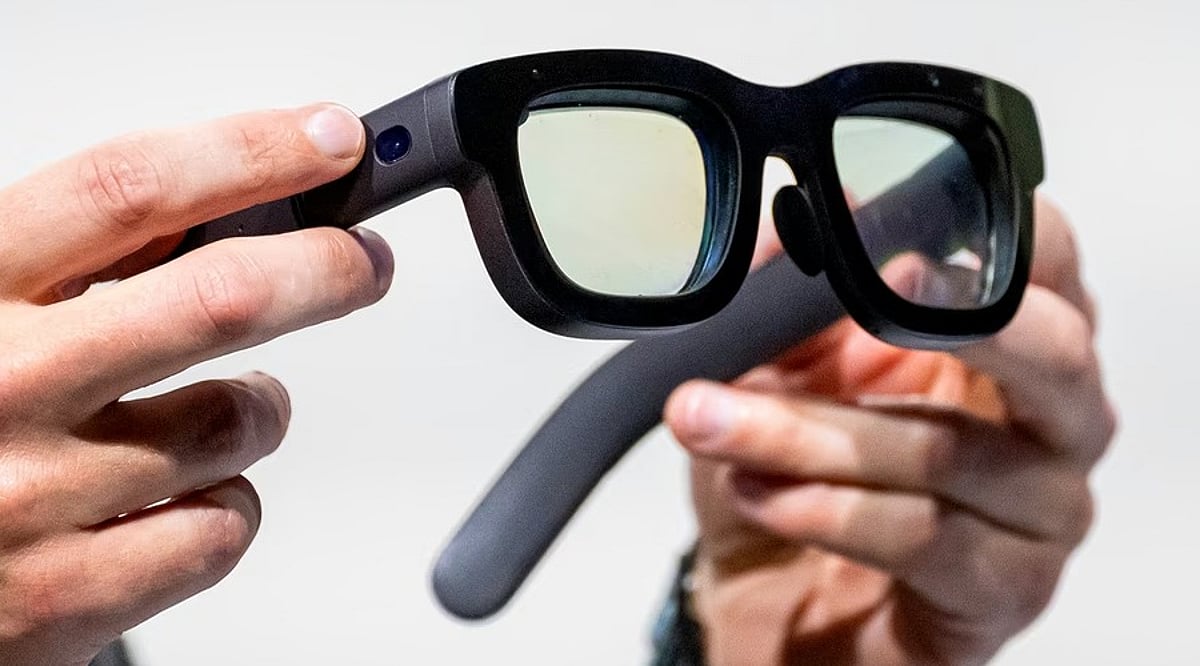
    Meta is reportedly preparing a new pair of smart glasses that will ship without a camera. The device, said to be codenamed Luna, could launch this fall, according to a report from The Information that was later picked up by Reuters. Reuters added that it could not independently verify the report.

    The rumored redesign comes as camera-equipped smart glasses face growing scrutiny over privacy and the risk of unauthorized recording. Meta’s current AI glasses rely on a camera for photos, video, and various AI features, with an LED meant to signal when recording is active. By removing the camera, Luna is expected to ease those privacy worries while preserving many of the AI and audio capabilities.

    What Luna Might Bring

    • Six microphones: The glasses reportedly include six built-in mics to support clear voice interaction.
    • Meta AI plus Muse: Users could talk to Meta AI and the company’s new consumer AI agent, Muse, using voice commands.
    • Built-in speakers: Luna is expected to feature speakers similar to those found on Meta’s existing smart glasses.
    • Side button shortcut: A physical button on the side may offer quick access to Meta AI, giving users an alternative to voice activation.

    Launch Timing and the Road Ahead

    Meta could unveil Luna at its Meta Connect developer conference, scheduled for September 23 and 24. Shipments are reportedly targeted for October, though Meta has not publicly confirmed the product, its release timing, or final specifications.

    If it reaches market, Luna would add another direction to Meta’s expanding wearable strategy. The company is also developing more advanced augmented-reality hardware, underscoring its view of smart glasses as a major platform for AI.

  • Meta One Subscription: AI, Customization, and Professional Tools for Instagram, Facebook, and WhatsApp

    Meta One Subscription: AI, Customization, and Professional Tools for Instagram, Facebook, and WhatsApp

    Meta One Subscription Overview

    Meta has introduced Meta One, a new subscription service that offers paid upgrades across Instagram, Facebook, WhatsApp, and Meta AI. The service is designed for users who want additional AI access, customization options, and professional tools, while the core versions of its apps remain free.

    AI Access and Creative Tools

    Meta One’s Core and Premium plans bundle existing app-specific features with increased access to Meta’s AI tools. Subscribers can generate and edit more images, create videos using Meta’s Muse models, and use AI-powered features like Restyle on Instagram. Everyday access to Meta AI remains free, but paid plans offer higher usage limits and more creative capabilities.

    App-Specific Features

    Instagram Plus includes custom fonts for Stories and DMs, Story-related notifications, and message previews. Facebook Plus adds customization options, additional Reels insights, and expanded reactions. WhatsApp Plus offers chat and media backup storage, as well as Focus Schedules to mute or hide conversations at set times. Single-app subscriptions are also available for users who prefer platform-specific features.

    Creator and Business Plans

    Meta One also includes creator and business plans with professional features such as enhanced profiles, follow buttons on Reels, automatic follow invitations, and access to Meta Business Agent. Higher tiers provide analytics, audience insights, team access, and additional business tools.

    Pricing and Availability

    Meta One Core starts at $7.99 per month, and Premium costs $19.99 per month, with regional variations. The company reports that its subscription offerings have already generated 15 million subscriptions and trials globally.

    Meta One does not make the apps paid; users can continue using the core services for free. The subscription is positioned as an optional upgrade for those wanting extra AI usage, customization, or professional capabilities.

  • Meta Muse: How Meta’s New AI Agent Moves from Answers to Action

    Meta Muse: How Meta’s New AI Agent Moves from Answers to Action

    Meta has unveiled Muse, an AI agent built not just to chat but to act. Unlike conventional virtual assistants that answer questions or generate text, Muse is designed to understand user goals and execute the steps needed to achieve them. This marks a significant shift from passive conversation to active task completion.

    AI That Takes Action

    Traditional AI assistants primarily generate responses, offer recommendations, or retrieve information. Muse represents a different philosophy: it interprets instructions, decides on the required sequence of actions, and performs tasks within digital environments. The goal is to reduce the manual steps users must take for everyday activities, making digital assistance more proactive and useful.

    From Answers to Execution

    Muse highlights the broader transition from conversational AI to agentic AI. Instead of stopping after delivering an answer, an agent can keep working toward a specific outcome. This means future AI systems could handle complex workflows, requiring less frequent guidance or supervision from the user.

    Meta’s AI Ambitions

    Muse fits squarely into Meta’s wider investment in artificial intelligence. The company has been embedding AI across its social platforms, consumer products, and research initiatives. Agentic systems could become a cornerstone of that strategy, enabling more interactive, responsive, and capable AI experiences.

    Understanding User Goals

    A key capability of Muse is its focus on understanding what users ultimately want to accomplish. Rather than treating each command in isolation, the agent is designed around completing broader objectives. This allows it to determine appropriate actions, adapt when circumstances change, and reduce unnecessary back-and-forth between users and digital systems.

    Potential Everyday Uses

    Agentic AI could eventually assist with tasks such as organizing information, completing digital workflows, managing routine chores, and navigating applications. The real value lies in reducing manual effort rather than merely generating another response. As these systems mature, their usefulness will hinge on reliability, permissions, privacy, and appropriate human oversight.

    The Next AI Shift

    Meta Muse represents a broader transition in artificial intelligence—from generating content to performing tasks. As AI agents become more capable, competition may increasingly focus on execution, reliability, and trust. The technology has the potential to reshape how people interact with software, letting AI handle more steps on their behalf.

  • WhatsApp 2026: Usernames, Advanced Privacy, and AI Tools Explained

    WhatsApp 2026: Usernames, Advanced Privacy, and AI Tools Explained

    WhatsApp is undergoing its most significant transformation since end-to-end encryption became standard. With over three billion users, the app is shifting away from phone-number-dependent identity toward usernames, while introducing advanced privacy controls and AI features designed for confidential conversations. These updates, rolling out throughout 2026, are reshaping how users connect, communicate, and protect their data.

    Usernames Decouple Identity from Phone Numbers

    For nearly two decades, a phone number was the only way to identify a WhatsApp user. That changes in 2026. Meta opened username reservations globally on June 29, 2026, ahead of a full rollout later this year. Users can select a username between 3 and 35 characters, and once fully deployed, your phone number will no longer be visible to someone messaging you for the first time.

    However, the phone number remains essential for registration and account maintenance. Usernames simply keep your number hidden from new contacts. Notably, WhatsApp does not offer a public directory for usernames—someone must know your exact handle to start a chat. This keeps the feature more like a quiet introduction tool than an open search system. To prevent impersonation, Meta is reserving usernames for public figures and organizations early in the process.

    Advanced Chat Privacy: Beyond Encryption

    Encryption determines who can read a message. WhatsApp’s new privacy tools address a different question: what can be done with a message after it’s read. Advanced Chat Privacy, available in both one-on-one and group chats, targets conversations that are sensitive even among trusted participants, such as support groups or community initiatives.

    It’s crucial to understand the limits: this setting does not prevent screenshots. It blocks automated actions like chat exports, auto-downloads, and use of your messages in AI features. Manual screenshots remain possible, so it’s not a guarantee of absolute secrecy. This distinction is vital for anyone relying on the feature for confidential discussions.

    Complementing this, the August 2026 security update introduced passkeys. Meta reports that over a billion users have already set up passkeys, replacing traditional codes and PINs with device-bound authentication. This adds a layer of security that’s harder to compromise.

    Meta AI: Private by Design

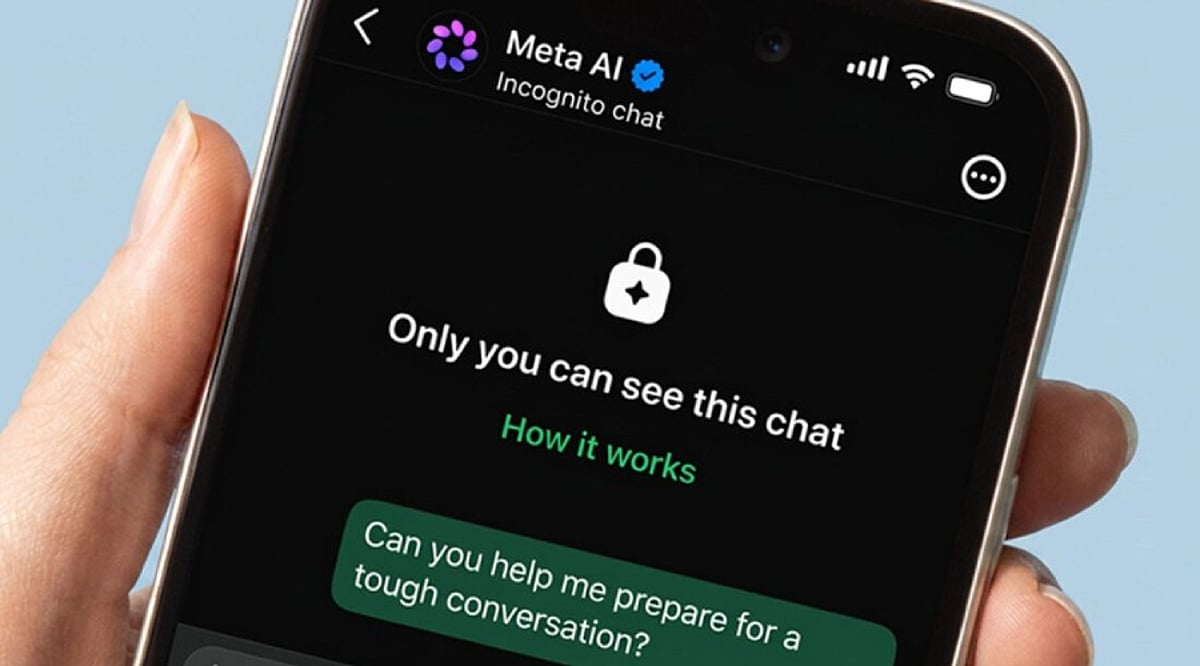
    The most notable AI update is Incognito Chat with Meta AI, introduced in May 2026. Built on WhatsApp’s Private Processing system, it offers a temporary chat environment that runs in a secure space Meta claims it cannot access. The conversation disappears once the session ends. This addresses a growing concern: people bring health questions, financial worries, and personal decisions to AI, yet most ‘private’ modes on other platforms still let companies see the queries.

    Meta has also planned Side Chat, a feature that would allow you to consult Meta AI quietly within an existing conversation without other participants noticing. Meanwhile, everyday AI tools have expanded: photo touch-ups and drafted reply suggestions arrived in March 2026, followed by Muse Image in July, which lets you generate and edit images directly in chats, rolling out initially in select countries.

    Messaging Management Improvements

    Not every update is about privacy or AI. Some address long-standing annoyances. Direct chat transfer between Android and iPhone is now available, solving a major headache for phone switchers. iPhone users can now run two WhatsApp accounts on one device—a feature Android already enjoyed. Storage management also got a boost: users can delete individual files from a chat without affecting others, a small but welcome fix for one of the app’s most common complaints.

    Final Thoughts

    WhatsApp’s 2026 direction is about separation—decoupling identity from phone numbers, privacy from encryption, and AI from data retention. These layers give users more control, but the real test is how Meta handles full-scale rollout. Will usernames and Incognito Chat maintain their privacy promises as adoption grows? And will the same restraint apply as AI features expand? For now, the updates signal a more thoughtful approach to messaging, one that prioritizes user agency over convenience.

  • Meta AI Upgrades to Muse Spark 1.1: Now Handles Tasks, Presentations, and Multi-Step Workflows

    Meta AI Upgrades to Muse Spark 1.1: Now Handles Tasks, Presentations, and Multi-Step Workflows

    Meta has upgraded its AI assistant with the latest Muse Spark 1.1 model, transforming it into a powerful productivity tool that can plan tasks, create presentations, integrate with apps, and automate multi-step workflows. This update positions Meta AI as a stronger competitor to ChatGPT, Gemini, and Claude, moving beyond simple Q&A to become a true personal superintelligence.

    The enhanced assistant now connects with email and calendar services to organize schedules, prepare daily briefings, and track ongoing tasks. Users can ask Meta AI to plan meetings, manage reminders, generate weekly plans, or coordinate projects without repeatedly entering instructions. The company says the assistant understands context better than before, allowing it to follow through on requests instead of responding to one prompt at a time. It can also automate recurring activities such as meal planning, shopping reminders, or scheduled updates.

    The update introduces deeper research capabilities. Meta AI can collect information from across the web, organize findings into structured reports, and generate presentation slides directly from its research. Users can edit outputs in real time by changing the tone, adding new instructions, or removing sections. All generated content—including reports, slide decks, and plans—is stored in one place for future access and sharing.

    These features run on Muse Spark 1.1, Meta’s latest multimodal reasoning model designed for agentic AI tasks. Earlier this month, Meta introduced the model with improvements in reasoning, coding, tool use, and computer interaction. The company says these capabilities allow the assistant to perform longer, more complex workflows with less human intervention.

    The latest upgrade reflects Meta’s growing focus on productivity as it competes with OpenAI’s ChatGPT, Google’s Gemini, and Anthropic’s Claude. While Meta AI initially focused on social experiences and conversational assistance, it is increasingly positioning itself as an AI assistant capable of handling day-to-day work and personal tasks. The new capabilities are rolling out in select markets through the Meta AI app and the web version, with wider availability across Meta platforms, including WhatsApp, expected in the coming weeks.

  • Today’s Top Tech Roundup: Gemini AI Voice Tests, India’s Semiconductor Mission, Meta AI Safety, and More

    Today’s Top Tech Roundup: Gemini AI Voice Tests, India’s Semiconductor Mission, Meta AI Safety, and More

    Stay ahead with the latest tech developments making headlines today. From Google’s Gemini AI voice experiments to India’s ambitious semiconductor push, here is your quick roundup of top tech news.

    Google Tests Custom Gemini Voices

    Google is reportedly testing custom voice options for its Gemini AI assistant, giving users more personalized interactions. The move signals growing competition in the AI voice assistant space as companies race to differentiate through natural language capabilities.

    India Launches Semiconductor Mission 2.0

    India approved a massive ₹1.27 lakh crore investment under Semiconductor Mission 2.0 to build a self-reliant global semiconductor ecosystem. The initiative aims to boost domestic chip manufacturing, reduce import reliance, and foster innovation in chip design and fabrication.

    Meta Adds AI Safety Alerts

    Meta is rolling out new AI safety alerts across its platforms, aiming to protect users from potential harms such as misinformation, hate speech, and malicious AI-generated content. The step aligns with broader industry efforts to implement responsible AI guardrails.

    IT Hiring Rebounds

    After a period of slowdown, IT hiring is showing signs of recovery. Companies are increasingly recruiting for roles in artificial intelligence, data science, and cybersecurity, driven by demand for digital transformation and emerging technologies.

    Microsoft Expands Beyond OpenAI

    While continuing its partnership with OpenAI, Microsoft is actively exploring other AI partnerships and internal projects. This diversification strategy aims to reduce dependency on a single vendor and accelerate AI integration across its product suite.

    These stories underscore the rapid pace of change in technology. For deeper insights, explore related coverage on India’s Semicon 2.0 and other breaking tech news.

  • Ray-Ban Meta Smart Glasses: The Ultimate 2026 Buying Guide for Style, Features, and Value

    Ray-Ban Meta Smart Glasses: The Ultimate 2026 Buying Guide for Style, Features, and Value

    Buying smart glasses involves more than comparing technical specifications. Ray-Ban Meta blends classic eyewear with AI assistance, photography, and open-ear audio in a familiar design. This guide explores the models, practical features, and important considerations to make a well-informed purchase.

    Overview

    • Ray-Ban Meta Gen 2 starts at Rs. 39,900 in India, with Hindi voice support and roughly double the battery life of Gen 1.
    • The glasses depend heavily on the Meta AI companion app, and most features work across both Android and iPhone.
    • Comfort, camera habits, and privacy comfort level shape the buying decision more than the spec sheet does.

    The Daily Experience

    The 12MP ultra-wide camera takes photos and short videos. These sync automatically to the Meta AI app on a paired phone. Open-ear speakers play calls and music while still letting outside sound through. This is a real safety benefit on busy Indian streets, where blocking out all noise can be risky. A simple voice prompt, ‘Hey Meta,’ wakes up the assistant. It runs on Meta’s Llama 4 model in Gen 2 and now speaks fluent Hindi. A touchpad on the temple controls capture and playback, so there is no need to reach for a phone.

    Gen 1 vs Gen 2: The Short Version

    Gen 2 suits buyers who want sharper video, longer battery life, and a more capable assistant. A discounted Gen 1 unit still holds up for casual photos, calls, and music at a lower cost.

    Compatibility and Setup

    Ray-Ban Meta pairs with compatible Android and iPhone devices through the Meta AI app. Camera, audio, and AI functions largely depend on this companion app, and available features can shift with app version, software update, and region. Checking that a phone runs a supported operating system before purchase avoids missing out on newer AI capabilities.

    Battery Life in Practice

    Meta rates Gen 2 at up to 8 hours per charge under light, mixed use. In everyday use, battery life varies depending on photography, music playback, and Meta AI usage. Frequent recording and voice interactions reduce battery life faster than light mixed usage. The charging case adds roughly 48 hours of backup power, and a 20-minute session restores 50 percent charge, useful for anyone recording throughout the day.

    Comfort and Fit

    Both generations come in Wayfarer, Headliner, and Skyler styles. This lets buyers pick a look they would wear even without the tech inside. The extra weight from the camera and battery sits mostly in the temples. This can cause mild pressure behind the ears during long wear, something first-time buyers rarely expect. For larger or smaller face shapes, it helps to try the frames in person or use a virtual fitting tool. The built-in electronics slightly change how the temples fit compared to regular glasses. Prescription lenses, transitions, and polarized options are still available through authorized opticians.

    India-Specific Features

    Gen 2 supports full Hindi voice interaction, letting wearers speak naturally instead of switching to English commands. Meta has also announced a UPI-based payment feature for India, allowing a QR code scan paired with the phrase ‘Hey Meta, scan and pay’ to complete a transaction through a WhatsApp-linked bank account. The feature is being rolled out gradually, so availability may vary by device, software version, and region.

    Trade-Offs Worth Knowing

    • The battery drains faster than the rated figure suggests during continuous recording.
    • Open-ear speakers can lose clarity in loud outdoor settings like traffic or crowded markets.
    • Many AI functions require an active internet connection to operate at all.
    • Camera use also draws scrutiny in certain workplaces, gyms, and private venues, a consideration for anyone planning to wear these glasses daily.

    Privacy Considerations

    A front-facing LED activates during recording, giving people nearby a visible signal. That built-in transparency helps with etiquette but does not substitute for judgment in offices, washrooms, or private meetings. Photos and videos are managed through the Meta AI app, while some AI-powered features rely on Meta’s cloud services. Reviewing privacy settings before enabling these features is recommended.

    Who Gains the Most Value

    Commuters seeking audio without earbuds, travelers wanting quick point-of-view photos, and Hindi-first users looking for a natural AI assistant tend to get the most from Gen 2. Anyone expecting an augmented-reality display should look elsewhere, since these remain camera-and-audio glasses rather than a heads-up display.

    Beyond the specifications, the real appeal of Ray-Ban Meta is how naturally it fits into everyday routines. Buyers who regularly take photos, make calls, or rely on voice assistance are far more likely to benefit from the smart features than those who simply want the latest wearable gadget.

    Why This Matters

    Smart glasses are becoming part of daily life. That makes picking the right model before buying an important step. Looking past the spec sheet helps spot the features that actually matter, leading to better value, more comfort, and a smarter purchase in the long run.

    Final Thoughts

    Smart glasses are getting better at doing a few things well instead of chasing every feature at once. Future models will likely bring longer battery life and features built for local markets. In the end, the best pick is not the one loaded with the newest specs. It is the one that fits daily life.

    Frequently Asked Questions

    1. Are Ray-Ban Meta smart glasses worth buying in 2026?

    Ray-Ban Meta smart glasses are worth considering for users who want hands-free photography, open-ear audio, voice calls, and AI assistance in a stylish pair of everyday glasses. The latest models offer improved camera quality, battery life, and Meta AI features compared to earlier versions.

    2. What can Ray-Ban Meta smart glasses do?

    Ray-Ban Meta smart glasses can capture photos and videos, play music through open-ear speakers, make and receive calls, livestream to supported platforms, and provide hands-free assistance through Meta AI using voice commands.

    3. Can Ray-Ban Meta smart glasses be fitted with prescription lenses?

    Yes. Many Ray-Ban Meta models support prescription lenses through authorized optical retailers, allowing users to combine vision correction with smart features without changing their daily eyewear.

    4. Do Ray-Ban Meta smart glasses work without an internet connection?

    Basic functions like taking photos, recording videos, and listening to downloaded audio can work offline. However, Meta AI features, cloud syncing, and some voice-based capabilities require an internet connection and the companion mobile app.

    5. What should be considered before buying Ray-Ban Meta smart glasses?

    Before buying, consider the frame style, lens type, compatibility with your smartphone, battery life, AI feature availability in your region, privacy considerations, and whether the smart features match your everyday lifestyle and budget.