
Tag: Meta Muse

  • Meta Muse AI Still Unavailable in India: VPN Risks, Pricing, and Alternatives

    Meta Muse AI Still Unavailable in India: VPN Risks, Pricing, and Alternatives

    Meta’s new AI agent, Muse, is not available in India. For now, only adults in the US and Canada can use it. Meta launched Muse in the US on September 8 and expanded access to Canada on September 18. The company has not announced when — or if — India will get access.

    What Makes Muse Different From Meta AI?

    Muse is not the same as Meta AI, which Indian users already have through WhatsApp, Instagram, and Facebook. Meta AI mostly answers questions. Muse goes further: it runs on its own cloud computer and browser, and it can complete tasks across different apps. It keeps working even after someone closes the app, and it asks for approval before doing things like sending an email or making a purchase.

    Why VPN Workarounds Are Risky

    Some online suggestions claim that using a US-based VPN can help Indian users reach the Muse website. That approach is not safe. Meta’s terms require users to be physically located in a country where Muse operates. A VPN does not change a person’s actual location, so using one violates the rule. Anyone who tries it risks having their linked Meta account suspended.

    Phones make this even harder. Whether Muse appears in the App Store or Google Play depends on the account’s region settings. The app is not listed on the Indian App Store at all.

    Muse Pricing

    • Free plan: limited use
    • Power plan: USD 20 per month (around Rs. 1,900)
    • Max plan: USD 100 per month (around Rs. 9,500)

    Both paid plans are billed through Apple or Google. The shopping and payment features inside Muse currently work only for US users.

    What Indian Users Can Use Instead

    For those who want a taste of the technology behind Muse, the underlying model, called Muse Spark 1.3, is available through OpenRouter. Users pay per token. This provides access to the model, not the full Muse agent experience with tasks and browsing.

    Meta AI remains the practical option for Indian users on Meta’s own platforms.

    Will Muse Come to India?

    Meta says Muse will reach more countries over time, but it has not confirmed a date for India. Anyone tempted to try unofficial workarounds should weigh the risk to their Meta accounts against the limited benefit they would actually gain.
  • Meta Muse: How Meta’s New AI Agent Moves from Answers to Action

    Meta Muse: How Meta’s New AI Agent Moves from Answers to Action

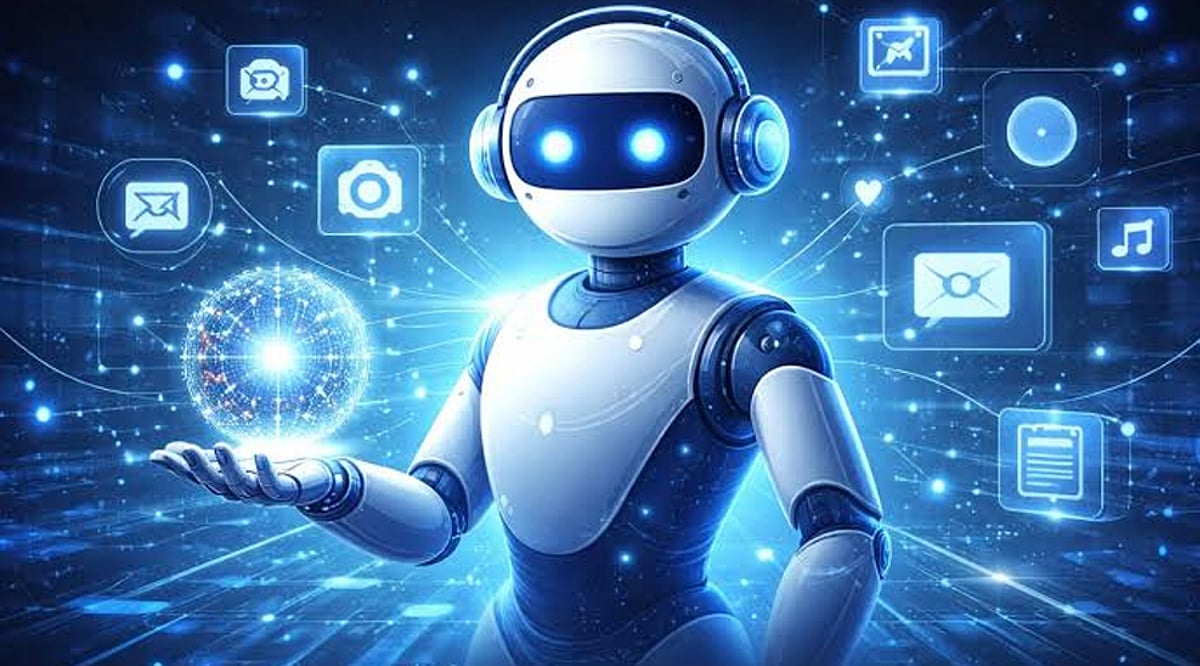
    Meta has unveiled Muse, an AI agent built not just to chat but to act. Unlike conventional virtual assistants that answer questions or generate text, Muse is designed to understand user goals and execute the steps needed to achieve them. This marks a significant shift from passive conversation to active task completion.

    AI That Takes Action

    Traditional AI assistants primarily generate responses, offer recommendations, or retrieve information. Muse represents a different philosophy: it interprets instructions, decides on the required sequence of actions, and performs tasks within digital environments. The goal is to reduce the manual steps users must take for everyday activities, making digital assistance more proactive and useful.

    From Answers to Execution

    Muse highlights the broader transition from conversational AI to agentic AI. Instead of stopping after delivering an answer, an agent can keep working toward a specific outcome. This means future AI systems could handle complex workflows, requiring less frequent guidance or supervision from the user.

    Meta’s AI Ambitions

    Muse fits squarely into Meta’s wider investment in artificial intelligence. The company has been embedding AI across its social platforms, consumer products, and research initiatives. Agentic systems could become a cornerstone of that strategy, enabling more interactive, responsive, and capable AI experiences.

    Understanding User Goals

    A key capability of Muse is its focus on understanding what users ultimately want to accomplish. Rather than treating each command in isolation, the agent is designed around completing broader objectives. This allows it to determine appropriate actions, adapt when circumstances change, and reduce unnecessary back-and-forth between users and digital systems.

    Potential Everyday Uses

    Agentic AI could eventually assist with tasks such as organizing information, completing digital workflows, managing routine chores, and navigating applications. The real value lies in reducing manual effort rather than merely generating another response. As these systems mature, their usefulness will hinge on reliability, permissions, privacy, and appropriate human oversight.

    The Next AI Shift

    Meta Muse represents a broader transition in artificial intelligence—from generating content to performing tasks. As AI agents become more capable, competition may increasingly focus on execution, reliability, and trust. The technology has the potential to reshape how people interact with software, letting AI handle more steps on their behalf.