Tag: Microsoft

  • Murakkab: New System Cuts AI Agent Energy Use and Cost by Over 70%

    Murakkab: New System Cuts AI Agent Energy Use and Cost by Over 70%

    Agentic workflows — AI-powered software systems that chain multiple models and tools to complete complex tasks — are becoming the backbone of cloud computing. But their fragmented design often wastes computation, energy, and money. Researchers from MIT and Microsoft have developed a new system called Murakkab that streamlines the design and deployment of these workflows, automatically optimizing them for speed, energy efficiency, and cost.

    With Murakkab, developers describe their application’s goal in plain language, and the system automatically selects the best AI models, tools, hardware configurations, and resource allocations. It adjusts these on the fly based on user priorities, such as minimizing costs or maximizing speed. In tests, Murakkab used only about 35% of the computation, 27% of the energy, and under 25% of the cost compared to traditional methods — without sacrificing performance.

    “Agentic workflows are getting very complicated and quickly becoming the backbone of what cloud providers are doing,” says Gohar Chaudhry, an MIT EECS graduate student and lead author of the paper presented at USENIX OSDI. “Energy usage is a huge concern, so we need to be very careful about how efficient these workflows are.”

    Murakkab also adapts dynamically when new models or hardware become available, eliminating the need for developers to manually reconfigure their systems. The researchers plan to expand the system to more complex workflows and larger computing clusters.
  • Today’s Top Tech Roundup: OpenAI’s Model Delay, Apple and Microsoft Price Hikes, AI Washing Concerns, and Windows 10 Extended Support

    Today’s Top Tech Roundup: OpenAI’s Model Delay, Apple and Microsoft Price Hikes, AI Washing Concerns, and Windows 10 Extended Support

    The White House has reportedly asked OpenAI to delay the release of its next-generation AI model, citing potential risks and the need for more robust safety evaluations. This development marks a significant moment in the ongoing dialogue between tech giants and government regulators.

    In other major news, both Apple and Microsoft have announced price increases for several of their key products and services. Apple’s price hike affects its hardware lineup and iCloud+ subscriptions, while Microsoft is raising prices for Microsoft 365 and Azure services, citing inflationary pressures and increased operational costs.

    The phenomenon of ‘AI washing’—where companies overstate or misrepresent the role of artificial intelligence in their products—continues to grow. Regulators are taking note, and consumers are advised to scrutinize marketing claims more carefully. This trend highlights the importance of transparency in an era of rapid technological advancement.

    On the software front, Microsoft has extended support for Windows 10, providing businesses and consumers more time to transition to Windows 11. The extended support includes critical security updates, helping users stay protected while they plan their upgrade path.

    Additionally, the Moto Pad 70 Pro has been launched, offering a new mid-range tablet option with competitive features. For the latest updates, join our WhatsApp channel to receive exclusive news and videos.

  • Anthropic Pays AI Researchers Over $1M Amid Mass Layoffs at Microsoft, Google, Amazon

    Anthropic Pays AI Researchers Over $1M Amid Mass Layoffs at Microsoft, Google, Amazon

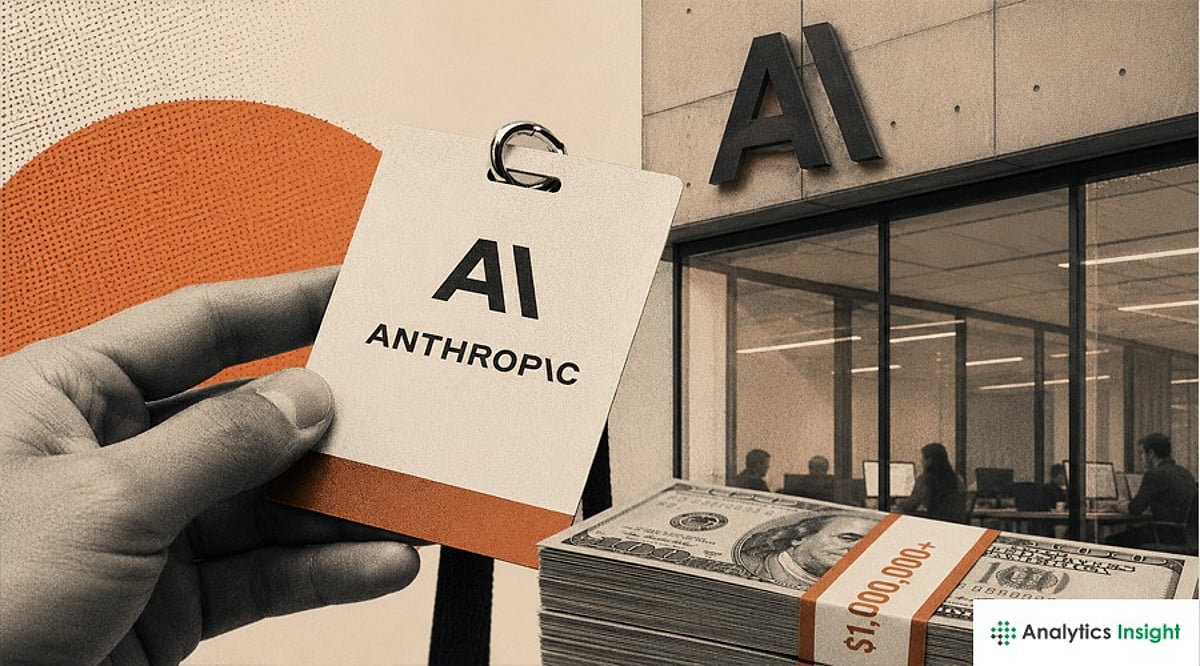
    The race for top AI talent has reached new heights. Reports indicate that Anthropic, a leading artificial intelligence company, is now offering some of its researchers annual compensation packages exceeding $1 million. These packages include base salary, company stock, and other benefits, setting a new benchmark in the tech industry.

    The revelations come from H-1B visa filings, which show that Anthropic has been paying base salaries of $1.12 million and $1.38 million to two Members of Technical Staff during its first two fiscal years of 2026. Notably, these figures exclude bonuses and stock awards, meaning the total compensation is significantly higher. The filings do not disclose names, but they underscore the intense demand for specialized AI expertise.

    This surge in AI salaries contrasts sharply with a wave of layoffs sweeping through major tech companies. Microsoft, Google, Amazon, Meta, and Intel have all announced job cuts as they reallocate resources toward AI initiatives. While thousands of software engineers and support staff face unemployment, top AI researchers command unprecedented pay.

    The disparity highlights a fundamental shift in hiring priorities. Companies are aggressively cutting non-core roles while investing heavily in AI talent, which they view as critical to staying competitive. Beyond salary, firms like Anthropic, OpenAI, Meta, Google DeepMind, and xAI offer signing bonuses, large stock grants, and flexible work arrangements to attract the best minds.

    As the AI arms race intensifies, the competition for talent is expected to widen. For now, the biggest beneficiaries are the researchers at the center of this high-stakes battle.

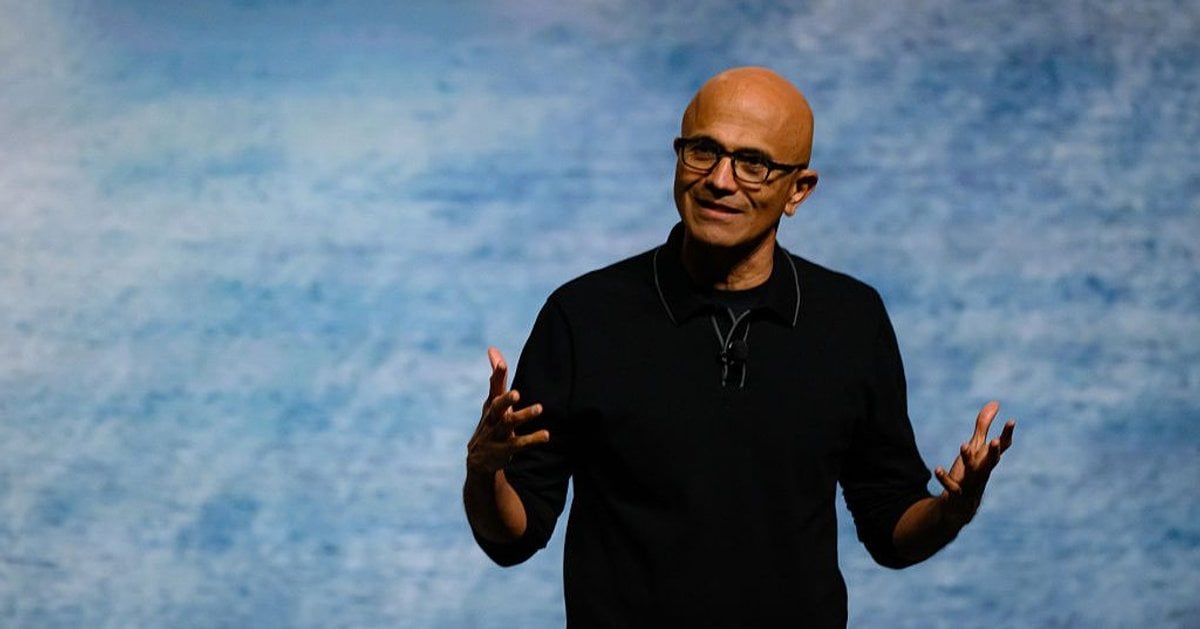
  • Microsoft CEO Satya Nadella Calls Out Hypocrisy in Tech’s AI Messaging

    Microsoft CEO Satya Nadella Calls Out Hypocrisy in Tech’s AI Messaging

    Microsoft CEO Satya Nadella has publicly challenged the contradictory messaging from AI leaders who warn about job displacement while simultaneously pushing for unlimited expansion of costly AI systems. In an interview with The Wall Street Journal, Nadella highlighted a growing disconnect that he believes undermines public trust and threatens the long-term viability of AI.

    “You can’t warn that AI is coming for jobs and sell unlimited expansion in the same breath,” Nadella stated. He argued that companies demanding vast computational resources for AI development while cautioning about workforce displacement create an untenable position that erodes social permission.

    Nadella urged businesses to rethink their approach, advocating for AI as a tool to enhance rather than replace employees. He described a combination of human capital and “token capital”—the computational resources powering AI systems—as a “recipe” for effective collaboration. Success, he emphasized, depends on demonstrating tangible economic benefits rather than theoretical promises.

    Addressing cost barriers, Microsoft has launched more affordable AI models and introduced Copilot Cowork, an autonomous agent that uses cheaper models for larger tasks. The company has even considered hosting a version of DeepSeek, the cost-effective Chinese model criticized by competitors for allegedly copying proprietary technology.

    Other industry leaders have echoed concerns about AI’s workforce impact. Anthropic CEO Dario Amodei warned that AI could eliminate many entry-level white-collar jobs, while OpenAI’s Sam Altman has publicly acknowledged the risk of redundancies. Nadella, however, stresses that restructuring existing roles is the primary goal, stating, “Companies have to offer people real economic opportunity.”