
Tag: mobile photography

  • Google Pixel 11 Pro Fold Review: AI-First Foldable with Stunning Displays and Cameras

    Google Pixel 11 Pro Fold Review: AI-First Foldable with Stunning Displays and Cameras

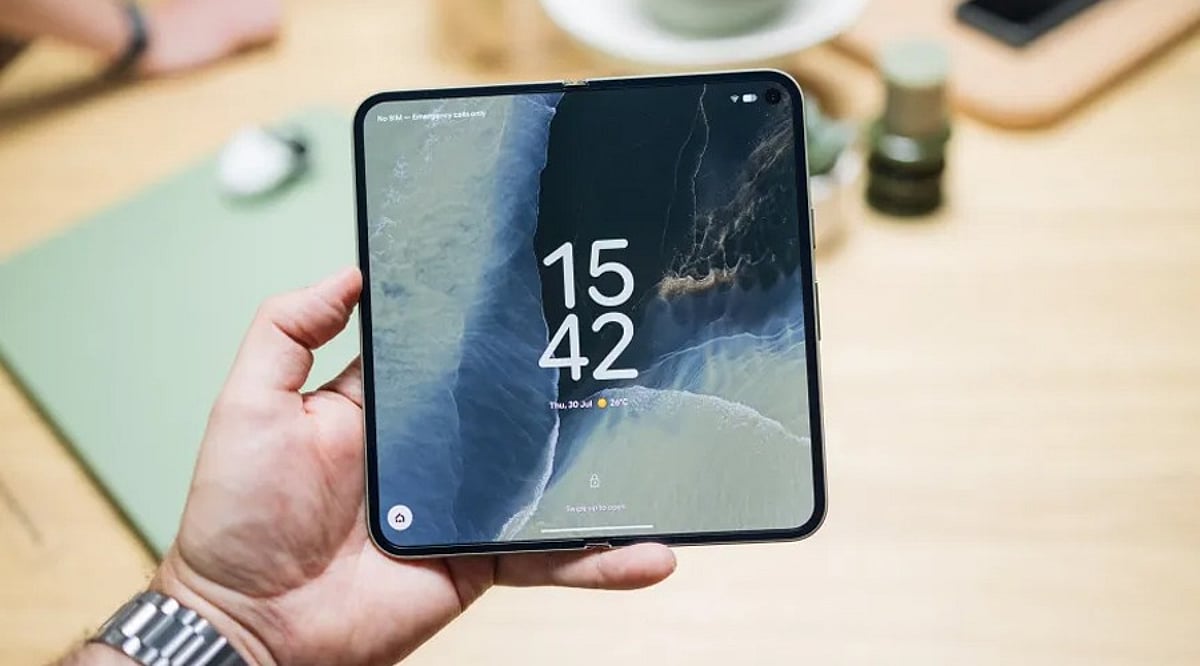
    The Google Pixel 11 Pro Fold is a premium foldable smartphone that prioritizes AI and software multitasking over raw performance. With its dual displays, advanced camera system, and integration with Google’s Gemini AI, it offers a compelling experience for users who value intelligent features and long-term durability.

    Key Specifications

    • 6.5-inch external OLED display
    • 8-inch internal folding OLED panel
    • 120Hz refresh rate and up to 3,600 nits peak brightness
    • Triple rear camera: 48MP main, 10.5MP ultrawide, 10.8MP telephoto with 5x optical zoom

    Pros and Cons

    Pros:

    • Excellent displays with high brightness and smooth refresh rate
    • Impressive camera versatility
    • Dust and water resistance
    • Seamless Gemini AI integration for multitasking

    Cons:

    • Heavier than some competitors
    • Moderate charging speed
    • Tensor G6 processor lags behind rivals in raw performance
    • Visible crease on the internal display

    Final Verdict

    The Google Pixel 11 Pro Fold is a solid choice for those who prioritize software experience and AI capabilities. Its bright displays, capable cameras, and Gemini features make great use of the foldable form factor. While it may not be the lightest or fastest foldable on the market, it promises several years of reliable use. If you’re more interested in Google’s ecosystem than benchmark scores, this foldable deserves your attention.
  • iPhone 18 Pro Camera: Apple’s New Variable Aperture Explained

    iPhone 18 Pro Camera: Apple’s New Variable Aperture Explained

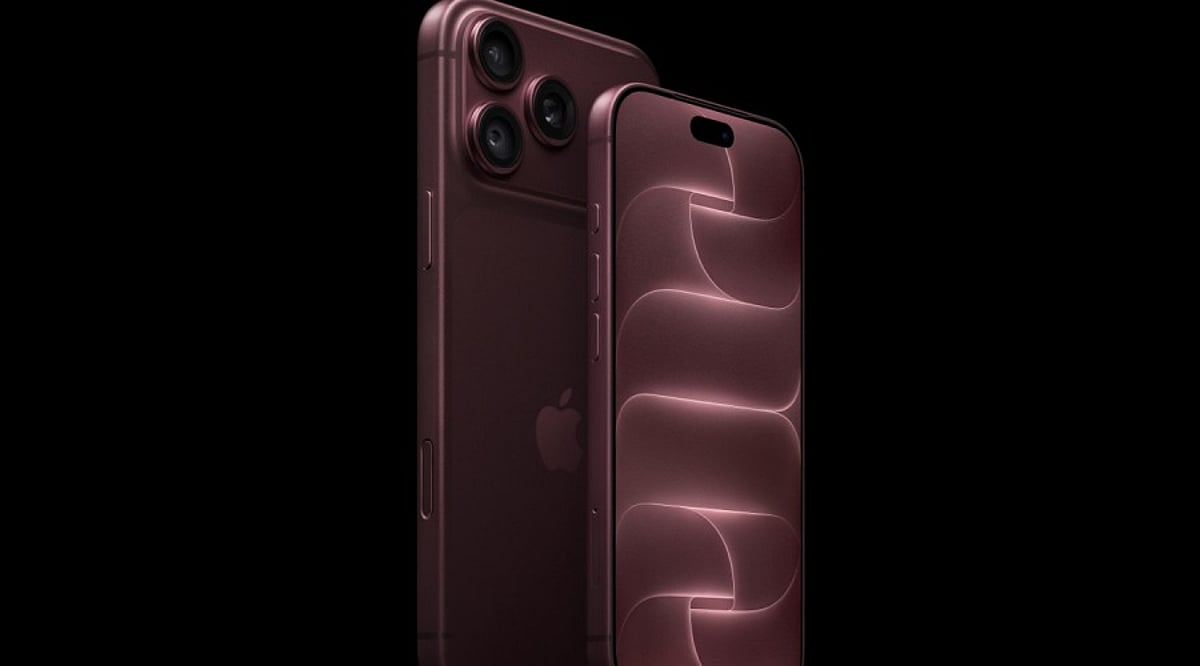
    Apple has unveiled a significant camera upgrade for the iPhone 18 Pro and iPhone 18 Pro Max: a 48MP Fusion main camera with a mechanical variable aperture. This feature gives users precise control over light intake and depth of field, enhancing both photography and videography.

    The variable aperture offers four settings ranging from f/1.48 to f/4. Users can let the camera automatically select the best setting or manually adjust it for creative flexibility. Narrower apertures keep more of the scene in focus, while the wide f/1.48 setting allows maximum light capture, ideal for low-light environments and creating a shallow depth of field that makes subjects pop against the background.

    Beyond aperture control, users can also adjust shutter speed, white balance, and focus—features traditionally managed through third-party apps. Apple positions this update as a boon for creative videography, giving filmmakers and photographers greater freedom to adapt to varying lighting conditions.

    The iPhone 18 Pro’s variable aperture marks a leap forward in mobile photography, offering DSLR-like control in a smartphone form factor.

  • Vivo X500 Pro Max Unveiled: 200MP Telephoto Lens and Pro Video Capabilities

    Vivo X500 Pro Max Unveiled: 200MP Telephoto Lens and Pro Video Capabilities

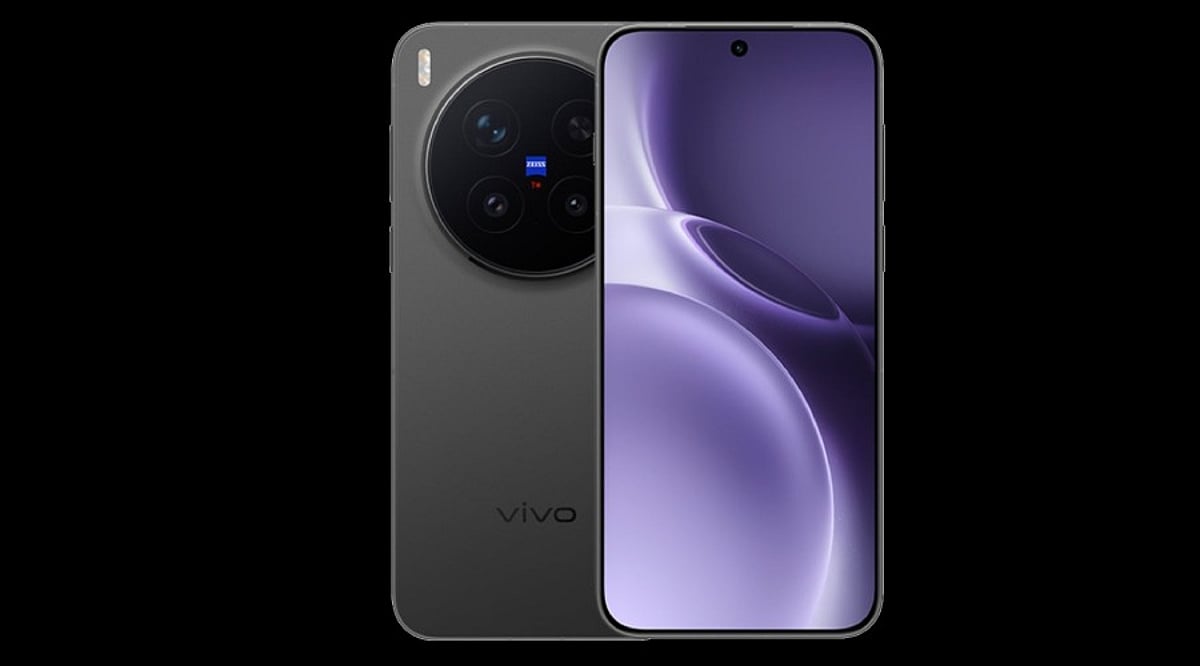
    Vivo has officially revealed the design of its upcoming flagship, the X500 Pro Max, giving enthusiasts a first look ahead of the September 21 launch in China. The device is part of the X500 series, which will also include the X500 and X500 Pro models.

    The X500 Pro Max sports a dual-tone rear panel available in silver and orange finishes. A large circular camera module dominates the back, housing three sensors and featuring ZEISS branding — underscoring Vivo’s continued focus on mobile photography. The LED flash is positioned separately near the upper-left edge of the camera area.

    Vivo also highlighted optional accessories: a teleconverter lens and a professional imaging grip. The teleconverter is reported to extend the system’s effective focal length to around 400mm, offering greater flexibility for capturing distant subjects.

    Video capabilities are expected to be a major highlight of the X500 series. According to Vivo, the lineup will support a 17EV dynamic range, 10-bit 4:2:2 encoding, and the ACES color system. The phones are also anticipated to deliver 4K video recording at 120fps in 10-bit Log, along with native 8K Live output. These features position the X500 Pro Max as a compelling option for mobile filmmakers and content creators.

    With its powerful camera hardware and professional-grade video features, the Vivo X500 Pro Max is shaping up to be one of the most anticipated smartphones of the year.

  • Best AI Camera Phones of 2026: Top 5 Smartphones Redefining Mobile Photography

    Best AI Camera Phones of 2026: Top 5 Smartphones Redefining Mobile Photography

    Artificial intelligence has become a cornerstone of modern smartphone photography. Leading manufacturers are integrating advanced AI into their flagship devices to enhance image processing, noise reduction, zoom capabilities, and scene recognition. The following five smartphones represent the cutting edge of AI-driven camera technology in 2026.

    1. Apple iPhone 17 Pro Max

    The iPhone 17 Pro Max features three 48MP Fusion rear cameras powered by an upgraded Photonic Engine. This system applies machine learning throughout the image pipeline, preserving detail, controlling noise, and adjusting color—especially in low light. It offers 4x and 8x optical-quality telephoto options, digital zoom up to 40x, and an 18MP Center Stage front camera that uses AI to widen frames for group shots and switch between portrait and landscape orientations while the phone remains vertical.

    2. Samsung Galaxy S26 Ultra

    Samsung’s Galaxy S26 Ultra boasts a 200MP main camera, a 50MP ultrawide, and two telephoto cameras. The ProVisual Engine processes image data in real time, while Galaxy AI’s Photo Assist provides generative editing tools such as object removal and adjustment. Wider apertures on the main and 5x telephoto lenses collect more light for improved low-light performance.

    3. Vivo X300 Pro

    The Vivo X300 Pro combines a 200MP ZEISS APO telephoto camera with 50MP main and ultrawide sensors. Its VS1 imaging chip handles pre-processing before the V3+ chip completes post-processing, optimizing portrait, motion, and zoom shots. AI Image Studio includes Erase, Landscape Master, and One-Shot Multi-Crop features, while AI telephoto tracking captures distant moving subjects. Stage Mode 2.0 records dual views in 4K Dolby Vision.

    4. Google Pixel 10

    Powered by the Tensor G5 chip, the Pixel 10 series offers Gemini-based camera features. Camera Coach analyzes scenes and suggests framing, angles, lighting, and modes. Ask Photos enables spoken or written image editing commands. Auto Best Take combines similar group shots for optimal results. The standard model includes a 5x telephoto with 20x Super Res Zoom, while Pro models extend the zoom range further.

    5. OPPO Find X9 Pro

    The OPPO Find X9 Pro features a 200MP Hasselblad telephoto camera, 50MP main and ultrawide sensors, and a True Color Camera. Multi-frame processing retains detail and balances colors in changing light. AI-powered zoom reaches 120x, and AI Portrait Glow adjusts lighting. Computational processing supports motion capture, burst shooting, long-range photos, and low-light portraits. It records 4K video at 120fps with Dolby Vision.

  • Vivo X500 Leak Reveals Major Camera Upgrades with 64MP Periscope Zoom and Enhanced Low-Light Photography

    Vivo X500 Leak Reveals Major Camera Upgrades with 64MP Periscope Zoom and Enhanced Low-Light Photography

    Vivo is expected to unveil the X500 later this year, and fresh leaks suggest the company is preparing one of its biggest camera upgrades in recent years. According to information shared by tipsters on Weibo, the upcoming flagship will feature a significantly improved camera system rather than incremental yearly changes. Although Vivo has not officially confirmed the details, the leaks have already generated excitement among smartphone enthusiasts.

    The most notable upgrade is a new periscope telephoto camera designed for superior long-range zoom. The leak indicates the X500 will include a 50MP Sony primary sensor with a 1/1.28-inch sensor, a 50MP ultrawide lens, and a 64MP Sony periscope telephoto with a 1/2-inch sensor. Additionally, the device is expected to offer improvements in image processing and low-light photography.

    These reported changes mark a departure from previous generation models. Instead of simply adding another sensor, Vivo appears to be focused on enhancing the overall camera experience, including better zoom capabilities, stronger portrait photos, and faster image processing. If the leaks are accurate, the X500 will deliver noticeable improvements rather than minor tweaks.

    The leaked hardware could intensify competition in the premium smartphone market, where brands like Samsung, Apple, Xiaomi, and Oppo are increasingly prioritizing mobile photography. Camera quality has become a primary factor for consumers choosing a flagship phone, and Vivo seems to be following that trend.

    At this stage, these details remain unofficial. Vivo has yet to announce the X500’s launch date or confirm its features. However, the latest leaks suggest the company is aiming for more than a routine upgrade. If the final product matches these early reports, Vivo could have another strong flagship that stands out primarily for its camera performance.