Tag: Monetary Policy

  • How Federal Reserve Policy Moves Bitcoin Prices: Rates, Inflation, and Liquidity Explained

    How Federal Reserve Policy Moves Bitcoin Prices: Rates, Inflation, and Liquidity Explained

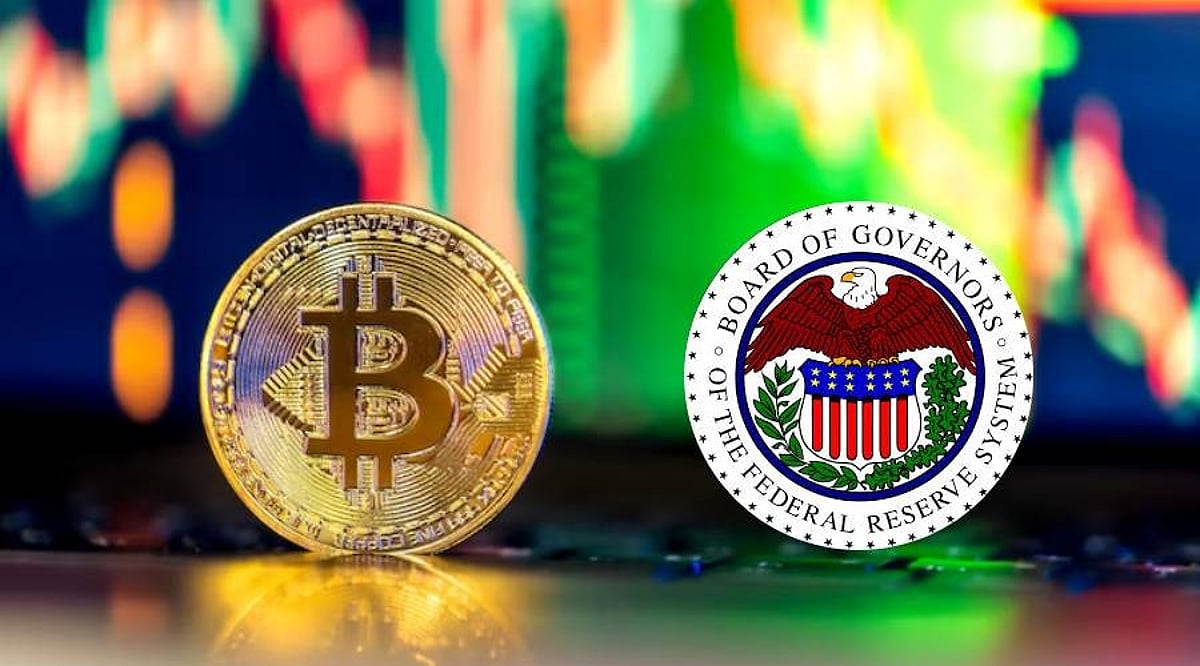
    Bitcoin was designed to operate outside the control of any central authority, including the U.S. Federal Reserve. Yet in practice, the cryptocurrency’s market price remains tightly linked to the Fed’s policy decisions. Interest rates, liquidity conditions, inflation expectations, and bond yields all shape how investors allocate capital between Bitcoin and traditional financial assets.

    Fed’s September Rate Hike and Its Impact on Bitcoin

    On September 16, 2026, the Federal Reserve raised its target federal funds rate by 25 basis points to a range of 3.75%–4.00%. Citing persistently elevated inflation, the central bank said the move was intended to steer inflation back toward its 2% objective. For Bitcoin, the decision is significant because interest rates directly affect the returns available from other investments.

    Why Higher Rates Can Pressure Bitcoin

    Bitcoin does not yield contractual interest. When Treasury bills, bonds, and cash-equivalent instruments offer higher yields, investors can earn meaningful returns without taking on the price volatility inherent in cryptocurrencies. Higher borrowing costs also tend to reduce liquidity across the financial system and discourage leveraged speculation. These conditions can create downward pressure on risk assets, including equities and digital currencies. As institutional participation in Bitcoin grows, macroeconomic variables increasingly influence BTC in tandem with conventional markets.

    Why Lower Rates Can Encourage Risk-Taking

    When monetary policy becomes less restrictive, the dynamic shifts. Declining interest rates reduce the yields on cash and short-term government securities, prompting investors to seek higher returns in stocks, commodities, and cryptocurrencies. Easier access to credit further improves overall liquidity. However, Bitcoin does not automatically rally when rates fall. Regulatory news and other crypto-specific developments can sometimes overshadow the impact of lower rates.

    Inflation: A Double-Edged Sword for Bitcoin

    Bitcoin’s fixed maximum supply of 21 million coins has led many to compare it to scarce assets like gold. Persistent inflation can therefore strengthen Bitcoin’s appeal as a hedge against currency debasement. But unexpectedly high inflation can also prompt the Fed to raise rates, creating a tug-of-war: a stronger scarcity narrative versus tighter monetary conditions. These competing forces make Bitcoin’s response to inflation complex and sometimes unpredictable.

    Other Drivers of Bitcoin’s Price

    Federal Reserve policy is just one factor among many. Spot ETF flows, institutional adoption, regulatory developments, leverage levels, mining economics, and Bitcoin’s roughly four-year halving cycle all contribute to crypto-specific supply and demand dynamics. This is why Bitcoin does not maintain a permanent inverse relationship with interest rates. Sometimes crypto-native catalysts outweigh the influence of monetary policy.

    Key Takeaways

    • Higher interest rates make yield-bearing assets more attractive and can reduce appetite for volatile investments like Bitcoin.
    • Lower rates and easier liquidity conditions generally support risk assets, but Bitcoin’s response is not guaranteed.
    • Inflation boosts Bitcoin’s scarcity narrative but may also trigger rate hikes that pressure prices.
    • ETF flows, regulation, mining economics, and halving cycles are equally important price drivers.

    Frequently Asked Questions

    1. How do Federal Reserve interest rates affect Bitcoin?

    Higher rates make bonds and cash-like assets more attractive while increasing borrowing costs and tightening liquidity. These conditions can reduce investor appetite for volatile assets such as Bitcoin.

    2. Why can lower interest rates support Bitcoin prices?

    Lower rates reduce yields on cash and short-term government securities while potentially improving financial-system liquidity. This can encourage investors to increase exposure to risk assets, including cryptocurrencies.

    3. Does Bitcoin always fall when the Federal Reserve raises rates?

    No. Bitcoin is also influenced by ETF flows, institutional demand, regulation, leverage, and crypto-specific market conditions. These factors can sometimes outweigh the effects of tighter monetary policy.

    4. How does inflation affect Bitcoin?

    Bitcoin’s maximum supply of 21 million BTC supports its scarcity narrative during periods of inflation. However, persistent inflation can also trigger higher interest rates, potentially creating pressure on Bitcoin and other risk assets.

    5. What other factors influence Bitcoin besides Federal Reserve policy?

    Spot Bitcoin ETF flows, institutional adoption, mining economics, regulation, market liquidity, and Bitcoin’s halving cycle can all affect BTC. Monetary policy is therefore one important factor rather than a standalone price indicator.

  • Fed Signals Tougher Inflation Fight: Markets Anticipate Short-Lived Rate Hikes

    Fed Signals Tougher Inflation Fight: Markets Anticipate Short-Lived Rate Hikes

    US stock futures crept higher on Monday as investors turned their focus to the Federal Reserve’s upcoming rate decision, weighing persistent inflation, rising Treasury yields, and the broader interest rate outlook.

    Market Moves Ahead of Fed Decision

    S&P 500 futures climbed 0.2%, Dow futures edged up 0.1%, and Nasdaq futures added 0.4%. The modest gains came as market participants braced for a possible rate hike. Inflation remains stubbornly above the Fed’s 2% target, keeping pressure on the central bank to act.

    The 10-year US Treasury yield hovered near 5% after briefly touching 5.04%, its highest level in years. Higher yields typically increase borrowing costs for businesses and households and make bonds more attractive relative to equities. Meanwhile, oil prices added another layer of concern: Brent crude traded at $107.61 a barrel and US crude at $103.70.

    At first glance, rising stocks alongside the prospect of higher rates may seem counterintuitive. However, investors had already priced in a rate increase, muting the immediate impact. Market attention is now shifting to what comes after the first move.

    The Real Question: Duration of Tightening

    A single rate hike does not reveal how long borrowing costs will remain elevated. If inflation stays sticky, the Fed could keep rates high for an extended period. If price pressures ease and economic growth slows, the tightening cycle could prove short-lived.

    Investors will focus on upcoming inflation reports, jobs data, oil price trends, and consumer spending figures. The immediate rate decision is only one piece of a larger puzzle. The bond market and inflation trajectory will ultimately determine whether this becomes a drawn-out phase or a brief adjustment.

    Also read: Crude Oil Prices Rise as US-Iran Escalation Revives Supply Fears, Brent Holds Above $70

  • RBI Holds Repo Rate at 5.25% in August: Key Takeaways for Borrowers and Investors

    RBI Holds Repo Rate at 5.25% in August: Key Takeaways for Borrowers and Investors

    The Reserve Bank of India (RBI) kept the repo rate unchanged at 5.25% during its August Monetary Policy Committee (MPC) meeting, signaling a cautious approach as inflation eases and global economic uncertainties persist. The central bank also maintained a neutral stance, indicating that future policy moves will depend on incoming data rather than a predetermined path.

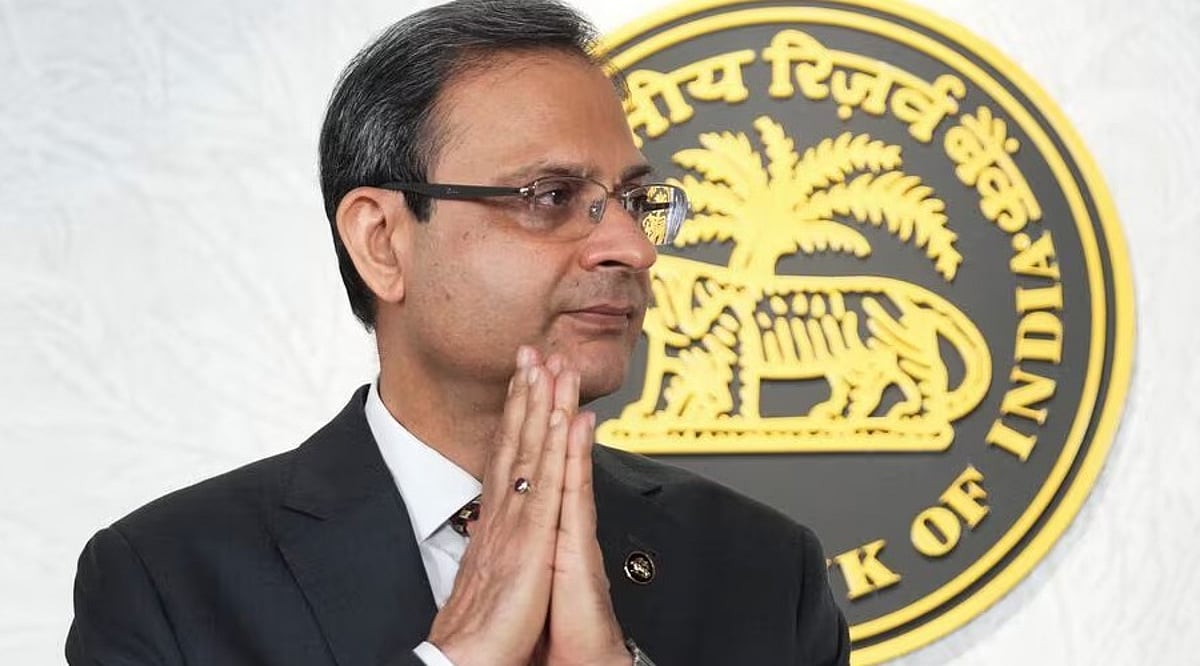
    Governor Sanjay Malhotra noted that inflation remains within the RBI’s target range, while domestic growth continues to show resilience despite external risks. The policy aims to balance price stability with sustained economic growth amid ongoing global trade and geopolitical tensions.

    Inflation Forecast Lowered, Growth Outlook Maintained

    A key announcement was the RBI’s revised inflation outlook. The MPC lowered its FY27 CPI inflation forecast by 10 basis points to 5%, while retaining its view that inflation will peak in the third quarter before gradually easing. The central bank projects CPI inflation at 4.7% in Q2, 5.9% in Q3, 5.5% in Q4, and 5.3% in the first quarter of FY28. Core inflation for FY27 is estimated at 4.3%, and core inflation excluding precious metals is expected to remain below 4.3% during the fiscal year.

    At the same time, the RBI retained its GDP growth projection at 6.7%, reflecting confidence in India’s economic momentum. Strong domestic demand, government capital expenditure, and improving rural consumption were highlighted as key growth drivers despite a mixed global environment.

    Liquidity Measures Continue to Support the Banking System

    The RBI reiterated its commitment to ensuring sufficient liquidity in the financial system while maintaining an orderly money market environment. The central bank stated it would use liquidity management measures as needed to keep short-term interest rates consistent with the policy rate. Credit growth remains steady, supported by robust demand from retail and business customers. Banking system strength and ample liquidity levels will help sustain borrowing in key sectors of the economy.

    Global Risks Remain a Key Concern

    While domestic factors appear positive, the RBI warned that global uncertainties continue to pose risks to India’s economy. Key risk factors identified include geopolitical uncertainty, commodity price fluctuations, and changing trade policies of major economies. Capital flow and exchange rate dynamics in light of the evolving global interest rate scenario are also being closely monitored.

    “There is a need for greater clarity to emerge, especially regarding inflation, its path and composition before taking any policy action. Any such action would also have to consider the need for recalibration of policy rates in line with the evolving growth-inflation dynamics, especially the normalisation of the underlying inflation from its benign levels seen hitherto,” Governor Malhotra stated.

    Deficient and uneven Southwest monsoon across the subcontinent was highlighted as a major risk to India’s economy.

    What It Means for Borrowers and Investors

    With the RBI’s decision to keep interest rates unchanged, there will be no immediate changes in rates for mortgages, auto loans, and business credit. For investors, the policy reinforces expectations of rate stability, though future actions will depend on inflation and economic data.

    Analysts believe equity markets may welcome the RBI’s balanced approach, while bond markets could remain sensitive to upcoming inflation readings and global central bank actions. Market participants will closely track inflation trends, festive-season demand, and external developments to gauge the timing of any future policy changes.

  • RBI Holds Repo Rate Steady at 5.25% Amid Middle East Tensions

    RBI Holds Repo Rate Steady at 5.25% Amid Middle East Tensions

    The Reserve Bank of India (RBI) has decided to keep the repo rate unchanged at 5.25%, maintaining a cautious stance as inflation risks and global uncertainties persist due to the ongoing conflict in the Middle East.

    The decision was announced following a three-day meeting of the Monetary Policy Committee (MPC), which concluded on Wednesday. The six-member panel, led by Governor Sanjay Malhotra, voted unanimously to hold the rate steady. The MPC also retained its monetary policy stance as ‘neutral,’ signaling that future moves will be guided by incoming economic data.

    In addition to the repo rate, the RBI kept the Standing Deposit Facility (SDF) rate unchanged at 5% and the Marginal Standing Facility (MSF) rate along with the bank rate at 5.5%.

    Governor Malhotra noted during the announcement, “Crude oil prices, currencies, and financial markets remain volatile, fluctuating in line with the changing intensity and uncertainties of the West Asia conflict. In this backdrop, the MPC met for its third bi-monthly meeting of this financial year to deliberate and decide on the policy.”

    The central bank last adjusted the repo rate in December 2025, when it was lowered from 5.50% to 5.25%. Since then, the RBI has held rates steady, aiming to balance inflation control with support for economic activity.

    By keeping the repo rate unchanged, the RBI hopes to prevent inflation from accelerating further without putting excessive pressure on economic growth. The repo rate is the key interest rate at which the RBI lends to commercial banks, directly influencing loan and deposit rates across the economy.

  • The Hidden Inflationary Risks of Central Bank AI Spending

    The Hidden Inflationary Risks of Central Bank AI Spending

    Massive investments in artificial intelligence are reshaping global economies, but they also carry hidden risks for central banks. As governments and corporations pour billions into AI infrastructure—chips, data centers, energy, and skilled labor—these spending surges are creating powerful demand pressures that could stoke inflation before any productivity benefits materialize.

    Central banks face a difficult policy dilemma. They must balance the promise of AI-driven growth against the risk of overheating economies. Prematurely restricting investments could stifle future productivity gains, but ignoring inflationary signals could destabilize prices. The challenge is compounded because AI’s productivity improvements may take years to emerge, while the costs are immediate.

    Financial markets are increasingly tied to AI optimism. Stock valuations and investor sentiment now hinge on AI companies’ performance, raising systemic risks if returns fall short. Meanwhile, corporate debt levels are climbing as firms borrow heavily to fund AI infrastructure. If demand slows or investments underperform, this debt could trigger financial stress.

    Energy demand is another concern. AI data centers require enormous electricity supplies, potentially driving up energy prices and adding to inflationary pressures. This creates a feedback loop where AI spending itself becomes a source of cost increases.

    Traditional economic models may prove unreliable in this new landscape. Rapid technological change is disrupting historical relationships between productivity, employment, inflation, and growth. Policymakers can no longer rely on conventional indicators alone. They must now monitor AI investment levels, market concentration, infrastructure spending, and corporate debt alongside standard metrics.

    Central banks need to develop new tools to track these hidden systemic risks. The era of AI-driven economies demands a broader, more dynamic approach to monetary policy—one that accounts for the unique pressures of technological transformation.

  • Kevin Warsh Labels Fed’s 2020 Inflation Strategy a Costly Error, Launches Policy Review

    Kevin Warsh Labels Fed’s 2020 Inflation Strategy a Costly Error, Launches Policy Review

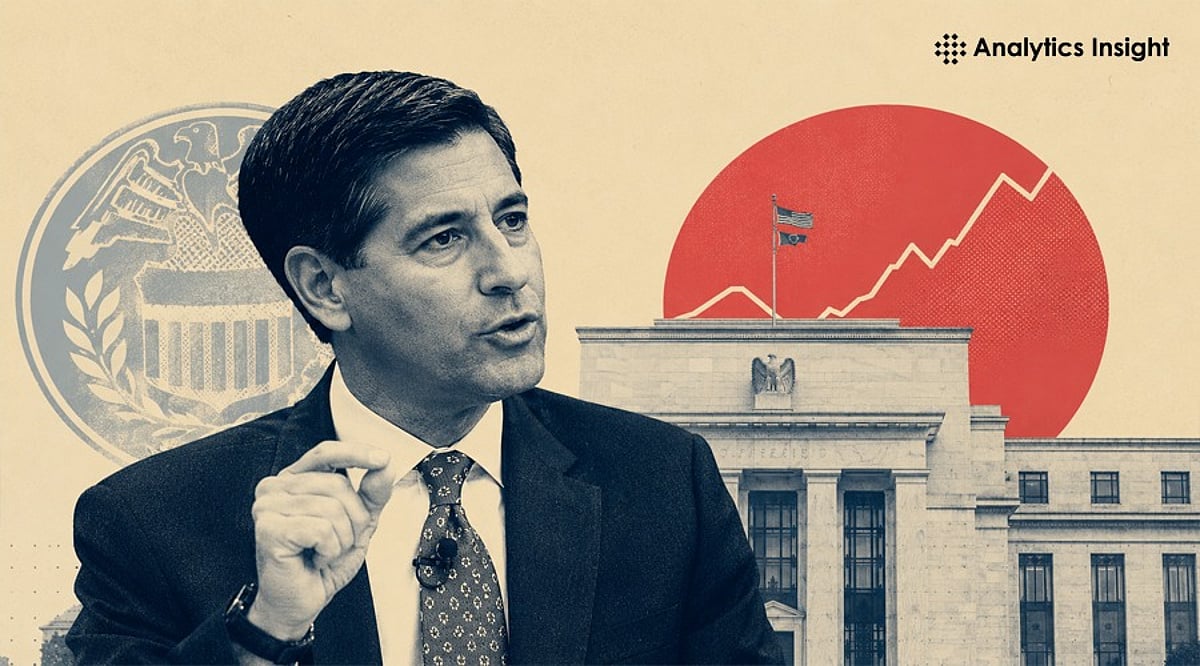
    Federal Reserve Chair Kevin Warsh has publicly criticized the central bank’s 2020 inflation framework, calling it a costly policy mistake. During testimony before the House on July 14, Warsh announced the creation of five task forces to reassess how the Fed sets monetary policy. He emphasized a firm commitment to returning inflation to the 2% target, though he offered no clear signals on the timing of future interest-rate changes.

    Rejection of the 2020 Inflation Framework

    The Fed adopted flexible average inflation targeting in 2020, which allowed policymakers to aim for inflation moderately above 2% after periods of below-target price growth. The framework also prioritized employment shortfalls before withdrawing policy support. Warsh told lawmakers this approach was a mistake, stating that the Fed asked for a little more inflation and received much more. Inflation has remained above the 2% goal since 2021, and Warsh stressed that policymakers have no tolerance for persistently elevated inflation.

    The framework was revised in August 2025, before Warsh became chair, replacing the average-inflation makeup strategy with flexible inflation targeting. The update also shifted from a focus on employment shortfalls to a balanced approach considering both inflation and employment gaps.

    Five Task Forces to Review Fed Policy

    Warsh has established five task forces to examine monetary policy operations. These groups cover Fed communications, balance-sheet policy, economic data, productivity and jobs, and inflation frameworks. External advisers will collaborate with Fed staff and present findings to the Federal Open Market Committee (FOMC). The inflation group will study how the Fed identifies and responds to price growth, while the communications group will review how officials explain decisions during uncertain periods. Another panel will assess the timeliness of economic data, and the balance-sheet group will evaluate the Fed’s asset holdings and operating system.

    Warsh has not specified when the reviews will produce proposals. Any new framework would require support from other Fed policymakers. The FOMC makes rate decisions through votes, and members remain divided on whether rates should rise, stay unchanged, or fall later in 2026.

    Uncertain Interest-Rate Path

    June inflation data provides the Fed more time to assess its next move. The Consumer Price Index fell 0.4% for the month, and annual inflation slowed to 3.5% from 4.2%. Core inflation held flat monthly and eased to 2.6% year-over-year. Warsh warned lawmakers against treating one report as proof that inflation is defeated, saying, “There might be some that look at this morning’s data and say, ‘mission accomplished.’ That is not my view.” He offered no clear guidance on whether the Fed will raise rates at its July 28-29 meeting.

    The federal funds rate remains in a 3.5% to 3.75% range after the Fed held it steady in June. Warsh’s second congressional appearance is scheduled for July 15 before the Senate Banking Committee, where lawmakers may seek details on the task forces, the 2% target, Fed independence, and how future policy changes will balance inflation control with maximum employment.

  • Fed Chairman Kevin Warsh Establishes Task Forces to Examine AI and Monetary Policy

    Fed Chairman Kevin Warsh Establishes Task Forces to Examine AI and Monetary Policy

    Federal Reserve Chairman Kevin Warsh has announced the formation of five task forces to review critical areas of U.S. monetary policy and central bank operations. The panels will focus on Fed communications, the inflation framework, the balance sheet, economic data, and new technologies—including artificial intelligence.

    The initiative places AI at the center of Warsh’s early agenda. Several members of the technology panel have publicly argued that AI could boost productivity and alter the trajectory of U.S. growth.

    Warsh stated that the task forces will operate independently with support from Fed staff, providing evidence-based feedback and recommendations to the Federal Open Market Committee by the end of 2026. “The goal is straightforward: to ensure the Fed is best positioned to achieve our objectives in this consequential time,” he said.

    Former Bank of England Governor Mervyn King will co-lead the communications review. Raghuram Rajan, former head of India’s central bank, and Harvard professor Jeremy Stein will lead the balance-sheet panel. The AI task force will be led by Marc Andreessen, Stanford economist Charles I. Jones, and Microsoft executive Asha Sharma—all vocal proponents of AI’s economic potential.

    The AI panel arrives amid debate among Fed officials about how quickly the technology can raise productivity. While some FOMC participants see room for faster growth, others caution over timing and scale. New York Fed President John Williams warned that AI-driven demand has pushed up prices for electricity and semiconductors, describing the price path as a “hockey stick.” He emphasized that supply must expand to keep inflation under control.

    Former Walmart CEO Doug McMillon will help lead the data-quality review, which comes as job-market data faces increased scrutiny due to revisions and lower survey response rates. The task forces are expected to complete their work by the end of 2026.