Tag: money laundering

  • US Justice Department Files $61M Crypto Forfeiture Case Over Iranian Oil Sales

    US Justice Department Files $61M Crypto Forfeiture Case Over Iranian Oil Sales

    The US Justice Department has initiated a civil forfeiture action targeting more than $61 million in cryptocurrency allegedly connected to Iran’s black-market oil operations. Prosecutors assert that the proceeds were funneled through digital assets to finance Iran’s military and support terrorist activities.

    DOJ Targets Crypto Tied to Sanctioned Oil Network

    According to the complaint, Iran leveraged sanctioned crude oil sales to generate revenue outside conventional banking channels. Authorities allege a broader cryptocurrency network facilitated the movement of proceeds from these transactions. The Justice Department claims that crypto actors in China and other jurisdictions laundered over $1.5 billion from illicit Iranian oil sales, channeling funds toward Iran, its agents, and proxies.

    FBI officials stated the investigation traced money flows linked to sanctions evasion and suspected terrorist financing. This filing adds to a series of recent US legal actions against Iran-related financial networks.

    Binance Accounts Central to Laundering Allegations

    Prosecutors identified two Chinese companies—Blessed Trust and Hexa Whale—in the complaint, alleging both used Binance trading accounts to process proceeds from black-market Iranian oil sales. Blessed Trust is described as a wealth management or virtual asset custodian entity that also handled transfers and provided fiat-to-crypto on-ramp services. Hexa Whale allegedly offered similar services and collaborated with Blessed Trust and related entities. Authorities further claim both companies sent or received tens of millions of dollars through the US financial system.

    Binance responded, stating it does not tolerate sanctions violations or illicit activity. The exchange said it investigates risks, restricts or freezes accounts when appropriate, removes users, and reports cases to authorities.

    Tether Tokens to Be Replaced in Forfeiture Process

    The complaint notes that Tether Ltd will burn tokens held in the targeted addresses and issue replacement tokens of equal value for transfer into US government custody. The filing also indicates Blessed Trust and Hexa Whale served clients in China’s petroleum and petroleum-products sector. CNBC reported it could not reach either company for comment, while Tether had not responded.

    Washington sanctioned a Chinese independent refinery in April and warned financial institutions about dealings with Chinese refineries processing Iranian oil. Reuters later reported that Iran used barter-like arrangements to buy billions of dollars in goods from China. China ranked among the largest buyers of Iranian oil in 2025, taking more than 80% of Iran’s shipped oil, averaging about 1.4 million barrels per day.

    Conclusion

    The Justice Department’s $61 million forfeiture case centers on alleged crypto flows tied to sanctioned Iranian oil sales. Prosecutors say Blessed Trust and Hexa Whale used Binance accounts and the US financial system, while Tether’s token replacement process would place the targeted value under US government custody.

  • Enforcement Directorate Seizes ₹1,906 Crore in Assets from Gameskraft in Money Laundering Probe

    Enforcement Directorate Seizes ₹1,906 Crore in Assets from Gameskraft in Money Laundering Probe

    The Enforcement Directorate (ED) has attached assets worth ₹1,906 crore belonging to Gameskraft as part of a money laundering investigation into the company’s real-money gaming operations. The agency claims that these platforms created an ‘addictive’ gaming environment that encourages players to spend money repeatedly.

    According to an official statement, the action was taken under the Prevention of Money Laundering Act on July 22, in connection with the RummyCulture, RummyPrime, Playship, and RummyTime apps. With this latest attachment, total seizures and asset attachments in the case have reached approximately ₹2,401 crore.

    The ED alleges that these real-money gaming platforms were part of an illegal online betting and gaming network operated through the company’s platforms. The investigation revealed that Gameskraft and RummyTime Technologies had a user base of around 3 crore players, primarily in Telangana, Andhra Pradesh, and Tamil Nadu.

    The agency further claims that the platforms typically earn revenue by charging a platform commission of 10–15% from players. Additionally, the ED asserts that the firms used BOTs — automated programs and algorithms — to play against users who were unaware of the operating process.

    In its statement, the ED said, “These unscrupulous practices of the companies have created an addictive gaming environment that encouraged repeated wagering, thereby enabling the companies to generate huge proceeds of crime in the form of platform commission.”

    Compliance Challenges for Gaming Startups

    The Gameskraft case underscores the increased regulatory scrutiny facing the online gaming industry. As real-money gaming expands across India, companies are facing tougher checks on how they manage player funds, taxes, and legal compliance.

    The ED’s action could have lasting implications for India’s real-money gaming sector. Companies may now be more cautious about adhering to financial and legal rules to avoid similar investigations.

  • Bengaluru Crypto Influencers Investigated in $35 Million OTC Fraud Scheme

    Bengaluru Crypto Influencers Investigated in $35 Million OTC Fraud Scheme

    India’s Enforcement Directorate (ED) has launched a money laundering probe into an alleged cryptocurrency investment fraud worth approximately $35 million (over Rs. 300 crore). The case involves Bengaluru-based crypto influencers who are accused of promising discounted token allocations to overseas investors and then failing to deliver.

    How the Alleged Scheme Worked

    According to the ED, the suspects operated as self-proclaimed crypto ‘key opinion leaders’ and used Telegram, WhatsApp, Instagram, websites, and in-person meetings to lure victims. They claimed to have access to guaranteed, steeply discounted direct token allocations from major blockchain projects such as MultiverseX, Kava, BEAM, GRASS, SUI, VANA, and AGLD. These private placements typically occur before public exchange listings, making the promised discounts attractive to early buyers. The accused allegedly used false credentials and claimed direct ties with blockchain developers to support their offers.

    Investigators say the group initially completed smaller deals without issues to build trust before investors transferred larger amounts. Funds were routed through a network of wallets, with large portions traced to suspect Ravindra K in Bengaluru, who is believed to be the operator behind the over-the-counter (OTC) deals. After receiving multi-million-dollar investments, the accused allegedly stopped delivering tokens when crypto prices rose, causing investors to lose access to promised allocations.

    ED Actions and Seizures

    The ED’s Bengaluru Zonal Office carried out searches on July 18 and 19, seizing digital devices, emails, wallet records, and encrypted account details. Authorities also seized virtual assets worth about 8,700 USDT (Tether stablecoin). The probe began under the Prevention of Money Laundering Act following a complaint from a Dutch commercial entity and an FIR from the South Andaman Cyber Crime Police. Initial losses were estimated at $10 million, but further checks revealed the suspected fraud exceeded $35 million.

    Officials say the seized material may help trace how funds moved between wallets and personal accounts, and may identify more victims. The ED is reviewing offshore wallets and related payment records for additional transfers. International cooperation may become necessary as the suspected transactions crossed several countries. The agency continues to examine the full network and seeks to freeze assets connected to the case. No court has convicted the named individuals, and the allegations remain under investigation.

  • Ireland Warns of ‘Very Significant’ Crypto Crime Risks as New Review Tightens Oversight

    Ireland Warns of ‘Very Significant’ Crypto Crime Risks as New Review Tightens Oversight

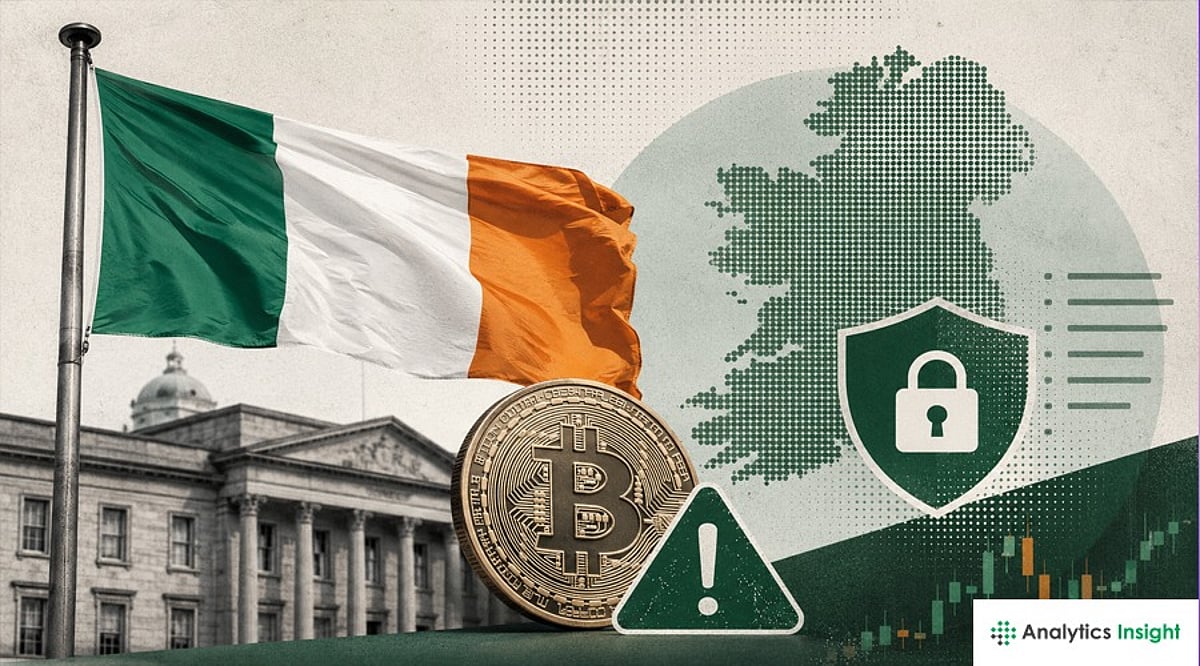
    Ireland has officially flagged cryptocurrency as a major financial crime risk in its first national risk assessment focused on digital assets in seven years. The Department of Finance warns that digital assets pose ‘very significant’ risks tied to money laundering, terrorism financing, sanctions evasion, and weak oversight in decentralized finance (DeFi) platforms.

    Rising Threats in a Changing Market

    The assessment notes a dramatic shift since Ireland’s last review in 2019. Digital assets now sit at the intersection of legitimate finance and illicit activity, increasing pressure on enforcement agencies and policymakers. Authorities highlight that cryptocurrencies can move value across borders with limited transparency, creating openings for sanctions evasion, tax non-compliance, and bribery. The report also specifically names DeFi as an area with limited oversight, complicating monitoring for banks, exchanges, and regulators.

    Government Plans and Industry Impact

    Ireland plans to develop industry standards for accepting crypto-related activities as a source of funds, with the framework expected in the second half of 2027. While the report does not announce new legislation, it signals tighter oversight ahead. The move could affect exchanges, financial institutions, and businesses that accept cryptocurrency-related funds. Officials also warn that uneven international rules add risk for Irish firms operating across several jurisdictions. Ireland serves as a European base for several large cryptocurrency firms and technology companies seeking access to European markets, making the issue particularly pressing.

    Scrutiny Grows Across Politics and Business

    Crypto ownership in Ireland remains relatively high, with the Central Bank of Ireland reporting that about 10% of the population has invested in cryptocurrencies. This level of use has increased pressure on policymakers to balance innovation with consumer protection and financial stability. The report follows a series of regulatory actions against crypto firms, including a fine on Coinbase’s European arm in late 2025 for anti-money laundering and counter-terrorism financing failures related to transaction monitoring systems. Ireland has also restricted crypto use in politics, banning political donations made through digital assets in 2022.

    What’s Next?

    Ireland has traditionally relied on wider European Union frameworks rather than building extensive domestic crypto rules. However, the rollout of the EU’s Markets in Crypto-Assets Regulation (MiCA), along with growing concerns over money laundering and sanctions compliance, has pushed the government to reassess the sector’s risks. The latest review shows a clearer shift in policy direction, placing digital asset activity under closer scrutiny as Ireland prepares for stronger controls in the years ahead.