
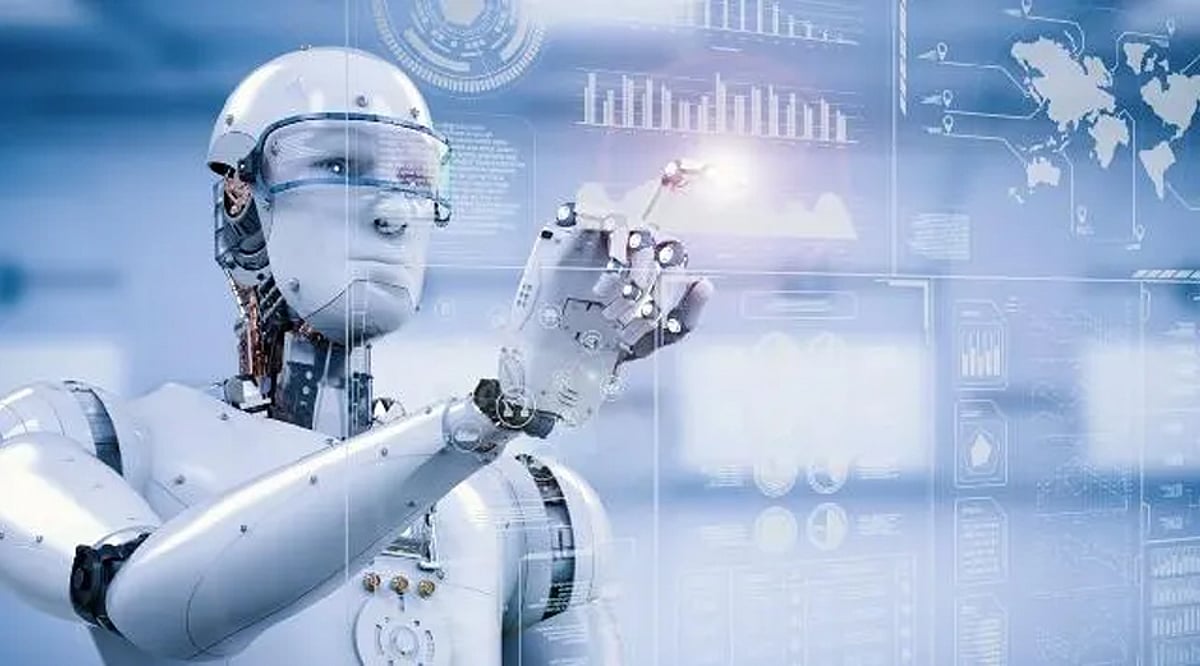
Robots are rapidly gaining capabilities that mimic human perception and interaction. Advances in sensors, artificial intelligence, and data fusion allow machines to understand their environment, handle objects with care, and respond to changing conditions. Here are seven key technologies driving this transformation toward more human-like awareness.
Computer Vision
Computer vision helps robots interpret camera input and recognize objects, people, spaces, and movements. Modern vision systems enable machines to identify surroundings, detect changes, estimate distances, and react appropriately. This awareness moves robots beyond rigid preprogrammed instructions, allowing them to adapt to real-world environments.
Tactile Sensors
Tactile sensors give robots a sense of touch by detecting pressure, contact, texture, and force. These sensors help robotic hands gauge how firmly to grip objects, supporting delicate operations like handling fragile items, assembling parts, or safely interacting with humans in collaborative settings.
Spatial Awareness
Spatial awareness technologies let robots understand their position and movement within physical spaces. Using a combination of sensors and mapping systems, robots can identify obstacles, measure distances, and build internal models of their surroundings. This enables navigation through rooms, factories, warehouses, and public areas while adjusting paths as conditions change.
Artificial Intelligence
AI enables robots to process information, recognize patterns, and make decisions based on context. Machine learning helps systems improve responses through experience and accumulated data. AI ties together multiple sensory inputs, allowing robots to interpret situations rather than blindly follow fixed commands.
LiDAR Technology
LiDAR uses laser pulses to measure distances and generate detailed three-dimensional maps of environments. Robots use LiDAR data to detect obstacles, map spaces, and estimate their location. The technology is essential for autonomous navigation, helping machines operate reliably even when surroundings contain moving people, objects, or changing pathways.
Force and Motion Sensing
Force and motion sensors help robots understand how their bodies interact with objects and surfaces. These systems detect changes in pressure, acceleration, balance, and movement. Such feedback allows robots to adjust actions while walking, lifting, pushing, or manipulating objects, resulting in smoother, more controlled physical interactions.
Multimodal Perception
Multimodal perception combines data from cameras, microphones, touch sensors, and other inputs. Instead of interpreting each signal independently, robots fuse multiple sources to grasp situations more comprehensively. This approach helps machines understand spoken commands alongside gestures, objects, and environmental shifts, bringing their interactions closer to human-like awareness.