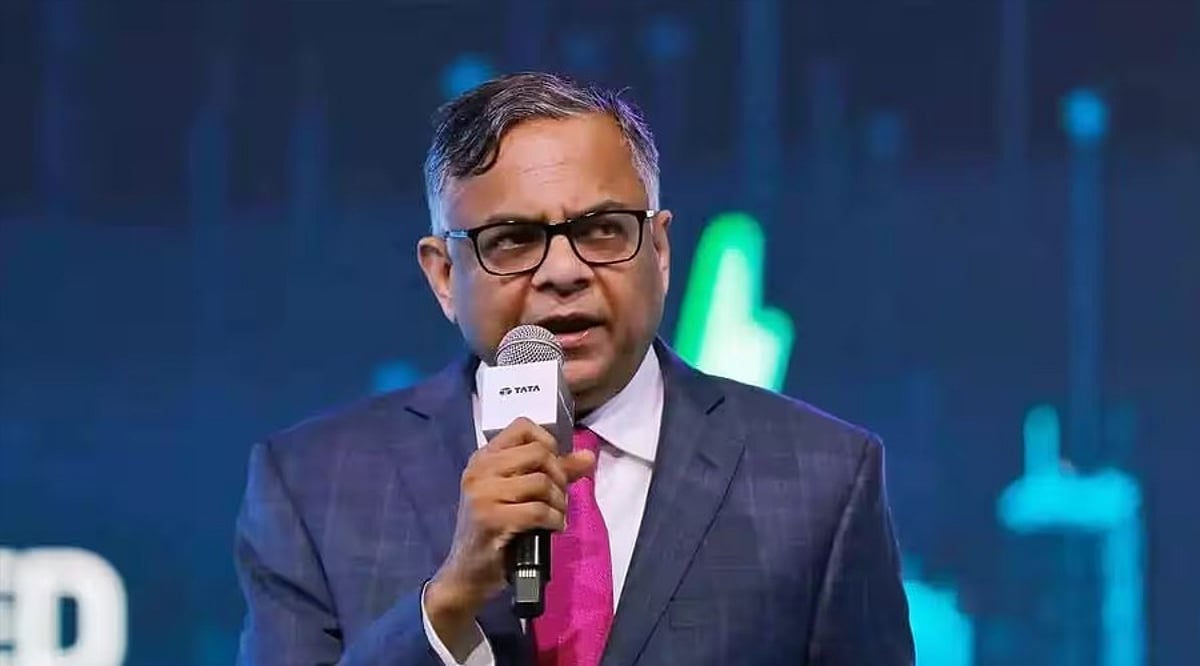
RPG Enterprises Chairman Harsh Goenka has publicly suggested that Tata Sons Chairman N. Chandrasekaran could play a pivotal role in shaping India’s artificial intelligence (AI) strategy and its implementation. The proposal, shared on social media, has sparked a lively debate about the involvement of corporate leaders in national technology initiatives.
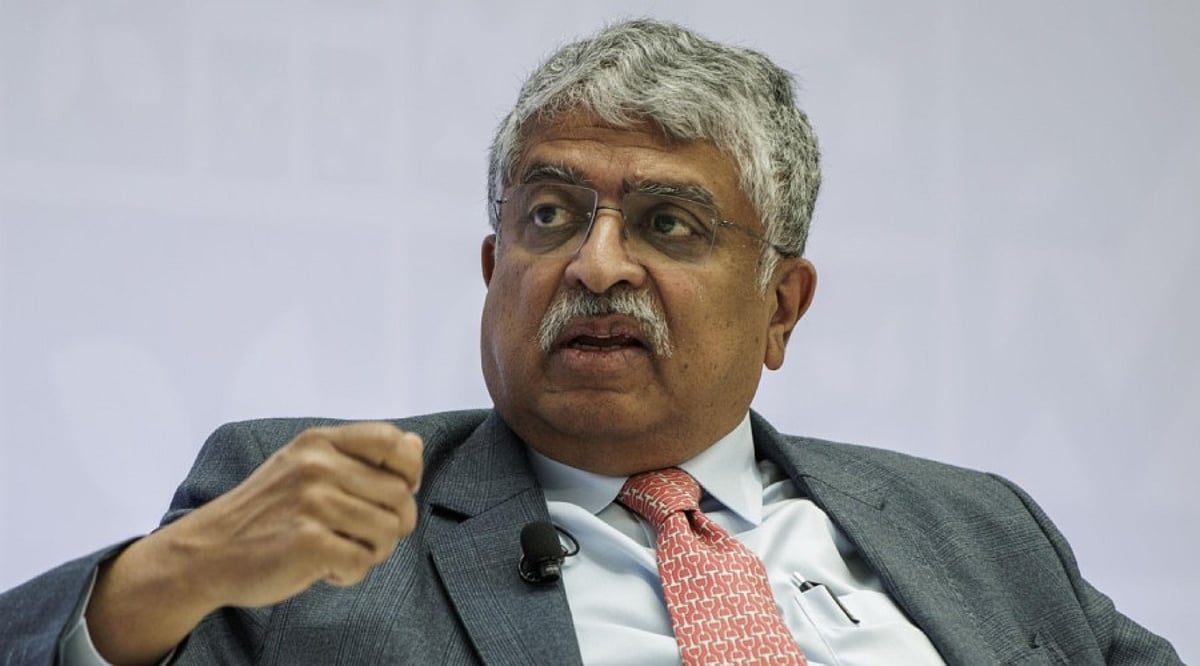
In a post on X (formerly Twitter) on September 7, Goenka drew parallels with previous instances where private-sector executives were brought into public roles. He cited Nandan Nilekani, who led the Aadhaar/UIDAI project, and Pawan Goenka, who chairs IN-SPACe (India’s space regulator), as examples of successful private-to-public transitions.
“India brought Nandan Nilekani from private sector to lead Aadhaar/UIDAI and now educational reforms and Pawan Goenka to help drive our space ambitions through IN-SPACe,” Goenka wrote. “Why not tap N. Chandrasekaran’s (Tatas) experience to help shape India’s AI strategy and implementation?”
Chandrasekaran brings decades of experience in technology and corporate leadership. He joined Tata Consultancy Services (TCS) in the 1980s, rose to become its CEO, and later took over as chairman of Tata Sons. Under his leadership, the Tata Group has expanded into semiconductor manufacturing, electronics, data centers, and digital infrastructure—areas that are central to AI development.
The suggestion has drawn mixed reactions online. Some users echoed Goenka’s sentiment, noting that Chandrasekaran’s expertise could also benefit India’s broader economic growth. One user commented, “Sounds good, not only just about AI strategy and implementation, but also for utilising his expertise for growing Bharat’s economy, GDP and per capita income for everyone.”
Others proposed alternative candidates. Some argued that Nandan Nilekani’s experience with large-scale public technology projects made him a better fit for leading AI transformation. Another suggested Anand Mahindra could help strengthen Brand India, while a few questioned whether sector-specific specialists should have a larger say in technology policy.
Chandrasekaran himself has been vocal about AI’s potential. At the India AI Impact Summit in February, he described AI as “the next big infrastructure”—comparable to electricity, steam engines, and the internet. He emphasized the need for widespread access, stating, “Our mission should be to make AI work for every individual and every citizen in this country.”
For now, Goenka’s proposal remains a public suggestion. There has been no official announcement from the government regarding any formal role for Chandrasekaran in India’s AI strategy.