

Tag: natural gas

  • The Key Factors Behind Natural Gas Prices: Weather, Storage, and LNG Exports

    The Key Factors Behind Natural Gas Prices: Weather, Storage, and LNG Exports

    Natural gas prices are shaped by a complex mix of weather patterns, storage levels, and LNG export demand. Understanding how these forces interact helps businesses and traders anticipate market movements and make informed decisions.

    Weather’s Immediate Impact on Demand

    Weather conditions directly affect natural gas demand. Cold spells increase heating needs, while heatwaves drive up electricity demand for air conditioning, which often relies on gas-fired power plants. Traders closely monitor weather forecasts, and even slight changes in predicted temperatures can cause price fluctuations before the actual weather arrives. The location of weather events matters too: a cold snap near a pipeline bottleneck can create local shortages even if other regions have ample supply.

    Storage as a Market Buffer

    Natural gas storage facilities provide a cushion against seasonal demand variations. However, the effectiveness of this buffer depends on storage capacity and deliverability rates. A large inventory is less useful if it cannot be withdrawn quickly enough to meet sudden demand spikes. Weekly storage reports are evaluated against market expectations: a withdrawal that seems large may actually be smaller than anticipated, leading to price drops, while a modest withdrawal can boost prices if the market expected an injection. Comparisons with historical norms are crucial for assessing market tightness.

    LNG Exports Link Domestic and Global Markets

    LNG terminals act as large consumers of natural gas. Increased export demand tightens domestic supply, while outages can free up gas for local use. Global events, such as a cold winter in Asia or European storage rebuilding, can influence US prices through competition for LNG cargoes. According to the International Energy Agency’s Q1 2026 review, global LNG production increased by nearly 7% in 2025, with three-quarters of that growth occurring in the second half. The correlation between European and Asian benchmark prices reached 0.955, highlighting the strong linkage between markets.

    Navigating Conflicting Signals

    Market analysis becomes challenging when indicators point in different directions. A cold forecast may support higher prices, but a mild storage report could limit gains. Timing differences between weather forecasts, storage data, and LNG flows add complexity. A comprehensive approach considers scenarios rather than a single prediction.

    Building a Practical Forecast

    Effective price forecasts rely on scenario analysis. By considering various combinations of weather, storage, and export conditions, businesses can prepare for different outcomes. Monitoring changes in underlying assumptions is more valuable than focusing solely on price targets. Regional pipeline conditions also deserve attention, as local shortages can occur even in a balanced national market.

    In conclusion, the interplay of weather, storage, and LNG exports creates a dynamic environment for natural gas prices. Recognizing how these forces interact allows market participants to develop more resilient strategies.
  • India Lifts Emergency Gas Restrictions as LNG Flows Through Strait of Hormuz Resume

    India Lifts Emergency Gas Restrictions as LNG Flows Through Strait of Hormuz Resume

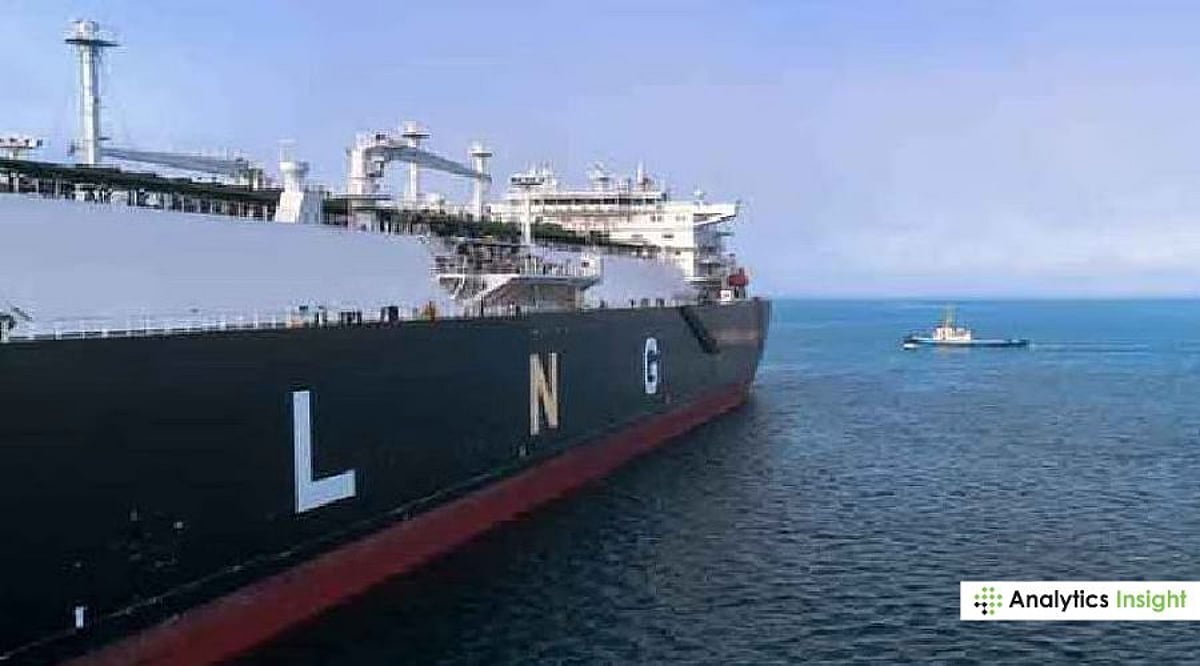
    The Indian government has withdrawn most of the emergency natural gas regulations it imposed earlier this year, following the resumption of liquefied natural gas (LNG) shipments through the Strait of Hormuz after a ceasefire in the West Asia conflict. The Ministry of Petroleum and Natural Gas issued a notification on Saturday amending the Natural Gas (Supply Regulation) Order, 2026, removing the operational provisions that had governed how domestic and imported gas was allocated across sectors.

    What Changes Now

    With a ceasefire in place, negotiations ongoing, and maritime traffic through Hormuz restored, the ministry determined that emergency measures were no longer necessary. The notification specifically cited the resumption of sea traffic through the strait as the basis for withdrawing the priority-customer framework that had overridden existing commercial gas contracts.

    This was the last of three emergency measures introduced during the crisis to be rolled back. The government had already lifted earlier restrictions directing refiners to maximize LPG output by diverting petrochemical feedstock, and curbs on diesel sales to bulk consumers, as supply conditions eased.

    “The ongoing conflict in the Middle East that had resulted in the disruption of liquefied natural gas shipments through the Strait of Hormuz has been subject to a ceasefire, and negotiations are ongoing, as part of which, sea traffic through the Strait of Hormuz has been permitted to be resumed,” the notification stated.

    Reasons Behind the Restrictions

    The original order was issued on March 9 under the Essential Commodities Act, after fighting between the US, Israel, and Iran triggered by strikes on Iran on February 28. Tehran’s retaliation disrupted LNG shipments passing through the Strait of Hormuz. Several suppliers invoked force majeure clauses and diverted cargoes elsewhere, prompting the government to step in with sector-wise gas rationing to protect priority consumers.

    Piped natural gas for households, CNG for transport, LPG production, and pipeline operations were guaranteed full supply based on their prior six-month average consumption, while sectors like petrochemicals and select power stations absorbed the resulting cutbacks.

    Why the Strait of Hormuz Matters for India’s Energy Security

    The episode underscored how exposed India remains to disruptions along the Hormuz corridor despite years of energy diversification efforts. The country imports about 88% of its crude oil needs and roughly half of its natural gas requirement, with West Asia supplying 40-45% of its crude oil imports and nearly 65% of its LNG.

    While India was able to shift crude purchases toward other producers during the disruption, its gas imports remained far more vulnerable, since the bulk of LNG cargoes from Qatar travel through the same strait. With shipping now restored and commercial contracts in force, attention shifts to whether current ceasefire terms hold, given how quickly a fresh escalation could reintroduce the same supply risks the March order was designed to manage.

  • Crude Oil Prices Climb as US-Iran Tensions Resurface, Brent Holds Above $70

    Crude Oil Prices Climb as US-Iran Tensions Resurface, Brent Holds Above $70

    Crude oil prices rose on Monday as renewed US-Iranian conflict revived concerns over supply disruptions. Brent crude futures rose 0.67% to $72.47 a barrel, while US West Texas Intermediate (WTI) advanced 1.80% to $70.05 a barrel. The rebound followed Brent’s drop below $70 on Friday, its first move below that level since February 27, before the latest escalation involving Iran.

    The gains were modest, but traders remain focused on the risk of disruption around the Strait of Hormuz, one of the world’s key oil and liquefied natural gas shipping routes. Natural gas futures climbed 0.82% to 3.306 per MMBtu, gasoline rose 0.90% to 2.9836, and heating oil added 1.30% to 3.2499, reflecting continued concerns over energy supplies as tensions persist around the Gulf.

    US-Iran Tensions Keep Oil Market on Edge

    The jump in crude prices followed renewed military action between the US and Iran. Washington is said to have suspended talks over the conflict after an attack on commercial shipping off the coast of Iran by its military forces in the Strait of Hormuz, a move in response to Tehran’s attacks on the shipping vessels. The two sides are likely to meet in Doha on Tuesday for further discussions, according to an Axios report cited by Bloomberg. However, the weekend escalation has already slowed some oil and natural gas shipments through the region.

    The large crude carrier Kiku, which was transporting some 2 million barrels of oil, was struck and was last seen near Fujairah, a major port in the United Arab Emirates on the Gulf of Oman. US Central Command indicated that while coastal shipping traffic was continuing, some tankers reportedly abandoned attempts to exit.

    India Impact Remains Contained for Now

    Crude price remains a key macroeconomic indicator for India, since it imports around 85% of its oil requirement. A prolonged increase in crude can put pressure on the rupee, increase the import bill, and raise inflation risks. “Crude oil prices are currently trading in the $69–70 per barrel range, remaining well below the highs witnessed during the recent Middle East conflict. Although the latest flare-up in regional tensions triggered a brief bout of volatility in energy markets, crude prices have remained largely contained, providing continued relief to India’s macroeconomic outlook,” said Ponmudi R, CEO of Enrich Money.